

I Hate This Place — A Brutal, Brilliant, and Beautiful Survival Horror Odyssey
Developed by Rock Square Thunder and published by Broken Mirror Games, I Hate This Place officially launched on January 29, 2026, across PC, PlayStation 5, Xbox Series X|S, and Nintendo Switch. What makes this game immediately distinctive is its bold visual identity: a retro, 1980s comic book style that brings the survival horror genre into a vividly stylised space where every monster, every shadow, and every freakish encounter is wrapped in ink outlines and bold colours — like panels ripped straight from a cult graphic novel.
But underneath that striking veneer lies a game that is equal parts thrilling, uneven, and — like its title suggests — loaded with frustration. This is a game that invites you in with style and promise, then refuses to let you forget its horrors until you’ve clawed your way through its most unforgiving moments.
A World Designed to Haunt Your Eyes and Mind
From the moment you begin I Hate This Place, the game impresses with an aesthetic rarely seen in survival horror. The art direction confidently melds comic-book sensibilities with grotesque horror elements — exaggerated gore, sound effects spelled out onscreen, and vivid colours that make the shadows feel eerily alive. This visual language isn’t just cosmetic; it functions as part of the game’s identity, shaping how you experience fear.
The environments — from haunted forests and forgotten ranch houses to derelict towns and infested bunkers — all feel like locations in a nightmarish illustrated story where each frame bleeds dread and tension. Even mundane details like rusted vehicles or abandoned barns become unnerving under the game’s stylized filter. This is not horror that relies on photorealistic dread; it weaponizes artistry itself.
Yet, while the visual design is unquestionably one of the game’s strongest assets, it also sets expectations that the rest of the experience doesn’t always fulfill.
Survival Horror Basics — Resources, Monsters, and Fear
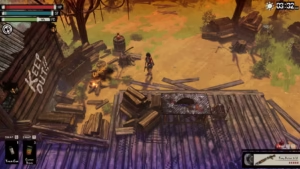
At its core, I Hate This Place is a craft-based, isometric survival horror game. Playing as Elena, a woman caught in the aftermath of a ritual gone horribly wrong, you must survive the warped landscape of Rutherford Ranch, a cursed territory teeming with twisted creatures and warped realities.
Day-Night Cycle and Survival Loop
The game uses a dynamic day-night cycle to structure each session. Daylight is your window for exploration: scavenge for resources, gather materials, craft gear, and fortify your camp. When night falls, everything changes. Enemies become stronger, more numerous, and far deadlier, and visibility plummets — turning familiar terrain into a terrifying maze.
This loop recalls the tension found in cult classics like Darkwood, where surviving the night becomes as important as exploring by day. However, the emphasis here is on resource management and preparation, not just survival instincts. Players must build tools, prepare defenses, and decide when to flee or fight — decisions that matter because enemies hunt by sound. Make noise, and you risk drawing attention. Move quietly and strategically, and you might survive another night.
This sound-based survival mechanic is one of the game’s most inspired features. Rather than relying solely on sight or typical enemy alerts, I Hate This Place forces players to think about noise. Footsteps, gunshots, and dropped items all broadcast your position unless you manage them carefully. The game translates sound into a color-coded visual language — green for quiet, yellow for moderate noise, red for loud — helping you judge risk in real time.
This system is both clever and tense, encouraging stealth over brute force and making every choice feel significant.

Combat, Crafting, and Exploration — A Balance That Wavers
Combat in I Hate This Place is tactical rather than reflexive. Because monsters often hunt by sound, charging in with guns blazing is rarely a winning strategy. Instead, you must use your environment, noise cues, and crafted tools to outmaneuver enemies or lure them into traps. Crafting plays a significant role here — building gear, ammo, and survival equipment is essential, and as you explore more, you uncover the materials needed to strengthen your odds.
However, many reviewers and players have noted that these systems feel unevenly executed. For all its ingenuity, combat doesn’t always feel satisfying, and crafting elements — though promising — can feel tacked on or underdeveloped. Resources sometimes appear plentiful with redundant items, weakening the survival tension, and the interface for crafting and inventory management can feel clumsy.
Exploration, too, while atmospheric, lacks the depth and dynamism seen in other survival titles. The world map hosts four main areas — haunted forests, grave-strewn swamplands, desolate towns, and underground bunkers — each richly designed, but once you’ve explored their story beats and scavenged their supplies, there’s often little left to discover. This can make late-game progression feel repetitive, especially after the initial novelty of the art style wears off.
In some ways, I Hate This Place is like a beautifully haunted house with a few rooms missing their spectres — visually arresting, thematically rich, but sometimes lacking the substance to match the style.

Narrative and Worldbuilding — Mystery Shrouded in Shadows
The story of I Hate This Place does not attempt a broad cinematic sweep. Instead, it unfolds through environmental clues, scattered notes, and reflective moments that hint at a deeper mystery tied to Elena’s past and the forces she has unleashed. Without dwelling too much on direct spoilers, the narrative centers on her survival against malevolent entities — particularly The Horned Man, a recurring threat that symbolizes the cursed land itself.
Some reviewers praised this approach for preserving a sense of mystery, while others felt the story lacked cohesion. Major plot developments sometimes occur during side quests or feel buried in optional content, making them easy to miss and weakening the narrative punch. According to critics, this can create emotional moments that don’t resonate as powerfully as they should, leaving the game feeling narratively thin despite its atmospheric ambitions.
In addition, while the comic book source material has a layered lore and character depth, the game’s original story — loosely inspired by that universe — doesn’t always capture that same richness, resulting in characters and arcs that feel functional rather than unforgettable.
Technical and Performance Matters — Rough Edges Beneath the Polish
Despite its ambitious design and bold artwork, I Hate This Place has been criticized for technical roughness that can hamper immersion.
Some players and reviewers encountered issues like disjointed voice acting, NPC models failing to animate correctly, and dialogue triggers reacting to off-screen events — all breaking the narrative flow. There have also been reports of UI inconsistencies and visual bugs that detract from gameplay. These technical hiccups contribute to the sense that the game’s foundation is strong, but the execution isn’t always fully polished.
In other words, this is a game with a lot of heart and creativity that might benefit from more time in the oven — something that seems likely to be addressed with patches and updates as players continue to engage.
Critical and Player Reception — A Mixed But Meaningful Debate
Critically, I Hate This Place has received mixed to average reviews overall. On Metacritic, critic scores hover around the mid-60s to low-70s, reflecting both appreciation for its innovative mechanics and reservations about narrative focus and technical polish.
Some outlets praised the game as one of the most authentically styled survival horror experiences in recent memory — a melding of art, atmosphere, and asymmetric threats. Others acknowledged that, while the concept shines, the game struggles to consistently deliver on its potential.
Players seem equally divided. Some celebrate it as an indie survival horror gem with unique mechanics and a compelling aesthetic, while others express frustration over combat pacing, story coherence, and occasional bugs.
Pros & Cons — Breaking Down I Hate This Place
What I Hate This Place Does Well
✅ Striking Visual and Audio Identity
The game’s bold comic-book aesthetic and retro ’80s style set it apart instantly from other survival horror titles. The visual design is immersive, expressive, and often unnerving in ways that cinematic horror rarely achieves.
✅ Innovative Sound-Based Survival Mechanic
The color-coded sound system is one of the game’s most clever features, turning movement and noise into strategic gameplay elements that reward thought over reflex.
✅ Atmospheric Exploration
From haunted forests to infested bunkers, the world of I Hate This Place feels eerie and memorable. Discovery is visually rewarding even when narrative returns are uneven.
What Could Be Improved
❌ Uneven Narrative Execution
The story sometimes fails to coalesce into a powerful arc, with major beats tucked away in peripheral quests or insufficiently connected plot threads.
❌ Combat and Crafting Imbalances
While the systems themselves are interesting, they can lack depth or polish, making combat feel less satisfying and crafting repetitive.
❌ Technical Roughness
Bugs, inconsistent voice acting, and UI quirks occasionally pull players out of the experience.
 Verdict — A Bold but Flawed Entry in Survival Horror
 Verdict — A Bold but Flawed Entry in Survival Horror
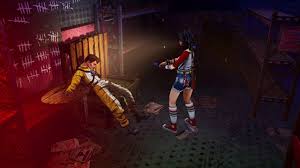
I Hate This Place isn’t just another survival horror game — it’s an ambitious experiment that marries art, horror, and strategy in a way few modern games dare to attempt. Where others lean into photorealism or cinematic scares, this title boldly embraces its comic roots, using style as narrative and atmospheric force.
For players craving something that feels distinctively different — where every footstep matters and every shadow feels alive — this is a game that remains compelling despite its flaws. The sound mechanics, vibrant visual identity, and tense exploration make it worth experiencing, especially for fans of isometric survival horror. Yet for those seeking tight narrative cohesion, balanced combat, and polished execution, the rougher edges might diminish the thrill.
In a genre crowded with clones and spiritual successors, I Hate This Place deserves credit for trying something new, and for giving players a survival horror experience that feels alive, stylized, and unforgettable, even if it doesn’t entirely stick the landing.
