
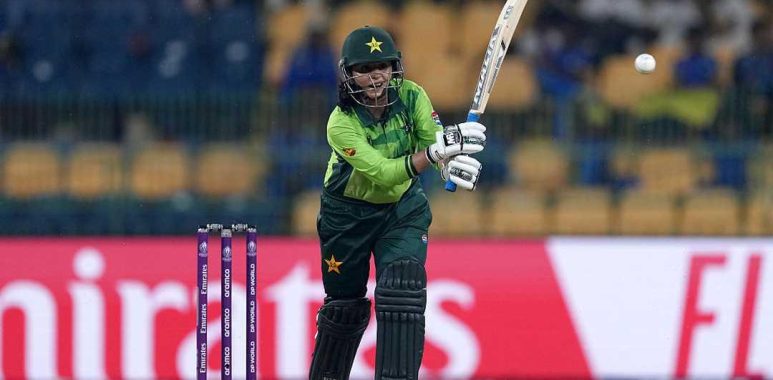
Pakistan Women Open Tour with Clinical Five-Wicket Victory over Sri Lanka in Hambantota
The first One Day International of Pakistan Women’s tour of Sri Lanka unfolded under bright skies at the Mahinda Rajapaksa International Cricket Stadium in Hambantota on Thursday, and by the time the final runs were scored the visitors had announced themselves with authority. Pakistan Women chased down a target of 211 with five wickets in hand and a full seven overs to spare, completing the task in just 43 overs. Gull Feroza’s fluent 78 and Sidra Amin’s composed 57 formed the backbone of the successful pursuit, while left-arm spinner Nashra Sandhu’s three wickets had earlier kept Sri Lanka to a modest 210 for nine. The result gave Pakistan a 1-0 lead in the three-match series and extended their winning streak in ODIs to five matches.
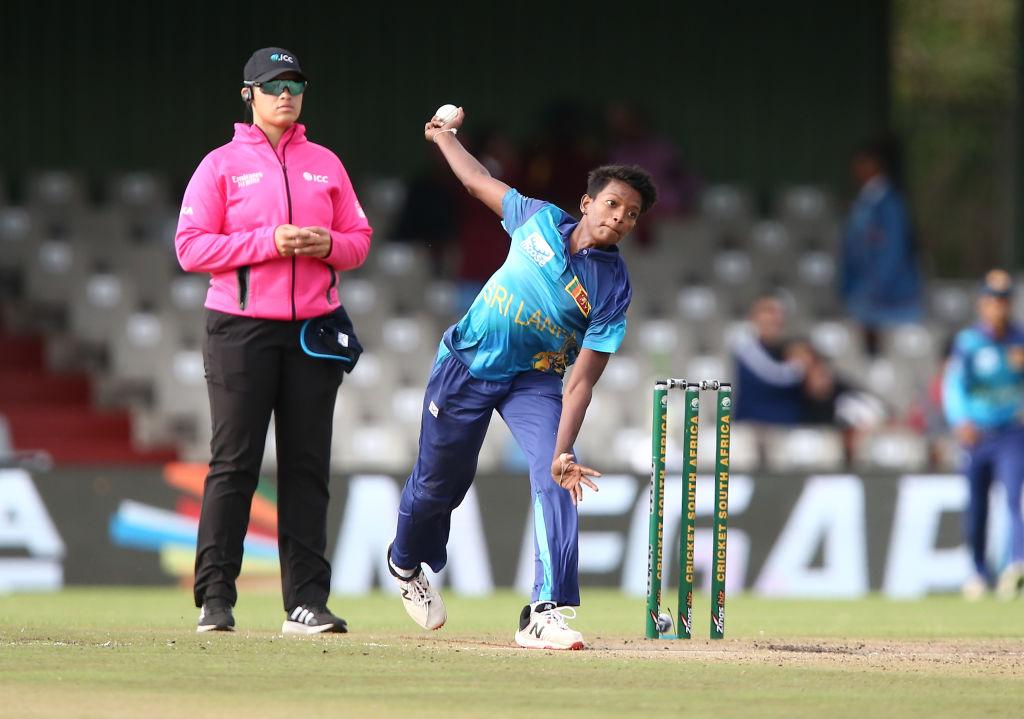
Sri Lanka captain Chamari Athapaththu won the toss and chose to bat first on a surface that offered early assistance to the seamers but gradually slowed and favoured spin as the afternoon progressed. The home side made a positive start. Openers Vishmi Gunaratne and Athapaththu put on 56 runs for the first wicket, negotiating the new ball with a mixture of solid defence and calculated aggression. Gunaratne struck four boundaries in her 28 off 38 balls before Nashra Sandhu produced a delivery that found the edge and was pouched by Fatima Sana. The breakthrough came in the twelfth over and changed the complexion of the innings.
Athapaththu continued to look in control, driving and cutting with the authority that has marked her long career. She reached 46 off 67 deliveries, including six fours, before Sandhu struck again. The spinner’s arm ball sneaked through and rattled the stumps, ending the captain’s stay and leaving Sri Lanka at 109 for two. From that point the innings never quite regained its earlier fluency. Harshitha Samarawickrama, usually so reliable in the middle order, managed only two runs before Tasmia Rubab induced a false stroke that was taken by Muneeba Ali behind the stumps. Hasini Perera and Kavisha Dilhari attempted to rebuild, adding useful runs, but both fell short of half-centuries. Perera was trapped leg-before by Umm-e-Hani for 35, while Dilhari was bowled by Syeda Aroob Shah for the same score.
Nilakshika Silva provided the late resistance that prevented a complete collapse. Unbeaten on 46 from 50 balls, she rotated the strike intelligently and found the boundary twice, guiding Sri Lanka past the 200-mark. The lower order contributed little, however, and the innings closed at 210 for nine after fifty overs. Sandhu finished with the impressive figures of three for 42 from her full quota of ten overs. Rubab claimed two for 34, while Fatima Sana, Umm-e-Hani and Aroob Shah each took one wicket. The total was competitive on paper, yet it never felt beyond the reach of a Pakistan batting line-up that has shown increasing confidence in recent months.
Pakistan’s reply began with purpose. Sadaf Shamas and Gull Feroza put on 58 runs inside the first ten overs, taking advantage of anything loose from the Sri Lankan new-ball pair of Malki Madara and Chethana Vimukthi. Shamas looked busy and scored 20 off 27 balls with three boundaries before Athapaththu brought herself on and induced a catch at cover. The wicket did little to slow the momentum. Feroza, already into her stride, continued to dominate. She played the sweep with particular effectiveness, collecting 24 runs from that stroke alone, and drove through the covers with elegance. Her half-century came from just 47 balls and was her fourth successive ODI fifty, a sequence that speaks volumes about her current form.
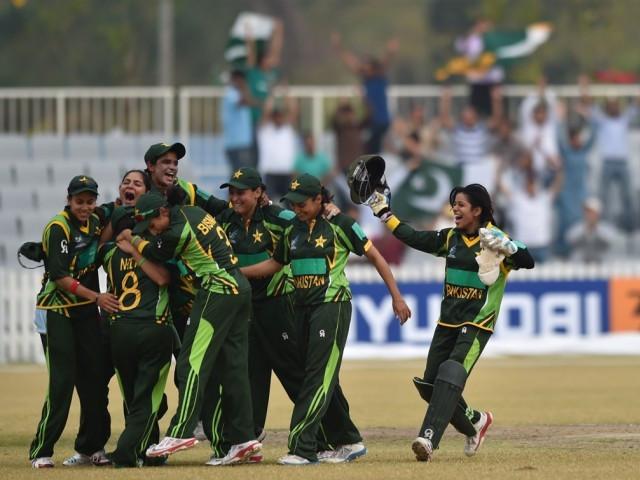
Sidra Amin joined Feroza and the pair added 90 runs for the second wicket. Amin’s approach was more measured. She took 94 deliveries for her 57, relying on soft hands and precise placement rather than power. Together they absorbed pressure whenever Sri Lanka managed a quiet over and then accelerated when the opportunity arose. Feroza eventually fell leg-before to Kavisha Dilhari for 78 off 77 balls, having struck eleven fours. At that stage Pakistan needed fewer than seventy runs with plenty of overs remaining, and the result was never seriously in doubt.
Ayesha Zafar arrived and immediately looked assured. She finished unbeaten on 27 from 31 balls, including one six that cleared the midwicket boundary with room to spare. Brief interruptions came when Muneeba Ali and Najiha Alvi fell cheaply, but Fatima Sana, the captain, arrived at the crease and struck a boundary to ease any lingering nerves. The winning run arrived via a wide in the forty-third over, sealing a five-wicket victory with forty-two balls still unused.
The performance was built on balance. Pakistan’s bowling unit shared the wickets and maintained discipline throughout the fifty overs. Sandhu’s left-arm spin was the standout, but the supporting cast of Rubab, Umm-e-Hani and Aroob Shah ensured that Sri Lanka were never allowed to settle into long partnerships. With the bat, Feroza’s intent and Amin’s composure complemented each other perfectly. The middle order then finished the job without fuss.
For Sri Lanka the afternoon was a reminder of the fine margins that separate competitive totals from winning ones. Athapaththu and Silva produced fighting innings, yet the rest of the batting lacked the fluency required to push the score beyond 230 or 240. In the field the home side created only limited pressure once the new ball had lost its shine. Dilhari was the most effective bowler with two for 37, but the rest of the attack was unable to stem the flow of runs during the middle overs.
The victory carries significance beyond the immediate scoreline. It lifts Pakistan to second place on the ICC Women’s Championship points table and maintains the momentum generated by their recent string of results. Fatima Sana has grown into the leadership role with quiet assurance, and the younger members of the squad appear to be responding to the environment she has helped create. Gull Feroza’s consistent scoring at the top of the order has given the batting a settled look that was sometimes missing in previous campaigns.
Hambantota itself provided a fitting stage. The stadium, set against the southern Sri Lankan landscape, was bathed in sunshine for most of the day, and a modest but enthusiastic crowd turned out to support the home side. The pitch began with a hint of grass and offered movement to the seamers before drying and becoming slower, conditions that both teams had anticipated. Pakistan adapted more effectively, particularly in the way they rotated the strike and forced the Sri Lankan spinners to bowl to their strengths.
Looking ahead, the series continues at the same venue on Saturday with the second ODI. Sri Lanka will be eager to level the contest and will no doubt examine their middle-order contributions and death bowling with particular care. Pakistan, meanwhile, will seek to build on the confidence that flows from a clinical win. The remaining two matches will also carry Championship points, adding an extra layer of importance to every session.
Individual performances will continue to shape the narrative. Feroza’s form is a major positive for Pakistan, while Amin’s ability to bat through the middle overs provides the necessary glue. In the bowling ranks Sandhu’s control of length and subtle variations make her a constant threat on these surfaces. For Sri Lanka, Athapaththu remains the player most capable of changing a match with either bat or ball, and the supporting cast will need to find greater consistency if they are to challenge the visitors over the course of the series.
The match also highlighted the growing depth in both squads. Pakistan were able to rotate their attack without losing intensity, and the lower-order batters showed they could finish games when required. Sri Lanka’s lower order struggled to accelerate in the final ten overs, an area that will require attention before the next contest. Fielding standards were generally high, though a couple of half-chances went to ground and may have influenced the final margin.
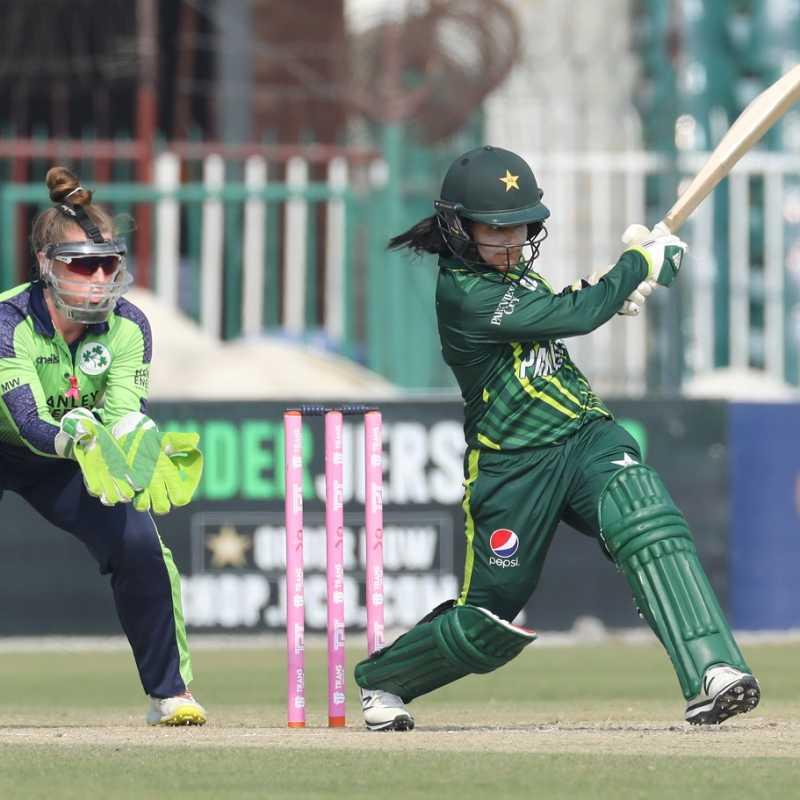
As the players left the field, the Pakistan dressing room celebrated a job well done. The win was not merely about reaching the target; it was about the manner in which the chase was constructed, the early wickets taken with the ball, and the collective discipline maintained across both innings. For a side that has sometimes been criticised for inconsistency, this was a performance of substance.
The broader context of the tour adds further interest. After the three ODIs the teams will contest three T20 Internationals, also in Hambantota, offering a complete white-ball examination of both squads. Pakistan arrive with recent World Cup experience still fresh, while Sri Lanka continue to develop a core of players who have shown promise against stronger opposition. The series therefore serves as both a competitive contest and a development opportunity for several emerging talents.
In the end the numbers told a clear story. Sri Lanka scored 210 for nine. Pakistan replied with 211 for five in 43 overs. Feroza’s 78 earned her the player-of-the-match award, Sandhu’s three wickets set the tone with the ball, and the visitors walked away with the two Championship points and a 1-0 series lead. The result was comprehensive without being ruthless, efficient without being flashy. It was the kind of victory that builds belief and sets a standard for the matches that follow.
Thursday in Hambantota belonged to Pakistan Women. They bowled with purpose, batted with clarity, and left the field with the satisfaction of a plan well executed. The second ODI awaits, and both teams will now turn their attention to the adjustments required to tip the balance in their favour once more. For the moment, however, the visiting side can enjoy the knowledge that their tour has begun in the best possible fashion.