
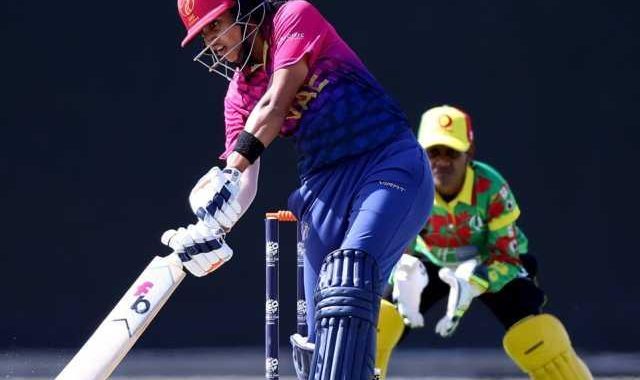
UAE Women Keep Semi-Final Hopes Alive with Comfortable Six-Wicket Victory over Indonesia in Dubai
The floodlights at Dubai International Cricket Stadium shone brightly on Friday evening as the United Arab Emirates Women’s team finally secured their first win of the 2026 Women’s Asia Cup. Facing Indonesia in the eighth match of the tournament, Group B, the hosts produced a clinical all-round performance to bowl out their opponents for just 73 and then chase down the modest target with six wickets and 41 balls remaining. The victory, sealed in the 14th over, keeps UAE’s semi-final aspirations alive, though they still face a tough assignment against Bangladesh later in the group stage and will need results elsewhere to go their way.
It was a night that belonged largely to captain Esha Oza, who claimed the Player of the Match award for her contributions with both bat and ball. Oza scored a composed 30 off 29 deliveries and earlier picked up two wickets for just 11 runs. Off-spinner Suraksha Kotte set the tone with a devastating opening spell, finishing with three for 16, while left-arm spinner Heena Hotchandani conceded only six runs in her four overs while taking two wickets. For Indonesia, captain and wicketkeeper Ni Putu Ayu Nanda Sakarini stood alone with a fighting 39 off 52 balls, but the rest of the batting line-up offered little resistance.
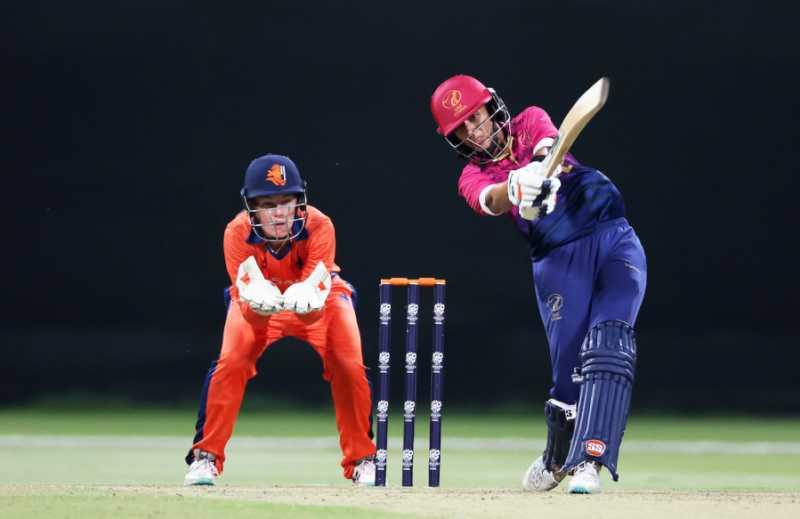
UAE won the toss and elected to field first under the Dubai night sky. The decision proved inspired almost immediately. Kotte opened the bowling and struck with her first two deliveries. Maria Corazon edged the very first ball of the match to wicketkeeper Theertha Satish, departing for a duck. Two balls later, Ni Luh Dewi was caught by Hotchandani at mid-off, also without scoring. Indonesia were two wickets down for one run, and the pressure was already intense.
Rahmawati Pangestuti and Sakarini tried to steady the innings, but Oza entered the attack and removed Pangestuti for two, the opener caught behind by Satish once again. At that stage Indonesia were reeling at three wickets down for a handful of runs. Sakarini, showing the experience of a captain who has led her side through several international campaigns, began to rebuild. She played carefully at first, rotating the strike and looking for the occasional boundary. Ni Kadek Fitria Rada Rani offered brief support before Hotchandani bowled her for three.
Desi Wulandari joined her captain and the pair added some respectability to the total. Sakarini reached into double figures and then accelerated slightly, striking four boundaries and one six during her stay. Wulandari contributed a useful 12 off 28 balls before Samaira Dharnidharka had her caught by Lavanya Keny. The lower order simply could not build partnerships. Kotte returned to claim her third wicket, trapping Kisi Kasse lbw for one. The remaining batters fell in quick succession as the innings folded in the 20th over. Indonesia were all out for 73 in 19.4 overs, with Sakarini’s 39 accounting for more than half the team’s runs. It was a familiar story for the Indonesian side, who had already suffered heavy defeats to Sri Lanka and Bangladesh earlier in the competition and finished their campaign winless.
The UAE bowlers shared the wickets around and maintained excellent control. Apart from the early breakthroughs by Kotte and Oza, Hotchandani’s miserly spell of two for six in four overs was particularly impressive. The fielding was sharp, with Satish taking two catches behind the stumps and several players contributing in the outfield. For a side that had been heavily beaten by Sri Lanka in their opening match, this was a much-needed statement of intent.
Chasing 74 for victory should never have been complicated, yet UAE still had to negotiate a few early nerves. Theertha Satish and Oza opened the batting. Satish looked positive, striking two boundaries, but was caught by Dewi off the bowling of Sang Maypriani for 11 in the fifth over. That brought Rinitha Rajith to the crease, and the young batter immediately looked comfortable. She and Oza put together a 45-run partnership that effectively settled the contest.
Oza played the anchor role with typical calmness. She found the boundary five times and kept the scoreboard moving at a healthy rate. Rajith matched her captain’s intent, scoring 22 off 24 balls with three fours of her own. The required rate never climbed above a run a ball, and the pair took UAE past 50 without further alarm. Just as the victory looked certain, Indonesia managed a brief fightback. Sofia Velic, who had bowled with energy throughout, claimed two wickets in the same over. First she had Rajith stumped by Sakarini for 22, then she clean-bowled Hotchandani for a first-ball duck. Suddenly UAE were four down with the target still a few runs away.
Samaira Dharnidharka and Lavanya Keny came together and refused to panic. Dharnidharka struck a boundary and the pair knocked off the remaining runs with minimal fuss. The winning moment arrived in the first ball of the 14th over when Dharnidharka drove Sofia Velic for four to long-on. UAE finished on 75 for four after 13.1 overs, completing the chase with 41 balls remaining and six wickets in hand.
The result lifted UAE to two points from two matches, sitting third in Group B behind Sri Lanka, who remain unbeaten, and Bangladesh. Indonesia ended their tournament with three losses and a net run rate that reflected their struggles with the bat. For the hosts, the win was essential. They now prepare for a crucial fixture against Bangladesh on September 8. Victory in that match, combined with favourable outcomes in other games, could still see them reach the semi-finals. Defeat would almost certainly end their campaign on home soil.
Looking at the broader picture of the tournament, the 2026 Women’s Asia Cup has already delivered several one-sided contests. India have dominated Group A, while Sri Lanka have set the standard in Group B. The presence of associate nations such as Indonesia, Hong Kong and Thailand has added depth and opportunity, yet the gap between the established full-member sides and the emerging teams remains visible. Indonesia, making their first appearance at this level after strong performances in the ACC Women’s Premier Cup, will take valuable lessons from the experience. Their captain Sakarini showed fight and leadership, and several younger players gained exposure against quality opposition under pressure.
For UAE, the path forward is clear. They must maintain the discipline shown with the ball against Indonesia and find greater consistency with the bat. Oza’s leadership has been steady throughout, and the contributions of players like Kotte, Hotchandani and Rajith suggest a squad capable of competing when everything clicks. The home crowd at Dubai International Cricket Stadium provided vocal support throughout the evening, and the players responded with a professional performance that will boost confidence ahead of the Bangladesh clash.
The match itself lasted fewer than three hours of actual playing time, a reflection of how completely UAE controlled proceedings. From the first two balls of the Indonesian innings to the final boundary that sealed victory, the hosts dictated terms. Kotte’s opening over will be remembered as the moment the contest was effectively decided. Two wickets in two balls created a psychological advantage that Indonesia never recovered from. Sakarini’s lone resistance prevented a complete collapse into the thirties or forties, but even her determined effort could not paper over the lack of support around her.
In the chase, Oza and Rajith’s partnership was the key. They absorbed the early loss of Satish and then accelerated at the right moments. The two late wickets taken by Velic offered a flicker of hope for Indonesia, yet the target was simply too small for those breakthroughs to matter. Dharnidharka’s calm finishing touch ensured there would be no late drama.
As the tournament continues, attention will turn to the remaining group matches and the eventual semi-finals. Sri Lanka look strong favourites to top Group B, while Bangladesh and UAE will battle for the second qualification spot. India continue to set a high bar in the other group. For Indonesia, the focus will shift to development and building on the experience gained in Dubai. Their players will return home with memories of competing against some of Asia’s best and the knowledge that further improvement is required if they are to challenge at this level consistently.
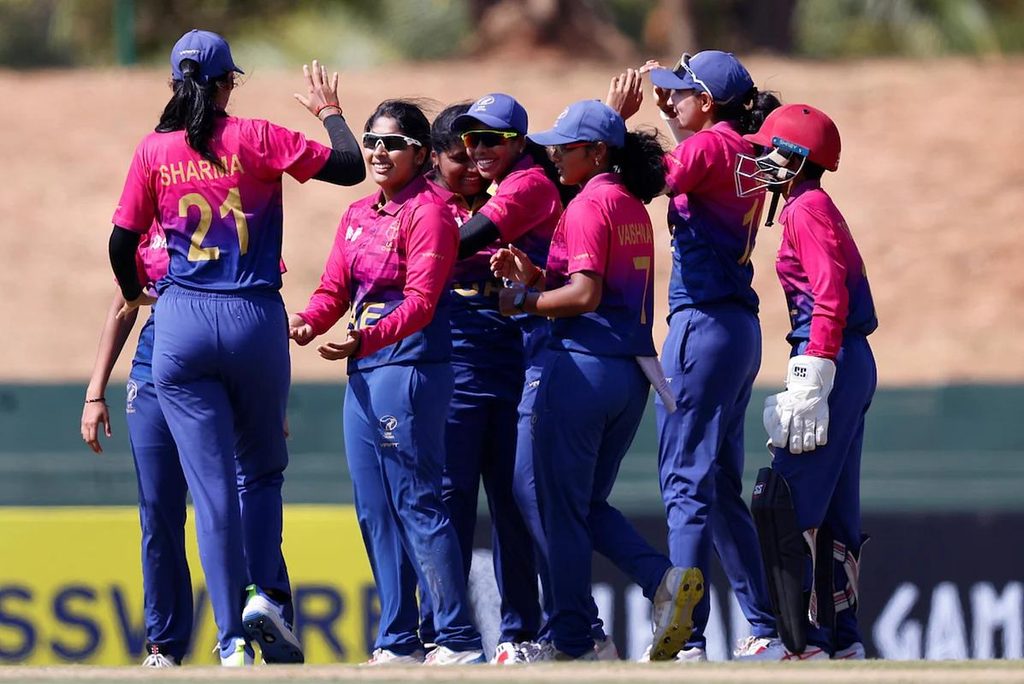
Friday night in Dubai belonged to the United Arab Emirates. A clinical bowling display, a composed chase, and a first win of the competition have given them hope. Whether that hope translates into a semi-final appearance remains to be seen, but for one evening at least, the home side gave their supporters something to cheer. Esha Oza lifted the Player of the Match award, Suraksha Kotte received deserved recognition for her early strikes, and the entire squad left the field with smiles. In a tournament where margins can be tight and opportunities limited, UAE seized theirs against Indonesia with authority and efficiency.
The scoreboard told the story simply enough: Indonesia 73, United Arab Emirates 75 for four. The real narrative, however, was one of control, resilience and timely contributions from key players. UAE have kept their campaign alive. Now they must build on this result and produce another strong performance against Bangladesh if they are to extend their stay in the competition. For the watching public and the growing audience for women’s cricket across Asia, nights like this reinforce the value of competitive fixtures that give emerging teams a platform while still delivering clear, decisive outcomes.
The Dubai International Cricket Stadium has already hosted several memorable contests in this Asia Cup. Friday’s match may not have produced high scores or last-over drama, but it offered a clear illustration of how professional preparation and early breakthroughs can shape a result. UAE’s bowlers executed their plans almost perfectly. Their batters then applied themselves with the required discipline. Indonesia fought hard through their captain but ultimately lacked the depth to compete over twenty overs.
As the players shook hands and the crowd began to disperse into the Dubai night, the focus shifted to the next fixtures. UAE will train with renewed purpose. Indonesia will reflect on a tournament that brought tough lessons. And the Women’s Asia Cup will continue to unfold under the lights, offering more opportunities for stories of triumph, resilience and the steady growth of the game across the continent.
