
Newcastle United 2-2 AFC Bournemouth: Ramsey’s late strike salvages a point in a game of two halves at St James’ Park
There are afternoons at St James’ Park that feel scripted for drama, and then there are ones like this. Saturday 5 September 2026 delivered a Premier League match that swung from near-embarrassment for the home side to pure relief, as Newcastle United clawed their way back from two goals down to share the points with AFC Bournemouth in a 2-2 draw. Jacob Ramsey, a substitute who had spent much of the early Jaissle era on the fringes, produced a calm, clinical finish in the 88th minute to rescue a point and keep the Magpies unbeaten under their new head coach. For Bournemouth and Marco Rose, it was another afternoon of leading and then watching the points slip away late. Again.
The scoreline only tells part of the story. Bournemouth were the better side for long stretches, particularly in a first half where they pressed Newcastle into mistakes and created far more threat. The visitors led through Marcus Tavernier’s early strike and a Malick Thiaw own goal, only for Harvey Barnes to reply almost immediately with a curling beauty. Then, after a largely cagey second period, Ramsey intervened when it mattered most. The xG numbers told their own tale: Bournemouth around 1.5, Newcastle closer to 0.66. Yet the home side left with a point, their unbeaten start intact, while the Cherries continued a frustrating pattern of dropping points from winning positions.
Pre-match context and the new-era backdrop
This was the third Premier League outing of the 2026-27 season for both clubs, and both arrived carrying the weight of managerial change. Matthias Jaissle, the young German who had taken over from Eddie Howe in the summer after success at Al-Ahli, was still bedding in his ideas at Newcastle. The Magpies had shown fight in earlier results, including a solid win at Tottenham and a draw with Liverpool, but the transition was obvious. Key departures over the summer had left gaps, and Jaissle’s high-intensity, structured approach was still finding its rhythm with a squad adjusting to different demands.
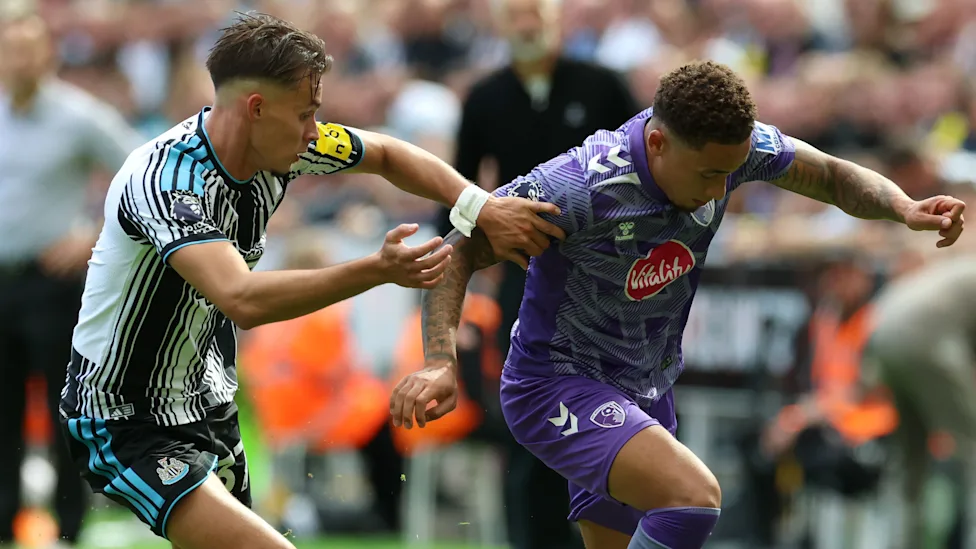
Bournemouth, under Marco Rose, were in a similar boat. Rose had replaced Andoni Iraola and brought his own Red Bull-influenced pressing style and verticality. The Cherries had already shown they could compete — they led Manchester City before losing late and drew with Everton after another late equaliser conceded — but results had not matched the performances. They arrived at St James’ Park still searching for a first league win of the campaign, yet with clear belief in the way they wanted to play. Historically, Bournemouth had been a difficult opponent for Newcastle in recent seasons; the Magpies had not beaten them in the Premier League for several meetings, a run that stretched back years.
The atmosphere inside the ground reflected the early-season mix of optimism and caution. Newcastle fans were still getting to know Jaissle’s methods. Bournemouth’s travelling support, always vocal, sensed an opportunity against a side that had looked vulnerable defensively at times. Kick-off approached with the usual mix of nerves and expectation on Tyneside.
First-half dominance and the two-goal lead
Bournemouth started brighter and more purposeful. Their press was aggressive and coordinated, forcing Newcastle into hurried clearances and misplaced passes. The home side looked uncomfortable building from the back. Sven Botman and Malick Thiaw were under constant pressure, and the midfield struggled to find rhythm against Alex Scott’s energy and positioning.
The breakthrough came in the ninth minute. Alex Scott’s shot took a deflection, the ball broke kindly, and Marcus Tavernier reacted sharpest at the back post to poke it past Lukas Hornicek. It was a classic poacher’s finish, the kind Tavernier has produced against Newcastle before. The goal had an element of controversy for the home crowd — there were appeals for a foul on Anthony Elanga in the build-up — but the referee waved them away. St James’ Park fell into that familiar anxious murmur.
Bournemouth should have extended the lead soon after. Evanilson was presented with a clear chance after a Botman error but fired over. Tavernier himself had another opportunity but was denied by Hornicek. The visitors kept coming. Their movement was sharp, the transitions quick, and Newcastle’s shape looked stretched. By the half-hour mark the home side had been second-best in almost every department.
The second goal arrived in the 35th minute with a touch of the farcical. Justin Kluivert’s shot from distance crashed off the post, hit Hornicek on the way back, and fell invitingly. Alex Scott kept the attack alive with a cross-shot from a tight angle that struck Thiaw and deflected into the net. Own goal. 2-0. Rose celebrated on the touchline. Newcastle looked stunned. The boos that had been simmering grew louder.
Then, almost out of nothing, the game flipped. Just 101 seconds later Harvey Barnes produced a moment of genuine quality. Collecting the ball on the left from Lewis Hall, he cut inside onto his right foot and curled a superb effort beyond Djordje Petrovic into the far corner. It was a goal of pure technique and composure, the kind that lifts an entire stadium in an instant. Suddenly the score was 1-2, the atmosphere transformed, and Bournemouth’s comfortable afternoon had a problem.
Half-time arrived with Newcastle still behind but carrying belief. They had been outplayed and outshot heavily, yet Barnes’ strike gave them a platform. Jaissle would have had plenty to say in the dressing room about the defensive lapses and the need for more control in possession.
Second-half tension and the late twist
The second half began with Newcastle showing more urgency. Yoane Wissa worked the channels, Elanga threatened on the right, and Joe Willock came close with a header that flashed wide. Bournemouth, though, remained organised and dangerous on the break. Scott continued to dictate much of the midfield play, and Rose’s side looked capable of killing the game if they could find a third.
As the hour mark passed, Jaissle turned to his bench. Jacob Ramsey and Matias Fernandez-Pardo, the recent expensive arrival from Lille, were introduced. The changes added fresh legs and different options in the final third. Newcastle began to push higher, forcing Bournemouth deeper. The game became more stretched, more physical. Yellow cards appeared — Wissa, Kluivert, later Truffert and Smith — as the intensity rose and frustration grew on both sides. Jaissle himself was booked for persistent protests from the technical area.
For long periods the second half lacked the clear-cut chances of the first. Newcastle controlled more of the ball but struggled to create high-quality openings. Bournemouth defended their lead with discipline, content to absorb pressure and look for transitions. The home crowd grew restless as the clock ticked past 80 minutes with the score still 1-2. Another late concession seemed possible, given Bournemouth’s recent habit of shipping goals after the 84th minute.
Then, in the 88th minute, the equaliser arrived. A ball into the box was only half-cleared. Barnes’ effort was blocked, the rebound fell kindly, and Ramsey, arriving at the right moment, side-footed it cleanly into the bottom corner from around 12 yards. Cool, composed, decisive. St James’ Park erupted. Ramsey, who had spoken afterwards about his disappointment at limited minutes, had answered the question of his capability in the most emphatic way possible.
Six minutes of added time followed. Both sides pushed for a winner. Newcastle had a late free-kick opportunity that sailed over. Bournemouth threatened on the counter. Neither found the decisive moment. The final whistle brought a mixture of relief for the home fans and frustration for the visitors. A point each felt fair in the end, even if the first-half balance of play suggested otherwise.

Top highlights and key moments
The standout individual moments defined the afternoon. Tavernier’s early goal set the tone for Bournemouth’s aggressive intent and underlined his personal record against Newcastle. The own goal was messy but symptomatic of the pressure the visitors applied. Barnes’ reply was pure class — the technique to open his body and bend the ball with pace and precision from a difficult angle. And Ramsey’s equaliser was the moment of highest drama, a substitute making an immediate impact when the game seemed to be slipping away.
Alex Scott’s influence for Bournemouth cannot be overstated. His energy, passing range and ability to find space in midfield made him the outstanding performer on the pitch for large spells. For Newcastle, Barnes carried the creative burden, while the introduction of Ramsey and the late resilience showed character under Jaissle. Defensively, both sides had questions: Newcastle’s early vulnerability under the high press, Bournemouth’s inability to close out games once ahead.
The tactical battle was fascinating. Rose’s side executed a high, coordinated press that disrupted Newcastle’s build-up and forced errors. Jaissle’s response after the break — more urgency, better use of the wide areas, and timely substitutions — gradually shifted the momentum. Neither team was perfect. Both showed the growing pains of new managerial eras.
What the result means
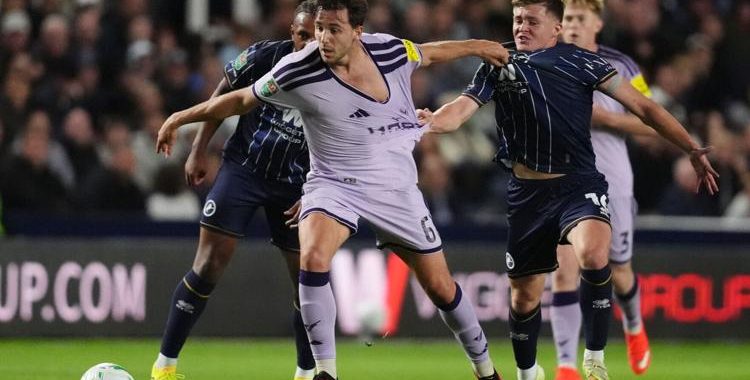
For Newcastle the point preserves an unbeaten start under Jaissle and offers encouragement about their ability to dig in when things go wrong. Coming from two goals down at home is never easy, and the character shown will please the coaching staff. Questions remain about defensive solidity against well-organised pressing sides and the need for greater control in possession. The Carabao Cup trip to Millwall offered a chance to build further rhythm.
For Bournemouth the pattern is becoming a concern. Leading in all three league games and taking only two points from them is a harsh return for the quality of some of their play. Rose has spoken about the need to be more clinical and more solid late in matches. The performance levels have been encouraging; the results have not yet followed. Their next fixtures will test whether they can convert dominance into victories.
The broader picture is of two clubs in transition, both managed by coaches steeped in progressive, high-intensity football, both still refining the balance between ambition and pragmatism. This match was an early snapshot of that process: flawed, entertaining, and ultimately shared.
As the players left the pitch, the home supporters applauded a comeback that had looked unlikely for long periods. Ramsey’s late intervention ensured the afternoon ended on a high note for the majority inside St James’ Park. Football rarely delivers perfect performances this early in a season, especially under new regimes. What it did deliver here was resilience, quality in key moments, and another reminder that leads are never safe until the final whistle. Newcastle will take the point and move on. Bournemouth will rue the ones that got away — again. The season is young, the learning continues, and both sides will hope the next chapters bring cleaner, more decisive results.
