
Farhan’s Captains Knock Seals Pakistan’s Opening Night Win in Rawalpindi
Pakistan’s new captain Sahibzada Farhan announced himself in the most emphatic fashion possible on a mild October night in Rawalpindi. In his first match as full-time Twenty20 International skipper, the opener produced a commanding 89 off 53 balls that guided his side to a four-wicket victory over Sri Lanka with seven deliveries to spare. The chase of 183 was never entirely comfortable once the middle order stuttered, yet Farhan’s presence at the crease kept the required rate under control and eventually left the home crowd in full voice long before the finish.
Sri Lanka had won the toss and chosen to bat first under the lights at Rawalpindi Cricket Stadium. The decision looked reasonable on paper. The surface offered true bounce and the outfield was quick. What followed, however, was an innings of uneven tempo and heavy dependence on one man. Lahiru Udara carried the visitors almost single-handedly with a fluent 91 from 55 deliveries. He struck eleven fours and a solitary six, mixing classical cover drives with sharp flicks off the pads. Around him the rest of the order struggled to find rhythm. Kusal Mendis fell early for a single, Kamil Mishara managed only six, and the middle order contributed in fits and starts without ever building the sustained pressure a total above 190 would have required.
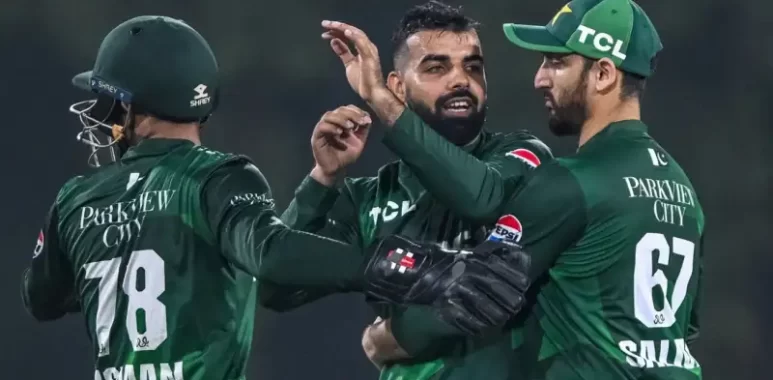
Pakistan’s bowling was not perfect. Twenty-nine extras leaked through wides, no-balls and byes, a number that would have embarrassed most attacks. Yet the wickets arrived at useful intervals. Naseem Shah claimed three for 36, including the important scalps of Mendis and Udara late in the innings. Debutant Mohammad Imran was the standout with the new ball and in the middle overs, finishing with two for 21 from his four overs. His control and subtle movement repeatedly forced the Sri Lankan batters into cautious strokes. Razaullah, another debutant, contributed a useful wicket and some sharp fielding. By the time the twentieth over ended, Sri Lanka had reached 182 for eight. It was a competitive total, but one that left the door open for a strong reply.
Pakistan’s response began with the kind of intent that has become the hallmark of their better white-ball performances in recent years. Fakhar Zaman and Farhan put on 54 in just over five overs. Zaman’s 21 from 13 balls included four crisp boundaries before he edged Eshan Malinga through to the keeper. The departure did nothing to slow the scoring. Maaz Sadaqat joined his captain and the pair immediately took control. Sadaqat needed only 28 balls to reach a maiden T20I half-century. His fifty contained four fours and three sixes, the most memorable of them a clean strike over long-on against Dunith Wellalage. The 92-run stand for the second wicket reduced the required rate and forced Sri Lanka’s bowlers into defensive fields far earlier than they would have liked.
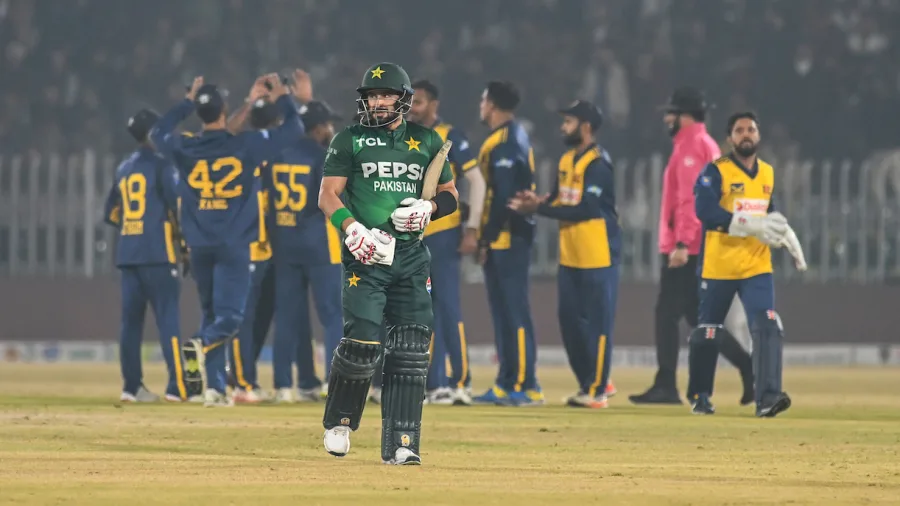
Farhan’s innings was the centrepiece. He reached his fifty off 33 deliveries and never looked in any real difficulty against either pace or spin. There were ten fours and four sixes in the knock, the shots ranging from elegant punches through the covers to muscular pulls in front of square. Even when Sadaqat fell lbw to Maheesh Theekshana for 50, the captain refused to allow the momentum to shift. Hasan Nawaz and Saim Ayub both came and went cheaply, leaving Pakistan at 156 for four. The crowd grew quieter for a few minutes, but Farhan continued to find the boundary at regular intervals. A square-leg boundary and a towering six over extra cover off Nuwan Thushara in the eighteenth over effectively settled the contest. When he finally holed out to Sahan Arachchige in the deep for 89, only four runs were still required. Khawaja Nafay finished the job with a six of his own, and Pakistan reached 187 for six with seven balls remaining.
The victory gave Farhan the perfect start to his captaincy. Appointed only days earlier after leading the side to a silver medal at the Asian Games, he had spoken before the series about wanting an aggressive, adaptable unit less dependent on established stars. Babar Azam and Shaheen Shah Afridi were both rested for the T20Is, and the squad carried a distinctly experimental look. The performance of the younger players justified the selection. Sadaqat’s half-century, Imran’s controlled debut spell and Nafay’s calm finishing all pointed to a deeper talent pool than many outsiders had acknowledged.
Sri Lanka, for their part, will reflect on a missed opportunity. Udara’s innings deserved better support. The early powerplay was particularly slow, with the visitors taking nine deliveries for Mishara to get off the mark and scoring at barely a run a ball through the first four overs. By the time they accelerated, the damage had already been done. The death bowling lacked consistency, and the fielding was occasionally sluggish. Kusal Mendis, captaining the side in the shortest format, will know that 182 was twenty runs short of a truly challenging total on this surface.
The atmosphere inside the stadium reflected the significance of the occasion. Home crowds in Pakistan have waited a long time for regular bilateral T20 series on their own soil. The evening was mild, the stands were full, and the noise rose steadily once Farhan and Sadaqat began their partnership. Every boundary was greeted with the familiar roar that has become part of the Rawalpindi experience. When the winning runs were hit, the celebrations were warm rather than ecstatic. The players knew there were two more matches to come, yet the first box had been ticked in style.
From a tactical perspective the contest offered several talking points. Sri Lanka’s decision to bat first after winning the toss was always going to be scrutinised once the chase proved comfortable. On a true pitch under lights, the advantage of knowing the exact target often outweighs the theoretical benefit of setting one. Pakistan’s powerplay of seventy runs for the loss of one wicket underlined how effectively they used the fielding restrictions. The contrast with Sri Lanka’s cautious start was stark. Bowling discipline also mattered. Imran’s ability to take the pace off and still generate movement made him difficult to get away, while Naseem’s variations at the death prevented any late surge from the lower order.
Farhan’s captaincy itself was low-key and effective. He rotated his bowlers sensibly, kept the fielders engaged, and led from the front with the bat. In the post-match presentation he spoke about the importance of partnerships and the need to stay aggressive even when wickets fell. Those words matched the approach the team had taken throughout the evening. Sadaqat’s rapid fifty in particular showed a willingness to take calculated risks rather than settle for ones and twos.
Looking ahead, the series remains finely balanced. Pakistan hold a 1-0 lead, but Sri Lanka have enough quality to bounce back. The visitors will hope for greater contributions from Kamindu Mendis, Dasun Shanaka and the all-rounders. Pakistan, meanwhile, will want to maintain the same intensity with both bat and ball. The debutants have set a high bar. Imran’s economy rate of just over five on a batting-friendly surface will be hard to match, yet it gives the selectors another genuine option for the middle overs.
The broader context of the tour adds extra weight to the result. Sri Lanka’s visit is one of the few bilateral T20 series Pakistan have hosted in recent seasons, and the three-match contest sits between the Asian Games and a busy white-ball schedule that includes a tri-series with England. For Farhan the timing could hardly have been better. A personal milestone on debut as captain, a series lead, and a performance that silenced any early doubts about the new leadership group all arrived on the same night.
Udara’s 91 will stand as one of the better individual efforts by a visiting batsman in Pakistan this year. The left-hander played with clarity and composure, never allowing the slow start around him to affect his own tempo. His dismissal in the nineteenth over, caught at long-on off Naseem, triggered a late collapse that cost Sri Lanka valuable runs. That sequence, three wickets in five balls, summed up the difference between the two sides. One team found partnerships when they mattered; the other relied too heavily on a single performer.
As the players left the field, the scoreboard told a clear story. Pakistan 187 for six, Sri Lanka 182 for eight. The margin was four wickets and seven balls, yet the manner of the victory felt more decisive. Farhan’s 89 and the supporting half-century from Sadaqat had turned a competitive total into a relatively straightforward chase. In the process they gave their captain the ideal platform from which to build the rest of the series.
Rawalpindi has witnessed many memorable nights in recent seasons, but this one carried a different flavour. A new leader, a youthful squad, and a result that rewarded positive intent. Cricket followers in Pakistan have grown accustomed to watching their team compete away from home more often than they would prefer. Evenings such as this one remind everyone of the energy that still exists when the national side plays in front of its own supporters. The series continues in two days’ time at the same venue. Sri Lanka will arrive determined to level the contest. Pakistan will arrive knowing that the template for success has already been established. Farhan and his young side have the first win. The challenge now is to turn it into something more lasting.
