
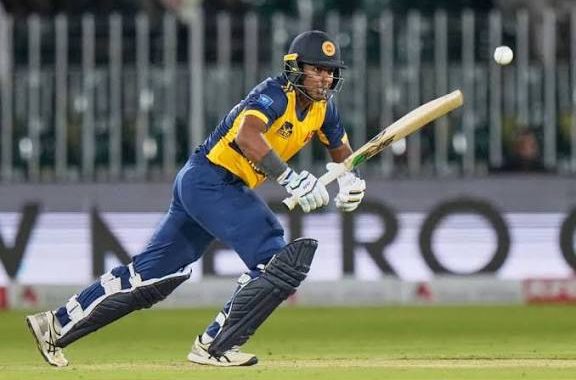
Kusal Mendis steers Sri Lanka to emphatic eight-wicket consolation win in Rawalpindi
Sri Lanka produced a clinical performance under the lights at Rawalpindi Cricket Stadium to claim a consolation victory in the final T20I of their tour of Pakistan. Chasing 169, the visitors reached 172 for 2 in just 17.1 overs, winning by eight wickets with 17 balls to spare. Kusal Mendis led the way with an unbeaten 87 off 48 balls, steering his side home after Pakistan had posted 168 for 8. The result left Pakistan with a 2-1 series win, but Sri Lanka left the ground with heads held high after a night that showcased their potential.
The series had already been decided in Pakistan’s favour after the first two matches. Still, the third game carried meaning for both sides. Pakistan wanted to complete a clean sweep on home soil. Sri Lanka wanted to avoid a whitewash and prove they could compete against a strong home side. Sri Lanka captain Kusal Mendis won the toss and chose to bowl first, a decision that looked wise as the night progressed.
Pakistan’s innings began with promise but soon lost momentum. Sahibzada Farhan, who had been in excellent form throughout the series, opened the batting and immediately looked dangerous. He found the boundary early, mixing crisp drives with powerful pulls. Fakhar Zaman provided early support, striking a six and a four in a brief but aggressive cameo of 12 off 7 balls. The pair put on 34 for the first wicket before Eshan Malinga struck. Fakhar was caught behind, and two balls later Maaz Sadaqat fell for a three-ball duck. Pakistan were 34 for 2 in the fourth over, and the early pressure was back on the home side.
Farhan continued to bat with authority. He reached his fifty off 34 balls and kept finding gaps even as partners came and went. Hasan Nawaz contributed 16 before being caught off the bowling of Vijayakanth Viyaskanth. Khawaja Nafay managed only 3. Mohammad Imran and Abdul Samad both fell cheaply to Dasun Shanaka, who was in the middle of a sharp spell. At 102 for 6 after 13.4 overs, Pakistan looked in danger of falling well short of a competitive total.
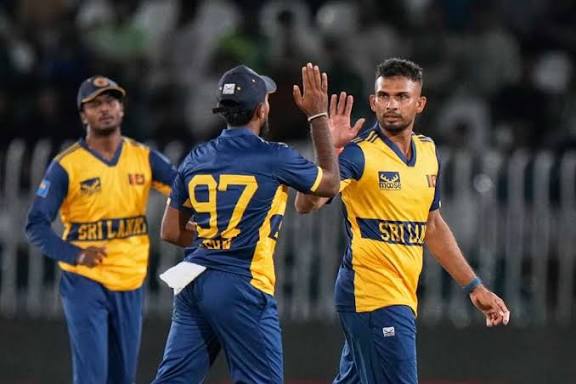
Farhan refused to go quietly. He found a useful partner in Arafat Minhas, who played with freedom and struck two sixes in a quickfire 34 not out off 20 balls. The seventh-wicket stand lifted Pakistan toward respectability. Farhan was finally dismissed in the final over for 76 off 47 balls, caught by Shanaka off Nuwan Thushara. Razaullah fell to the last ball of the innings, leaving Pakistan on 168 for 8. It was a total that looked defendable on a Rawalpindi surface that offered some grip, but it never felt imposing.
Sri Lanka’s bowlers had done their job with discipline. Shanaka finished with outstanding figures of 3 for 21 from his four overs. Thushara and Malinga claimed two wickets each. Viyaskanth’s four overs cost only 23 runs and included the important wicket of Hasan Nawaz. The visitors had restricted Pakistan to a score they believed they could chase, and the dressing room carried quiet confidence as the innings break arrived.
The chase began with a nervous moment. Lahiru Udara was trapped leg before by Mohammad Imran for just 1 in the second over. Sri Lanka did not review the decision, even though replays later suggested the ball might have been missing leg stump. At 15 for 1, the visitors needed a steadying hand. Sineth Jayawardena and Kusal Mendis provided exactly that.
Jayawardena played with positive intent from the start. He struck five fours and two sixes in a lively 38 off 26 balls. The second-wicket partnership with Mendis added 59 runs and took the score past 70. Pakistan’s bowlers struggled to find a consistent line. Salman Mirza was expensive, going for 40 runs in three overs. The required rate never climbed above a manageable level, and Sri Lanka’s middle order began to look comfortable.
Arafat Minhas broke the partnership when Jayawardena was caught by Razaullah for 38. At 74 for 2 after eight overs, Sri Lanka still needed 95 from 12 overs. Enter Kamindu Mendis. The left-hander joined his namesake and immediately looked at ease. The two Mendises batted with calm authority, rotating the strike and punishing anything loose. Kusal was particularly severe on anything short or wide, while Kamindu found the gaps with elegant drives and clever placements.
The third-wicket stand grew rapidly. Fifty runs came up in just 30 balls. Kusal reached his own fifty and then accelerated further. He finished with nine fours and four sixes, striking at 181.25. Kamindu contributed an unbeaten 40 off 27 balls with four boundaries of his own. The pair added an unbroken 98 runs, taking Sri Lanka to victory with plenty of time to spare. The winning runs came when Kusal drove Razaullah through the covers for four in the 18th over. The stadium fell quiet for a moment before the Sri Lankan players celebrated a job well done.
It was a complete performance from the visitors. Their bowlers had restricted a strong Pakistani batting lineup, and their top order had chased with composure and skill. Kusal Mendis was the clear standout. His 87 not out was the highest score of the match and earned him the Player of the Match award. The innings also underlined his importance as both captain and batsman in the shorter format.
For Pakistan, the night offered mixed feelings. They had already secured the series 2-1, and Sahibzada Farhan’s consistent form throughout the three matches earned him the Player of the Series honour. His 76 in the final game took his series aggregate to an impressive total. Yet the batting collapses in the middle overs and the inability of the bowling attack to create sustained pressure in the chase will give the coaching staff points to consider. Arafat Minhas showed promise with both bat and ball, but the supporting cast struggled to match the intensity required on the night.
The victory carried historical significance as well. Sri Lanka became the first side to defeat Pakistan in five consecutive T20Is played in Pakistan. That record will sit proudly in the visitors’ history books, even if the series itself was lost. The manner of the win, with eight wickets and nearly three overs remaining, suggested that Sri Lanka possess the talent to challenge stronger sides when their plans come together.
Rawalpindi Cricket Stadium provided a lively atmosphere under the lights. The crowd had come expecting another home victory, and for large parts of Pakistan’s innings that expectation seemed justified. Once Sri Lanka settled into the chase, however, the energy shifted. The visiting fans in the stands found their voice, and the players responded with controlled aggression. By the time the winning boundary was struck, the result felt inevitable.
Looking back at the series as a whole, Pakistan proved the stronger side across three matches. Their ability to win the key moments in the first two games decided the outcome. Sri Lanka, though, showed improvement as the series progressed. The bowling in the final match was tighter, the fielding sharper, and the batting more assured. Those gains will matter when the teams meet again in future contests.
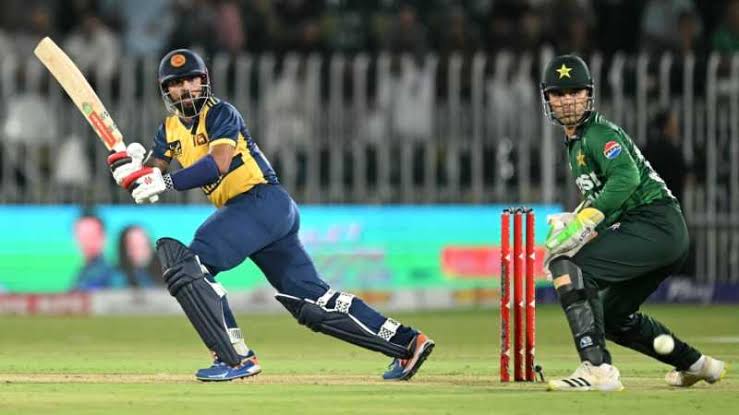
Kusal Mendis spoke after the match about the importance of finishing the tour on a positive note. He praised the contribution of the younger players and noted that the side had learned valuable lessons during their time in Pakistan. For a team still building its identity in T20 cricket, nights like this provide belief and clarity. The eight-wicket margin was emphatic, and the composure shown in the chase will stay with the group.
Pakistan’s captain Sahibzada Farhan acknowledged that his side had not performed at their best on the night. He pointed to the middle-order struggles and the inability to take early wickets in the chase as areas that need attention. At the same time, he expressed satisfaction with the series victory and the individual performances that had made it possible. The home side remains a formidable unit in T20 cricket, especially on familiar pitches.
The third T20I will be remembered for Kusal Mendis’s commanding innings and the clinical way Sri Lanka closed out the match. From the moment the second-wicket partnership stabilised the chase, the visitors never looked likely to lose. Pakistan’s total of 168 had required early wickets and disciplined bowling. Neither arrived in sufficient quantity. Instead, Sri Lanka’s batsmen dictated terms, found the boundary regularly, and finished the job with time to spare.
In the broader context of the tour, the result offered Sri Lanka a measure of redemption. Losing a series 2-1 is never ideal, but leaving with a convincing win in the final match changes the narrative. Players return home knowing they can compete and win against quality opposition. For Pakistan, the series triumph stands, yet the final-night defeat serves as a reminder that no side can afford to switch off, even when the trophy is already secured.
The night in Rawalpindi belonged to Sri Lanka. Their bowlers set the platform, their openers recovered from an early setback, and their middle order finished the task with authority. Kusal Mendis’s unbeaten 87 will be the lasting image of the contest, a captain leading from the front and guiding his team to a memorable victory. With 17 balls remaining and eight wickets in hand, the win was as comprehensive as T20 cricket allows. Pakistan took the series, but Sri Lanka took the final night, and that memory will travel with them long after the tour ends.
