

Sunderland Begin with Purpose Despite an Early Setback
The match began with Sunderland looking determined to make their home advantage count. Rather than sitting deep and allowing Chelsea to dictate the tempo, the hosts attempted to put pressure on their opponents from the opening minutes.
Sunderland’s attacking approach was particularly noticeable through Chemsdine Talbi, who returned to the starting side and immediately made an impression. His movement on the left flank caused problems for Chelsea’s defensive structure, while his ability to deliver dangerous crosses gave Brian Brobbey opportunities to threaten the visitors’ goal.
However, Sunderland suffered an unexpected setback just three minutes into the contest. Captain Granit Xhaka picked up an injury and was forced to leave the field. Losing an experienced leader so early could easily have disrupted the home side’s rhythm, especially against a team with Chelsea’s technical quality.
Jules Ahoka came on as his replacement, and Sunderland responded positively. Instead of allowing the injury to affect their concentration, the players maintained their intensity and continued to compete for every ball.
The early exchanges suggested that Sunderland were not interested in simply defending for a point. They wanted to challenge Chelsea, move forward whenever possible and make the most of the opportunities created by their attacking players.
Chelsea, on the other hand, appeared uncomfortable with Sunderland’s aggressive approach. Their midfield struggled to establish control, and the home side frequently won important physical battles.
Brian Brobbey Creates Problems for Chelsea’s Defence
One of the biggest reasons behind Sunderland’s success was the outstanding contribution of Brian Brobbey. The striker delivered an energetic performance, using his strength, movement and determination to trouble Chelsea’s central defenders throughout the first half.
Brobbey was involved in several promising attacking situations, and his physical presence made life difficult for Wesley Fofana and Levi Colwill.
Sunderland created an excellent opportunity in the 14th minute when Talbi delivered a dangerous cross from the left. Brobbey was in a good position to make contact, but his close-range effort went wide. It was an important warning for Chelsea, who were already struggling to deal with the striker’s movement.
The Dutch forward continued to look dangerous. His ability to hold up the ball allowed Sunderland to bring additional players into attacking positions, while his strength helped the home side turn defensive situations into promising counterattacks.
Around the 28th minute, Brobbey produced another impressive moment. He carried the ball forward and attempted to get beyond Fofana, but the Chelsea defender managed to guide him away from a dangerous shooting position. Brobbey eventually sent his effort off target.
Although those opportunities did not produce a goal, they demonstrated Sunderland’s growing confidence.
Chelsea needed to find a solution quickly. Their defenders were being tested physically, and the midfield was not providing enough protection or control to prevent Sunderland from launching attacks.
Brobbey’s performance was particularly important because he offered Sunderland something that Chelsea struggled to contain: a direct attacking outlet who could compete physically and create opportunities even when the team was under pressure.
Chelsea’s Penalty Appeal Adds to the Tension
The first half also featured a controversial moment involving Chelsea’s attacking midfielder Cole Palmer.
Around the 24th minute, Palmer moved into a dangerous position and went down following challenges involving Luke O’Nien and Jules Ahoka. Chelsea players appealed for a penalty, believing that the contact deserved a spot-kick.
The referee did not award one, and VAR reviewed the incident. The decision was that the contact occurred outside the penalty area, meaning Chelsea were not awarded a penalty.
It was a significant moment because the visitors were looking for a breakthrough and believed they had been denied an opportunity to take control of the match.
The incident generated frustration among Chelsea’s players and supporters, but Sunderland quickly returned their attention to the game.
There was little time for Chelsea to settle after the decision. Sunderland continued to press, and the home side soon created another opportunity.
Marco Palestra delivered a promising cross into the penalty area, where Morgan Rogers rose to meet the ball. His header, however, went wide of the target.
Chelsea had finally produced a dangerous attacking moment, but they were unable to convert it.
The match was becoming increasingly competitive, with both sides recognising that the opening goal could have a major influence on the final result.
Enzo Le Fée Gives Sunderland the Lead
36th minute: Sunderland 1–0 Chelsea
The decisive moment arrived in the 36th minute, when Sunderland were awarded a penalty following an important contribution from Brobbey.
The striker once again used his physical strength to challenge Chelsea’s defence. He managed to get beyond Levi Colwill inside the penalty area, and the defender brought him down as the two players competed for possession.
The referee pointed to the spot, giving Sunderland an excellent opportunity to take the lead.
Enzo Le Fée stepped forward with the responsibility of converting the penalty. It was a crucial moment for the midfielder, who needed to remain composed despite the pressure of playing in an important Premier League encounter.
Le Fée approached the ball confidently and sent goalkeeper Mike Penders the wrong way.
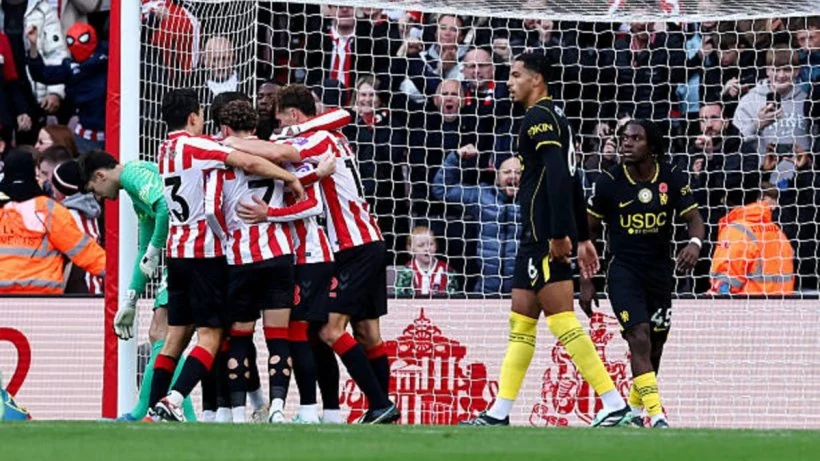
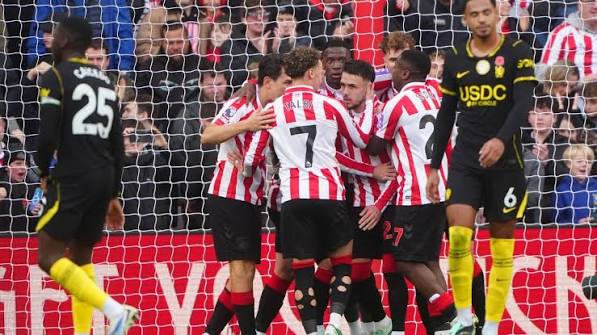
The ball found the back of the net, and the Stadium of Light had its breakthrough.
Sunderland were ahead 1–0, and the celebrations reflected the importance of the goal.
For the home supporters, it was a moment of enormous excitement. Their team had worked hard, created opportunities and finally received the reward for its attacking determination.
For Chelsea, the goal was a serious disappointment. They had already struggled to control the opening stages, and now they were required to find a way back into the contest.
Le Fée’s contribution was particularly valuable because the goal came at a stage when Sunderland needed to turn their positive performance into something tangible.
The midfielder’s calm penalty execution gave his team a deserved advantage heading towards half-time.
Sunderland Take Control Before the Break
After scoring, Sunderland continued to demonstrate their determination. They did not completely abandon their attacking intentions, but they also understood the importance of protecting their advantage.
Chelsea attempted to respond, although their attacking movements lacked the sharpness required to trouble the home defence consistently.
Sunderland’s defensive players remained organised, closing down spaces and preventing Chelsea from creating clear opportunities through the middle.
The home side’s midfield also worked hard to restrict the visitors’ passing options. Every challenge and interception became important as Sunderland attempted to reach half-time without conceding.
Chelsea were fortunate that Sunderland did not increase their advantage before the interval, but they were also unable to produce a meaningful response.
The first half ended with Sunderland leading 1–0, and the scoreline reflected the home side’s greater attacking purpose and physical commitment.
Chelsea Make Changes but Sunderland Remain Organised
Chelsea manager Xabi Alonso recognised that his team needed a different approach after the break.
Levi Colwill was replaced by Estevao Willian at half-time, with the visitors looking to introduce additional attacking creativity. The tactical adjustment also resulted in Moises Caicedo moving into a deeper defensive position.
Chelsea needed more movement in the final third, quicker combinations and greater urgency when approaching Sunderland’s penalty area.
The visitors enjoyed more possession during the second half, but controlling the ball was not enough to create genuine danger.
Sunderland continued to defend with discipline. Their players remained compact, limited the spaces between defensive and midfield lines, and forced Chelsea to search for opportunities from wider positions.
The home supporters played their part as well. Every successful tackle, interception and clearance was greeted with encouragement, helping Sunderland maintain their energy during a demanding period of the contest.
Chelsea tried to increase the tempo, but Sunderland refused to lose their defensive shape.
In the 61st minute, Morgan Rogers attempted to release Estevao with a forward pass. Thomas Meunier responded with an important defensive challenge, preventing Chelsea from developing the move into a clear opportunity.
It was another example of Sunderland’s commitment to defending as a collective unit.
Chelsea Search for an Equaliser
As the second half progressed, Chelsea made further changes in an attempt to improve their attacking performance.
Danny Welbeck and Malo Gusto entered the match around the 62nd minute, replacing Pedro Neto and Marco Palestra.
The introduction of additional attacking options was intended to create more movement and provide Chelsea with fresh energy.
However, Sunderland continued to make life difficult for the visitors.
The Chelsea midfield struggled to deliver the kind of incisive passes that could open up the home defence. Their possession frequently ended with sideways passing or attempts to move the ball into crowded areas.
Palmer, who is usually capable of influencing matches through his creativity, found it difficult to make a decisive impact.
Sunderland were particularly effective at limiting the spaces available to Chelsea’s attacking players. Their defenders remained alert, while the midfielders worked hard to prevent the visitors from building momentum.
Chelsea needed individual quality to change the situation, but Sunderland were determined not to give their opponents the time and space required.
Wilson Isidor Comes Close to Doubling Sunderland’s Advantage
While Chelsea were searching desperately for an equaliser, Sunderland continued to look dangerous whenever they managed to move forward.
In the 67th minute, Wilson Isidor replaced Brobbey, who had completed an impressive shift in attack. Brobbey deserved considerable credit for his contribution, particularly his role in winning the penalty that eventually decided the contest.
Isidor brought fresh energy to the Sunderland attack and immediately gave Chelsea’s defenders another problem to consider.
The substitute nearly made an important contribution in the 77th minute.
A loose ball fell kindly for Isidor, who found himself in a promising position inside the penalty area. He struck powerfully towards goal, but Chelsea goalkeeper Mike Penders reacted brilliantly to make an important save.
It was an excellent opportunity for Sunderland to make the score 2–0.
Although Isidor was unable to convert, his effort demonstrated that Sunderland were still capable of creating dangerous situations despite spending significant periods defending their lead.
Penders deserved credit for keeping Chelsea’s hopes alive. Without his intervention, the visitors could have faced an even more difficult final period.
However, Chelsea needed to do much more at the opposite end of the pitch.
Geovany Quenda Offers a Late Threat
Chelsea introduced Geovany Quenda in the 79th minute, replacing Pep Chavarria.
The substitution was another attempt to inject attacking energy into a performance that had lacked creativity.
Quenda made an immediate effort to influence the match. Around the 81st minute, he produced a left-footed attempt that travelled narrowly wide of the far post.
It was one of Chelsea’s more promising moments in the second half, but the effort failed to find the target.
Sunderland remained focused and continued to protect their advantage.
The home side also made changes of their own, with Nilson Angulo and Chris Rigg entering the game around the 88th minute. Their introduction provided additional energy as Sunderland approached the closing stages.
Enzo Le Fée, the goalscorer, was among those replaced, having completed his important contribution to the match.
Chelsea continued pushing forward, but their attacks lacked the quality needed to break through the Sunderland defence.
The visitors had possession and territory, yet Sunderland were comfortable defending their penalty area and dealing with crosses.
Stoppage-Time Pressure Fails to Produce a Goal
The final minutes brought nervous moments for Sunderland supporters.
Chelsea knew that their remaining opportunities were disappearing, and they attempted to place greater pressure on the home defence.
Estevao delivered a dangerous free-kick into the penalty area during stoppage time, giving Chelsea one final opportunity to create an equaliser.
Danny Welbeck rose to meet the delivery with a header, but his effort went over the crossbar.
It was a disappointing finish for the visitors, who had hoped that the experienced forward could produce a decisive moment.
The opportunity represented Chelsea’s last major chance to rescue something from the match.
Sunderland continued to defend with determination, refusing to allow the opposition another clear opportunity.
The referee eventually brought the contest to an end.
The scoreboard confirmed Sunderland’s 1–0 victory, and the Stadium of Light erupted in celebration.
It was a result achieved through hard work, discipline and a willingness to fight for every opportunity.
Regis Le Bris Deserves Credit for Sunderland’s Performance
Sunderland manager Regis Le Bris deserves significant recognition for the way his team approached the encounter.
His players entered the match knowing that Chelsea possessed greater individual quality and considerable attacking options. However, Sunderland did not allow those factors to influence their confidence.
They played with intensity, challenged Chelsea physically and took advantage of the opportunities that came their way.
The early injury to Granit Xhaka could have unsettled the team, but Sunderland managed the situation effectively.
Their attacking players continued to create problems, particularly Brobbey and Talbi, while Le Fée delivered the decisive moment from the penalty spot.
Most importantly, Sunderland showed excellent defensive organisation after taking the lead.
Le Bris also received an important response from his substitutes, who helped maintain the team’s energy during the second half.
Speaking after the match, the Sunderland manager praised the connection between his players and supporters, highlighting how the atmosphere at the Stadium of Light helped generate energy throughout the performance. Sky Sports+1
The victory was particularly meaningful because Sunderland had been experiencing a difficult period in the league.
Their previous results had created pressure, and the team needed a performance capable of restoring confidence.
Beating Chelsea provided exactly that opportunity.
Xabi Alonso Faces Questions After Chelsea’s Disappointing Display
For Chelsea manager Xabi Alonso, the defeat represented another frustrating afternoon.
Chelsea entered the match with expectations of collecting three points, but their performance never reached the required level.
Their biggest problem was the inability to convert possession into dangerous attacking situations.
Although they moved the ball around frequently, Sunderland’s defensive organisation prevented them from finding meaningful spaces.
The visitors also struggled in physical battles, particularly during the opening half.
Brobbey’s performance exposed weaknesses in Chelsea’s defensive approach, and Colwill’s involvement in the penalty incident became a major turning point.
Alonso attempted to change the situation through substitutions, but the adjustments failed to produce the desired result.
Chelsea also needed more creativity from their attacking players.
Palmer was unable to influence the contest as expected, while the other forwards struggled to create clear scoring opportunities.
The defeat was especially disappointing because Chelsea had enough individual quality to make the match considerably more competitive.
Alonso acknowledged after the match that his team had not produced enough to deserve victory. He also expressed dissatisfaction with the defending that led to Sunderland’s penalty. Sky Sports+1
For a club with Chelsea’s ambitions, such performances cannot become a regular occurrence.
The manager will expect a stronger response when the team returns to Premier League action.
A Massive Result in the Premier League Table
The three points were extremely valuable for Sunderland.
The victory moved the Black Cats away from the bottom of the Premier League table and provided an important boost after a difficult run of results.
It was also their first Premier League victory since August, making the result even more significant.
The win eased some of the pressure surrounding Le Bris and gave Sunderland supporters renewed belief in the team’s ability to compete at this level.
Chelsea, meanwhile, suffered a setback in their pursuit of a top-four position.
The defeat saw them drop to fifth place, highlighting the importance of consistency during a competitive Premier League campaign.
While there is still plenty of football remaining, dropping points against teams fighting near the bottom of the table can prove costly.
Chelsea will need to improve their attacking efficiency and defensive concentration if they want to remain competitive in the race for European qualification.
Sunderland, on the other hand, can use this result as a foundation for future performances.
Player Performances: The Standout Contributors
Several Sunderland players deserve recognition for their contribution to this important victory.
Brian Brobbey was arguably the most influential attacking player. His physical strength troubled Chelsea’s defence, and his ability to win the penalty proved decisive.
Enzo Le Fée delivered the match-winning contribution with a composed penalty. His goal demonstrated the importance of maintaining concentration during high-pressure situations.
Chemsdine Talbi also impressed with his movement and crossing ability. He provided an attacking outlet on the left and helped Sunderland create opportunities during the opening period.
Thomas Meunier made an important defensive contribution, particularly with his challenge on Estevao in the second half.
Goalkeeper Robin Roefs also deserves credit for maintaining concentration and providing security behind the defensive line.
For Chelsea, Mike Penders produced an excellent save to deny Isidor and prevent Sunderland from extending their advantage.
Morgan Rogers showed some promising attacking involvement, but Chelsea needed greater contributions from their forward players.
Palmer, meanwhile, struggled to influence the contest despite being involved in the controversial first-half penalty appeal.
Sunderland’s 1–0 victory over Chelsea was an excellent example of how determination, organisation and teamwork can overcome individual quality.
The Black Cats did not need to dominate every aspect of the match. Instead, they focused on playing with purpose, winning important battles and taking advantage of their biggest opportunity.
Brobbey’s contribution, Le Fée’s composed penalty and the defensive determination shown by the entire Sunderland team made the difference.
Chelsea will look back at this match with considerable disappointment. They had opportunities to perform better but failed to demonstrate the attacking sharpness required to break down a well-organised opponent.
For Sunderland, however, the afternoon represented something much more positive.
The players gave their supporters a performance filled with commitment and passion. They overcame an early injury setback, maintained their concentration and defended their advantage until the final whistle.
Moving away from the bottom of the table was an important achievement, but perhaps the biggest benefit of this victory was the confidence it could restore within the squad.
The Premier League is a competition where momentum can change quickly. A single victory can provide the belief required to approach the next challenge with greater determination.
Sunderland will hope that this result marks the beginning of a more successful period in their campaign.
Chelsea, meanwhile, must learn from their mistakes and return with a stronger performance after the international break.
Ultimately, the Stadium of Light witnessed a memorable afternoon for the home supporters. Sunderland earned their victory through effort, courage and discipline, while Chelsea were left to reflect on a disappointing performance.
The final score remained Sunderland 1, Chelsea 0, but the importance of the result extended far beyond those three numbers.
For the Black Cats, it was a victory built on belief. For Chelsea, it was a reminder that reputation and possession alone are never enough to win Premier League football matches.
