Ireland vs Zimbabwe Abandoned Without a Ball Bowled in Group Stage Crunch at the 2026 T20 World Cup
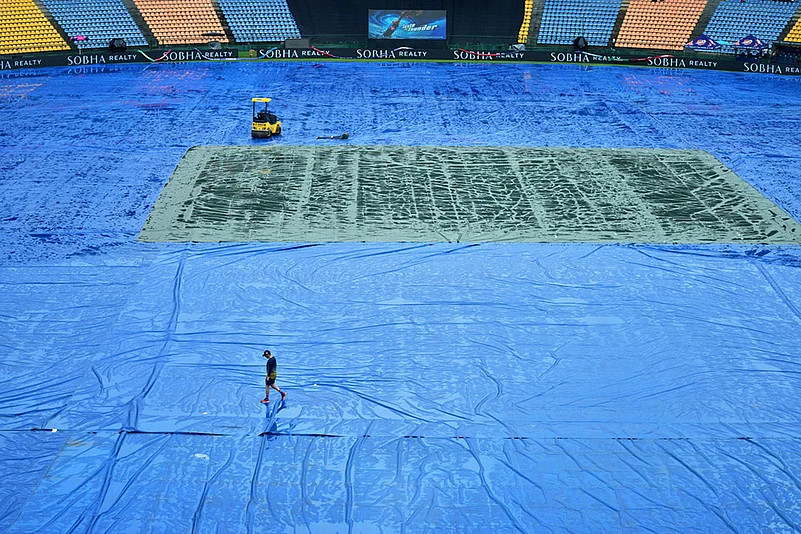
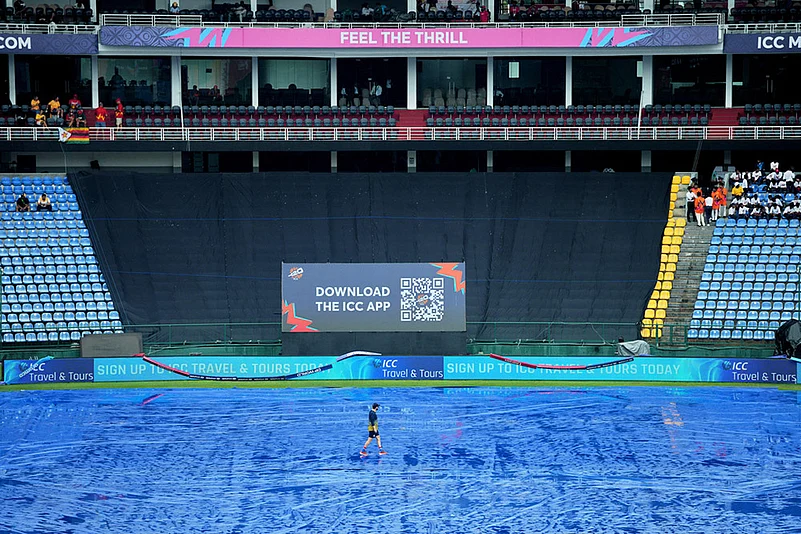
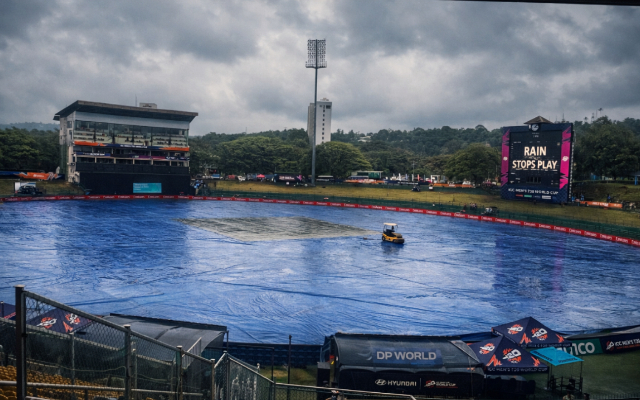
Persistent rain in Kandy turned what was billed as a high-stakes do-or-die clash into a frustrating non-event on February 17, 2026, as the 32nd match of the ICC Men’s T20 World Cup 2026 between Ireland and Zimbabwe was abandoned without a single ball bowled. Scheduled as a day-night fixture at the Pallekele International Cricket Stadium, the Group B encounter carried massive implications: Zimbabwe needed just one point to secure their place in the Super Eights, while Ireland required a win to keep their slim qualification hopes alive and potentially drag former champions Australia back into contention on net run rate (NRR). With covers firmly in place from the outset and no respite in sight, umpires called off the game after repeated inspections, awarding one point each to both teams. The result propelled Zimbabwe into the Super Eights for the first time in their T20 World Cup history, while Ireland and Australia were eliminated in heartbreaking fashion.
The 2026 tournament, co-hosted by India and Sri Lanka, featured an expanded 20-team format with four groups of five in the league stage. The top two from each advanced to Super Eights pools of four, where points carried over and NRR became decisive. Group B was a cauldron of drama: co-hosts Sri Lanka had already qualified unbeaten with six points, while Zimbabwe (four points from wins over Oman and a stunning upset over Australia), Ireland (two points), and Australia (three points) fought for the remaining spot. Zimbabwe’s earlier victories had positioned them perfectly—a draw or no-result would suffice, given their superior NRR compared to Ireland and Australia. Ireland, led by Paul Stirling, needed a comprehensive win to overhaul the gap, while Australia’s fate hinged on Ireland prevailing by a significant margin.
Pallekele, known for its spin-friendly pitches and evening dew, has a reputation for weather interruptions during Sri Lanka’s transitional February monsoon period. Forecasts had predicted showers from midday, with 70-90% chance of rain around the 3:00 PM local start. Despite optimism from organizers—no reserve days exist for group-stage matches beyond semis and final—the heavens opened early. Persistent downpours soaked the outfield, rendering any play impossible. Pakistan captain Salman Agha and his Zimbabwe counterpart Sikandar Raza met with officials multiple times, but by the revised cut-off (around 7:00 PM local for a five-over contest), conditions hadn’t improved. The match was officially abandoned without a toss, marking the second rain-ruined fixture in the tournament (following a similar no-result in earlier rounds).
The immediate fallout was seismic. Zimbabwe secured their Super Eights berth with five points, joining Sri Lanka from Group B and advancing to Group 1 alongside India, South Africa, and West Indies. Their campaign—upsets over Australia and Oman, plus this fortuitous point—marked a remarkable turnaround for the Chevrons, who had struggled in previous editions. Sikandar Raza, in a post-match interview, expressed mixed emotions: “We wanted to play and win it on the field, but rain gave us the point we needed. It’s bittersweet—no cricket today, but we’re in the Super Eights. Credit to the boys for the earlier wins that put us here.” The team celebrated modestly in the dressing room, aware the weather had played the decisive role.
For Ireland, the abandonment was devastating. Stirling’s side had fought valiantly throughout—narrow losses to stronger teams and a win over a qualifier—but the rain denied them a chance to force a result. Paul Stirling later said: “Cricket’s a cruel game sometimes. We prepared for a must-win, but Mother Nature had other plans. Proud of the effort this tournament— we’ll come back stronger.” The loss of a potential two points eliminated them, as their NRR couldn’t compete even with a win scenario. Australia, watching from afar, suffered the collateral damage: their slim hopes of sneaking through on NRR evaporated. Former champions Australia, who had endured an inconsistent campaign with losses to Zimbabwe and others, bowed out early for the first time since the format’s inception—a major shock.
The broader implications rippled through Group B and the tournament. Zimbabwe’s qualification completed the Super Eights lineup: Group 1 (India, South Africa, West Indies, Zimbabwe) and Group 2 (England, Pakistan, New Zealand, Sri Lanka). Their Super Eights opener against India in Chennai on February 26 now loomed large, with the Chevrons carrying momentum and belief. Ireland’s exit highlighted the fine margins in expanded tournaments—weather, NRR, and upsets can decide fates. Australia’s elimination sparked debates on full-member preparation and the growing competitiveness of associates like Zimbabwe.
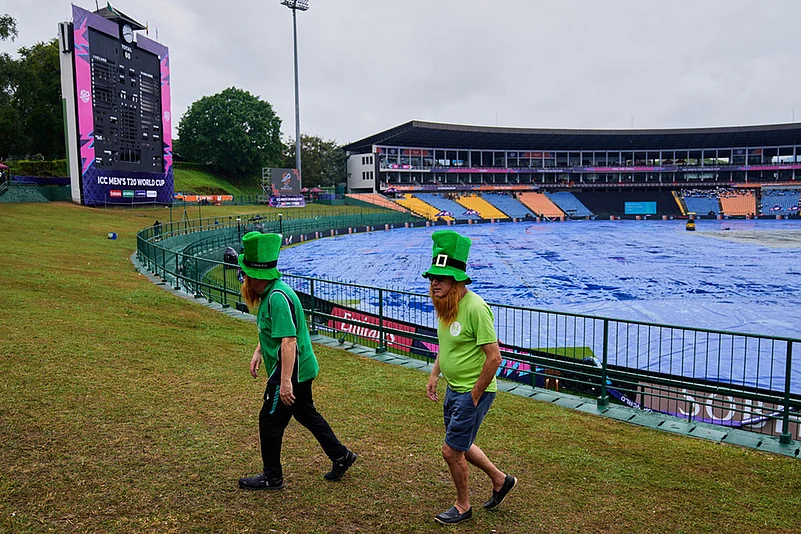
Rain interruptions have plagued Sri Lanka-hosted matches in this World Cup, with multiple games affected by the transitional weather. Pallekele and Premadasa have seen delays and abandonments, contrasting drier Indian venues. This no-result joined others (like New Zealand vs Pakistan in Super Eights opener), underscoring calls for more flexible scheduling or reserve days in future expansions. Under ICC rules, abandoned matches award one point each with no NRR adjustment, a fair but frustrating outcome when stakes are high.
Pre-match hype had centered on potential fireworks: Ireland’s aggressive batting (Andy Balbirnie, Lorcan Tucker) against Zimbabwe’s spin-heavy attack (Wellington Masakadza, Ryan Burl), and Zimbabwe’s counter-punchers (Brian Bennett, Sikandar Raza) facing Ireland’s seamers (Mark Adair, Barry McCarthy). The toss could have been crucial—dew often favors chases at Pallekele. Instead, players waited in dressing rooms, groundstaff battled futilely, and fans endured long delays before the inevitable call-off.
This washout encapsulated T20 cricket’s unpredictability: skill meets fortune, preparation meets nature. Zimbabwe’s qualification via rain was poetic justice after their earlier heroics, but it left Ireland and Australia ruing what-ifs. As the Super Eights progressed—Zimbabwe facing India in a blockbuster—this abandoned clash stood as a quirky yet pivotal chapter in a tournament defined by drama, upsets, and the occasional cruel twist from the skies.
In the annals of T20 World Cups, few matches are remembered for what didn’t happen, but this one will endure: the day rain handed Zimbabwe a ticket to the Super Eights, ended Ireland’s campaign, and knocked out a former champion without a contest. Cricket, ever the great equalizer, reminded all that sometimes, the elements decide.