
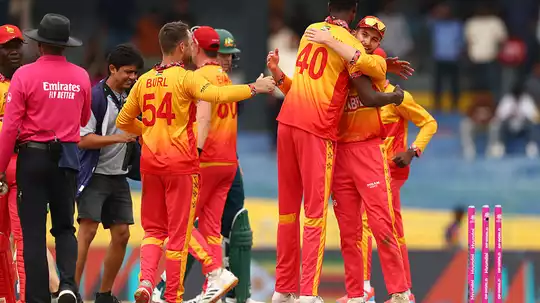
Zimbabwe vs South Africa – Match 51, Super Eights ICC Men’s T20 World Cup 2026 | 1 March 2026 | Delhi
The Super Eights stage of the ICC Men’s T20 World Cup often delivers games packed with tension, and the contest between Zimbabwe and South Africa on March 1, 2026, was no exception. What appeared, on paper, to be a mismatch between a tournament favorite and a spirited underdog evolved into a compelling evening of cricket. In the end, South Africa held their nerve to secure a five-wicket victory with 13 balls to spare, but Zimbabwe’s determined performance ensured that the Proteas had to work hard for every run.
A Charged Atmosphere in Delhi
The match unfolded at the Arun Jaitley Stadium in Delhi, a venue known for its lively crowds and batting-friendly conditions. From the outset, the atmosphere suggested that spectators were in for an entertaining contest. Zimbabwe, aware that they needed something special against a strong South African side, approached the game with visible intent.
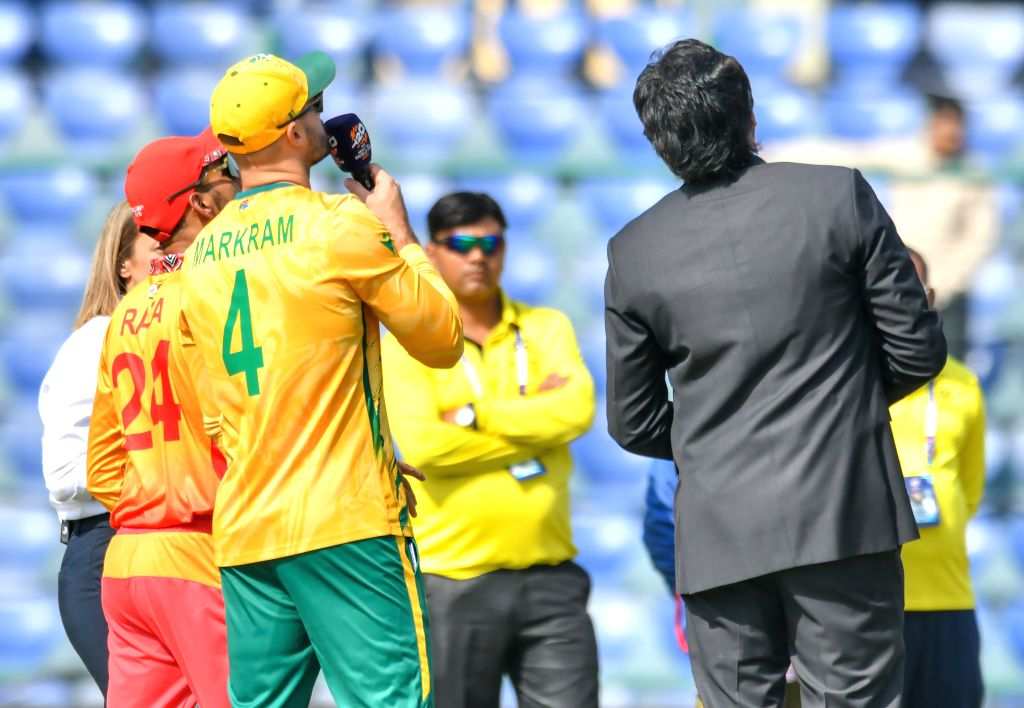
South Africa won the toss and elected to field, a decision shaped partly by the evening dew and partly by the confidence in their deep batting lineup to chase under pressure. Zimbabwe, meanwhile, welcomed the opportunity to set a target and put scoreboard pressure on their opponents.
Zimbabwe’s Innings: Raza Leads from the Front
Zimbabwe’s innings began cautiously but purposefully. The opening pair focused on seeing off the new ball, aware that South Africa’s pace attack could prove dangerous in the early overs. While boundaries were not frequent initially, the batters rotated strike effectively and kept the scoreboard ticking.
South Africa’s bowlers soon began to tighten their lines. The disciplined approach paid dividends when the first breakthrough arrived during the powerplay. Zimbabwe lost an early wicket, forcing the middle order to step up sooner than expected.
Enter Sikandar Raza.
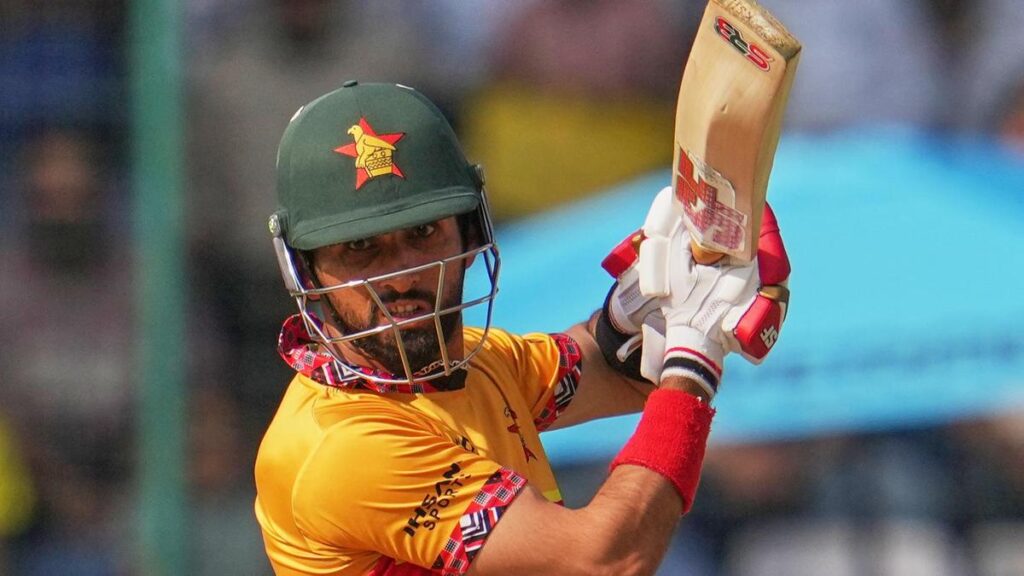
Raza, Zimbabwe’s talismanic all-rounder, once again demonstrated why he remains the heartbeat of the team. Walking in under moderate pressure, he immediately brought composure to the crease. His approach was calculated—punishing loose deliveries while maintaining steady rotation of strike.
As the innings progressed, Raza began to dominate. His strokeplay blended elegance with power: crisp drives through cover, clever flicks to the leg side, and occasional aggressive hits that cleared the infield.
While wickets continued to fall around him, Raza held the innings together almost single-handedly. Zimbabwe’s middle order attempted to accelerate in the latter half, but South Africa’s bowlers consistently struck at key moments.
South Africa’s Bowling Discipline
South Africa’s bowling performance was a mixture of discipline and timely aggression. Their pace attack maintained tight lengths, ensuring Zimbabwe could not build unstoppable momentum.
Kwena Maphaka was particularly effective. The young left-arm pacer delivered a spell that combined pace, accuracy, and clever variations. His ability to break partnerships prevented Zimbabwe from launching a full-scale late assault.
Support from the rest of the bowling unit kept things under control. The Proteas fielders were also sharp in the field, cutting off boundaries and maintaining pressure in the middle overs.
Despite these efforts, Zimbabwe still managed to post a competitive total of 153 for 7 in their 20 overs—thanks largely to Raza’s outstanding innings of 73 from 43 balls. It was an innings filled with authority and leadership, ensuring Zimbabwe had something to defend.
The Chase Begins
Chasing 154 in T20 cricket is rarely straightforward, even for strong teams. South Africa’s batting lineup, however, has often thrived in pursuit of targets.
Yet the chase did not begin entirely smoothly.
Zimbabwe’s bowlers came out with impressive energy. Their new-ball attack extracted movement early and kept South Africa’s openers from settling quickly. The pressure eventually paid off when Zimbabwe struck their first wicket, igniting hopes of a potential upset.
The early breakthrough energized Zimbabwe’s fielders, who celebrated with visible intensity. Suddenly, the match felt finely balanced.
Zimbabwe’s Fightback with the Ball
Sikandar Raza was not done influencing the match. After his heroics with the bat, he delivered an equally impactful performance with the ball.
Introduced into the attack during the middle overs, Raza bowled with precision and intelligence. His off-spin troubled South Africa’s batters, particularly those attempting to accelerate.
Within a short span, Raza claimed crucial wickets, disrupting South Africa’s rhythm. His spell briefly tilted the contest back in Zimbabwe’s favor and reignited belief among the players.
For a moment, the Proteas looked unsettled. Zimbabwe sensed an opportunity and tightened their field placements, forcing South Africa to search for boundaries.
Dewald Brevis Changes the Momentum
Just when Zimbabwe appeared to have the upper hand, Dewald Brevis stepped forward.
Known for his fearless batting style, Brevis played an innings that dramatically altered the course of the chase. From the moment he arrived at the crease, his intent was unmistakable.
Brevis attacked with confidence. Short balls were dispatched over mid-wicket, while fuller deliveries disappeared through the covers. His aggressive approach disrupted Zimbabwe’s bowling plans and shifted the pressure back onto the fielding side.
What made Brevis’s innings particularly impressive was its timing. South Africa needed momentum, and he delivered it at precisely the right moment.
His quickfire 42 off just 18 balls transformed the equation. The required run rate dropped rapidly, and South Africa regained control of the chase.
Zimbabwe Refuses to Fade
Even as Brevis unleashed his attacking strokes, Zimbabwe refused to concede the contest easily.
Their bowlers continued to probe for wickets, understanding that one breakthrough could reopen the match. Raza’s spell remained threatening, while the pace bowlers mixed their deliveries cleverly.
A couple of late wickets ensured that South Africa could not relax entirely. The tension in the stadium lingered as the chase approached its final stages.
South Africa Finish the Job
Ultimately, South Africa’s depth in batting proved decisive. Despite Zimbabwe’s persistent efforts, the Proteas steadily edged closer to the target.
With a blend of calculated aggression and calm shot selection, they crossed the finish line in the 18th over. The winning runs sparked relief and celebration among the South African players.
While the margin—five wickets with 13 balls remaining—suggested a comfortable victory, the match itself had been far more competitive than the numbers alone might indicate.
Key Performances
The contest produced several standout individual efforts.
Sikandar Raza emerged as the undisputed star for Zimbabwe. His brilliant 73 with the bat anchored the innings and gave his team a fighting chance. Adding three wickets with the ball further highlighted his all-round brilliance.
For South Africa, Dewald Brevis delivered the defining moment of the chase. His explosive innings injected urgency and confidence when the team needed it most.
Kwena Maphaka’s disciplined bowling also played a crucial role in restricting Zimbabwe to a manageable total.
Tactical Takeaways
From a tactical perspective, the match offered several insights.
Zimbabwe’s strategy revolved around building partnerships around Raza while aiming to squeeze South Africa with spin during the middle overs. For long periods, that plan worked effectively.
South Africa, meanwhile, relied on depth—both in their bowling attack and batting lineup. Their ability to recover from brief setbacks ultimately made the difference.
The game also highlighted the importance of momentum shifts in T20 cricket. A few overs of aggressive batting from Brevis were enough to change the entire complexion of the chase.
Zimbabwe’s Encouraging Signs
Despite the loss, Zimbabwe can draw several positives from the performance.
Competing strongly against one of the tournament’s stronger teams demonstrates the growing confidence within the squad. Their bowlers showed discipline, and their fielding remained energetic throughout the match.
Most importantly, the leadership and consistency of Sikandar Raza continue to inspire the team.
If Zimbabwe can build stronger partnerships and convert promising positions into bigger totals, they could become an even more dangerous side in future tournaments.
South Africa’s Continued Momentum
For South Africa, the victory strengthened their position in the Super Eights stage. While the team did not dominate the match from start to finish, their ability to adapt and recover under pressure is a valuable trait in tournament cricket.
The performance also highlighted the depth of their squad. Contributions came from multiple players, and the team displayed resilience when faced with challenging moments.
The Bigger Picture
As the tournament progresses toward its knockout stages, matches like this serve as reminders that no opponent can be taken lightly. Zimbabwe pushed South Africa harder than many might have expected, and the contest remained competitive for most of the evening.
For fans, it was an entertaining spectacle—an example of T20 cricket’s unpredictability and drama.
South Africa ultimately secured the win, but Zimbabwe left the field with their heads held high after a spirited display.

Conclusion
Cricket often produces matches where the scoreboard tells only part of the story. This encounter between Zimbabwe and South Africa was one such example.
Zimbabwe, inspired by a magnificent all-round performance from Sikandar Raza, fought with determination and skill. South Africa, however, demonstrated composure and depth, with Dewald Brevis providing the decisive spark during the chase.
In the end, the Proteas advanced with a valuable victory, while Zimbabwe earned respect for their spirited challenge.
And for those watching in Delhi and around the world, the match delivered exactly what fans hope for in a World Cup: drama, skill, and a contest that remained alive until the closing moments.
