
Curaçao 0-2 Côte d’Ivoire: Elephants Trump Blue Wave in Philadelphia as History is Made
Philadelphia, June 26, 2026 – The sun was beating down on Lincoln Financial Field, the kind of humid East Coast heat that makes every sprint feel like a marathon. For Curaçao, this was their World Cup dream in the flesh – a tiny Caribbean nation punching way above its weight on the biggest stage. For Côte d’Ivoire, it was do-or-die: win or go home, with history on the line. In the end, it was the Elephants who roared, thanks to a Nicolas Pépé masterclass, securing a 2-0 victory that propelled them into the knockout stages for the first time in their nation’s proud footballing history.
I was there in the press box, notebook in hand, watching fans from both sides create a mosaic of colors – orange and blue for the Dutch-Caribbean underdogs, orange and green for the Ivorian faithful who had traveled in numbers. The atmosphere was electric, even if the result followed the script most expected. But football at a World Cup is never just about the scoreline. It’s about stories, heart, and moments that linger long after the final whistle.
The Preview: Underdogs, Expectations, and High Stakes
Leading into this Group E clash on June 25 (local time), the narrative was clear. Curaçao, the smallest nation ever to qualify for the World Cup, had already written their fairytale chapter. They’d earned a hard-fought point against Ecuador in a goalless draw, showing resilience and organization that belied their underdog status. Coach Patrick Kluivert – yes, that Patrick Kluivert, the Dutch legend – had them playing with structure, discipline, and no small amount of pride.
Their squad was a mix of homegrown talent and players plying their trade in Europe and the Netherlands. Goalkeeper Eloy Room, a veteran stalwart, had been heroic in previous matches. Defenders like Sherel Floranus and Armando Obispo provided a solid backline, while midfielders Leandro Bacuna and Jurgen Locadia offered experience and bite. Up front, the likes of Rangelo Janga and Brandley Kuwas were tasked with creating magic on the counter. Curaçao knew they were facing a mountain, but after drawing with Ecuador, belief was bubbling. A win here could have them dreaming of the round of 32 as one of the best third-placed teams.
On the other side, Côte d’Ivoire arrived with genuine pedigree. Fresh off strong qualifying and boasting talents scattered across Europe’s top leagues, they were expected to challenge Germany and Ecuador for progression. Coach Emerse Faé had built a balanced side: solid at the back with players like Odilon Kossounou and Ghislain Konan, dynamic in midfield with Franck Kessié and Ibrahim Sangaré, and lethal up top with the flair of Amad Diallo, Yan Diomande, and the evergreen Nicolas Pépé.
Pépé, in particular, was the talking point. The former Arsenal winger, now at Villarreal, had rolled back the years with sharp form. At 31, he wasn’t the raw explosive force of his Arsenal days, but his intelligence, finishing, and big-game temperament made him the go-to man. Ivory Coast had started the group with a narrow 1-0 win over Ecuador thanks to a late winner, but a loss to Germany left them needing at least a point – preferably all three – against Curaçao to guarantee advancement.
Tactically, it promised fireworks. Curaçao would likely sit deep, absorb pressure, and hit on the break, relying on Room’s shot-stopping. Ivory Coast, with superior technical quality and athleticism, would dominate possession, probe with width, and look to exploit transitions. The heat in Philadelphia was a factor too – 63% chance of performance-impairing conditions according to some models – but both teams were used to tough environments.
Pre-match buzz in the media mixed respect for Curaçao’s journey with inevitability about the outcome. “The Blue Wave has surprised us all,” one Dutch-Caribbean journalist told me. “But against this Ivory Coast side? It’s a different beast.” Pépé himself was calm in interviews: “We respect them, but we have to win for our country.”
Match Analysis: Control, Clinical Finishing, and Defensive Grit
From the first whistle, Ivory Coast took the game by the scruff of the neck. They pressed high, moved the ball with purpose, and used their full-backs to stretch the pitch. Curaçao, to their credit, weren’t overawed. They dropped into a compact 4-4-2 or 5-4-1 shape, clogging central areas and forcing the Elephants to work for openings.
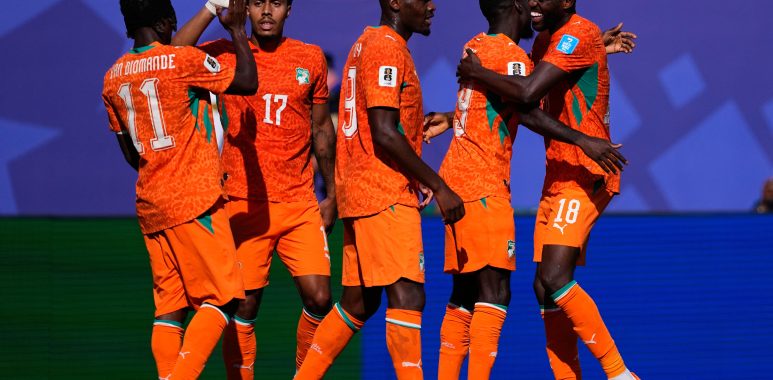
The breakthrough came early, in the 7th minute – the fastest World Cup goal in Ivorian history. It started with a defensive lapse from Curaçao. Yan Diomande, full of energy and trickery on the left, pounced on a loose ball, drove into the box, and cut it back perfectly. There was Pépé, arriving like a ghost at the far post, tapping home from close range. The Curaçao defense was caught flat-footed; Eloy Room had no chance. 1-0 to the Elephants, and the Ivorian bench erupted.
That goal set the tone. Ivory Coast had the lead they craved, allowing them to play with more patience. They controlled possession around 60-65%, probing with quick passes between Kessié, Sangaré, and the attacking trio. Curaçao’s best moments came on the counter – a long ball here, a set-piece there – but their final third quality just wasn’t there to trouble the Ivorian backline consistently.
Half-time arrived with Ivory Coast in command but only one goal to show for it. Faé would have been urging them to stay sharp and not sit too deep. Kluivert, meanwhile, probably emphasized staying compact and looking for that one moment of magic to turn the game.
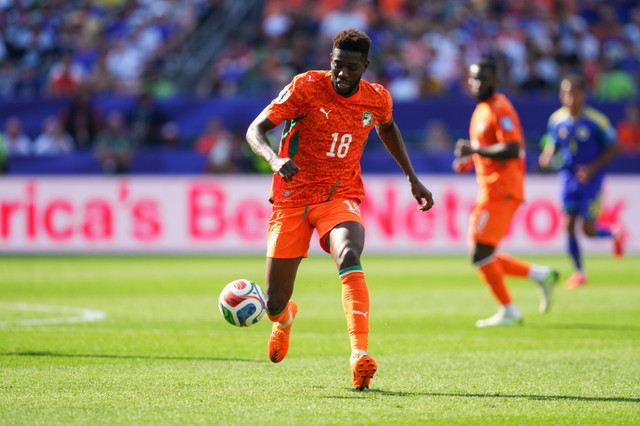
The second half saw more of the same, but with increasing Ivorian pressure. Curaçao pushed a bit higher at times, leaving gaps. Around the 64th minute, the killer blow landed. Ibrahim Sangaré, the midfield anchor, played a lovely incisive pass into the box. Pépé received it, took a touch to set himself, and rifled a left-footed shot into the top corner past a diving Room. A wonderful finish – clinical, powerful, and full of composure. 2-0, game over.
Pépé’s celebration was pure joy – that iconic one we’ve seen before. His brace wasn’t just about goals; it was about leadership. He linked play, tracked back when needed, and stretched the defense with his movement. Diomande and others provided excellent support, making Ivory Coast look like a well-oiled unit.
Curaçao never stopped fighting. They had half-chances – a header from a corner, a speculative shot from Bacuna – but lacked the cutting edge. Room made a couple of good saves to keep the score respectable. Substitutes were thrown on by both sides, but the pattern held. Ivory Coast saw out the game comfortably, knocking the ball around in their own half in the closing stages as the Curaçao fans began to applaud their team’s effort.
Statistically, xG told the story: Ivory Coast around 1.3, Curaçao 0.5. Possession, shots on target, and territorial dominance all favored the Africans. But credit to Curaçao for making it a contest rather than a rout.
Top Highlights: Moments That Defined the Night
- Pépé’s Opener (7′): Pure poaching instinct. Diomande’s work down the flank created chaos, and Pépé was clinical. The roar from the Ivorian supporters was deafening – history in the making felt real from that moment.
- The Second Goal Masterclass (64′): Not just a goal, but a team move. Sangaré’s vision, Pépé’s intelligent run and finish. It was the kind of strike that highlights reels are made for. Commentators called it “brilliant” and “ice-cold.”
- Curaçao’s Defensive Resilience: Eloy Room’s saves, particularly in the first half, and the backline’s blocks. They were outclassed but never humiliated. One sliding tackle from a Curaçao defender in the second half drew genuine applause from neutral fans.
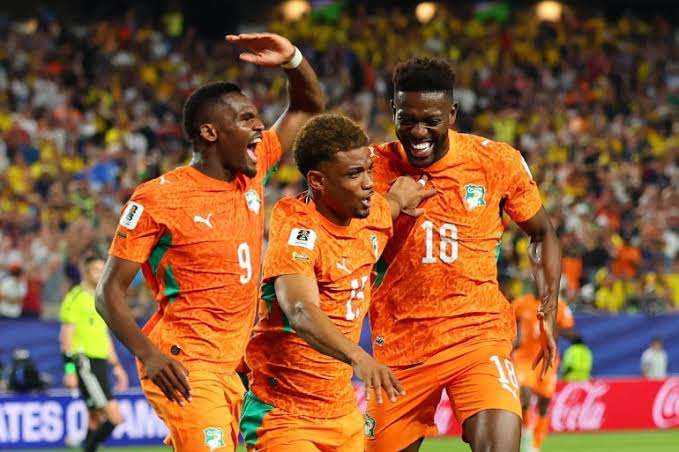
- Atmosphere and Emotion: The final whistle brought mixed scenes. Ivorian players and fans celebrating wildly – hugs, dances, tears of joy for that historic qualification. Curaçao players on the pitch, heads held high, saluting their traveling support. Kluivert consoling his squad, reminding them of how far they’d come.
- Tactical Nuggets: Ivory Coast’s high press forced errors. Curaçao’s set-pieces were their best weapon, but Ivory Coast’s aerial dominance neutralized them. Subtle shifts, like bringing on fresh legs in midfield, kept the tempo high.
There were yellow cards, a few niggly fouls, and the usual World Cup drama with VAR checks that came to nothing. But the match flowed well overall.
Post-Match Summary and Broader Implications
Full-time: Curaçao 0-2 Côte d’Ivoire. Nicolas Pépé with a brace (7′, 64′). Ivory Coast finishes second in Group E and advances to face the runner-up from another group in the round of 32. Curaçao’s debut tournament ends with one point from three games – bottom of the group, but with heads held high.
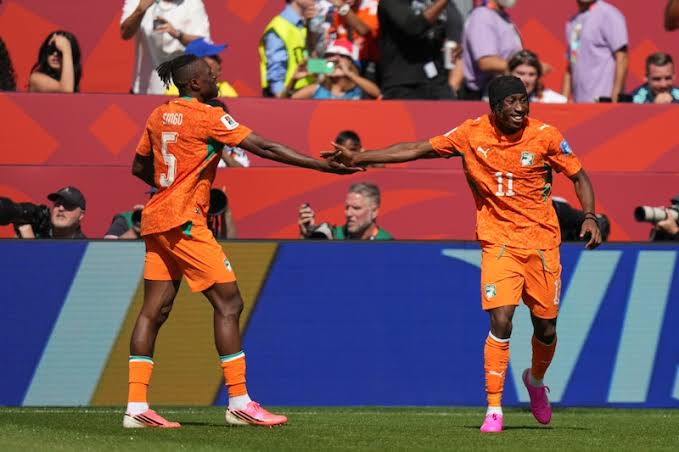
For Ivory Coast, this is massive. Never before have they reached the knockouts. Pépé spoke post-match about hard work paying off and the team’s collective spirit. “This is for all Ivorians,” he said. Faé’s tactical acumen and the blend of youth and experience have them peaking at the right time. They’ll be dangerous opponents next round, though tougher tests await.
Curaçao? Their journey is an inspiration. Qualifying as a small nation with limited resources, earning that point against Ecuador, and competing with pride against stronger sides. Players like Room and Bacuna will return home as heroes. The exposure will boost football development back on the islands. As one Curaçao fan told me outside the stadium, voice hoarse: “We showed the world we belong.”
In the bigger picture of the 2026 World Cup, this result underscores the depth and surprises possible even in “easier” fixtures. Germany topped the group, but Ivory Coast’s progression adds excitement to the knockouts. For fans of the beautiful game, nights like this – where talent meets determination – are why we love it.
Walking out of Lincoln Financial Field that evening, the lights still blazing, I reflected on the human side. Football bridges worlds: the Caribbean spirit meeting West African flair in an American stadium. Curaçao leaves with memories; Ivory Coast with momentum and history rewritten. Pépé’s goals will be replayed for years. But both teams embodied what the World Cup is about – competing, growing, and leaving everything on the pitch.
