
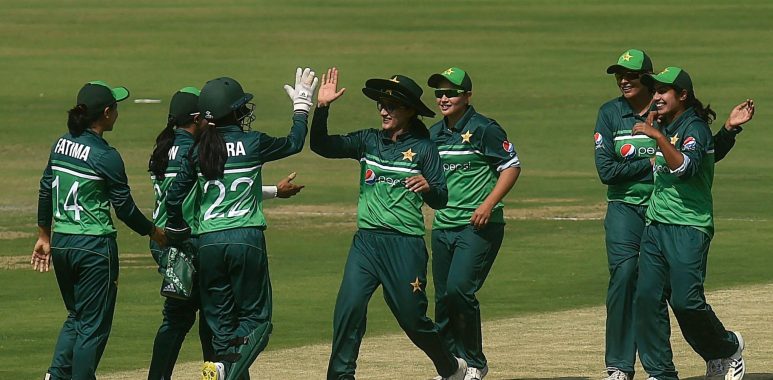
Pakistan Women Crush Zimbabwe by 168 Runs in Dominant Series Opener in Karachi
The floodlights at the National Stadium in Karachi glowed brightly on a warm May evening as Pakistan Women announced their intentions in the sharpest way possible. On Monday, 4 May 2026, the home side dismantled Zimbabwe Women by a massive 168 runs in the first One Day International of the three-match series. It was a day-night contest that belonged entirely to the hosts from the moment the toss was completed until the final wicket fell deep into the night.
Zimbabwe captain Nomvelo Sibanda won the toss and chose to field first, a decision that looked reasonable on paper given the evening conditions that can sometimes favour the chasing side under lights. What followed was a masterclass in batting from Pakistan that left the visitors struggling for answers. Pakistan piled up 330 for five in their 50 overs, a total that proved far beyond Zimbabwe’s reach. When the visitors were bowled out for 162 in just 36.4 overs, the margin of victory told its own story.
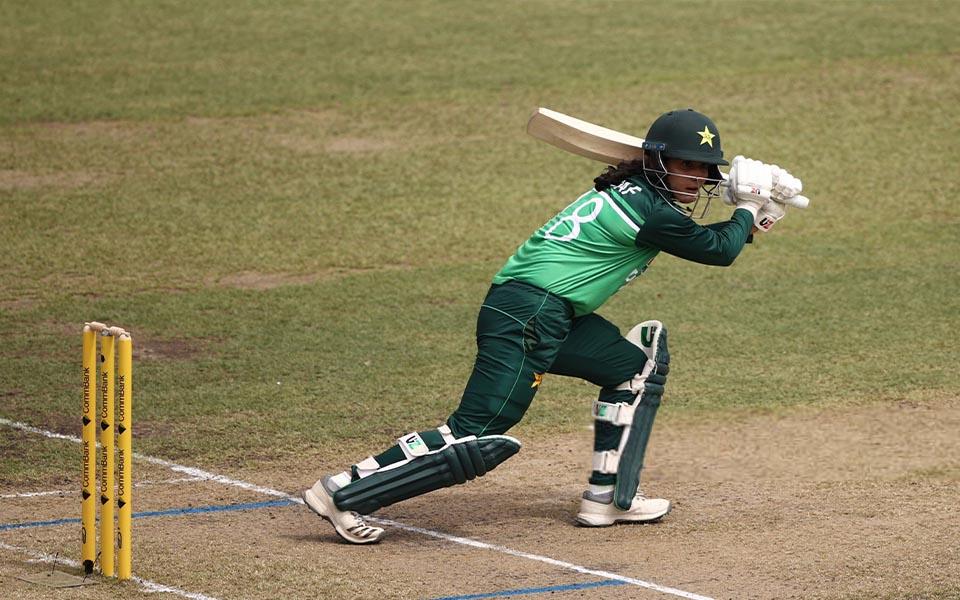
The foundation of Pakistan’s innings was laid by the opening pair of Sadaf Shamas and Gull Feroza. The two batters put together a commanding partnership of 162 runs that set the tone for everything that followed. Shamas was the calm architect of the innings, compiling a patient yet authoritative 98 from 130 deliveries. She struck 17 boundaries and looked set for a well-deserved century before falling just short. Her innings was a study in composure. She rotated the strike efficiently in the early overs, punished anything loose with elegant drives and cuts, and built the platform that allowed the middle order to accelerate later.
Gull Feroza played the perfect supporting role, scoring a fluent 50 from 60 balls with five fours. The pair mixed caution with calculated aggression, ensuring that Pakistan never lost momentum. By the time Feroza was dismissed in the 29th over, the score had already climbed to a healthy position and the Zimbabwe bowlers were beginning to look weary. The opening stand was one of the highest for Pakistan Women in ODIs and it gave the home crowd plenty to cheer about as the sun began to set over Karachi.
Sidra Amin then took centre stage. Walking in with the score on 162, she produced a sparkling knock of 67 from just 59 deliveries. Her nine boundaries lit up the stadium as she found gaps with precision and timed the ball beautifully through the off side. Amin’s innings provided the necessary impetus in the middle overs and ensured that Pakistan continued to score at a brisk rate even after the loss of the openers. Ayesha Zafar and Aliya Riaz both fell cheaply, but the damage had already been limited by the earlier foundations.
The real fireworks came towards the end of the innings. Wicketkeeper-batter Najiha Alvi walked in and played one of the most explosive knocks of her career. She smashed an unbeaten 56 from only 30 balls, including eight fours and a six. Alvi reached her half-century in just 24 deliveries, the fastest by a Pakistan Women’s batter in ODI cricket. Her fearless strokeplay in the death overs pushed the total well past 300 and left Zimbabwe with a mountain to climb. Captain Fatima Sana joined her for the final overs and contributed a quickfire 11 not out from three balls, including a four and a six, to take the score to 330 for five.
Zimbabwe’s bowlers found the going tough on a surface that offered little assistance. Precious Marange was the pick of the attack, finishing with figures of three for 39 from her ten overs. She claimed the key wickets of Shamas, Zafar and Riaz and was the only bowler who managed to exert any consistent control. Nomvelo Sibanda and Kudzai Chigora each took one wicket, but the rest of the attack leaked runs at regular intervals. Extras also played a significant role, with Pakistan collecting 43 of them, including 28 wides that added unnecessary pressure on the fielding side.
When Zimbabwe began their chase of 331, they needed a solid start and a few substantial partnerships to have any chance. Instead, they lost early wickets and never recovered. Fatima Sana struck in the powerplay, removing Christine Mutasa and Kelly Ndiraya to leave the visitors reeling. Kelis Ndhlovu showed some resistance with a gritty 31 from 47 balls, but she was run out in unfortunate fashion after a mix-up with her partner. The scoreboard pressure only increased as the required rate climbed.
Beloved Biza offered the only real resistance for Zimbabwe. The all-rounder scored a brisk 53 from 53 deliveries, striking eight boundaries and briefly raising hopes of a fightback. Her innings was full of positive intent and she looked comfortable against both pace and spin. However, once she was dismissed by Syeda Aroob Shah, caught by Fatima Sana, the innings collapsed rapidly. The middle and lower order had no answer to the disciplined Pakistan bowling attack.
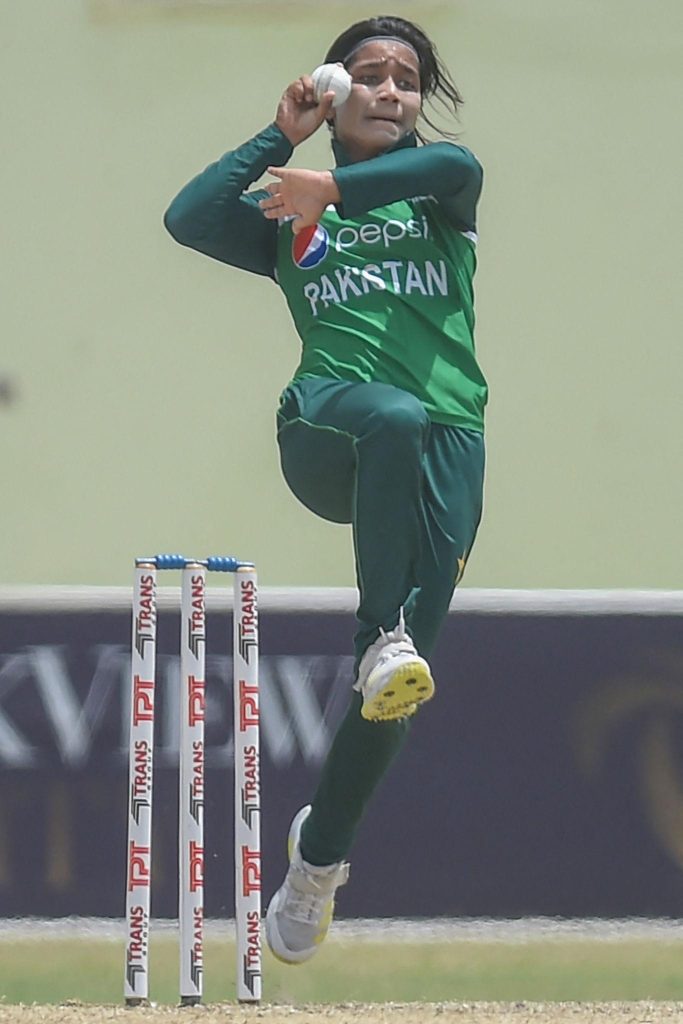
Syeda Aroob Shah, Nashra Sandhu, Tasmia Rubab and Momina Riasat all contributed with the ball. Rubab finished with two for 21 from 7.4 overs and claimed the final wicket when she had Sibanda caught by Sidra Amin. The visitors were all out for 162, falling short by a comprehensive 168 runs. It was a clinical performance from Pakistan in the field, with sharp catching and tight bowling ensuring that Zimbabwe never settled into any kind of rhythm.
The match also marked the ODI debuts of several players. For Pakistan, seamer Momina Riasat made her first appearance in the longer format. For Zimbabwe, Melinda Kanchingwe, Christine Mutasa and Kelly Ndiraya all earned their first ODI caps. The occasion was significant for the visitors as they looked to gain valuable experience against stronger opposition in the ICC Women’s Championship cycle.
Sadaf Shamas was deservedly named Player of the Match for her near-century that formed the backbone of Pakistan’s total. Her ability to bat through the innings and set up a platform for the aggressive middle and lower order proved decisive. In the post-match presentation, she spoke about the importance of building partnerships and the confidence the team felt after posting such a large total. Fatima Sana praised the collective effort of the batting unit and the discipline shown by the bowlers in defending the total.
For Zimbabwe, the result was a harsh reminder of the gap that still exists between the two sides. Captain Nomvelo Sibanda acknowledged that her team had been outplayed in all departments and that they would need to improve quickly if they were to compete in the remaining matches of the series. The visitors will look to regroup and produce a stronger performance in the second ODI, but the scale of this defeat will take some time to absorb.
The victory gave Pakistan an early lead in the three-match series and two valuable points in the ICC Women’s Championship. More importantly, it sent a clear message about their ambitions in the ongoing cycle. The batting depth on display, combined with a balanced bowling attack, suggested that this Pakistan side is growing in confidence and capability. The National Stadium crowd, though not filled to capacity, provided enthusiastic support throughout the evening and left the ground satisfied after a comprehensive home win.
Looking ahead, the second ODI is scheduled for later in the week at the same venue. Pakistan will enter that contest with momentum and the knowledge that their top order is firing. Zimbabwe will need to find ways to take early wickets and build larger partnerships if they are to avoid another heavy defeat. The series still has two matches remaining, but the first contest has already set a high standard for the hosts.
This was more than just a win. It was a statement performance built on patience, aggression and discipline. From the solid opening stand to the late fireworks and the clinical bowling display, every part of Pakistan’s game clicked into place. Sadaf Shamas may have fallen two runs short of a hundred, but her contribution was worth far more than the numbers alone suggest. Alongside the explosive finishing of Najiha Alvi and the all-round excellence of the team, it produced a result that will be remembered for a long time in the record books of Pakistan women’s cricket.
As the players left the field under the Karachi lights, the scoreboard told the final story. Pakistan Women 330 for five, Zimbabwe Women 162 all out. A 168-run victory that was as emphatic as it was complete. The series had begun in the best possible fashion for the home side, and the rest of the cricket world had been given a clear indication of the standards this Pakistan team is aiming to set.
