
West Indies Complete 3-0 Sweep as Taylor Century Seals 64-Run Win Over Ireland
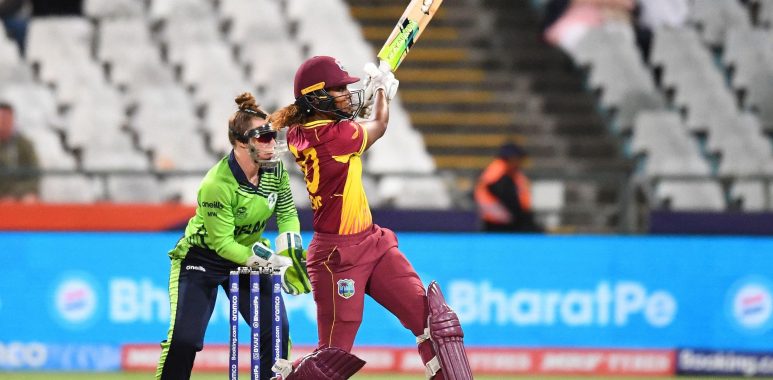
West Indies Women sealed a dominant 3-0 series whitewash against Ireland Women with a comprehensive 64-run victory in the third and final one-day international at Bready Cricket Club on Wednesday, 15 July 2026. The tourists posted 257 all out from their 50 overs, powered by a masterful century from the ever-reliable Stafanie Taylor, before their bowlers dismantled the home chase, bowling Ireland out for 193 in 43.1 overs.
It was a fitting end to a series in which the West Indies had looked a class apart from the opening match. Having crushed Ireland by nine wickets in the first ODI and then completed the job with six wickets and plenty of overs to spare in the second, the Caribbean side arrived at Bready already assured of the series win. Yet there was no sense of a dead rubber. Both teams treated the contest with full seriousness, and the result confirmed what had been evident all week: the West Indies batting depth and bowling variety were simply too strong for an Ireland side still finding its feet in the longer format after a mixed T20 World Cup campaign.
Ireland captain Gaby Lewis won the toss and elected to field, a decision that looked promising in the early stages. The West Indies openers found the going tough. Hayley Matthews, so destructive earlier in the series with her blistering 159 in the opener, managed only six before Orla Prendergast had her caught behind. Realeanna Grimmond laboured for 14 off 42 balls before Jane Maguire castled her. When Shemaine Campbelle and Deandra Dottin also departed relatively cheaply, the visitors were five down and looking vulnerable at around 80.
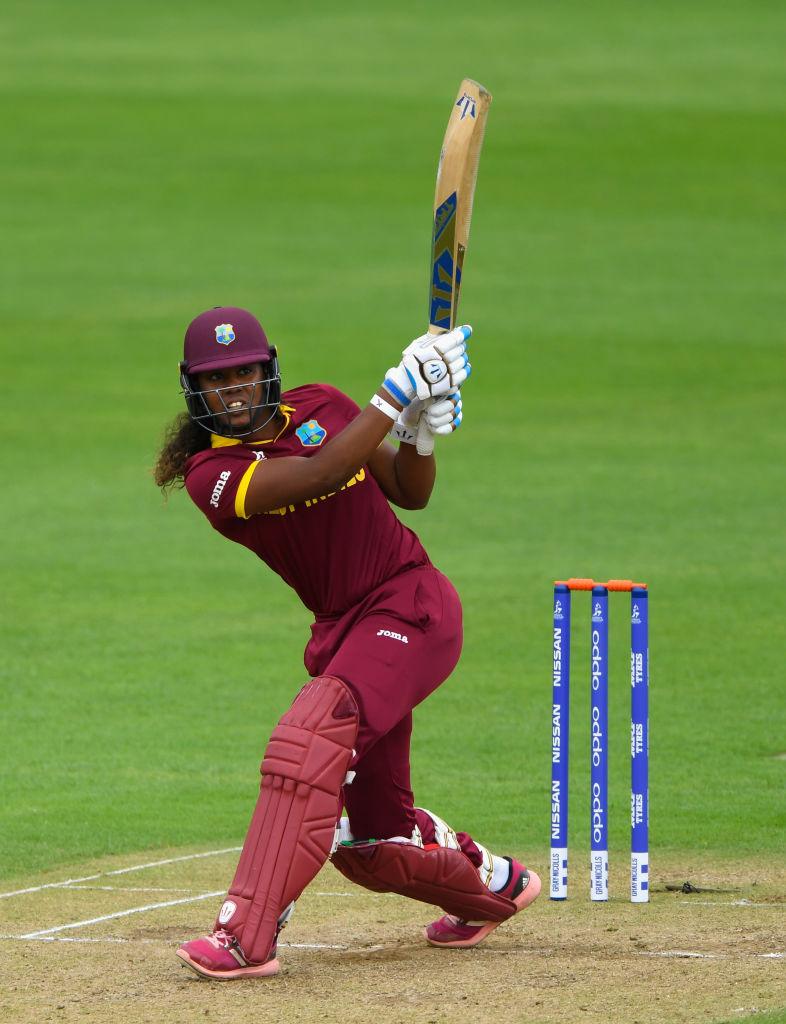
That was the cue for Taylor to take control. The 35-year-old Jamaican has been one of the most consistent performers in women’s cricket for well over a decade, and on this day she produced the kind of innings that separates good players from great ones. Coming in under pressure, she played with classic timing and composure. There were no wild slogs or panic shots. Instead she built her innings methodically, rotating the strike, punishing the loose balls, and gradually accelerating as the innings progressed.
Taylor reached her fifty from 55 deliveries and then found a valuable partner in Jahzara Claxton. Their sixth-wicket stand stabilised the innings and took the score past 150. When Claxton fell, Aaliyah Alleyne arrived and immediately injected momentum. The pair added a brisk 50 for the seventh wicket, with Alleyne contributing a lively 33 off just 30 balls. Taylor herself moved to three figures from 110 deliveries, her tenth ODI century and her second of this short series. She eventually finished with 105 from 113 balls, including ten boundaries, before being run out off the final delivery of the innings as the West Indies were dismissed for 257.
Ireland’s bowlers shared the wickets around. Prendergast, Georgina Dempsey and Jane Maguire each claimed two, while the rest of the attack chipped in. Yet they could never quite apply the sustained pressure needed to keep the visitors below 230. The total of 257 always felt competitive on a Bready surface that offered some assistance to the spinners later in the day.
The chase began with cautious optimism. Sarah Forbes fell early, trapped leg before by Jannillea Glasgow, but Lewis and Amy Hunter then put on a useful partnership. Lewis, leading from the front, played some elegant strokes and looked in good touch. She reached her half-century from 59 balls, striking seven fours and two sixes, and for a while it seemed Ireland might make a genuine contest of it. Hunter contributed a solid 30 before falling to Afy Fletcher, and Leah Paul added a useful 32.
The turning point came when Fletcher and Karishma Ramharack began to exert control. Fletcher, the experienced leg-spinner, claimed three key wickets for 33 runs, including the important scalp of Lewis, who was caught by Deandra Dottin. Ramharack was equally effective, finishing with three for 33 from her 6.1 overs. The Ireland middle and lower order simply could not find a way to accelerate against the accurate spin. Wickets tumbled at regular intervals. By the time the ninth wicket fell, the required rate had climbed beyond reach, and Ramharack sealed the victory by trapping Aimee Maguire leg before for 13.
The final margin of 64 runs told its own story. Ireland had shown glimpses of fight, particularly through Lewis’s half-century, but they lacked the partnerships and the depth to sustain a chase against a well-drilled West Indies attack. For the hosts it was a disappointing end to a series in which they had been outplayed in all three matches. They will take some positives from the batting of Lewis, Hunter and Paul, and from the disciplined spells of Prendergast and Maguire, but the overall performance highlighted the gap that still exists between them and the stronger sides in the women’s game.
For the West Indies the series was a statement of intent. Hayley Matthews had been the star of the first two matches, scoring heavily and taking wickets, and she was rightly named player of the series. Taylor’s two centuries provided the backbone in the middle order. The bowling unit, led by Fletcher, Ramharack and Matthews herself, never allowed Ireland to settle. The fielding was sharp, the running between the wickets aggressive, and the overall professionalism impressive.
This result also carries significance in the broader context of the ICC Women’s Championship. Points from these matches contribute towards qualification for the next World Cup, and a clean sweep against Ireland will have boosted the West Indies’ standing. Ireland, meanwhile, will need to regroup quickly. Their next assignments will demand greater consistency if they are to climb the rankings and compete more regularly with the top teams.
Bready itself provided a pleasant setting for the series. The Northern Irish ground, nestled in the countryside of County Tyrone, offered good facilities and a warm welcome to both sets of players and supporters. Crowds were modest but enthusiastic, and the atmosphere remained competitive yet sporting throughout. Local cricket fans will have appreciated the chance to watch high-quality women’s international cricket on their doorstep, and the series will have done no harm to the profile of the game in the region.
Looking back over the three matches, the pattern was clear. In the first ODI Matthews produced one of the great individual performances of the year, scoring 159 and taking three wickets as the West Indies chased down 270 with ease. In the second, she and Taylor both scored centuries in a controlled chase of 242. In the third, Taylor stepped up once more while the bowlers finished the job. Ireland never managed to put together a complete performance across both batting and bowling in any of the games.
Taylor’s contribution in the final match deserves special mention. At an age when many players begin to slow down, she continues to deliver match-winning performances. Her ability to adapt to different situations, to bat long periods when required, and to find the boundary when the team needs acceleration, remains outstanding. The century at Bready was not a flashy innings full of sixes, but a craftsman’s century built on solid technique and clear thinking. It was the kind of knock that younger players in the West Indies squad will have watched closely and learned from.
Ireland’s captain Lewis spoke afterwards about the need for greater mental toughness and consistency. She acknowledged that her side had shown fight at times but had been unable to convert promising positions into substantial totals or match-winning bowling spells. The injury absences of experienced players such as Laura Delany earlier in the series had not helped, yet the core group that took the field still possessed enough talent to have made the contests closer than they ultimately were.
For West Indies coach and management, the series offered valuable match practice and confirmed that their blend of youth and experience is working well. Players such as Alleyne, Claxton and the younger bowlers gained useful exposure, while the senior figures like Taylor, Matthews, Fletcher and Dottin continued to set high standards. The balance of the side looks healthy heading into future assignments.
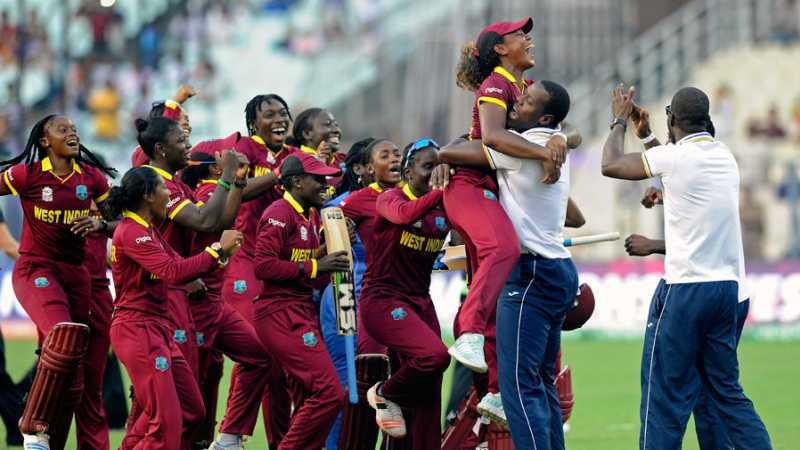
As the players left the field at Bready, the West Indies celebrated a job well done. A 3-0 series win away from home is never easy, even against a side ranked below them. It requires focus, discipline and the ability to close out matches when the opportunity arises. In all three contests they had shown those qualities. Ireland, for their part, will reflect on a tough week and look to extract lessons that can be applied in the months ahead.
The final scoreline read West Indies Women 257, Ireland Women 193. West Indies won by 64 runs. Stafanie Taylor was named player of the match for her outstanding century. Hayley Matthews took the series award. And the West Indies left Ireland with three victories, maximum points, and the satisfaction of a clean sweep completed in clinical fashion.
Women’s cricket continues to grow in quality and competitiveness around the world. Series such as this one, played in good spirit and with clear differences in execution between the sides, serve as useful markers of progress. The West Indies demonstrated why they remain a force to be reckoned with in the 50-over format. Ireland showed enough flashes of ability to suggest that, with continued development and greater consistency, they can close the gap in future meetings. For now, though, the Caribbean side sit on top, having completed their tour of Ireland in the most emphatic manner possible.
The sun set over Bready with the West Indies players posing for photographs, the series trophy in hand, and the knowledge that they had performed to a high standard across all three matches. Taylor’s century will be remembered as the centrepiece of the final game, but the collective effort of the entire squad had underpinned the 3-0 result. It was a professional, polished display of one-day cricket, and a reminder of the standards required at this level.
In the end the numbers told a straightforward story. Two hundred and fifty-seven was a solid total. One hundred and ninety-three was never going to be enough. The gap of 64 runs reflected the difference in execution on the day. West Indies Women had won the match, the series, and the right to leave Northern Ireland with heads held high.
