
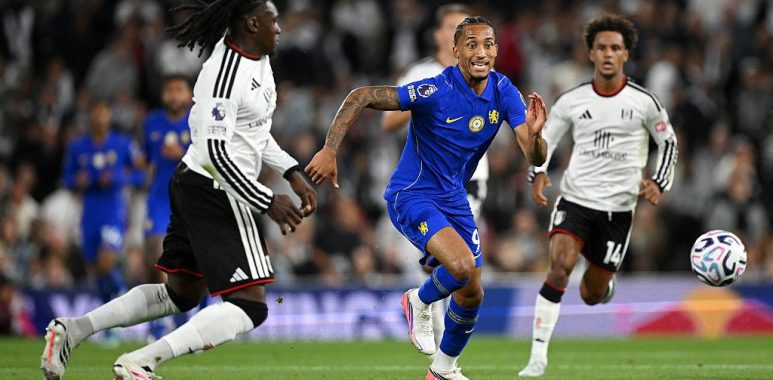
Fulham 2-3 Chelsea: West London Derby Thriller Opens New Premier League Era at Craven Cottage
Monday night under the lights at Craven Cottage delivered exactly what a west London derby should: chaos, quality, nerves, and five goals that left both sets of supporters drained but buzzing. Chelsea edged it 3-2, giving Xabi Alonso a winning start in his first Premier League match in charge, while Álvaro Arbeloa’s Fulham showed enough fight and invention to suggest the post-Marco Silva chapter will not be a quiet one.
What follows is a full look at the build-up, how the game unfolded, the standout moments, and what it all means as the 2026/27 season gets properly under way.
Preview: New Managers, Familiar Rivalry, High Stakes on Opening Night
Coming into this fixture, the narrative wrote itself. Two former Real Madrid coaches meeting for the first time as Premier League managers. Alonso, fresh from his time at Bayer Leverkusen and then a spell that ended at the Bernabéu, arrived at Stamford Bridge with a reputation for organised, progressive football and a squad that had spent heavily again. Arbeloa, who had stepped into the Madrid job after Alonso and then moved to Fulham after Silva’s departure, faced the task of keeping a side that had finished level on points with Chelsea last season competitive without the long-term stability Silva had provided.
The fixture list threw them together on the opening Monday of the season. Craven Cottage, always atmospheric for a derby, promised a raucous evening. Historical numbers favoured Chelsea heavily—dozens more wins across the decades—but recent meetings had been tighter. Each side had taken their home game last season, and Fulham’s organisation under Silva had made them awkward opponents.

Team news added intrigue. Chelsea handed debuts to several summer arrivals. Morgan Rogers, the big-money signing from Aston Villa, started in attack alongside João Pedro and Cole Palmer. Maxence Lacroix, the defender from Crystal Palace, slotted into the back line. Reece James captained. Robert Sánchez started in goal. Fulham, meanwhile, gave opportunities to new faces including Gonzalo García and others adapting to Arbeloa’s ideas. Timothy Castagne, Calvin Bassey, Antonee Robinson and Alex Iwobi offered continuity, while young Josh King featured in midfield.
Expectations were high for Chelsea given the investment and the pedigree of the new coach. Alonso’s sides tend to control territory and create chances through structured build-up and quick transitions. Fulham, at home, would look to press selectively, use the flanks, and exploit any early uncertainty in the visitors’ defensive shape. The weather was kind, the crowd of just under 27,500 was primed, and referee John Brooks had a lively night ahead of him.
Pre-match talk focused on whether Alonso could impose his style immediately and whether Palmer, after a mixed previous campaign, would rediscover his sharpest form. For Fulham, the question was simple: could they disrupt Chelsea’s rhythm and make the derby as uncomfortable as these fixtures often become?
Match Analysis: Momentum Swings, Attacking Flair, and Lingering Defensive Questions
From the first whistle the game refused to settle. Chelsea scored after 32 seconds. Palmer received the ball in a pocket of space, flicked a clever pass into the path of João Pedro, and the Brazilian raced clear of the Fulham defence before finishing coolly. It was the perfect start for the Alonso era—clinical, confident, and a statement of attacking intent.
Fulham did not fold. They grew into the contest, won more of the ball, and began to stretch Chelsea’s midfield. Romeo Lavia and Levi Colwill both picked up early yellow cards as the hosts pressed higher. In the 23rd minute the equaliser arrived. Timothy Castagne found Josh King, and the young midfielder drove a shot past Sánchez. The goalkeeper’s positioning and reaction left questions; it was a moment that will be replayed in coaching sessions.
Chelsea responded before half-time. Maxence Lacroix, already looking composed on debut, produced excellent work on the right side of the box, cutting the ball back for Morgan Rogers. The record signing swept it home for 2-1. Two debutants combining for a goal in a derby is the kind of moment that settles nerves and builds belief. Rogers looked sharp, direct, and ready for the physicality of English football.
The second half began in similar fashion. Four minutes after the restart João Pedro held the ball up intelligently inside the area and laid it off for Palmer. The England international finished from a tight angle, sliding the ball between Bernd Leno’s legs for 3-1. Palmer’s overall performance was outstanding: goal, assist, progressive carries, recoveries, and constant involvement. He looked like the player who had lit up previous seasons.
Fulham refused to go quietly. Five minutes later Gonzalo García, another debutant, nodded home from close range after Sánchez could only parry a Castagne effort into a dangerous area. 3-2, and the Cottage found its voice again. The remainder of the match became a test of Chelsea’s ability to manage a lead under pressure. Alonso made changes, introducing Enzo Fernández, Pedro Neto and others to stabilise and retain the ball. Fulham pushed, created a few late opportunities, but could not force a third equaliser.
Statistically the game told a clear story of two different approaches. Fulham enjoyed more possession—around 61 per cent—and more touches in certain areas, yet Chelsea created the higher-quality chances (xG roughly 1.7 to 1.3 or 1.4 depending on the model). Chelsea had more shots overall and more touches in the opposition box. Both goalkeepers made important interventions, though Sánchez’s two moments of uncertainty proved costly in the narrative even if the result went Chelsea’s way.
Tactically, Alonso’s side showed the verticality and third-man runs that characterise his better teams. The front three of Palmer, Rogers and João Pedro interchanged fluidly. The defensive structure, however, still looked a work in progress. Full-backs pushed high, the midfield sometimes left gaps, and transitions against them carried risk. For Arbeloa, the performance offered encouragement. Fulham were competitive, created problems from wide areas, and showed character after falling behind early. The new manager’s ideas are clearly still bedding in, but the intensity and organisation were visible.
Individual performances stood out. Palmer was the clear man of the match. Rogers justified the transfer fee with a composed debut goal and intelligent movement. João Pedro linked play effectively. Lacroix looked solid. For Fulham, King impressed with his equaliser and energy, García took his chance well, and Castagne was a constant outlet. Leno made several important saves that kept the scoreline respectable.
The yellow cards—Colwill, Lavia and James for Chelsea; Bassey and Castagne for Fulham—reflected a competitive edge without boiling over into anything nastier. Brooks managed the game reasonably, allowing the contest to flow while clamping down on the more obvious fouls.
Overall this was an entertaining, imperfect, high-energy opening-day derby. Chelsea’s attacking quality won it. Fulham’s resilience made it a proper contest. Both managers will take lessons into the coming weeks: Alonso about tightening the defensive transitions, Arbeloa about converting territorial dominance into clearer chances against elite opposition.
Top Highlights
- 32 seconds – João Pedro opens the scoring
Palmer’s quick thinking and precise pass released the Brazilian. One touch to control, one clinical finish. Instant statement from the new Chelsea regime and the kind of start that settles a stadium into nervous excitement rather than pure hostility. - 23 minutes – Josh King levels
A well-worked move down the right, Castagne’s delivery or pass, and King’s powerful strike that Sánchez should probably have done better with. The Cottage erupted. Suddenly the visitors looked vulnerable and the derby had its first proper swing of momentum. - 41 minutes – Morgan Rogers scores on debut
Lacroix’s intelligent cut-back from the byline or deeper area found Rogers in the centre. The new signing finished calmly. Two debutants combining for a goal in a west London derby is the sort of moment that will be remembered for years by Chelsea supporters. It restored the lead and gave Alonso breathing space at the interval. - 49 minutes – Cole Palmer makes it 3-1
João Pedro’s hold-up play was excellent. Palmer arrived at the right moment and finished from a difficult angle. The technique, the composure, the timing—it was classic Palmer. At that point Chelsea looked in control and the points appeared safe. - 54 minutes – Gonzalo García pulls one back
Sánchez’s parry from Castagne’s effort fell invitingly. García was alert and headed home. Game back on. The final half-hour became a proper contest again, with Fulham believing and Chelsea having to dig in.
Other notable moments included several strong saves from both keepers, late substitutions that altered the tempo, and a handful of half-chances that could have changed the outcome. The final whistle brought relief for the travelling support and pride mixed with frustration for the home fans.
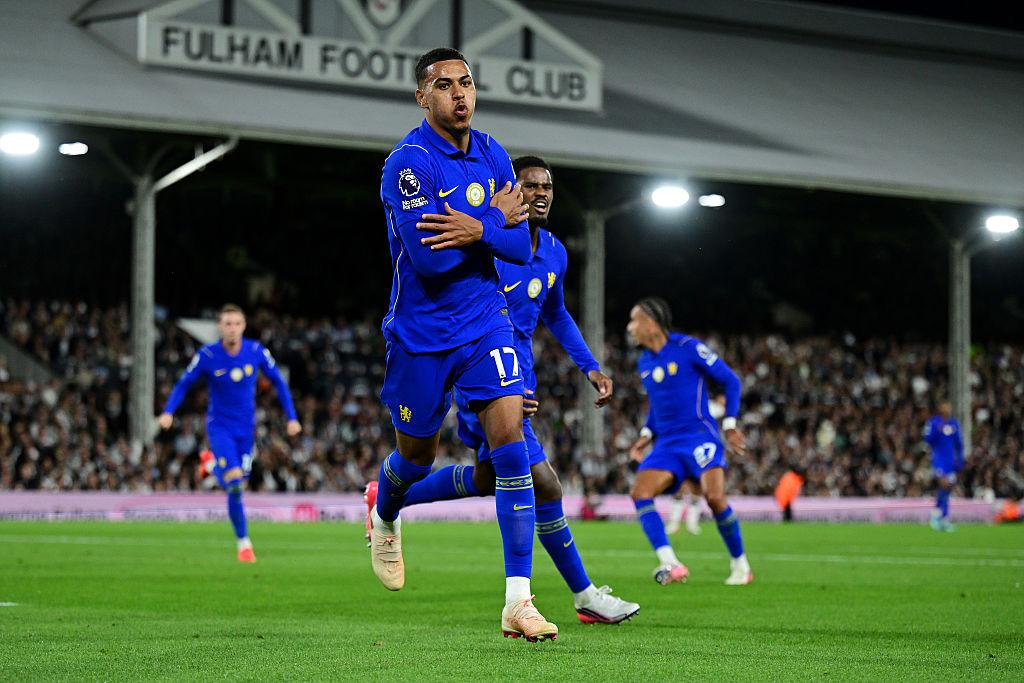
Summary: A Winning Start for Alonso, Encouragement for Arbeloa, and a Season Under Way
Chelsea left Craven Cottage with three points, a 3-2 scoreline, and the knowledge that their new manager’s first game had produced both the attacking spark they hoped for and the defensive reminders they still need to address. João Pedro, Rogers and Palmer all scored. The front line looked dangerous and interchangeable. The midfield and defence, while competitive, will require more cohesion as the fixtures pile up.
For Fulham the result was disappointing but the performance was not without merit. They matched Chelsea for long periods, scored twice against a side with significant investment, and showed the character required to recover from an early setback. Arbeloa now has concrete evidence of what works and what needs refining. The post-Silva era has begun with a hard-fought derby defeat rather than a soft one.
The wider context matters. This was Matchweek 1. Plenty of football remains. Chelsea face a quick turnaround into cup action, while both clubs will navigate a demanding early schedule. Palmer’s form, if sustained, gives Chelsea a genuine difference-maker. Rogers’ debut suggests the big fee may yet prove justified. Fulham’s ability to create and compete at home remains an asset.
In the end it was a classic west London derby: early drama, equalisers, lead changes, individual brilliance, and a result that felt fair on the balance of quality chances. Xabi Alonso has his first Premier League win. Álvaro Arbeloa has a platform to build from. And the 2026/27 season has its first memorable Monday night story.
Supporters of both clubs will debate the details for days—Sánchez’s positioning, the timing of substitutions, whether Fulham deserved a point on territorial dominance, whether Chelsea’s attack can carry them through tighter games. Those debates are the lifeblood of the Premier League. On this evidence, both sides will contribute more than their share of them between now and May.
Chelsea sit on three points. Fulham on zero. The table will look very different soon enough, but the memory of this five-goal thriller at the Cottage will linger. New managers, old rivals, and a match that delivered. Exactly what opening-night football should feel like.
