
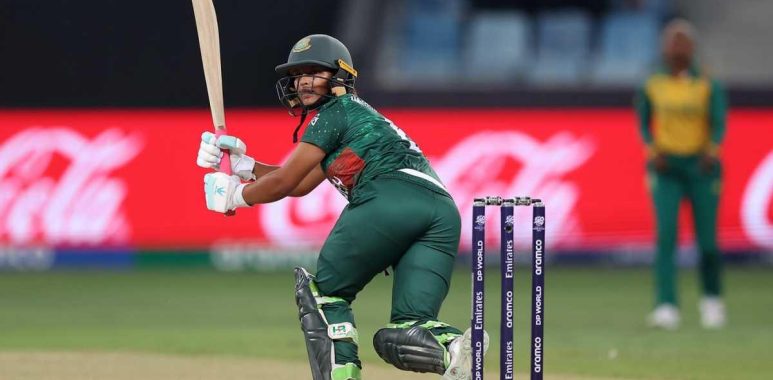
Bangladesh Women Crush Debutants Indonesia by 71 Runs in Asia Cup Opener
Bangladesh Women opened their Women’s Asia Cup 2026 campaign in commanding fashion on a warm Monday night in Dubai, brushing aside debutants Indonesia Women by a comprehensive 71-run margin at the Dubai International Cricket Stadium. What began as a cautious batting effort from the Bangladeshi side eventually turned into a clinical display of bowling and fielding that left the Indonesian batters with no answers. The final scoreboard read Bangladesh Women 129 for 8 in their 20 overs, Indonesia Women all out for 58 in 17.3 overs. Nahida Akter earned the Player of the Match award for her three wickets, but the victory was very much a collective effort that will give Bangladesh early confidence in Group B.
The Women’s Asia Cup has grown steadily in stature over the years, bringing together Full Member nations and ambitious Associate sides under one roof. This edition, hosted entirely in Dubai, features eight teams split into two groups of four. Group B pits defending champions Sri Lanka against Bangladesh, the hosts United Arab Emirates, and Indonesia, who were making their first appearance in the competition. For Indonesia the tournament represents a significant milestone in their development as a cricket-playing nation. Their players arrived in the United Arab Emirates full of enthusiasm and determined to make their presence felt. Bangladesh, by contrast, came into the match as clear favourites. They possess greater international experience, a settled core of players, and a bowling attack capable of adapting to different conditions. Captain Nigar Sultana Joty would have been looking for a solid start, knowing that the group stage leaves little room for error if they hope to reach the semi-finals.
Indonesia won the toss and chose to field first, a decision that made sense on paper given the evening conditions and the opportunity to restrict the more experienced side early. The Dubai pitch offered a touch of assistance to the seamers under lights, and the Indonesian openers began with purpose. Ni Made Putri Suwandewi struck in the powerplay, removing Juairiya Ferdous for 8 after the opener had looked fluent with a couple of boundaries. At 16 for 1 Bangladesh were under early pressure, and the Indonesian fielders celebrated with the kind of energy that suggested they were ready for a long fight.
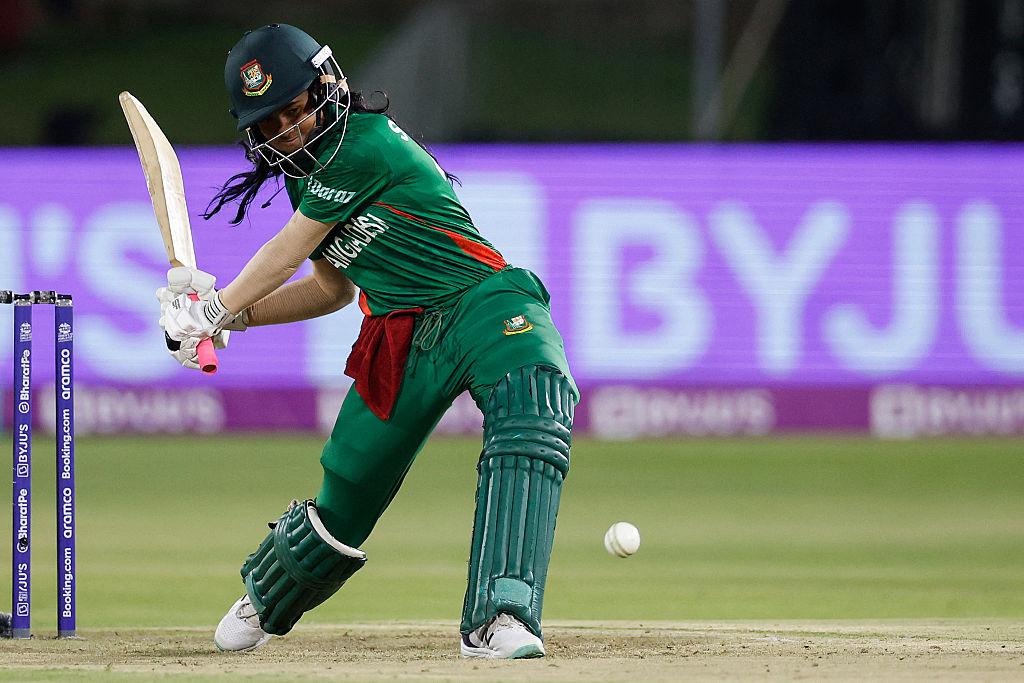
Dilara Akter and Sobhana Mostary then steadied the innings with a partnership of 40 that proved vital. Dilara played with composure, finding the gaps and rotating the strike, while Mostary, marking her 100th international appearance, settled in and began to dictate terms. The pair took the score past 50 without further damage, forcing the Indonesian captain Ni Putu Ayu Nanda Sakarini to turn to her spin options. Ni Kadek Ariani eventually broke the stand when Dilara was caught for 27, a useful contribution that had given the innings a platform. Mostary continued to accumulate, reaching 40 off 42 balls with two fours and a six, the kind of innings that anchors a T20 total even if it is not the most explosive.
Captain Nigar Sultana came and went for 10, caught in the deep, and the middle order began to stutter. Ritu Moni fell for a golden duck, and Bangladesh looked in danger of falling short of a competitive score. That was when Shorna Akter arrived at the crease and changed the complexion of the innings. Batting with freedom and clear intent, Shorna struck the ball cleanly, finding the boundary with three fours and a six in an unbeaten 31 off just 18 deliveries. Her late acceleration lifted Bangladesh from a potential 110-odd total to a more respectable 129 for 8. Fahima Khatun chipped in with a few useful runs before being run out, and the lower order managed to scramble a few extras. Indonesia’s bowlers could take pride in their effort. Ariani finished with three wickets for 28, Ni Luh Dewi claimed two for 21, and the rest of the attack kept things tight enough to prevent Bangladesh from running away with the game. For a side making its Asia Cup debut, restricting a Full Member nation to under 130 was a solid achievement.
Yet 129 is still a total that requires disciplined chasing, and Indonesia’s batters found the Bangladesh attack far too hot to handle. Marufa Akter set the tone from the outset. Bowling with pace and accuracy, she produced a maiden over and claimed two early wickets for just six runs in her three overs. Maria Corazon, the only Indonesian to reach double figures, managed 12 before being trapped leg before. Rahmawati Pangestuti fell for 9, also to Marufa, and the early damage left Indonesia reeling at 26 for 2. The pressure never eased. Nahida Akter, the left-arm spinner, then took control of the middle overs. She varied her pace, found just enough turn, and kept the batters guessing. Her figures of three for 15 from four overs were the highlight of the innings, and she thoroughly deserved the individual award.
Wickets continued to tumble at regular intervals. Ni Luh Dewi made 9, captain Sakarini managed only 2, and the rest of the order simply could not find any rhythm. There were three run-outs in the innings, a reflection of the sharp fielding and the mounting pressure that forced desperate attempts at singles. Sanjida Akter Meghla bowled a tidy spell with a maiden and one wicket, Fahima Khatun picked up one for nine, and even Shorna Akter contributed with two economical overs for just three runs. By the time the seventeenth over arrived Indonesia were nine down and limping. The final wicket fell at 58, leaving them well short of the target and handing Bangladesh a comprehensive victory.
The margin of 71 runs underlined the gap that still exists between the established sides and the emerging Associate nations in women’s cricket. Indonesia showed flashes of promise with the ball and in the field, but their batting lacked the depth and technique required against quality bowling on a good pitch. For Bangladesh the result was exactly what they needed. They had a few jitters with the bat, particularly in the middle order, but the lower-order contribution from Shorna and the clinical bowling display will give the coaching staff plenty of positives to work with. Mostary’s milestone century of appearances added a personal touch to the evening, and her steady knock ensured the total never became unmanageable.
Looking ahead, both teams face tougher tests. Indonesia’s next assignment is against Sri Lanka, the defending champions, which will be an even steeper learning curve. Bangladesh will meet Sri Lanka later in the group stage and also face the United Arab Emirates. A strong net run rate from this win could prove valuable if the group finishes tightly contested. The top two sides from each group advance to the semi-finals, and Bangladesh will be aiming to secure that place with as little drama as possible.
The atmosphere at the Dubai International Cricket Stadium was typical of these early group matches. A modest but enthusiastic crowd, many of them supporting Bangladesh, created a lively backdrop under the floodlights. The pitch played true for most of the night, offering something for both batters and bowlers depending on the skill applied. Clear skies and warm temperatures made for pleasant viewing conditions, and the television cameras captured every moment for audiences across Asia and beyond.
In the broader context of the tournament, this match served as a reminder of how far women’s cricket has come in Asia. Indonesia’s presence alone is a sign of growing participation and investment. Their players will return home with experience that money cannot buy, and the lessons from this defeat will feed into their domestic programmes. Bangladesh, meanwhile, continue their steady progress as a competitive force capable of challenging the bigger sides. Their spin attack, led by Nahida, remains one of their greatest strengths, and the pace of Marufa adds another dimension that can trouble any batting line-up.
Player performances will be analysed in the coming days. Mostary’s 40 provided the backbone of the Bangladesh innings, while Shorna’s late flourish showed the value of having power-hitters lower down. In the field the catching and ground fielding were sharp, with several direct hits contributing to the run-outs. For Indonesia, Ariani’s three wickets stood out as the highlight, and the commitment of the entire unit was never in doubt. They simply ran into a side that was better prepared and more clinical on the night.
As the Women’s Asia Cup 2026 continues, matches like this one will shape the narrative of the group stage. Bangladesh have two points on the board and a healthy net run rate. Indonesia have a first outing under their belts and the knowledge that every subsequent game is an opportunity to improve. The road to the semi-finals is still long, but for one night in Dubai the Bangladesh women were the superior side in every department, and their 71-run victory set a strong tone for the rest of their campaign.
The result also highlighted the importance of experience in these high-pressure environments. Bangladesh have played enough international cricket to know how to recover from early setbacks and how to finish an innings with purpose. Indonesia, still building their international pedigree, will take time to develop that same instinct. Yet the spirit they showed, particularly with the ball, suggests they will not be pushovers for long. Future tournaments may see them cause more problems for stronger opposition.
In the dressing rooms after the match the moods would have been contrasting. Bangladesh could celebrate a job well done while noting areas for improvement in their middle-order batting. Indonesia would have reflected on the areas where they lost control, particularly the run-outs and the inability to form meaningful partnerships. Both sides will now turn their attention to recovery and preparation for the next fixtures on a crowded schedule that leaves little time for rest.
The tournament itself continues at a steady pace, with one match each day during the group stage. Fans across the region are following every ball, and the quality of cricket on display has already produced several memorable performances. This particular encounter may not go down as a classic thriller, but it was a thoroughly professional display by Bangladesh and a valuable learning experience for Indonesia. In the end the scoreboard told the story clearly: Bangladesh Women won by 71 runs, and their campaign is off and running.
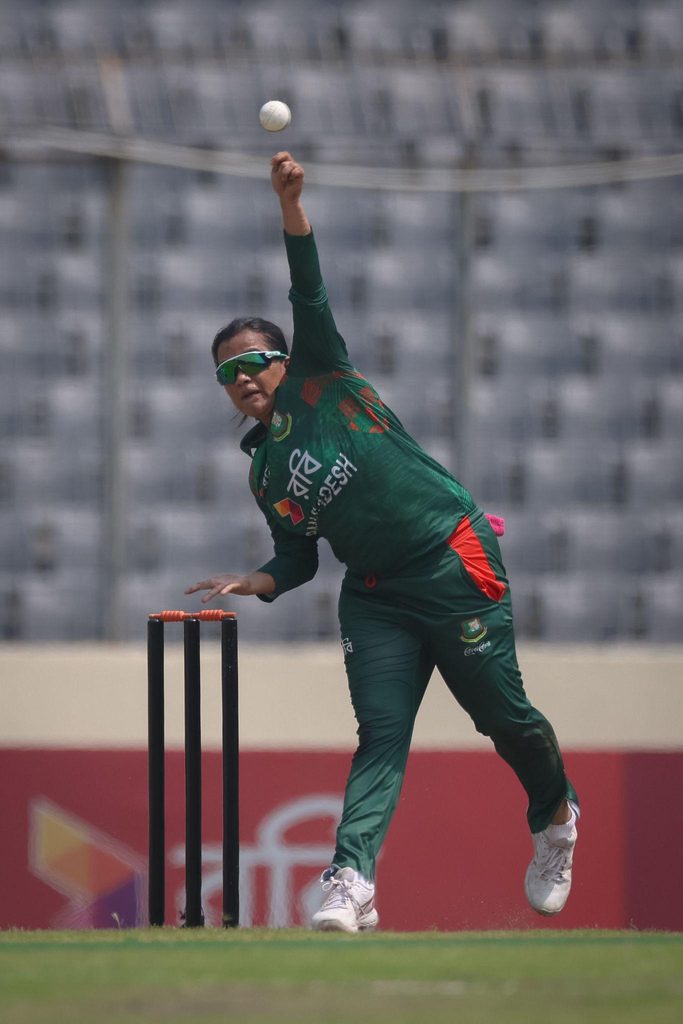
Sobhana Mostary will remember the night for her personal milestone as much as the team victory. Reaching 100 international matches is no small feat, and to mark it with a top-score contribution made the occasion even more special. Nahida Akter’s bowling figures will sit proudly in the record books of the tournament, a reminder of how effective quality spin can be when the conditions are right. Marufa’s early breakthroughs set the platform for the collapse that followed. Together they formed a bowling unit that never allowed Indonesia any breathing space.
For those watching from home or in the stands, the match offered a clear illustration of the current hierarchy in Asian women’s cricket while also showing the potential for growth among the Associate nations. Indonesia’s bowlers competed hard for every over, and their fielders never stopped trying. With more exposure and better preparation in the years ahead, they will close the gap. Bangladesh, for their part, will look to build on this result and push deeper into the competition. A strong showing here can only help their ranking and their confidence ahead of future global events.
The night in Dubai ended with handshakes and words of encouragement exchanged between the two sides. Cricket at this level remains a sport that values both competition and camaraderie. Bangladesh walked away with the two points and the knowledge that they had started their Asia Cup journey on the right foot. Indonesia walked away with experience and the determination to improve. Both outcomes matter in the long run. As the tournament progresses and the stakes rise, matches like this one form the foundation upon which later drama is built. For now, Bangladesh Women sit in a healthy position in Group B, and the rest of the competition will be watching to see how they build on this opening win.
