
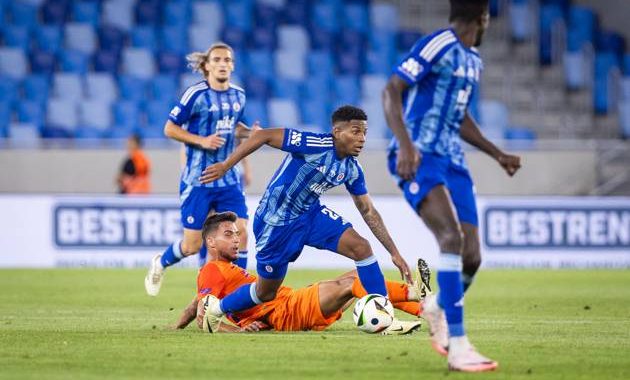
Slovan Bratislava edge Celje in extra-time thriller to book Champions League return
There are nights in European football that feel bigger than the scoreline. Nights when the air is thick with expectation, the stands are bouncing, and every tackle carries the weight of a season. Monday night? No. Let’s get the calendar straight first, because the actual drama unfolded on a warm late-August evening in Slovenia, 26 August 2026, at Stadion Z’dežele. NK Celje against ŠK Slovan Bratislava. Second leg of the UEFA Champions League play-off. First leg finished 1-1 in Bratislava. Aggregate everything still to play for. What we got was a 1-2 after extra time, 2-3 on aggregate, and a Slovak side punching their ticket back into the league phase of Europe’s biggest club competition.
Celje, the Slovenian champions, had already enjoyed a strong European run in recent seasons, reaching the Conference League knockout stages. This was their shot at something rarer still: the Champions League proper. For Slovan, under the still-new managerial guidance of Yaya Touré, it was about reclaiming a place they had tasted before and clearly still believed they belonged in. The atmosphere in Celje that night was electric. Nearly 11,500 packed into the ground, a proper European crowd for a club of their size, waving flags, singing, and sensing history.
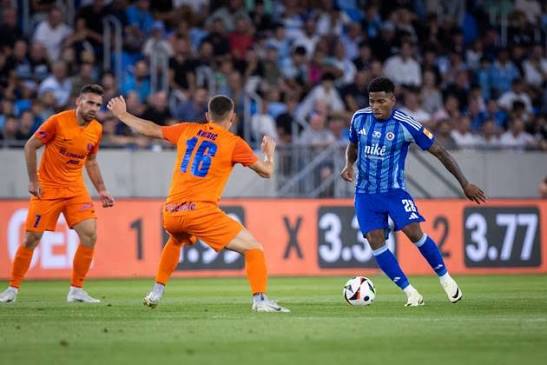
Preview: Two clubs, one mountain to climb
Going into the second leg the tie sat perfectly balanced. The first meeting in Bratislava had been cagey, a 1-1 draw that left both sets of supporters optimistic and slightly nervous. Celje had shown they could travel and compete. Slovan had shown they could control periods of the game and find a way through. The return in Slovenia promised intensity. Celje would have the crowd, the familiarity of their own pitch, and the knowledge that a win would put them within touching distance of the group stage riches. Slovan would arrive organised, experienced at this level of knockout football, and carrying the quiet confidence of a side that had already navigated earlier qualifying rounds.
Touré’s appointment had raised eyebrows in some quarters. A midfield great as a player, still learning the managerial ropes. Yet the early signs were promising. Slovan looked compact, dangerous on the break, and blessed with quality in key areas. Andraž Šporar, the captain and talismanic striker, remained the focal point. Cristian Martínez offered energy and technical ability in midfield. The defence, marshalled by the likes of Kenan Bajrić and Svetozar Marković, had largely held firm when it mattered.
Celje, managed by Vítor Campelos, had their own strengths. They pressed high, moved the ball quickly through midfield, and possessed creative threats in Svit Sešlar and others. The home side had already shown resilience by progressing through earlier rounds. This was the biggest test yet. The question hanging over the fixture was simple: could Celje turn territorial dominance into goals against a side that knew how to frustrate and counter? Or would Slovan’s experience and clinical edge tell once more?
Pre-match talk focused on the psychological edge. A draw would force extra time. A single goal could swing everything. Neither side could afford a slow start. The referee, Alejandro Hernández from Spain, was expected to let the game flow as much as possible in what promised to be a physical, high-stakes contest.
Analysis: Possession without the prize
What unfolded was a classic European knockout story. Celje controlled large stretches of the match. They enjoyed around 62 per cent of the possession, completed far more passes, and created more chances in volume. Their expected goals figure sat significantly higher. On another night the Slovenian side would have been out of sight. On this night the finishing deserted them at the decisive moments, and Slovan punished the gaps that appeared when the home side pushed.
Slovan’s approach was pragmatic and effective. They sat in a disciplined shape, absorbed pressure, and waited for the moments to break. When those moments came they were ruthless. Šporar’s early goal settled any nerves and forced Celje to chase the game earlier than they would have liked. Even after the equaliser, the visitors never completely lost their shape. They defended their box with organisation and numbers. When the game stretched into extra time, the fresher legs and clearer heads belonged more to the away side.
Celje’s midfield worked tirelessly. Sešlar was involved in almost everything positive. The home full-backs pushed high. The centre-backs had to deal with occasional long balls and transitions. But the final ball and the finishing touch kept letting them down. Big chances went begging. Posts were hit. Goalkeeper saves were forced but not always from the most dangerous positions. In knockout football, especially over two legs with away goals no longer the tiebreaker in the same way, efficiency matters more than aesthetics. Slovan were the more efficient side.
Touré’s substitutions also carried weight. The introduction of Nino Marcelli in particular helped create the decisive moment. Celje’s changes added energy but not the clinical edge required. By the time the red card arrived late in extra time for Andrej Kotnik, the damage was already done. Frustration had boiled over. The home crowd, which had been magnificent, began to sense the opportunity slipping away.
Tactically it was a victory for game management. Slovan did not need to dominate the ball. They needed to stay in the contest, take their chances, and survive the periods of pressure. They managed all three. Celje will look back on the missed opportunities with real regret. They were the better team for long periods. Football, especially at this level, rarely rewards pure territorial superiority without the goals to match.
Top highlights: The moments that decided everything
The night’s defining moments arrived with clarity.
In the 18th minute Slovan struck first. A well-weighted pass from Kenan Bajrić found Šporar in a dangerous area. The captain finished clinically with his right foot. 0-1. The away end erupted. The home crowd fell into a temporary hush before responding with even greater volume. An early goal away from home in a play-off second leg is pure gold. It forces the hosts to open up and creates the exact conditions a counter-attacking side wants.
Celje’s response was impressive. They kept playing. They kept pressing. In the 34th minute the equaliser arrived from the penalty spot. After a foul and a VAR check, Svit Sešlar stepped up and converted coolly with his left foot. 1-1. The stadium exploded. Suddenly the tie was level again on the night and still delicately poised on aggregate. Sešlar’s composure under pressure was outstanding. For a moment it felt like the momentum had swung decisively toward the home side.
The second half became a battle of attrition. Celje continued to create. Slovan continued to frustrate. Yellow cards began to accumulate. The game grew more physical. Neither side could find a second goal before the ninety minutes were up. Extra time loomed, and with it the knowledge that one moment of quality or one defensive lapse would decide everything.
That moment arrived in the 100th minute. A quick transition, a precise pass from substitute Nino Marcelli, and Cristian Martínez arrived to finish with a composed right-footed effort that left the Celje goalkeeper with little chance. 1-2. The Slovak players celebrated wildly. The home supporters were stunned into near silence. From that point the task for Celje became enormous. They threw bodies forward. They created late pressure. But the goal would not come.
Late drama still remained. In the 119th minute Andrej Kotnik, already off the pitch, received a red card for dissent and abusive language. It was the final, sour note on a night of high emotion. The final whistle confirmed what the scoreboard already showed. Slovan had done enough. They were through 3-2 on aggregate after extra time.
Those three goals tell the story cleanly: Šporar’s early strike, Sešlar’s penalty reply, and Martínez’s extra-time winner. Everything else was context, pressure, near-misses and the relentless noise of a passionate home crowd that deserved better than the final outcome.
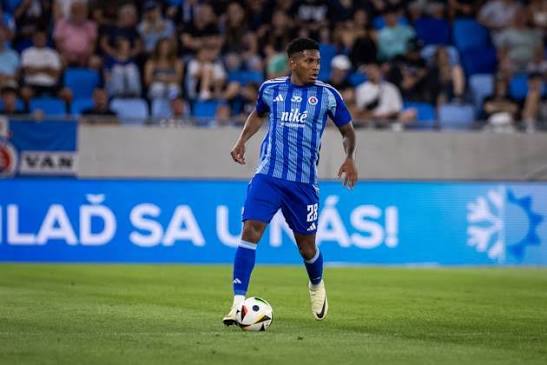
Summary: A night of fine margins and big consequences
When the dust settled, ŠK Slovan Bratislava had secured their return to the Champions League league phase. For a club of their stature in Slovak football it was a significant achievement, especially under a relatively new coach. Yaya Touré’s side had shown character, organisation and the ability to take the key moments. They will now prepare for the challenge of facing Europe’s elite on a regular basis, with the financial and competitive rewards that come with it.
For NK Celje the disappointment was obvious and understandable. They had come so close. They had been the more progressive side for large parts of the contest. They had created enough chances to win the tie. Yet the final step, the conversion of dominance into goals at the vital times, eluded them. Dropping into the Europa League league phase is still a strong outcome for a Slovenian club, and the prize money and exposure remain valuable. But the sense of what might have been will linger. Campelos and his players can take pride in the performance even while mourning the result.
This was European football at its rawest: two well-matched sides, a passionate crowd, fine margins, and a result decided in the additional thirty minutes when legs and minds are tired. Celje will regroup and look to make an impact in the Europa League. Slovan will enjoy the validation of reaching the Champions League proper once more and will now face the very different challenge of competing week after week against stronger opposition.
In the end the scoreboard read NK Celje 1, Slovan Bratislava 2 after extra time. Aggregate 2-3. A hard-fought, memorable night in Slovenia that sent one club into the biggest stage of all and left the other reflecting on how narrow the gap can be at this level. Football rarely hands out consolation prizes on nights like this. It simply records the result, and the winners move on.
