
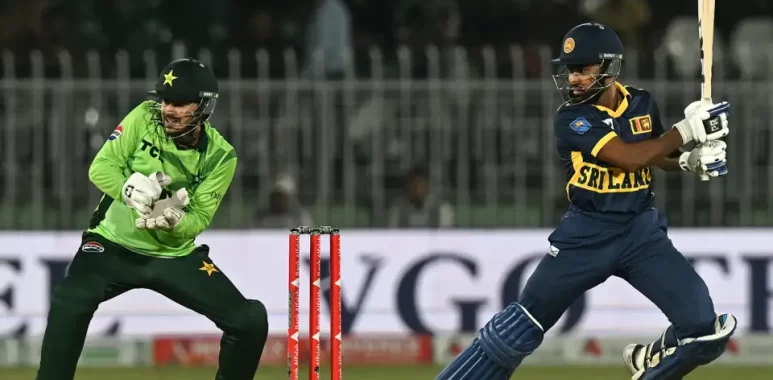
Pakistan edge Sri Lanka by 37 runs in tri-series opener
Pakistan opened their account in the 2026 ODI Tri-Series with a hard-fought 37-run victory over Sri Lanka at the Rawalpindi Cricket Stadium on a mild Sunday evening in October. In the first match of a competition that also featured England, the hosts posted 305 and then held their nerve after Sri Lanka mounted a determined middle-order fightback. The win was built on a superb century from Salman Agha and sealed by a clinical display from Pakistan’s pace attack once the visitors’ lower order was exposed.
Sri Lanka captain Kusal Mendis won the toss and chose to bowl first under clear skies, hoping the early moisture and the natural grass on a fresh Rawalpindi surface would assist his seamers. The decision looked justified almost immediately. Dilshan Madushanka, operating with a full length and a hint of movement, removed Saim Ayub for 7 and Fakhar Zaman for 16 inside the first six overs. Pakistan were 32 for 2 and the crowd, which had filled the stands in good numbers for the day-night fixture, grew quieter. Babar Azam and debutant wicketkeeper-batsman Saad Baig then steadied the innings with a composed partnership. Babar looked in good touch, driving through the covers and working the ball into the gaps with characteristic precision, while Baig showed composure on debut, mixing solid defence with the occasional aggressive stroke. Their stand of 74 took Pakistan past the hundred mark before both fell in quick succession. Babar was caught for 45 off Eshan Malinga, and Baig followed for 39, also to Malinga, leaving Pakistan at 118 for 4 in the 22nd over.
At that stage the innings could easily have unravelled. The middle order looked thin and Sri Lanka’s bowlers were operating with control. Into this pressure walked Salman Agha. What followed was an innings of high quality and clear thinking. Agha assessed the situation quickly, rotating the strike, punishing anything loose, and gradually building momentum. He found useful partners in Hasan Nawaz and later Arafat Minhas. Nawaz contributed a valuable 37, helping Agha add 97 runs for the fifth wicket. The pair worked the ball into the spaces, ran hard between the wickets, and kept the required rate under control without taking unnecessary risks. Once Nawaz departed, Minhas provided lively support with an 18 that included two boundaries, allowing Agha to accelerate.
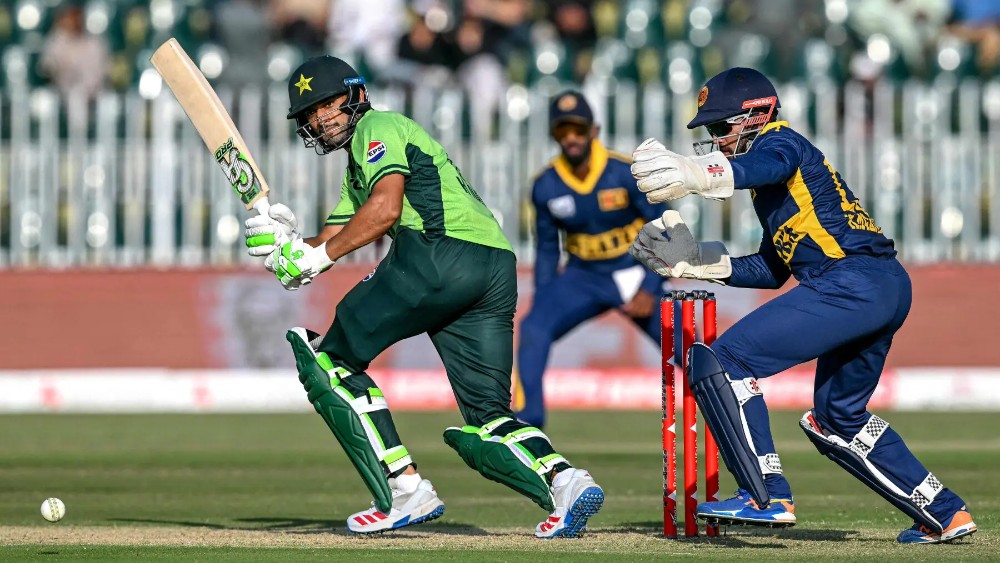
Agha reached his century with a crisp drive and celebrated with understated relief more than exuberance. It was his fourth ODI hundred and one that arrived at the perfect moment for his team. He finished with 107 from 90 balls, including ten fours and a six, before falling in the 47th over to Asitha Fernando. By then Pakistan had climbed past 290. The late overs, however, belonged to Sri Lanka’s death bowlers. Malinga returned to claim two more wickets and finished with excellent figures of 4 for 46 from 9.5 overs. Fernando claimed three wickets for 59, and Pakistan lost their last five wickets for only 26 runs, eventually being bowled out for 305 in 49.5 overs. It was a competitive total on a surface that offered something for the bowlers throughout, but it was not the imposing score Pakistan might have hoped for after Agha’s reconstruction work.
The chase began cautiously for Sri Lanka. Naseem Shah and Shaheen Shah Afridi, the Pakistan captain, both found early rhythm. Avishka Fernando fell for 5, caught by Faheem Ashraf off Naseem, and the early pressure told. Kusal Mendis, leading from the front, managed only 18 before Ashraf had him caught. Kamindu Mendis looked more fluent, striking four boundaries in a 44 that briefly stabilised the innings, but he too fell to Afridi, caught by Ashraf. At 91 for 4 after 19.3 overs, Sri Lanka were behind the required rate and short of partnerships.
What followed was the most absorbing phase of the match. Pavan Rathnayake and Janith Liyanage came together and produced a partnership of real quality. Rathnayake, who would go on to finish the series as the leading run-scorer, played with freedom and intelligence. He drove well, pulled anything short, and kept the scoreboard moving. Liyanage offered solid support, rotating the strike and occasionally finding the boundary himself. Their 119-run stand for the fifth wicket brought the target within reach and shifted the atmosphere inside the stadium. At one stage Sri Lanka needed only 55 runs from the final seven overs with five wickets still in hand. The crowd grew nervous. Pakistan’s fielders tightened, and the bowling changes became more frequent.
The decisive moment arrived when Liyanage, on 60 from 74 balls, attempted to force the pace against Haris Rauf and was caught by Babar Azam. The wicket opened the door. Rathnayake followed soon after for a well-made 79 off 74, also falling to Ashraf. From 253 for 5, Sri Lanka collapsed dramatically. Dasun Shanaka struck a brisk 28 that included a six, but Afridi removed him. Naseem and Rauf then cleaned up the tail. The last five wickets tumbled for just 15 runs. Eshan Malinga was run out, and Asitha Fernando was bowled by Rauf in the 49th over. Sri Lanka were all out for 268 in 48.1 overs, 37 runs short of the target.
Afridi finished with three wickets for 55, Naseem took two for 43, Rauf claimed two, and Ashraf also took two. The collective effort of the pace unit, rather than any single individual, ensured Pakistan closed out the contest. Agha was the clear choice for player of the match, his century having given the hosts a total they could defend and his calm presence under pressure having set the tone for the evening.
The match offered several talking points beyond the result. Saad Baig’s debut was promising. He kept tidy and contributed useful runs with the bat. Pakistan’s middle-order dependence on Agha was both a strength and a concern; the late batting collapse showed that the lower order still needs work. For Sri Lanka, the batting of Rathnayake and Liyanage was encouraging, but the inability to finish the chase will rankle. Their bowling unit, particularly Malinga and Fernando at the death, performed creditably and restricted Pakistan from posting a more daunting total.

Rawalpindi provided a fair surface that rewarded both disciplined bowling and intelligent batting. The day-night conditions added a layer of challenge as the ball grew older and the lights took full effect. Crowds turned out in solid numbers, creating a lively atmosphere that rose and fell with the momentum of the contest. For Pakistan, the victory was an ideal start to a home tri-series that carries significance as they prepare for larger challenges ahead. For Sri Lanka, it was a reminder that promising positions must be converted, especially against a side with the bowling resources Pakistan possess.
Looking at the broader picture of the tri-series, the result placed Pakistan top of the early table and gave them early breathing room. England were still to play their first match, and the competition remained wide open downstream. Yet for one evening in October the focus stayed on Agha’s measured hundred, the late drama of Sri Lanka’s collapse, and a home side that found a way to win when the contest tightened. Cricket matches of this nature often hinge on a single passage of play. In Rawalpindi it was the period after Liyanage’s dismissal, when Pakistan’s seamers sensed vulnerability and refused to release the pressure. Sri Lanka, having worked so hard to get themselves into a winning position, could not find the composure required in the final overs.
Salman Agha’s innings will be remembered as the foundation. He arrived when the scoreboard looked precarious and left only after ensuring his team had a defendable total. The supporting roles of Nawaz and Minhas, the early contributions of Babar and Baig, and the collective discipline of the bowling attack completed the picture. Sri Lanka can take pride in the fight shown by Rathnayake and Liyanage and in the death bowling of Malinga and Fernando. They will also know that opportunities to chase down 300-plus totals do not arrive every day, and this one slipped away.
As the players left the field and the floodlights continued to illuminate the Rawalpindi outfield, the result stood clear. Pakistan had won by 37 runs. The tri-series had begun with a contest of substance, and both sides now turn their attention to the matches that follow, carrying lessons from an evening that swung one way and then the other before settling in favour of the hosts.
