
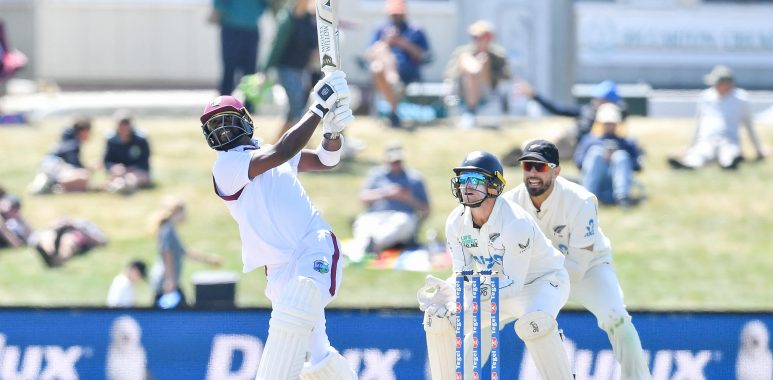
A Christchurch Epic: West Indies Defy the Odds to Salvage a Thrilling Draw in the First Test
Christchurch, that serene city nestled against the backdrop of the Southern Alps, has long been a fortress for New Zealand cricket at Hagley Oval. The ground, with its picture-perfect setting and reliable bounce, has witnessed some memorable battles. But few could have predicted the drama that unfolded between December 2 and 6, 2025, when the West Indies arrived for the opening Test of their tour. What started as a seemingly straightforward victory for the hosts transformed into one of the most remarkable rearguards in recent Test history, culminating in a hard-fought draw that left fans on the edge of their seats until the final moments.
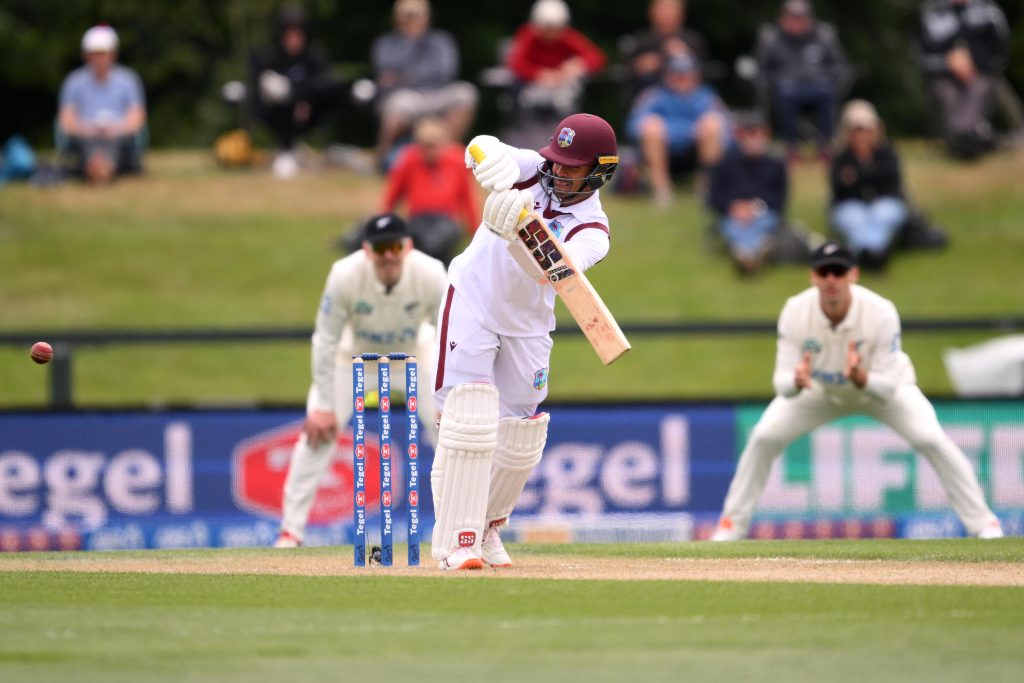
The match had all the ingredients of a classic: fluctuating fortunes, heroic individual performances, and a pitch that offered something for everyone across the five days. New Zealand posted competitive totals, their bowlers struck early and often, but the Caribbean visitors, led by an inspired Justin Greaves, refused to yield. In the end, West Indies reached 457 for 6 in their second innings, chasing a daunting target of 531, falling short of a win but securing a share of the spoils in a contest that will be talked about for years.
Day one dawned under clear skies, with a decent crowd gathering at Hagley Oval eager for the start of the summer Test season. West Indies captain Roston Chase won the toss and elected to bowl first, a decision that looked astute as the New Zealand top order wobbled. Kemar Roach, the veteran pacesetter, struck early, dismissing Devon Conway for a duck with a delivery that shaped away beautifully. Tom Latham and Kane Williamson steadied the ship briefly, but Justin Greaves, operating as an all-rounder, made an immediate impact with the ball.
Greaves removed Williamson for 52 with a sharp delivery that squared up the former captain, and soon after accounted for Latham. The home side slumped to 95 for 3. Rachin Ravindra, the young star, came in and looked fluent but fell cheaply to Jayden Seales. Will Young and Tom Blundell tried to rebuild, yet the West Indies seam attack, led by Roach, Seales, Johann Layne, and Ojay Shields, maintained relentless pressure. Michael Bracewell provided some resistance with 47, but New Zealand were bundled out for 231 in 70.3 overs. It was a score that felt below par on a surface that offered assistance but also rewarded patience.
West Indies’ reply began shakily. John Campbell edged Zak Foulkes early, and Alick Athanaze was bowled by a peach from Matt Henry. Shai Hope and Tagenarine Chanderpaul dug in, forming a crucial partnership. Hope scored a gritty 56 before Jacob Duffy, New Zealand’s debutant or emerging seamer, triggered a collapse. Duffy claimed five wickets, including Hope and the lower order, as West Indies folded for 167. Chanderpaul top-scored with 52, but the visitors trailed by 64 runs. The bowling from Henry and Duffy, exploiting the overcast conditions and seam movement, was clinical. At the end of day two, New Zealand held a clear advantage.
The third day belonged firmly to the Black Caps. Tom Latham, leading from the front, and Rachin Ravindra produced a masterclass in batting. New Zealand extended their lead methodically, with Ravindra in particular showcasing his full repertoire. His 176 off just 185 balls was a blend of elegant drives, powerful pulls, and clever rotations. He reached his milestones with authority, punishing anything loose. Latham complemented him perfectly with a patient 145, and the pair added a massive 279 for the third wicket.
By the time New Zealand declared at 466 for 8, they had built a lead of 530 runs. Ravindra’s knock was particularly special, coming on the back of strong domestic form and cementing his place as one of New Zealand’s premier talents. Kemar Roach picked up five wickets in the innings, a reminder of his enduring class even at this stage of his career. The declaration set West Indies a target of 531, a mountain that few teams have scaled in the fourth innings. Most observers expected a routine victory for the hosts as the visitors began their chase late on day three.
Day four saw West Indies fight back with resilience. Shai Hope again anchored the innings, this time with a superb 140 that mixed defense with calculated aggression. But the middle order faltered once more, leaving the lower half exposed at 72 for 4 or thereabouts at one stage. The game appeared all but over. Enter Justin Greaves and the tail. Greaves, who had already contributed with the ball, took on the responsibility of saving the match.
What followed was nothing short of extraordinary. Greaves batted for over nine hours, facing 388 deliveries for his unbeaten 202. It was a knock defined by patience, concentration, and an unyielding temperament. He started cautiously, respecting the good balls from Duffy, Henry, and Nathan Smith, but gradually grew in confidence. His footwork against the spinners, particularly Michael Bracewell, was impeccable, and he punished width with crisp boundaries.
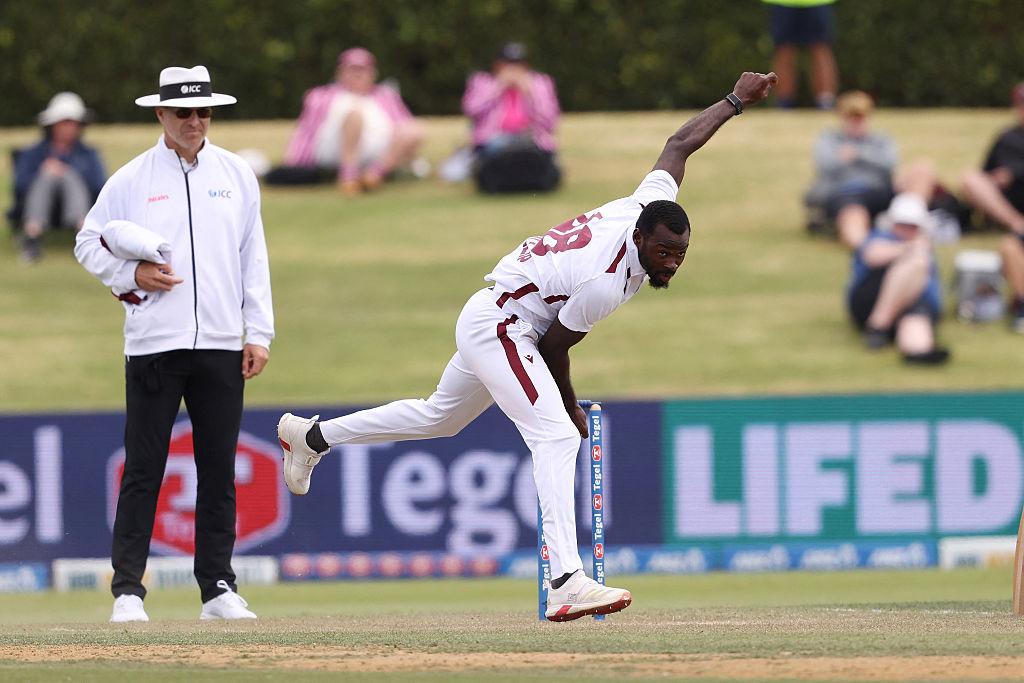
Kemar Roach, the old warhorse, joined him at the crease and played the perfect supporting role. Roach, typically a lower-order hitter, showed remarkable restraint, scoring an unbeaten 58 and forming a 180-plus partnership with Greaves. Together, they blunted New Zealand’s attack as the overs ticked by. The crowd, initially roaring for wickets, fell into a respectful silence, appreciating the sheer willpower on display. West Indies reached stumps on day four in a much stronger position, still needing plenty but with hope alive.
The final day was all about whether West Indies could hold firm or if New Zealand could force a breakthrough. The pitch had flattened out somewhat, but there was still enough in it for the bowlers. Duffy toiled hard, sending down over 40 overs and claiming three wickets in the innings, but he met his match in Greaves. Henry and Smith probed away, while Bracewell tried variations, yet the West Indian duo remained resolute. Greaves brought up his double century to thunderous applause from the traveling supporters and neutral fans alike. It was only the fourth such instance by a West Indian in the fourth innings of a Test.
As the shadows lengthened across Hagley Oval, Tom Latham shook hands with the West Indies batsmen, signaling the draw. West Indies had finished on 457 for 6, the second-highest successful fourth-innings total in history without winning, or at least one of the greatest escapes. Greaves was rightfully named Player of the Match for his all-round brilliance: 2 wickets and that monumental 202 not out.
This result carries significant weight beyond the scoreboard. For West Indies, it marks a statement of intent. Often criticized for inconsistent performances in red-ball cricket, this display of fight and character, especially from Greaves and Roach, suggests a team rebuilding with purpose under Chase’s leadership. Shai Hope’s two half-centuries and centuries across the match highlight his class as a leader and batter. The seam attack, though expensive at times in the second innings, showed they can trouble top teams on helpful surfaces.
For New Zealand, there will be mixed emotions. They dominated large parts of the game and will feel they let a victory slip. The batting depth and the centuries from Latham and Ravindra were highlights, reinforcing the strength of their top order. However, the inability to break the Greaves-Roach stand on the final day points to areas for improvement in their bowling attack’s endurance and variety. Jacob Duffy’s five-wicket haul in the first innings was promising, but the workload on the final day took its toll. Kane Williamson’s return added experience, yet the team will analyze how to close out such positions in future.
Hagley Oval itself played its part. The ground’s reputation for fair contests was upheld, with the surface offering seam movement early and then becoming more batsman-friendly. The atmosphere was electric at times, with Kiwi supporters in full voice and a vocal contingent of West Indies fans waving flags and chanting throughout. Cricket at its purest, where individual brilliance and team spirit collide under pressure.
Looking ahead in the series, this draw sets up an intriguing contest. New Zealand will be eager to bounce back strongly in the second Test, while West Indies will carry momentum and belief. The Caribbean side has historically struggled away from home in Tests, but moments like Greaves’ epic can ignite a squad. Players like Roach, still delivering at the highest level, provide that veteran guidance, while emerging talents gain invaluable experience.
Beyond the immediate series, this match feeds into the World Test Championship. Both teams earned points from the draw, keeping their campaigns alive. New Zealand, as consistent performers in the format, know the importance of converting dominance into wins. West Indies, with a history of producing match-winners, have reminded everyone of their potential when the conditions and mindset align.
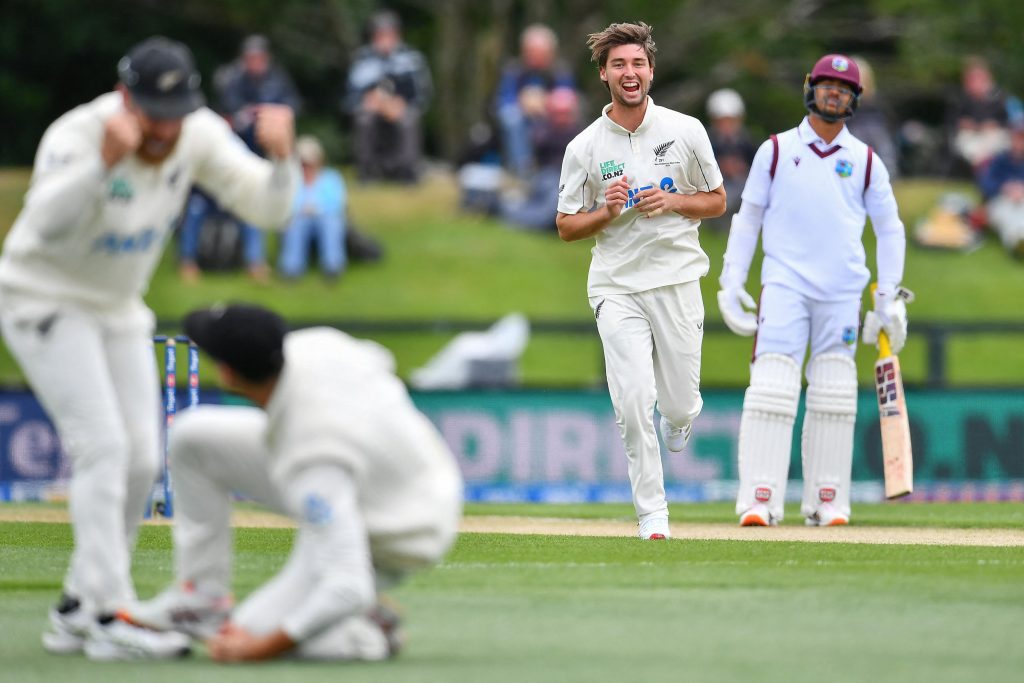
Reflecting on the broader context, Test cricket continues to thrive on such narratives. In an era where shorter formats dominate headlines, a five-day epic that ends in a stalemate but feels like a victory for the underdogs captures the essence of the longest format. Justin Greaves’ innings joins the annals of great rearguards alongside names like Brian Lara, Steve Waugh, or more recently, players who have batted hours to save their side.
Fans leaving Hagley Oval on that final evening carried stories of resilience. For the West Indies dressing room, it was jubilation mixed with relief. For New Zealand, frustration tempered by respect for the opposition’s effort. Cricket, as always, proved bigger than the result.
As the teams prepare for the next encounter, one thing is certain: the 2025-26 series between these two proud nations has started with a bang. Whether it’s the flair of Ravindra, the grit of Greaves, or the craft of Roach and Duffy, enthusiasts worldwide will be tuning in for more. Christchurch delivered a thriller, and the tour promises plenty more excitement. In the end, it was not just a drawn Test, but a celebration of what makes this game enduringly special.
