
Terrinoth: Heroes of Descent – A Fresh Dungeon Crawl That Feels Like Sitting Down With Old Friends and a Stack of Dice
By the time Terrinoth: Heroes of Descent dropped on June 7, 2026, I’d already sunk a good chunk of my free time into its demo. Like a lot of folks who grew up on Fantasy Flight Games’ Descent board games, I was equal parts excited and skeptical. The tabletop series has always been this perfect mix of heroic fantasy cheese and brutal, tactical dungeon crawling. Could a video game adaptation capture that lightning in a bottle without turning into just another forgettable tactical RPG?
Nine days later, after finishing the main campaign and dipping into a few replayable missions, I can say this: it mostly succeeds. It’s not going to dethrone Baldur’s Gate 3 or reinvent the genre, but as a breezy, approachable co-op dungeon crawler that respects your time, Heroes of Descent is a solid hit. Think Gloomhaven meets a streamlined Divinity: Original Sin 2, but with controller-friendly vibes and bite-sized sessions perfect for modern life.
Stepping Back Into Terrinoth
For those new to the setting, Terrinoth is the high-fantasy world of the Descent series – think classic Tolkien-inspired realms with elves, dwarves, orcs, undead hordes, and ancient relics that probably shouldn’t be messed with. Heroes of Descent is set as a standalone prequel about a year before Descent: Legends of the Dark. Dark forces are stirring, an occult master is causing trouble, and there’s a mysterious forgotten relic that could tip the balance between light and eternal darkness.
You play as a party of up to four heroes (solo with AI companions or online co-op), answering the call of Baroness Harriet the Willful to investigate undead incursions in places like the Crypts of Aerendor. The story unfolds across four themed chapters, each broken into self-contained missions that can be tackled in one sitting – roughly 20-30 minutes to an hour or two each, depending on how much you poke around. There are 20 handcrafted dungeons total, with unique environments, traps, puzzles, and fully voiced NPCs whose dialogue shifts based on your party composition.
I’ll be honest: the narrative isn’t going to blow your mind. It’s serviceable fantasy fare – plucky heroes bantering, dark secrets revealed at convenient moments, a few twists that land better than others. Some character backstories feel a bit rushed or exposition-heavy because there’s no real “camp phase” for deep interactions outside missions. One reviewer nailed it when they compared it to playing D&D with a DM who’s still finding their feet.
But here’s the thing – it works in context. This game knows it’s a digital board game at heart. The focus is on the adventure, the fights, and the satisfaction of overcoming a tough dungeon with your crew. The voice acting is decent, the writing has charm (especially the quippy hero banter during exploration), and the world feels lived-in enough that I cared about pushing forward. It’s not The Witcher 3, but it doesn’t need to be.
Building Your Party: 8 Heroes, Real Synergy
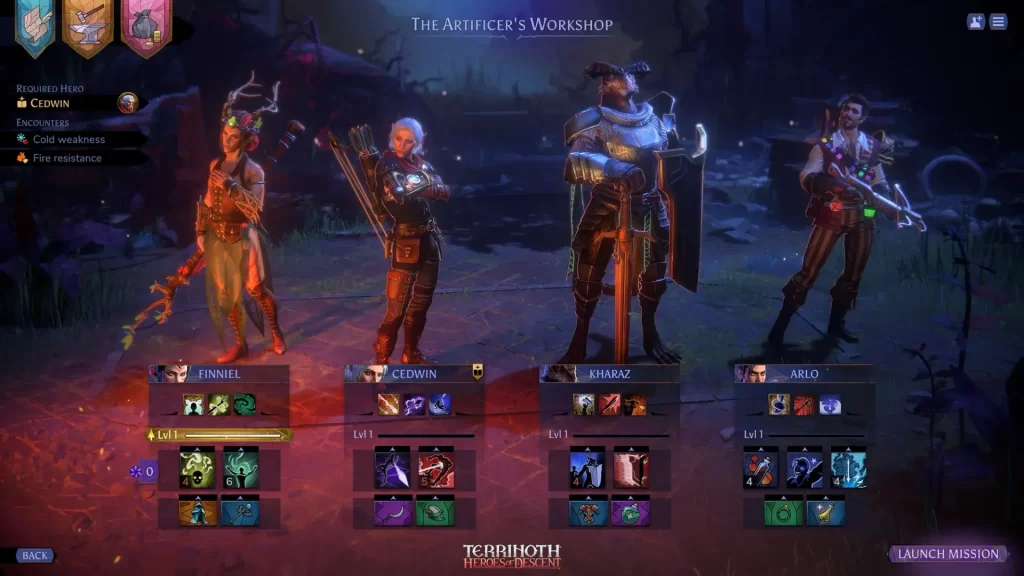
One of the strongest parts is the character roster. There are eight signature adventurers, each with distinct backgrounds, combat styles, and personalities. You’ll start with a core group and unlock more as you progress. Examples include:
- Myria, the fiery (literally) priestess type with crowd-control and resistance-shredding abilities.
- Kharaz or similar breath-weapon users who pair amazingly with positioning tricks.
- Tanky fighters, sneaky rogues/archers who can interact with the environment uniquely (smashing crates, swinging to high ledges), healers, mages, etc.
Leveling feels rewarding but not overwhelming. You earn perks, skills, and equipment upgrades at the Forge between missions. There’s a nice sense of progression without spreadsheets of minutiae. Item slots expand, but it’s simplified – choose between raw power boosts or situational tools. No deep inventory management headaches.
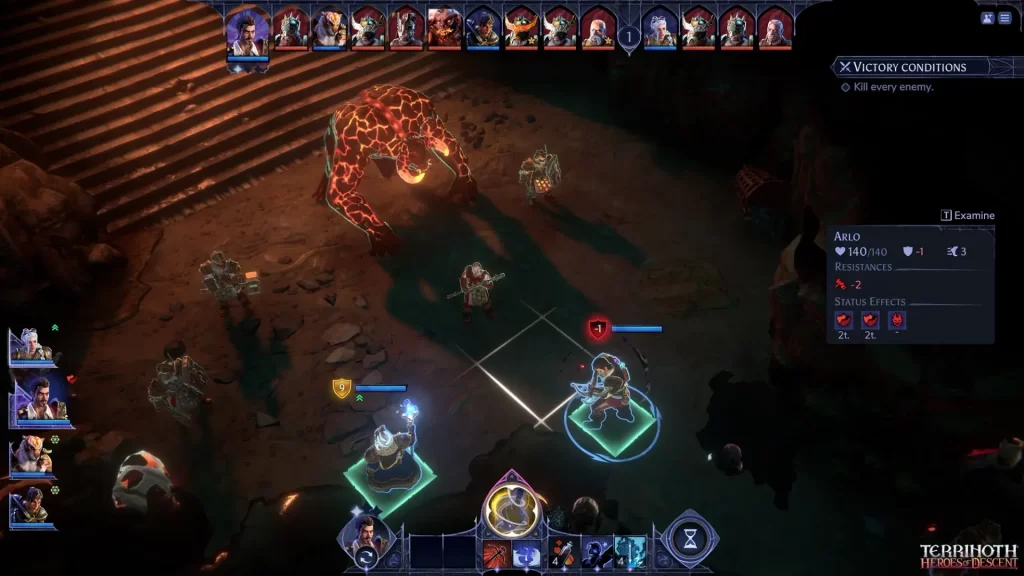
What shines is the Synergy system. Heroes’ abilities interact in fun, combo-friendly ways. Positioning matters hugely thanks to elevation, line of sight, and environmental hazards. Get an enemy’s guard down by exploiting weaknesses, then pile on with team attacks. It’s the kind of tactical depth that makes you high-five yourself (or your co-op buddies) when a plan comes together. Solo play works great because you can swap control seamlessly, but co-op is where it sings – friends dropping in mid-dungeon, coordinating live.
I ran a party with a balanced mix and loved experimenting. One run, I leaned heavy into fire synergies; another, I focused on mobility and hit-and-run tactics. The game encourages replayability through different mission selections and hero builds.
Exploration and Combat: The Heart of the Game
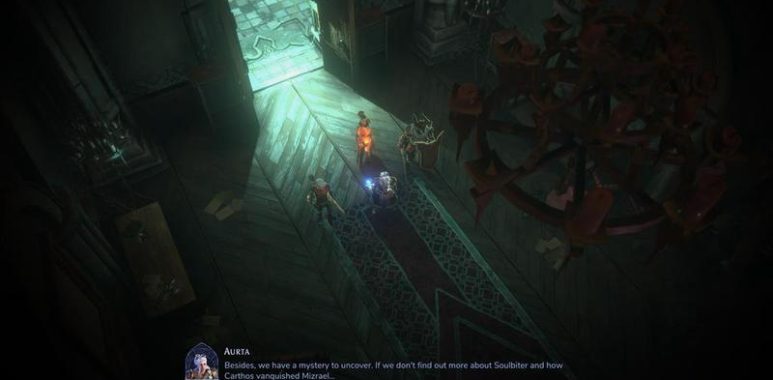
Gameplay loops between real-time exploration and turn-based tactical combat. Dungeons are beautiful, atmospheric spaces – torchlit crypts, overgrown ruins, shadowy caverns. You move your party (or switch characters) in real time, solving light puzzles, disarming traps, hunting treasures, and triggering conversations. Breakable objects, character-specific interactions, and secrets keep things engaging.
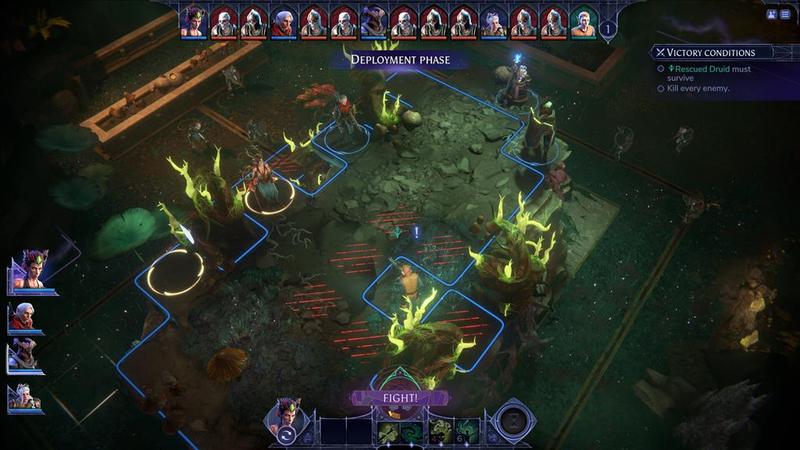
When enemies appear, it shifts to grid-based turn-based combat. Each hero gets 3 Action Points (AP) per turn for moving, attacking, using abilities, or items. It’s accessible – no steep learning curve – but has layers. Timing, flanking, AoE placement, and those synergy finishers make fights feel dynamic and tense, especially on higher difficulties or against bosses.
Boss fights are highlights: big, multi-phase spectacles with adds, mechanics to learn, and cinematic flair. Early undead hordes feel like classic Descent Overlord encounters brought to life. Combat is crunchy enough to be satisfying but never punishingly complex. I died a few times learning patterns, reloaded, adjusted my approach, and felt smart for it.
Performance is rock solid on PC (I played on a mid-range rig), with great controller support across platforms. Load times are quick, visuals are crisp with nice lighting and particle effects for spells. It runs smoothly on consoles too, from what I’ve seen in footage and reports.
The Good, The Okay, and The “Could’ve Been Better”
Pros that stand out:
- Session-friendly design: Perfect for busy adults. Jump in a mission, finish it, feel accomplished.
- Co-op focus: Online multiplayer shines; drop-in/drop-out is seamless.
- Tactical combat depth: Surprisingly engaging for how approachable it is.
- Replay value: Multiple paths, hero builds, one-shot missions, and four campaigns.
- Faithful to the board game spirit: Feels like a natural evolution of Descent without the setup/teardown hassle.
Cons and nitpicks:
- Narrative and role-playing depth are light. Limited character interaction outside combat/exploration means less emotional investment.
- Exploration can feel a bit linear at times; puzzles are straightforward.
- Some missions blend together if you binge them. The “one-shot” strength is also a slight weakness for long-term campaign immersion.
- Not revolutionary – it’s a refinement more than innovation.
Steam reviews sit at “Mostly Positive” (around 73% as of now), which tracks with my experience. Critics have given it middling-to-good scores, often praising accessibility while noting it plays things safe.
Who Should Play This?
If you love tactical RPGs but hate 100+ hour commitments or fiddly systems, this is for you. Fans of the Descent board games will feel right at home and appreciate the digital convenience. Co-op groups looking for something lighter than Baldur’s Gate or Warhammer video games will have a blast. Solo players get a competent AI that doesn’t drag things down.
It’s not perfect, but at its $35-ish price point (with launch discounts), it delivers excellent value. I’ve already sunk 25+ hours and plan to revisit with different parties.
Final Verdict: 8/10 – A Heroic Return to Terrinoth
Terrinoth: Heroes of Descent isn’t trying to be the biggest or most ambitious RPG of 2026. It’s trying to be fun, approachable, and replayable – and it nails that brief. In a year full of massive open-world epics, there’s something refreshing about a game that respects your evening and delivers satisfying tactical highs without the bloat.
It captures the thrill of gathering friends (real or AI), delving into dangerous depths, pulling off clever combos, and emerging victorious with better gear and stories to tell. The relic hunt might not reshape fantasy gaming forever, but the journey? Worth every step.
If you’re on the fence, grab the demo on Steam. You’ll know within an hour if it clicks. For me, it did – and I’m already eyeing those post-launch updates or potential DLC. Terrinoth’s heroes have descended, and they’ve earned their place on my hard drive. Highly recommended for dungeon-crawling enthusiasts who want substance without the slog.
