
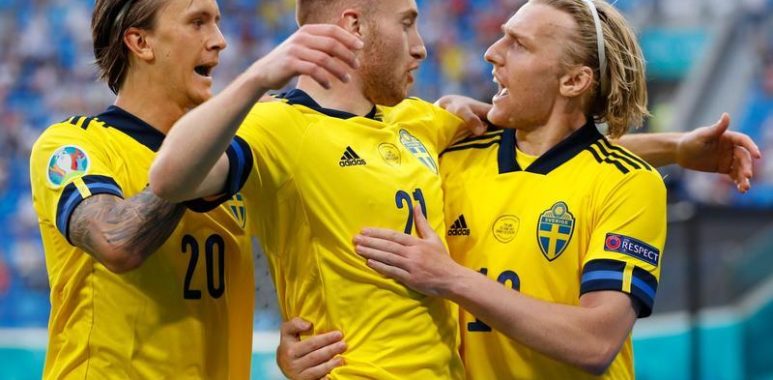
Sweden 5-1 Tunisia: A Statement Win in the Mexican Heat as Potter’s Men Roar into the World Cup
MONTERREY, Mexico — You could feel the buzz in the air even before kickoff at the Estadio BBVA in Guadalupe. The 2026 FIFA World Cup was properly underway for Group F, and Sweden versus Tunisia wasn’t just another opening match. It was a clash of styles, histories, and personal stories wrapped up in the sweltering North American summer. By the final whistle on Monday, June 15 (local time adjustments from the Sunday evening kickoff), Sweden had delivered a performance that sent shockwaves through the tournament: a ruthless 5-1 demolition that announced them as serious contenders.
I’ve covered my share of World Cups, and nights like this remind you why we love the game. One team arrives with pedigree and Premier League firepower; the other brings grit, organization, and that classic North African resilience. But on this night, Sweden’s quality, tactical discipline under Graham Potter, and clinical finishing turned what many expected to be a tense scrap into a rout. Let’s break it all down — the preview, the tactical chess match, the unforgettable highlights, and what it all means.
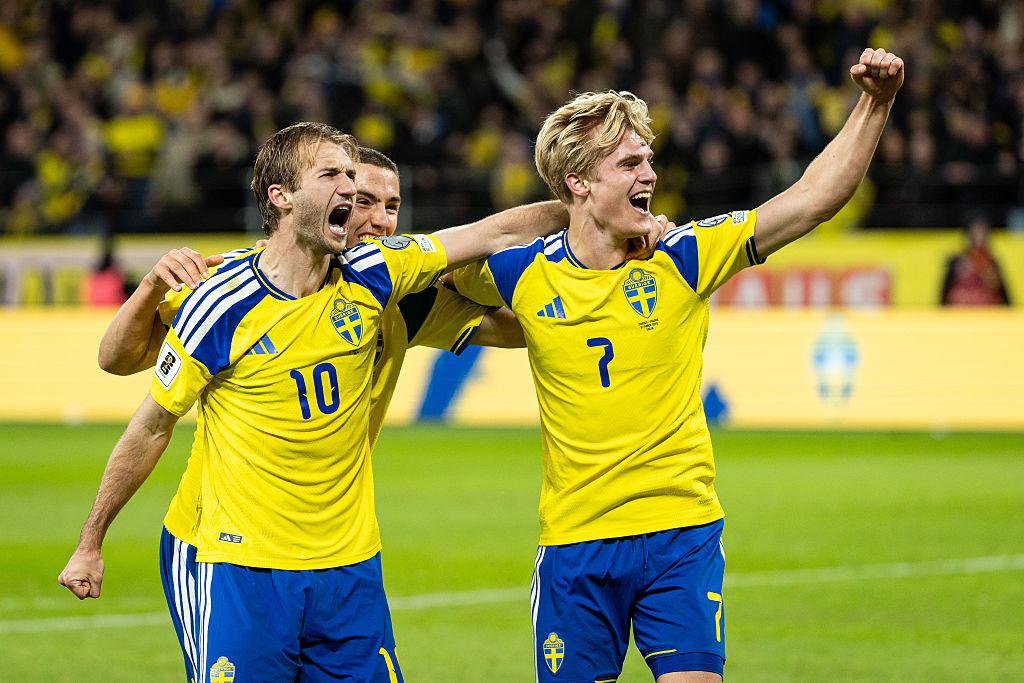
The Preview: High Hopes, Lingering Questions, and Personal Stakes
Heading into this fixture, both sides carried baggage and ambition. Sweden, absent from recent major tournaments after missing Euro 2024 and struggling in previous qualifiers, had rebuilt under Graham Potter. The Englishman, who took over in late 2025 after stints at Chelsea and West Ham that didn’t quite pan out as hoped, found something special in Sweden. He speaks warmly about feeling “very Swedish” — his kids born there, a deep cultural connection forged from his early coaching days in the Swedish lower leagues.
Potter’s side qualified dramatically through the UEFA playoffs, powered by the goals of Viktor Gyökeres and Alexander Isak. The attacking duo — Arsenal’s Gyökeres and Newcastle’s (or wherever he landed by 2026) Isak — formed one of the most feared front lines in the tournament. Behind them, a solid but occasionally leaky defense led by Victor Lindelöf, with young talents like Yasin Ayari and Lucas Bergvall adding midfield dynamism. Sweden’s style under Potter? Patient build-up, high pressing when possible, and lethal transitions. Many pundits tipped them for a top-two finish in Group F alongside the Netherlands and Japan, but there were doubts about their consistency against organized defenses.
Tunisia, the Eagles of Carthage, arrived as perennial overachievers in African football but underdogs here. Led by coach Sabri Lamouchi, they boasted experience in the form of Ellyes Skhiri and Hannibal Mejbri, with a backline known for its compactness. Omar Rekik and the defense were expected to frustrate Sweden. Tunisia’s path to the World Cup was solid, but pre-tournament friendlies showed vulnerabilities — leaky at the back and reliant on moments of magic from individuals.
The personal angle added spice: Yasin Ayari, the Brighton midfielder born in Solna to a Tunisian father and Moroccan mother, starting for Sweden against his father’s homeland. He had chosen Sweden over Tunisia at youth level, a decision rooted in where he grew up, but the family ties were undeniable. Little did anyone know how central that story would become.
Predictions? Most saw a narrow Swedish win, perhaps 2-0 or 2-1, with Tunisia parking the bus and looking for counters. Over 2.5 goals was a popular bet given Sweden’s attack and defensive frailties. The stage was set under the lights in Monterrey — a cauldron for what promised to be a fascinating opener.
Tactical Analysis: Potter’s Masterclass vs. Tunisia’s Collapse
Sweden lined up in a flexible 3-4-1-2 or 3-5-2 shape: Kristoffer Nordfeldt in goal; a back three of Gustaf Lagerbielke, Isak Hien, and Victor Lindelöf; wing-backs Gabriel Gudmundsson and Alexander Bernhardsson; central midfielders Jesper Karlström, Yasin Ayari, and Benjamin Nygren; with Gyökeres and Isak up top. It allowed them width, control, and dual strikers who could interchange.
Tunisia went with a defensive 5-3-2: Mouhib Chamakh in goal; a back five including Yan Valery, Omar Rekik, Montassar Talbi, and others; midfield anchored by Skhiri and Rani Khedira, with Hannibal Mejbri pushing forward. The idea was clear — soak up pressure, stay compact, hit on the break.
From the first whistle, Sweden dictated tempo. Potter’s men pressed high without overcommitting, forcing Tunisia into long balls and errors. The heat and altitude (Monterrey isn’t the easiest venue) seemed to affect Tunisia more as the game wore on. Sweden’s midfield trio, particularly Ayari’s energy and Karlström’s positional sense, won the battle for second balls.
Tunisia’s defensive shape held for the opening minutes but looked rigid. Once the first goal went in, gaps appeared. Hannibal Mejbri tried to create, but Sweden’s full press recovered quickly. Gyökeres dropped deep at times to link play — a hallmark of Potter’s system — creating overloads. By half-time, Sweden led 2-1 but could easily have been further ahead. Tunisia’s goal was a set-piece response, but their inability to sustain pressure exposed a lack of squad depth and tactical flexibility.
Post-match, Potter was measured but proud: his side showed maturity, adapting when Tunisia briefly threatened. The substitutions — Mattias Svanberg, Anthony Elanga, Lucas Bergvall — injected fresh legs and sealed the win. For Tunisia, the defensive lapses were criminal. Coach Lamouchi’s position became untenable; reports emerged hours later of his sacking, with Hervé Renard linked as a potential interim.
xG told part of the story: Sweden around 1.33-2.0+ depending on sources, Tunisia under 0.5. Possession was even-ish (around 54-46), but quality and conversion were worlds apart. Sweden won duels in key areas and exploited transitions masterfully.
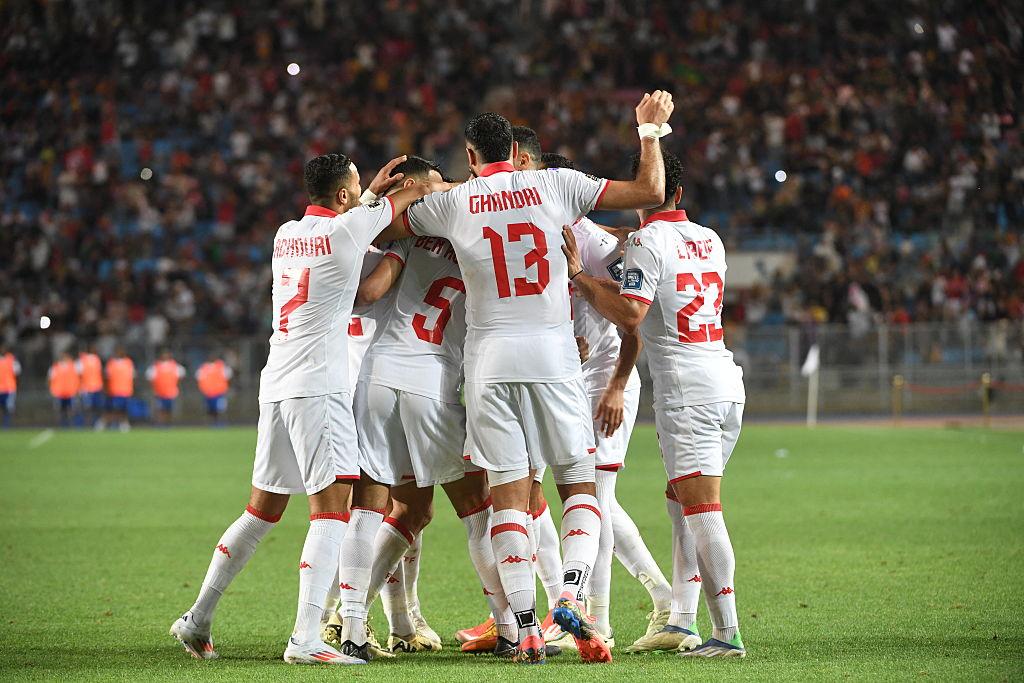
Top Highlights: Goals, Drama, and That Ayari Moment
This match was packed with memorable moments. Let’s relive the goals and key incidents.
7th minute: Yasin Ayari’s Stunner (1-0) The game exploded early. Ayari, receiving the ball centrally, took a touch and unleashed a half-volley or long-range rocket from outside the box, curling into the top corner. Pure class. The 22-year-old didn’t celebrate wildly — just raised his hands as teammates mobbed him. Respect to his roots. The stadium erupted regardless. It was the perfect World Cup opening goal for Sweden.
30th minute: Isak Makes It 2-0 A fast break. Gyökeres won the ball high, drove forward, and slipped a perfect pass to Isak. The forward, composed as ever, slotted it low past Chamakh. Clinical. Gyökeres’ assist highlighted his all-round game — not just a finisher but a creator.
43rd minute: Rekik Headers One Back (2-1) Tunisia’s response. A Hannibal Mejbri cross from the right found Rekik unmarked in the box for a powerful header. Game on again at half-time. It was a reminder of Tunisia’s set-piece threat and gave them hope. The Swedish defense switched off momentarily — a warning sign Potter would address.
59th minute: Gyökeres Restores Order (3-1) After the break, Sweden came out firing. Gyökeres powered home, possibly from a Gyökeres-assisted move or direct involvement. His physicality overwhelmed the Tunisian backline. At this point, the game tilted decisively. Tunisia heads dropped.
84th minute: Svanberg’s Fourth (4-1) Substitute Mattias Svanberg, on for Karlström, added gloss with a well-taken goal. Sweden were rampant now, passing through tired legs. The bench contributions showed squad depth.
90+6th minute: Ayari’s Second — A Worldie Closer Deep into stoppage time, Ayari produced another beauty — a long-range strike, assisted by Lucas Bergvall. Two goals on debut in the World Cup against his father’s country. Poetic, emotional, and devastating for Tunisia. The young midfielder had announced himself on the global stage.
Other highlights: Sweden’s pressing forcing turnovers, Gyökeres’ hold-up play, near-misses from Isak, and Tunisia’s occasional flashes from Mejbri that came to nothing. The Swedish fans in the stands (and back home) were in dreamland. This was one of Sweden’s biggest World Cup wins in decades.
Post-Match Reaction and Group Implications
In the mixed zone, Potter praised his players’ focus: “We stayed humble, executed the plan, and the goals came from good football.” He singled out Ayari’s composure. Gyökeres and Isak spoke of team spirit. For Tunisia, it was devastation. Defensive errors were highlighted, and the coaching change loomed large.
In Group F, Sweden sit top after Matchday 1. Japan and Netherlands drew elsewhere, setting up fascinating clashes ahead. Sweden’s goal difference (+4) is a massive boost for tiebreakers. They face tougher tests next, but confidence is sky-high. Tunisia must regroup quickly or face an early exit — their reputation for defensive solidity shattered in one night.
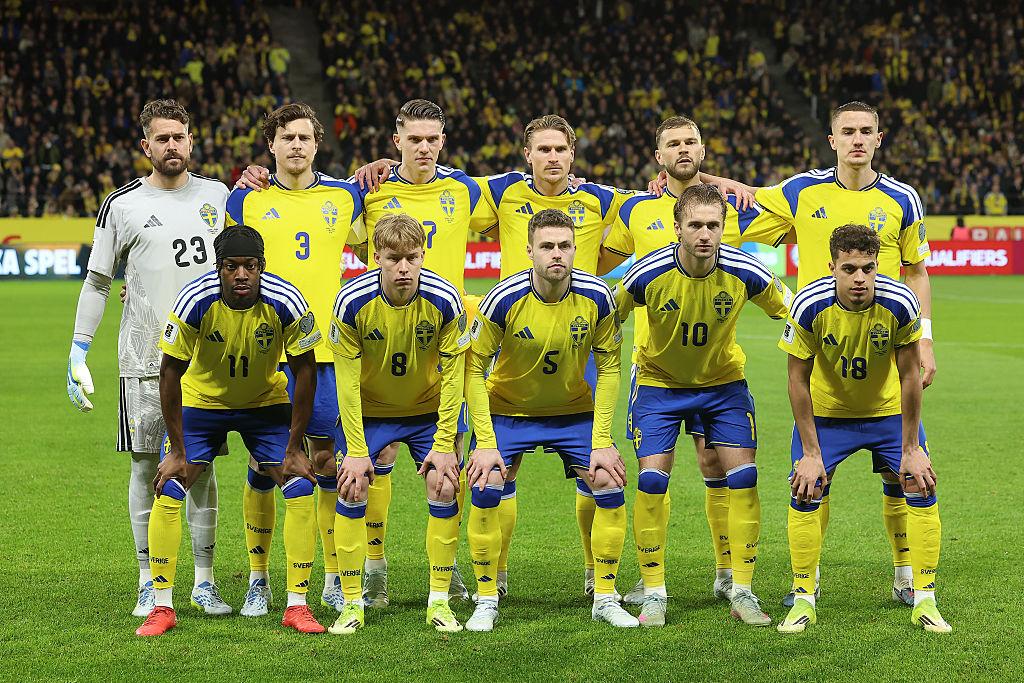
Summary: A Night to Remember for Blågult
Sweden 5, Tunisia 1. It wasn’t just a win; it was a performance that blended tactical intelligence, individual brilliance, and heart. Yasin Ayari’s brace against his ancestral homeland stole the headlines, but the collective effort — Gyökeres’ dominance, Isak’s poise, Potter’s substitutions — defined it.
For Swedish football, this feels like redemption after years in the wilderness. Potter has them playing with belief again. For Tunisia, it’s a harsh lesson in the gap at this level. The World Cup continues, but Sweden have set the bar in Group F.
As the lights dimmed in Monterrey, fans streamed out chanting. This is why we watch: stories like Ayari’s, moments of magic, and a team clicking on all cylinders. Sweden are up and running. Watch this space — they might just go far.
