
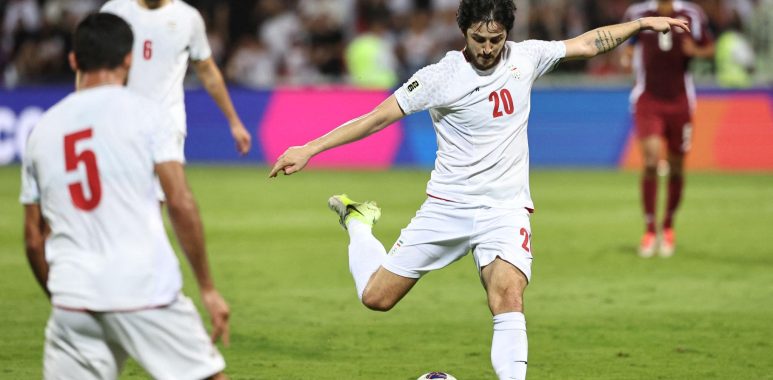
Iran and New Zealand Serve Up a World Cup Thriller: 2-2 Draw Leaves Group G Wide Open
Listen, if you thought the 2026 FIFA World Cup opener for Group G was going to be a straightforward stroll for the Iranians against plucky underdogs New Zealand, you clearly weren’t paying attention to the vibes in Los Angeles on that balmy Monday evening (or Tuesday morning depending on where you were watching from). What we got instead at SoFi Stadium was a pulsating, back-and-forth spectacle that ended 2-2, with Elijah Just grabbing a brace for the Kiwis and Iran fighting back twice through Ramin Rezaeian and Mohammad Mohebbi. It was the kind of match that reminds you why we love this beautiful game—chaos, resilience, and moments that stick with you long after the final whistle.
As someone who’s covered a fair few World Cups, this one felt different right from the build-up. The political undercurrents, the massive Iranian diaspora in LA, the expanded 48-team format throwing fresh faces into the mix—it all added layers to what could have been a routine favorite-vs-underdog clash. Let’s dive deep into the preview, the drama on the pitch, the standout highlights, and what it all means moving forward. Buckle up; this one’s a ride.
The Preview: Expectations, Histories, and the Weight of a Nation
Heading into this June 15/16 encounter (kickoff around 6 PM local in LA, which translated to those ungodly early hours back in Tehran or a civilized afternoon in Wellington), Iran were the clear favorites. Team Melli had cruised through Asian qualifiers, dropping just one game in 16, boasting experience from multiple previous World Cups. Seventh appearance for them—veterans of the big stage, even if they’ve never quite broken out of the group stage as convincingly as their talent sometimes suggests.
Amir Ghalenoei’s side lined up with familiar strengths: Alireza Beiranvand in goal, the rock-solid defense anchored by Shojae Khalilzadeh and others, and attacking flair led by captain Mehdi Taremi, with Mohebbi, Rezaeian, and creative types like Saman Ghoddos pulling strings. They play with discipline, counter-attacking bite, and that famous Iranian resilience. Many pundits, myself included after watching their qualifying form, tipped them for a comfortable win and a strong start toward finally making the knockout rounds.
New Zealand, on the other hand? The All Whites were making their return to the World Cup after a long absence, punching above their weight as the lowest-ranked team in the tournament. Qualification via Oceania was straightforward, but this was their first real test against serious opposition. Darren Bazeley’s men relied on experience from Chris Wood up top—the veteran skipper who bagged nine goals in qualifiers—and a structured, physical approach. Liberato Cacace, Elijah Just, and a solid midfield led by Joe Bell and Marko Stamenić were key. New Zealand hadn’t won a World Cup match ever. This was their chance to announce themselves.
Historically, the teams had met only twice: a 0-0 draw in ’73 and a 3-0 Iran win in 2003. Not much to go on. But the context? Massive. SoFi Stadium was packed with over 70,000 fans, a huge chunk of them Iranian or Iranian-American. The large diaspora in LA meant a partisan atmosphere, but it was tinged with tension. Protests outside and inside involving the pre-revolutionary Lion and Sun flag (banned by FIFA but apparently smuggled or displayed anyway), boos during the Iranian anthem from some sections—the whole thing felt like more than just football. Players on both sides tried to focus on the game, but you could sense the weight. Ghalenoei had even reportedly been instructed to handle disruptions carefully.
Tactically, I expected Iran to control possession and probe for openings, while New Zealand would sit deep, look for set-pieces or quick transitions involving Wood’s hold-up play, and try to frustrate. Hydration breaks in the California heat would be crucial. Predictions leaned Iran win around 50-55%, draw possible, New Zealand upset a long shot. But football at the World Cup laughs at predictions.
The stage was set under the lights: two teams desperate for points in a competitive Group G featuring Belgium and Egypt (who had drawn earlier). A win for Iran would set them up nicely; anything for New Zealand would be a dream start.
Match Summary and Top Highlights: A Rollercoaster from Minute One
From the first whistle, New Zealand came out swinging. Barely seven minutes in, they shocked everyone. Chris Wood did what he does best—hold up play, link with runners—and fed Elijah Just. The young forward finished smartly for 1-0. SoFi erupted in pockets of Kiwi support and stunned silence from the majority. New Zealand’s first-ever World Cup goal? What a moment. Just announced himself on the biggest stage.
Iran didn’t panic. They gradually grew into the game, using width through Rezaeian on the right and probing centrally. Around the 32nd minute, they leveled. Rezaeian, bombing forward as he loves to do, found space in the box and slotted home a right-footed strike. 1-1. The Iranian fans went wild—it was classic Team Melli: absorb pressure, hit back. Half-time was 1-1, and you could feel the momentum shifting.
Second half, New Zealand hit back again. Just 54 minutes or so in, another Chris Wood assist—perfectly weighted—and Just finished for his brace. 2-1 to the underdogs. The All Whites were buzzing; their shape held firm, and they looked dangerous on the break. For a moment, you wondered if this could be one of those famous World Cup shocks.
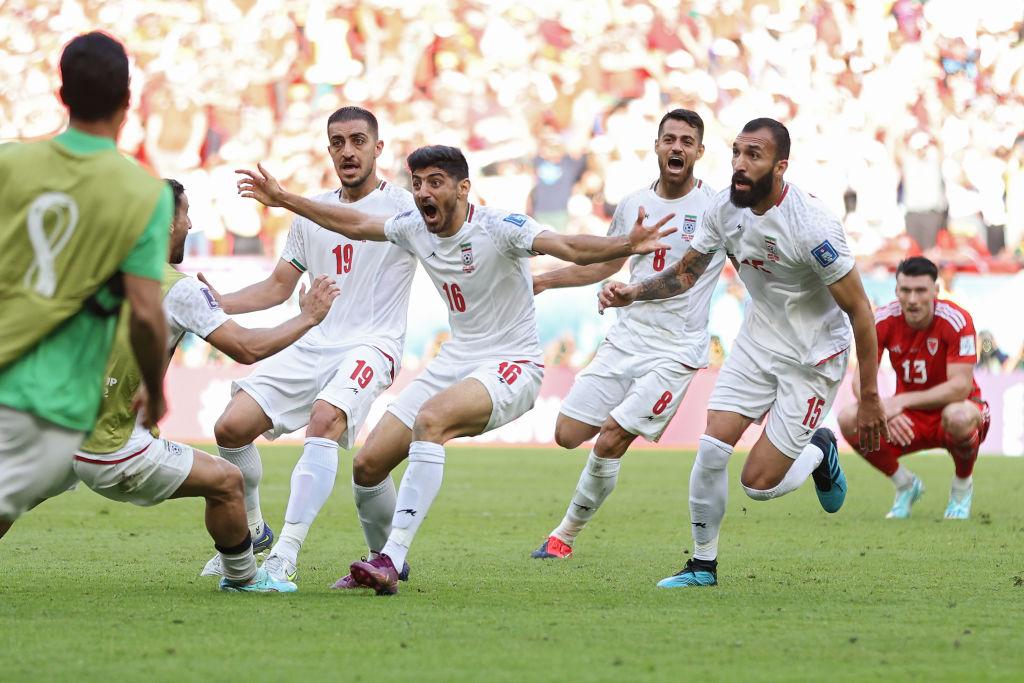
But Iran dug deep. Credit to Ghalenoei for his subs and adjustments—bringing on fresh legs like Mehdi Ghayedi. In the 64th minute, the equalizer came from a set-piece or cross (details vary slightly in reports, but it was a powerful header). Mohammad Mohebbi rose highest and powered it home. 2-2. The stadium exploded again. Mohebbi’s celebration? Reportedly some finger guns directed toward certain sections, which added fuel to the already charged atmosphere and sparked debate post-match.
The last half-hour was end-to-end stuff. Iran pushed for a winner, with Taremi and subs threatening. New Zealand defended heroically, with Max Crocombe making key saves and the backline throwing bodies on the line. Late corners, shots, near-misses—Ezatolahi and others came close. But no more goals. Full-time: Iran 2-2 New Zealand. A point each, and both sets of fans left feeling something special had happened, even if expectations differed.
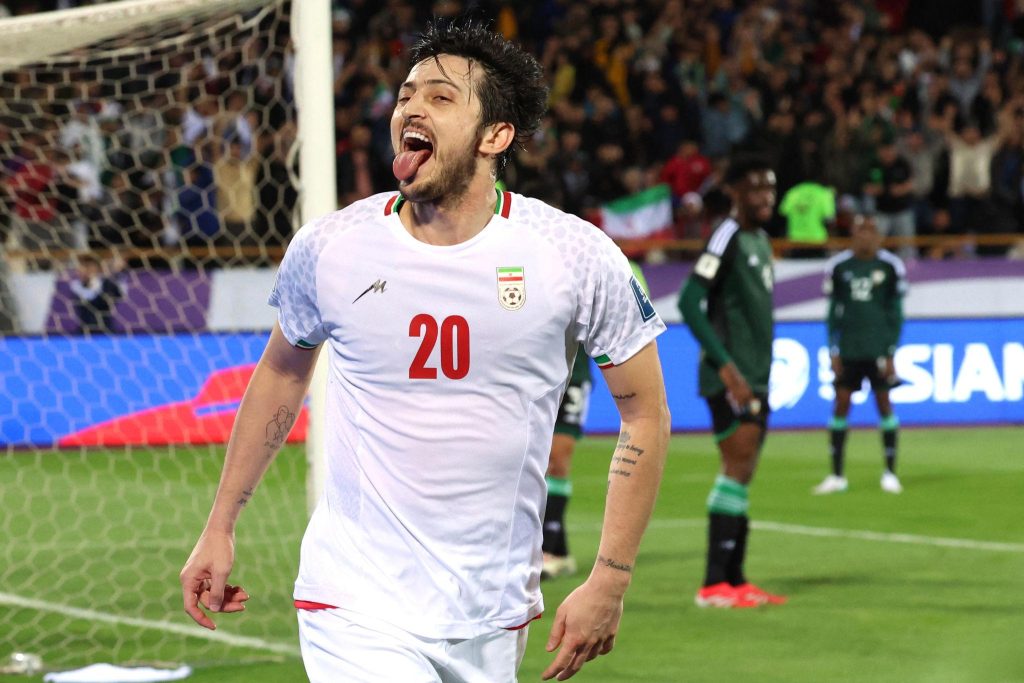
Top Highlights Reel (in no particular order):
- Elijah Just’s opener: Clinical, confident, and historic for NZ football.
- Rezaeian’s equalizer: Pure determination from a full-back who attacked like a winger.
- Just’s second: Wood’s assist was chef’s kiss—vision and execution.
- Mohebbi’s header: Power, timing, and the roar that followed.
- Defensive masterclasses: Boxall, Surman for NZ; Khalilzadeh and co. for Iran.
- The atmosphere: Chants, protests outside, mixed emotions inside—pure World Cup theater.
Stats-wise, shots were relatively even (Iran edged overall, NZ had more on target in some counts), xG close (Iran slightly higher around 1.49 to 1.24). Possession probably favored Iran, but NZ’s efficiency on the counter was impressive. Referee César Ramos had a solid game amid the intensity.
In-Depth Analysis: What We Learned on the Pitch and Off It
Tactically, New Zealand’s setup was spot on. They didn’t park the bus entirely but used a compact midfield to disrupt Iran’s rhythm, winning second balls and transitioning quickly. Chris Wood was the focal point—tireless at 34 or whatever age he is now—and Just proved he’s got the quality to trouble bigger sides. Their set-piece organization and willingness to run channels gave Iran problems. For a team making only their third World Cup appearance, this was a massive confidence boost. Darren Bazeley will be proud; they showed they belong.
Iran? They showed character coming from behind twice, which bodes well for tougher tests ahead (Belgium next). But there were rustiness moments—perhaps the political distractions or travel affected sharpness. Their attack looked potent in spells, with Taremi influential even if he didn’t score. Defense was mostly solid but caught out on those two quick transitions. Substitutions helped, but they need to be more clinical in front of goal if they want to progress deep. Ghalenoei’s management under pressure was decent.
Broader analysis: This draw leaves Group G perfectly balanced—all teams on one point after the first round (assuming Belgium-Egypt was a draw). Iran still favorites to advance, but New Zealand have proven they can compete. The expanded format means every point counts hugely; no easy games.
Off the pitch, the political story dominated pre-match and some post-match chatter. Protests by Iranian-Americans, flag controversies, anthem boos—it highlighted deep divisions in the diaspora. Some fans wanted pure football and cheered Team Melli passionately; others saw the team as tied to the regime. It’s a reminder that at World Cups, especially with Iran, sport and politics intertwine. The players, to their credit, tried to deliver entertainment amid it all. Mohebbi’s celebration drew criticism and praise depending on who you ask—provocative or passionate? Football will debate that one for days.
Player performances worth noting:
- Elijah Just (NZ): Man of the match contender. Brace, energy, star potential unlocked.
- Chris Wood (NZ): Two assists, led the line brilliantly.
- Ramin Rezaeian (Iran): Goal and drive from right-back.
- Mohammad Mohebbi (Iran): Equalizer and threat.
- Mehdi Taremi (Iran): Captain’s performance, linked play well.
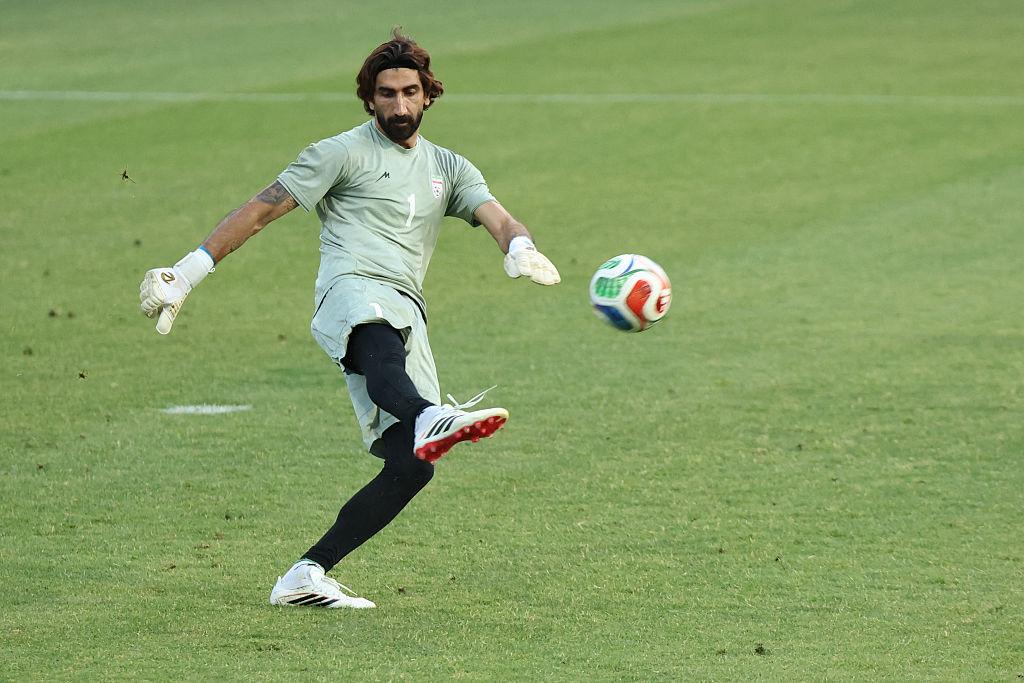
- Goalkeepers: Both Crocombe and Beiranvand had moments.
Bench and depth will be tested as the group progresses.
Looking Ahead and Final Summary
For Iran, next up is likely a sterner test against Belgium. They need a win to steady the ship. New Zealand face Egypt or whoever—another chance to grab points. A draw here feels like a win for the neutrals and a statement for the Kiwis.
In summary, this wasn’t the result Iran wanted, but it was a hell of a match. New Zealand earned their point through guts and quality; Iran showed fight. Group G is alive and kicking. As the tournament unfolds in North America, expect more drama like this. The 2026 World Cup is delivering already.
