
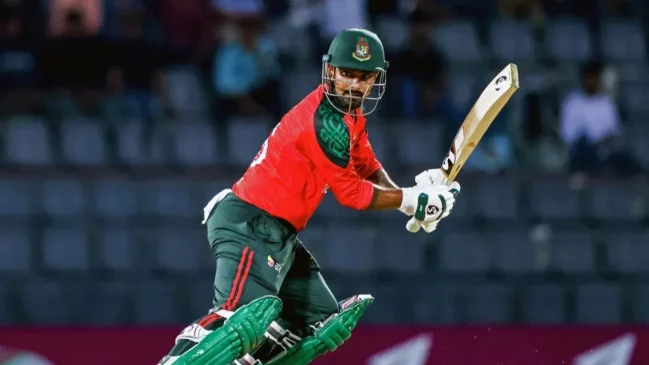
Zimbabwe Defy the Odds: Gritty Bowling and Lower-Order Fightback Seal 25-Run Victory Over Bangladesh in First ODI
Zimbabwe pulled off a stunning upset in the first ODI of the Bangladesh tour, defending a modest total of 141 to win by 25 runs at the Harare Sports Club on Monday. It was a classic low-scoring thriller on a tricky pitch that favored the bowlers, and the hosts showed tremendous fighting spirit to take a 1-0 lead in the three-match series.
The match had all the ingredients of a memorable contest in conditions that tested every player’s technique and temperament. Bangladesh won the toss and elected to field first, hoping their pace attack would exploit the early movement and variable bounce. What unfolded was a masterclass in resilience from Zimbabwe, followed by disciplined bowling that dismantled the visitors’ chase.
Zimbabwe’s innings got off to a promising start with the openers putting together 36 runs. But the momentum shifted quickly as Bangladesh’s bowlers, led by the sensational Nahid Rana, began to dominate. Rana was simply unplayable at times, generating sharp pace and extracting movement off the surface. His spell of 6 for 21 in 10 overs was not just career-best but also the best figures by a Bangladeshi bowler in ODI history. He dismantled the top order and middle order with clinical precision, leaving Zimbabwe reeling at various stages.
Despite the collapse, Zimbabwe found heroes in the lower order. Newman Nyamhuri, coming in at number nine, played a gritty knock of 33 off 51 balls. His innings was full of determination, mixing solid defense with occasional boundaries to keep the scoreboard ticking. He found good support from captain Richard Ngarava, who contributed 27 off 41 balls. Their 63-run partnership for the ninth wicket proved to be the difference, pushing the total to a defendable 141 in 36.4 overs. Taskin Ahmed picked up two wickets as well, but it was Rana who stole the show with the ball.
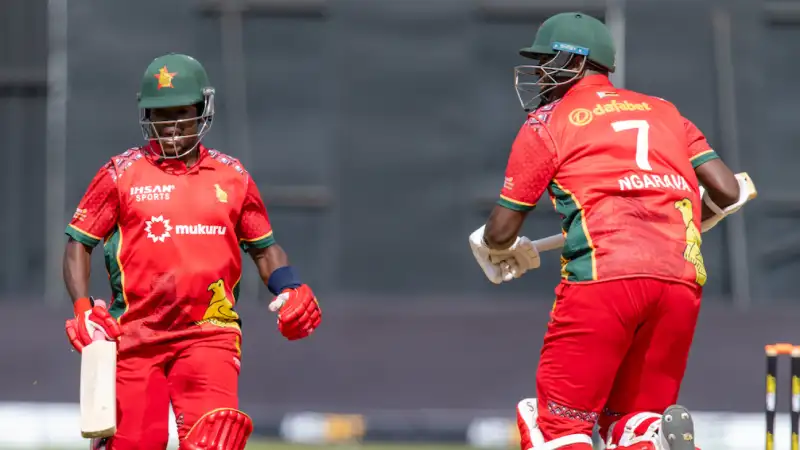
As the players walked off for the innings break, the mood in the Zimbabwe camp was one of quiet confidence. They knew the pitch would offer assistance to their pacers too, and they had the firepower to make life difficult for the Bangladeshi batters.
The chase began disastrously for Bangladesh. Blessing Muzarabani struck early, removing the dangerous Tanzid Hasan. Captain Richard Ngarava, leading the side in ODIs for the first time, was aggressive with the new ball, generating good pace and getting the ball to seam around. Within the first five overs, Bangladesh were reduced to 17 for 3, with key wickets falling cheaply. The pressure was immense, and the visitors struggled to find any rhythm.
A brief recovery came through Towhid Hridoy and Nurul Hasan, who added 49 runs for the fourth wicket. Hridoy scored 25 while Nurul top-scored with 31 off 44 balls. Their partnership offered a glimmer of hope, but it was short-lived. Newman Nyamhuri, the all-round hero, broke the stand by dismissing Hridoy. From there, the floodgates opened.
Brad Evans and Ngarava shared the spoils with three wickets each. Evans was particularly effective, using variations in length and pace to trouble the batters. He trapped Nurul leg-before to leave Bangladesh at 98 for 8. The lower order could not mount a significant resistance. Blessing Muzarabani and Nyamhuri chipped in with two wickets apiece as Bangladesh were bowled out for 116 in 33.1 overs.
The Harare Sports Club crowd, largely supporting the home side, erupted in celebration as Ngarava took the final wicket. It was a victory built on character, smart cricket, and collective effort rather than individual brilliance, though several players stood out.
This win was particularly sweet for Zimbabwe following their dominant performance in the preceding one-off Test, where they won by an innings and 85 runs. The team has shown remarkable improvement across formats, blending experience with youthful energy. Captain Ngarava’s leadership was calm and inspiring. He rotated his bowlers intelligently, maintained pressure, and led from the front with bat and ball.
For Bangladesh, it was a day of missed opportunities. Their bowling was exceptional, especially Rana’s heroics, but the batting lineup faltered once again on a challenging surface. This continues a pattern of fragility in overseas conditions, where adapting to seaming pitches remains a work in progress. Mehidy Hasan Miraz, captaining the side, would be disappointed with how the chase unraveled after a solid start to the tour.
Looking at individual performances, Nyamhuri’s all-round contribution earned him the Player of the Match award. His 33 runs and 2 for 22 with the ball, along with two catches, made him the standout performer. Ngarava’s captaincy and bowling figures of 3 for 31 were equally impressive. For Bangladesh, Rana’s six-wicket haul was a silver lining, though it ultimately went in vain.
The pitch at Harare played a significant role. It offered enough for the seamers throughout the day, with some variable bounce that made shot-making difficult. Both teams had to work hard for their runs, and the match highlighted the importance of adaptability in such conditions. Zimbabwe’s pacers stuck to their plans, bowling tight lines and lengths, while Bangladesh’s batters often played away from their bodies or committed too early.
This result adds an exciting layer to the series. Zimbabwe now have the upper hand and will look to build on this momentum in the second ODI. Bangladesh, on the other hand, need to regroup quickly. Their batting needs to show more application, and they must find ways to counter the home team’s pace attack. The tourists have talent in depth, with players like Najmul Hossain Shanto, Tanzid Hasan, and the experienced all-rounders, but execution on the day let them down.
Cricket in Zimbabwe has always thrived on passion and underdog stories. This victory will do wonders for the team’s confidence and for the sport in the country. Fans have waited for such moments, and the players delivered under pressure. The support staff, including the coaching team, deserves credit for preparing the side mentally and tactically for these conditions.
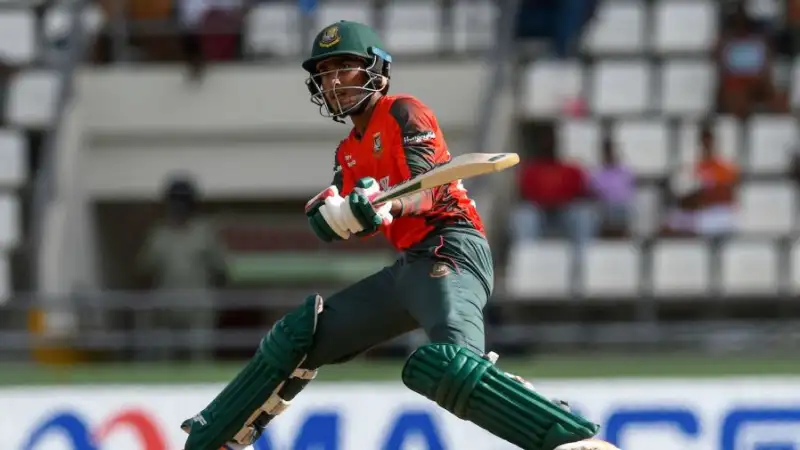
As the sun set over Harare, the Zimbabwe players formed a huddle, soaking in the moment. For Bangladesh, the focus shifts to analysis and recovery ahead of the next game. Series like these are crucial for both teams’ development. Zimbabwe aims to climb the ICC rankings and establish themselves as a competitive force, while Bangladesh seeks consistency away from home.
The second ODI promises to be another intriguing battle. With the series lead in hand, Zimbabwe can play with freedom, but they know Bangladesh will come back stronger. Expect adjustments in batting orders, bowling strategies, and perhaps some surprises in team selection.
Beyond the result, this match underscored the beauty of ODI cricket. Even with low totals, the drama, the twists, and the skill on display kept spectators engaged till the last ball. It was not a high-scoring affair with sixes raining down, but a test of grit, patience, and execution that purists appreciate.
Zimbabwe’s bowling attack, relying heavily on pace, proved highly effective. Muzarabani’s height and accuracy, Ngarava’s swing and seam, Evans’ variations, and Nyamhuri’s emerging talent formed a potent unit. Their economy rates and ability to strike at regular intervals were key to restricting Bangladesh.
On the batting front, while the top order failed to build substantial partnerships, the lower order’s contribution highlighted the depth in the Zimbabwe squad. Players like Nyamhuri and Ngarava showed they can contribute meaningfully with the bat, adding valuable runs when the top order collapses.
For Bangladesh, the batting concerns persist. Openers struggled against the new ball, and the middle order could not accelerate or stabilize effectively. Nurul Hasan’s fighting knock was brave, but lack of support from others proved costly. The team will need to address these issues if they are to level the series.
Coaches and analysts from both sides will pore over the footage. For Zimbabwe, it’s about maintaining standards and avoiding complacency. For Bangladesh, it’s about finding solutions to their overseas batting woes.
The atmosphere at Harare Sports Club was electric. Local supporters cheered every wicket and boundary, creating an intimidating environment for the visitors. Such home support often proves to be the extra player on the field, and it certainly played a part here.
This victory also marks a significant milestone for Ngarava as captain. Leading the team to a win in his first ODI in charge is a dream start. His tactical acumen and on-field decisions were spot on, earning praise from commentators and fans alike.
As the series progresses, expect more intense competition. The third ODI could be a decider if Bangladesh manages to win the second. But for now, Zimbabwe savors this triumph and looks ahead with optimism.
In the broader context of international cricket, matches like these highlight the competitive balance that is emerging among associate and full-member nations. Zimbabwe’s resurgence is good for the game, bringing fresh narratives and challenges to established sides like Bangladesh.
Players to watch in upcoming games include Ben Curran and Craig Ervine for Zimbabwe, who could provide stability at the top. For Bangladesh, the likes of Tawhid Hridoy and Soumya Sarkar need to step up. The all-round contributions from Sikandar Raza (though not in this specific lineup details) and others add layers, but in this match, it was the pacers who dominated.
Post-match reactions were filled with pride from the Zimbabwe camp. Nyamhuri, in his interview, credited his teammates for the support and emphasized the team’s belief in defending any total on that pitch. Ngarava thanked the bowlers for their execution and the crowd for their energy.
Bangladesh’s captain reflected on the batting failure, promising better performance next time. Such honesty and resolve are what keep teams going through tough tours.
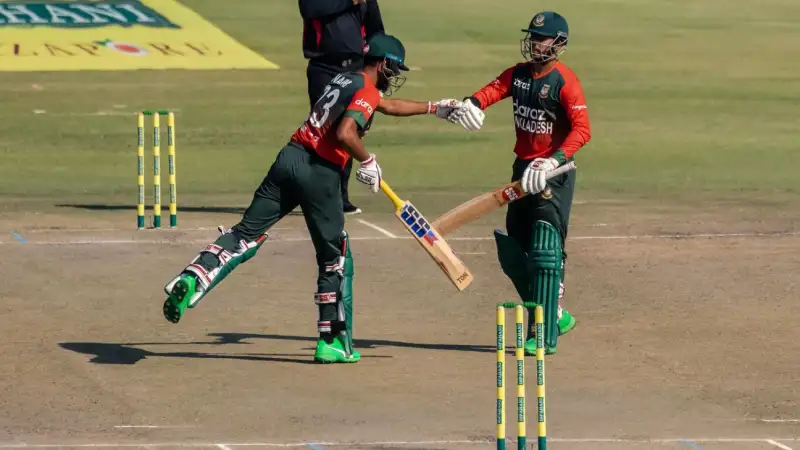
Overall, this first ODI will be remembered as one where Zimbabwe’s never-say-die attitude triumphed over Bangladesh’s early dominance with the ball. It sets a thrilling tone for the rest of the series and reminds everyone why cricket is such a beloved sport worldwide.
The road ahead for Zimbabwe involves sustaining this form across formats. For Bangladesh, it’s about adapting faster and converting potential into results. With two more ODIs to go, followed by T20s, there’s plenty of excitement left in this tour.
Fans can look forward to more competitive cricket as both teams strive for supremacy in Harare. Whether it’s the seam movement, tactical battles, or individual brilliance, the next encounters promise to deliver. Zimbabwe leads 1-0, but the story is far from over.
