
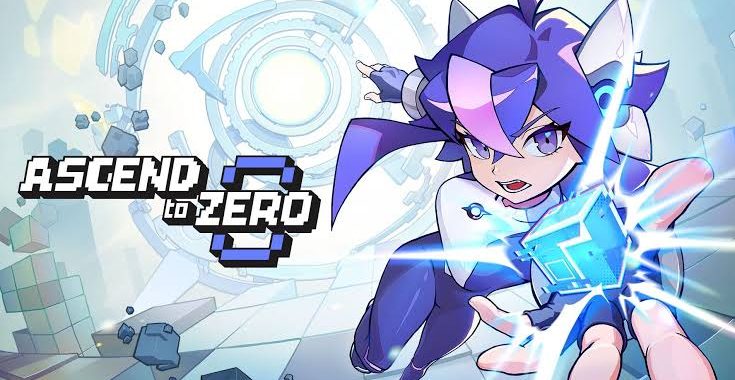
Ascend to ZERO: Every Second Counts in This Addictive Time-Bending Roguelike
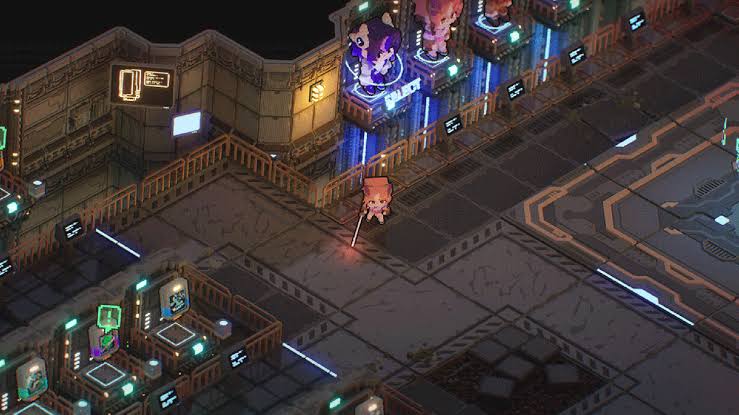
Released on July 13, 2026, just a few days ago as I sit here typing this with bleary eyes and a fresh pot of coffee, Ascend to ZERO from Flyway Games (published in partnership with Krafton) is one of those rare indie titles that grabs you by the collar and refuses to let go. It’s a time-bending action roguelike that asks a simple but brilliant question: What if you could stop time in the middle of a chaotic fight, reposition like a god, and then unleash hell the moment everything snaps back into motion? The answer, it turns out, is pure, addictive chaos wrapped in a surprisingly approachable package.
I’ve sunk way too many hours into it already—far more than I should have for a “review” piece written this soon after launch—and I’m still itching to boot it up again. At around 83 on Metacritic with early reviews praising its fresh spin on the genre, it’s no surprise it’s already carving out a spot in the crowded roguelike space. But does it live up to the hype, or is the timer just a gimmick that wears thin? Let’s dive in.
The Setup: Time Travel, Robots, and Regret
The story is classic sci-fi roguelike fare, but it works because it ties directly into the mechanics. In the year 22XX, humanity builds a massive underground Time Lab to crack time travel. When they finally open a portal to the future, instead of salvation, they get an invasion of mechanical monsters that wipe out civilization. In a last-ditch effort, they create the “Chrono Child,” a being capable of traveling back in time. But the machines attack on the day of her awakening, and she’s flung into a ruined future as the last survivor.
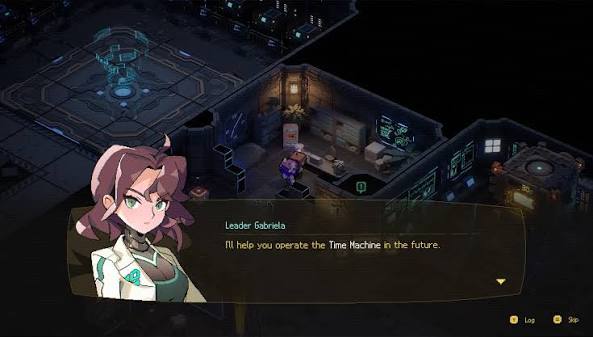
Now stranded with fragmented memories, you (as various Avatars of this Chrono Child) team up with a mysterious aide to rewrite history, defeat the horde, and restore the world. It’s not Shakespeare—expect light dialogue, memorable NPC survivors you rescue, and a sense of quiet desperation amid the bullet-hell action. The narrative unfolds mostly through the hub (the Underground Bunker) and short story beats between runs. It’s enough to give emotional weight to your failures and successes without bogging down the fast-paced gameplay. Rescuing scientists and allies feels meaningful because you’re literally pulling them from a doomed timeline.
What elevates it is how the premise bleeds into every system. Time isn’t just flavor text; it’s your health bar, your resource, and your ultimate weapon. Each run is a desperate sprint through the past, and dying (or running out of time) yanks you back to the present, wiser but no less determined. It’s a loop that mirrors the story’s themes of iteration and second chances perfectly.

Core Gameplay: 30 Seconds of Controlled Mayhem
Here’s where Ascend to ZERO shines brightest. Every run starts with a strict timer—around 30 seconds for your first attempts. You dive into procedurally influenced zones (Institute, Desert, and more as you progress), fighting waves of mechanical enemies while the clock ticks down relentlessly. Take damage? It costs precious seconds. Die? Run over. But the genius is in the Time-Stop mechanic.
Hit the button (super responsive on both controller and keyboard), and the world freezes. Enemies, projectiles, everything locks in place—except you. The timer pauses too. This is your breathing room: reposition, snatch floating XP orbs, line up perfect shots, or set up devastating combos. Release time, and your Avatar’s special skill triggers alongside queued gadgets for massive payoff. It’s like pausing a bullet hell shooter to play chess with the battlefield.
Weapons auto-attack nearby foes, freeing you to focus on movement, positioning, and timing freezes. No frantic button mashing—just smart decisions under pressure. Early runs feel tense and punishing, but as you learn, they become exhilarating sprints. Levels skyrocket insanely fast (hundreds of thousands in a good run), turning you from fragile survivor to screen-clearing demigod. The power fantasy is real.
Progression is split between run-specific builds and permanent meta-progression. During runs, you grab Tech Chips that boost stats, synergies, or wild effects. Weapons range from swords for melee bursts to guns for ranged DPS, with gadgets adding layers like recalls or area controls. Between runs, head to the Underground Bunker: upgrade Avatars with Zero Coins, restore services via rescued survivors, manage equipment, and invest in permanent boosts like starting level or XP gain.
It’s a Survivors-like bullet heaven with deeper strategy thanks to the timer and freezes. Runs are short (perfect for “one more try”), but the variety keeps them fresh. Late-game stages ramp up with time-contamination hazards—enemies that ignore freezes or steal seconds—forcing adaptation.
The Avatars: Your Many Faces of Time
You don’t play as one character; you embody different Avatars, each a variant of the Chrono Child with unique playstyles.
- Chrono Child (starter): Balanced, with an AOE explosion on time-resume. Perfect for learning—forgiving and versatile.
- Blossom Blade: Melee sword master. Aggressive positioning for huge burst damage. Feels amazing when you nail a cluster of elites.
- Golden Gunslinger: Ranged focus, safer distance, consistent DPS. Great for cautious players.
- Others like Windborne Spearmaster, Scarlet Pirate, and the later Frost Moon Hacker add more flavors—drones, charges, etc.
Each has distinct growth curves, weapon synergies, and resume abilities. Switching changes how you approach freezes and builds. Permanent upgrades make investing in favorites rewarding. I started safe with Chrono Child, grinding 10-15 runs to master timing, then fell in love with Blossom Blade’s satisfying slashes. The variety prevents burnout and encourages experimentation.
Builds, Synergies, and That “Just One More” Feeling
Tech Chips are the heart of replayability. Collect and combine them for synergies—melee amps, bullet ricochets, time-recovery on kills, etc. A great run snowballs: better gear spawns tougher elites, which drop juicier rewards. It’s addictive watching numbers explode while the screen fills with effects.
The hub adds depth without overwhelming (mostly). Multiple currencies, shops, and systems exist, but tutorials and the handbook help. Some early confusion is there—upgrade menus can feel dense—but it clicks fast. Permanent progression ensures every run matters, even short failures.
Sound design and music are highlights. Cyberpunk-electronic tracks shift from chill hub vibes to high-energy combat anthems. Blocky, voxel-ish visuals pop with colorful effects and readable chaos. Performance is solid on PC and Xbox (day-one Game Pass is huge).
Strengths That Make It Stand Out
- Time Mechanic Mastery: Transforms a potential frustration into the star. Freezes add strategy and forgiveness without removing tension.
- Pacing and Accessibility: Short runs, difficulty options, and explosive growth make it approachable for newcomers while deep for veterans.
- Replayability: Avatar variety, chip synergies, meta-progression, and procedural elements promise hundreds of hours.
- Polish: Refined right up to launch—balanced Avatars, late-game thrills, quality-of-life features.
- Value: Affordable, Game Pass day-one, constant “one more run” hook.
Critiques: Where It Could Ascend Higher
It’s not flawless. The power curve can make later runs feel too easy once builds click— the timer loses some bite amid godlike scaling. Some enemies and hazards shine early but fade. Upgrade systems overwhelm at first, and story is thin (serviceable but not memorable). Repetitive zones might wear after dozens of runs, though new stages and content help. Minor launch bugs (crashes mentioned in patches) exist but seem fixable.
Compared to Vampire Survivors or Hades, it’s more arcade-timed than endless or narrative-heavy. The unique timer sets it apart positively for most, but fans of longer sessions might prefer slower burns.
Final Verdict: A Must-Play Roguelike Sprint
Ascend to ZERO isn’t trying to reinvent the wheel—it’s perfecting a very specific, thrilling spin on it. In a sea of roguelikes, its time manipulation feels fresh and integral. Every second matters, turning potential stress into exhilarating flow states. Whether you’re a genre vet chasing high scores or a newcomer via Game Pass, it delivers satisfying combat, smart progression, and that irresistible urge to climb higher.
Flyway Games nailed the “refined right up to the last second” vibe they hyped. At launch, it’s already Very Positive on Steam, and I expect it to climb. If you love fast action, clever mechanics, and roguelike loops, stop reading and ascend. The future (and past) won’t fix itself.
Score: 8.5/10 – A sharp, time-stopping blast that’s easy to recommend. Here’s to many more runs.
