
New Zealand Level Series with 17-Run DLS Victory in Rain-Hit Cardiff Finale
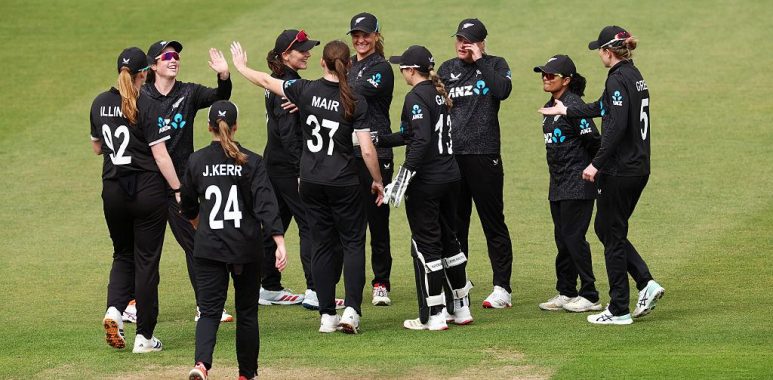
The grey clouds had hung low over Sophia Gardens since early morning, the kind of Welsh weather that makes you wonder if the forecast ever bothers to check in with reality. By the time the third and final one-day international between England Women and New Zealand Women got under way on Saturday, 16 May 2026, rain had already forced the match down to a 33-over contest. What followed was a tense, stop-start affair that ended with New Zealand claiming a 17-run victory on the Duckworth-Lewis-Stern method, drawing the series 1-1 and taking a pair of valuable Championship points home with them.
It was a result that felt both deserved and slightly cruel in equal measure. England had fought hard after winning the first match at Chester-le-Street by the narrowest of margins, a one-wicket thriller that had set the tone for a competitive series. The second game at Northampton had been washed out or otherwise inconclusive in the broader narrative, leaving everything to play for in Cardiff. New Zealand arrived knowing that a win would level the ledger and give their campaign a more satisfying close before the T20 series that would follow.
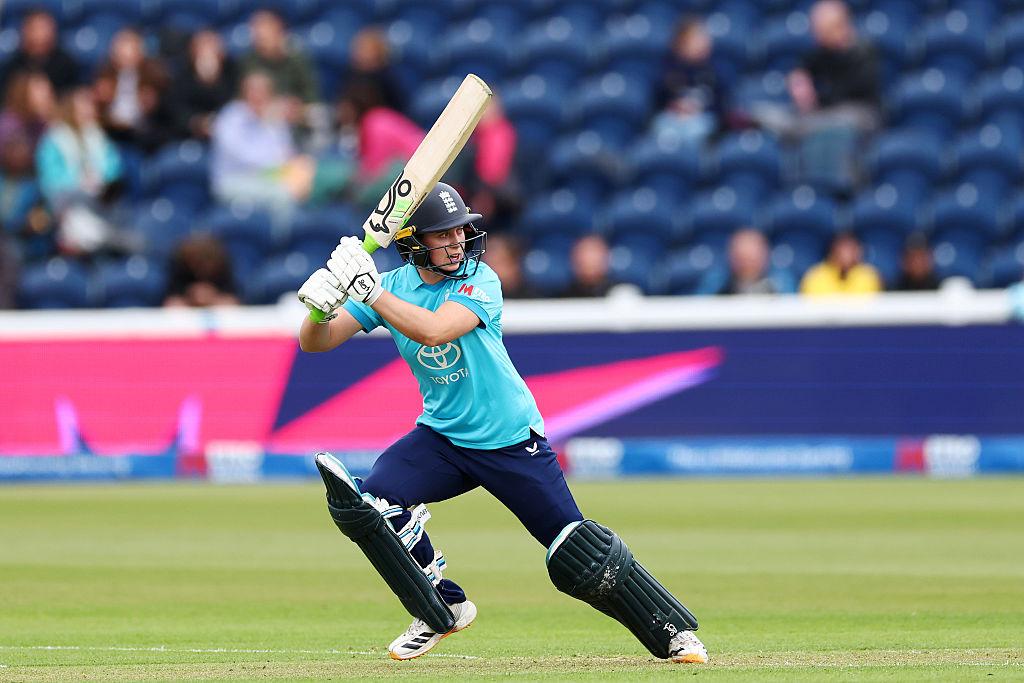
New Zealand won the toss and elected to field, a decision that looked shrewd given the conditions. The pitch at Sophia Gardens offered enough assistance early, and the overcast sky promised movement through the air. England’s innings began cautiously. Openers found the going tough against the accurate new-ball pairing of Bree Illing and Rosemary Mair. Illing, left-arm and probing, extracted bounce and seam movement that kept the batters honest. Mair worked the other end with her right-arm seam, mixing lengths cleverly.
Alice Capsey provided the early resistance that England needed. The young all-rounder has matured into a reliable middle-order presence, but here she was pushed up to steady a slightly uncertain start. She played with typical positivity, driving through the covers when the length was full and working the ball into the gaps on the leg side. Her 45 from 45 balls included several crisp boundaries that lifted the scoring rate at crucial moments. Around her, the innings progressed in fits and starts. Wickets fell at regular intervals, but never in a complete collapse. England reached 181 for 7 from their 33 overs, a total that felt competitive but not imposing once the rain had done its work.
Bree Illing finished with 2 for 29 from her seven overs, while Mair claimed 2 for 41. The New Zealand attack shared the load effectively. There were tidy spells from the spinners and the seamers who came on later, keeping England from accelerating freely in the middle overs. Capsey’s dismissal, when it came, felt like a turning point. She had looked set for a bigger score, and her departure left the lower order to scramble for every remaining run. The final total of 181 for 7 left New Zealand needing a revised target of 184 in 33 overs under the DLS calculation, a chase that would demand both aggression and calm under the threat of further interruptions.
When New Zealand began their reply, the atmosphere inside the ground shifted. The small but vocal crowd of local supporters and travelling fans settled in for what they hoped would be a full contest. Lauren Bell had other ideas. The tall right-arm seamer, already having a strong series, tore into the top order with a hostile spell. She removed key early wickets and reduced New Zealand to 40 for 3, a position that looked precarious. Bell’s pace and ability to extract bounce from the surface made life extremely difficult. At one stage she left the field briefly after taking a blow on her left hand while fielding, a moment that caused a flutter of concern given the approaching T20 World Cup. Stand-in captain Charlie Dean later confirmed it was a precautionary measure after a bruise picked up in practice the previous day. Bell returned to continue her work, finishing with figures of 3 for 29 from 5.4 overs, a performance that underlined her growing importance to the England attack.
Yet New Zealand’s middle order refused to fold. Maddy Green and Brooke Halliday came together and began the rebuild with quiet determination. Green has been one of the most consistent performers on the tour, accumulating runs with a methodical approach that frustrates opposition bowlers. Halliday, less heralded in some quarters but deeply respected within the New Zealand setup, played the innings of the match. She remained unbeaten on 42 from 54 balls, an innings of intelligence and composure under pressure. The pair added vital runs while keeping the required rate in check. When Green eventually departed, Izzy Gaze joined Halliday and continued the steady progress.
Rain returned as a constant threat. Showers interrupted play several times, each break bringing recalculations and conversations between captains, umpires and the ground staff. The DLS method, for all its mathematical precision, always leaves room for debate among players and supporters. On this occasion it worked in New Zealand’s favour. By the time the umpires finally called a halt with New Zealand on 141 for 4 after 24.4 overs, the visitors were comfortably ahead of the par score. The revised target at that stage left them 17 runs clear on the method, and the match was awarded to them.
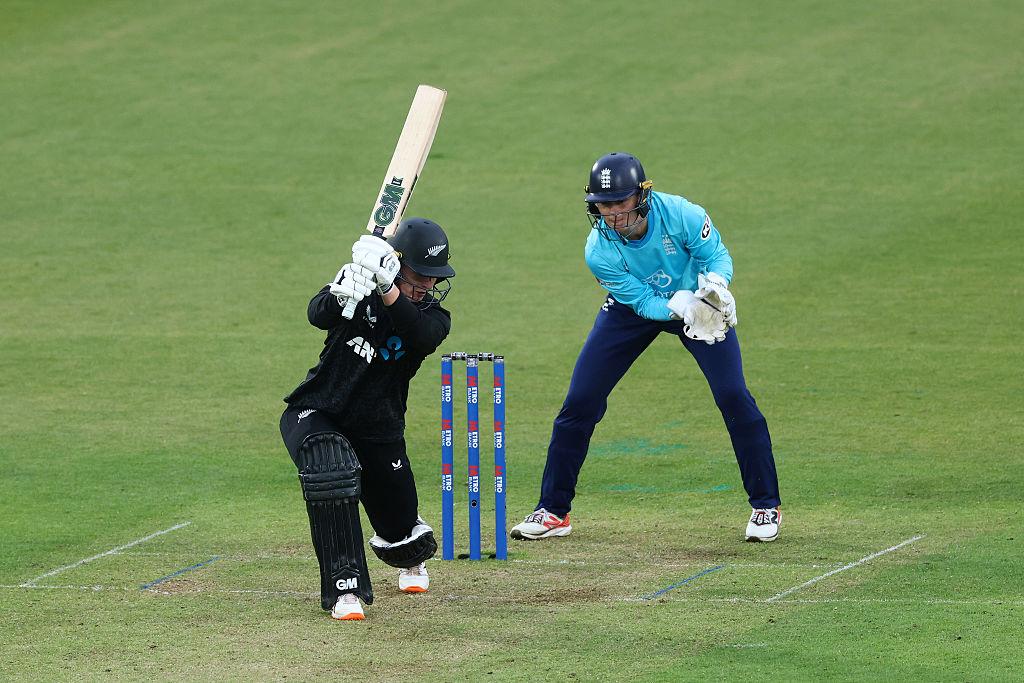
Brooke Halliday was named player of the match, a recognition that felt entirely justified. Her unbroken 42 had steered the chase through the most difficult phase, absorbing pressure from Bell’s early breakthroughs and then accelerating just enough when the windows of opportunity appeared between the showers. Maddy Green was later named player of the series for her 125 runs across the two completed matches, a testament to her consistency when others found the going harder.
For England the result carried a note of disappointment, particularly as it marked Heather Knight’s final appearance in one-day international cricket. The long-serving batter and former captain has given so much to the side over more than a decade. Her contribution on the day was solid without being spectacular, but the larger story was the end of an era. Knight has been a central figure through England’s rise in the women’s game, and her departure from the ODI format will leave a gap that the next generation must now fill. Charlie Dean, who captained the side in this match, spoke afterwards of the pride the group felt in competing hard throughout a rain-affected series, while acknowledging that the DLS outcome left a sense of unfinished business.
The series as a whole had been competitive and revealing. England’s one-wicket win in the first match at Chester-le-Street had showcased their depth and resilience, with Dean herself playing a key role with the ball. New Zealand’s ability to respond in Cardiff demonstrated the steel that has long characterised the White Ferns. Amelia Kerr’s leadership continued to impress, even if her personal contributions with bat and ball were more measured than spectacular across the three games. The younger members of both squads gained valuable experience in conditions that demanded adaptability.
Weather is never far from the conversation when cricket is played in Britain in May. The decision to reduce the contest to 33 overs was sensible, yet it still left both teams negotiating a moving target. For New Zealand the ability to stay ahead of the DLS rate proved decisive. For England the inability to defend their total under the recalculated equation left questions about whether a more aggressive approach in the later stages of their innings might have produced a higher score. Such debates will continue among analysts and supporters in the days ahead.
Looking beyond the immediate result, both sides will turn their attention to the three-match T20 series that follows. Those games, scheduled for Derby, Canterbury and Hove, offer a different challenge and a chance for players to sharpen their skills ahead of the bigger tournaments later in the year. England will hope that Lauren Bell’s hand recovers fully and that the batting group finds more consistent rhythm. New Zealand will travel with confidence boosted by the Cardiff win and the knowledge that their middle order can dig in when required.
The crowd at Sophia Gardens, though smaller than some of the bigger venues on the circuit, created a lively atmosphere whenever the play allowed. Welsh supporters mixed with those who had made the journey from further afield, and the intermittent applause for good shots or sharp fielding reminded everyone why these bilateral series matter. Women’s cricket continues to grow in visibility and quality, and matches like this, even when truncated by rain, contribute to that progress.
In the end the numbers tell a clear story. England scored 181 for 7 in 33 overs. New Zealand reached 141 for 4 in 24.4 overs and were 17 runs ahead on DLS. Brooke Halliday’s unbeaten 42 proved the difference. The series finished level at 1-1. Points were shared in the Championship table. And two teams left Cardiff knowing they had given a full account of themselves under imperfect conditions.
There will be more tests to come for both groups of players. The T20 series will bring different pressures and different opportunities. The World Cup later in the summer will demand even higher standards. Yet for one damp Saturday in Cardiff the focus remained on a hard-fought one-day contest that refused to yield a simple narrative. New Zealand found a way when the weather intervened. England came close but fell short on the method. The result will be recorded as a 17-run win for the visitors, and the memory will linger of Halliday’s calm presence at the crease while the rain clouds gathered once more over Sophia Gardens.
The broader context of the tour adds further layers. New Zealand arrived in England looking to build momentum after a mixed period of results. Their batting depth has been questioned at times, yet Green and Halliday answered those questions with substance. The bowling unit, led by the likes of Illing and Mair, showed that it can restrict quality opposition on helpful surfaces. England, meanwhile, continue the process of transition. With Knight stepping away from ODIs, the responsibility falls more heavily on the likes of Capsey, Dean, Bell and the emerging talents around them. Nat Sciver-Brunt’s influence remains central when she is available, and the squad depth that England have cultivated in recent years will be tested further.
Cardiff itself provided a fitting backdrop. Sophia Gardens has hosted many memorable matches across formats, and the ground staff worked tirelessly to keep the outfield playable despite the persistent moisture. The decision to start the match under reduced overs was pragmatic, and the umpires, Sue Redfern and Jacqueline Williams, managed the stoppages with the usual professionalism that international cricket demands.

As the players left the field for the final time, the sense of a series well contested hung in the air. Neither side had dominated. Both had moments of excellence and moments of vulnerability. The DLS method, often criticised when it produces unexpected outcomes, here simply reflected the state of the game when the rain made further play impossible. New Zealand were ahead, and the points were theirs.
For the neutrals who follow the women’s game closely, the series offered encouragement. Competitive cricket between two strong sides produces the kind of tension that draws new audiences. The presence of experienced campaigners alongside younger talents creates a balance that is healthy for the sport’s development. Halliday’s innings will be remembered as the standout individual performance of the third ODI, but the collective effort of the New Zealand middle order deserved equal credit.
England will reflect on what might have been. A few more runs in the closing stages of their innings, or a tighter spell after Bell’s early breakthroughs, and the DLS calculation might have looked different. Cricket is full of such fine margins, especially when the weather intervenes. Dean’s captaincy was calm and constructive throughout, and the side showed spirit even when the situation became difficult.
The final word belongs to the result itself. New Zealand Women defeated England Women by 17 runs on the DLS method in the third ODI at Cardiff. The series was drawn. The Championship points were shared. And a rain-affected contest still managed to deliver a contest worth remembering. In the weeks and months ahead both teams will move on to new challenges, but the memory of that damp May afternoon in Wales will remain part of the story of the 2026 season.
