
Rain Wins the Day in Northampton as England Women and New Zealand Women Forced to Share the Spoils
The second One Day International of the New Zealand Women tour of England was always going to carry a certain weight. England had edged a tense one-wicket thriller in Durham three days earlier, and the chance to wrap up the three-match series early at the County Ground in Northampton felt within reach. Instead, the weather had other ideas. Persistent showers, a sodden outfield and a gloomy forecast combined to produce a no-result after the toss, leaving both sides with a shared point and the series still alive for the final meeting in Cardiff.
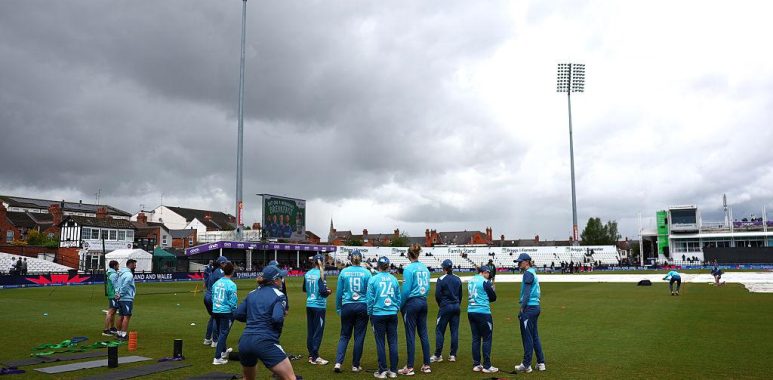
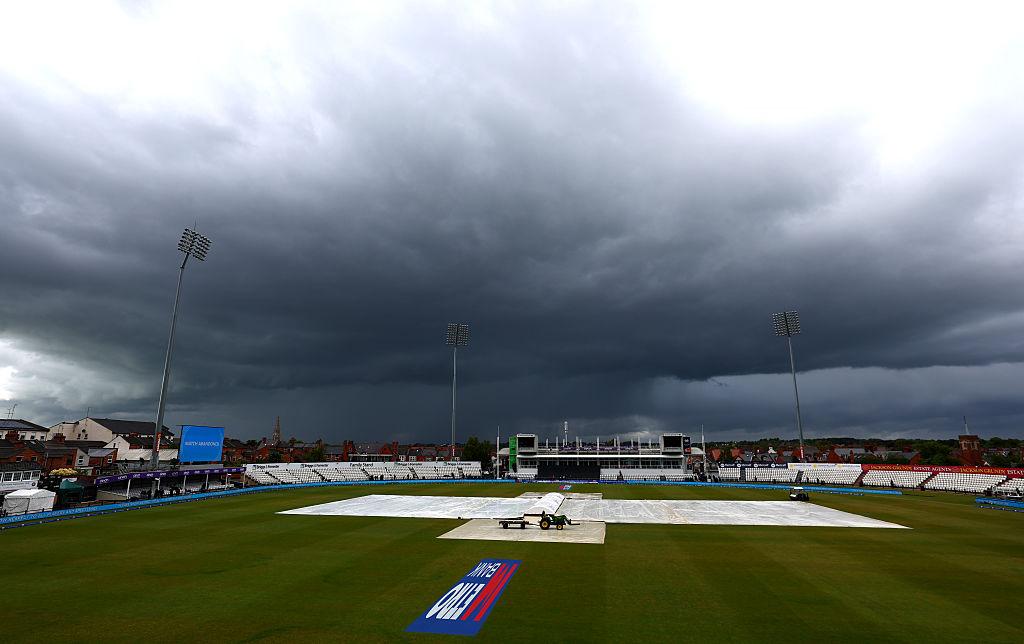
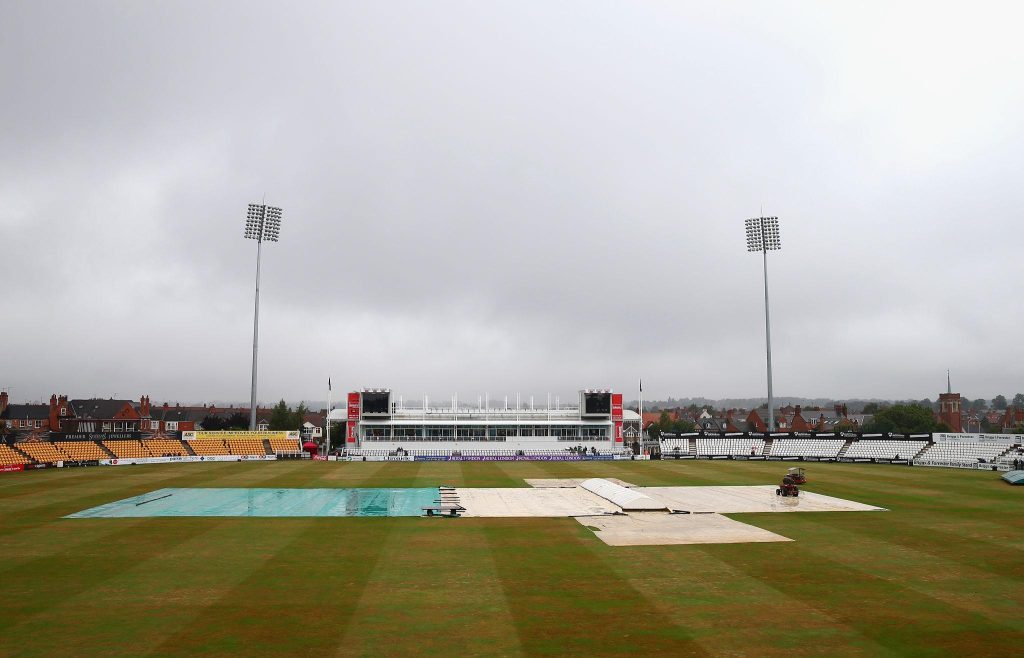
From early morning the signs were not promising. Grey skies hung low over Wantage Road and the radar painted a familiar picture of intermittent rain bands drifting across the Midlands. The scheduled one o’clock start was pushed back almost immediately. Ground staff worked tirelessly, peeling back the covers whenever the drizzle eased, only to rush them back into place minutes later. By mid-afternoon the umpires had already delayed the toss more than once. Eventually, at around half past three, the coin was flipped. New Zealand captain Melie Kerr called correctly and elected to bowl first under the lights that were already beginning to glow against the darkening sky.
That decision made sense on paper. A reduced contest of 32 overs a side had been agreed, with a six-over powerplay, and the White Ferns preferred to chase. England’s batting order looked strong on paper: Emma Lamb and Maia Bouchier set to open, Heather Knight at three, Alice Capsey returning after illness, Freya Kemp, Amy Jones behind the stumps, Dani Gibson, stand-in captain Charlie Dean, Sophie Ecclestone recalled after missing the Durham match, Lauren Bell and the teenage left-arm spinner Tilly Corteen-Coleman. New Zealand stuck with the same eleven that had pushed England so close in the opener, relying on Suzie Bates, Georgia Plimmer, Kerr herself, Maddy Green, Brooke Halliday, Isabella Gaze, Izzy Sharp, Jess Kerr, Nensi Patel, Rosemary Mair and Bree Illing.
Yet the weather refused to cooperate. Shortly after the toss another heavy shower swept across the ground. Covers returned. Players retreated to the dressing rooms. A further inspection was scheduled, but the rain returned with hail mixed in for good measure. By a quarter to five the umpires had seen enough. There was no realistic prospect of getting even a 20-over match underway before the cut-off time. The second ODI was abandoned without a ball being bowled.
For the spectators who had braved the conditions it was a bitter disappointment. Many had travelled specifically to see England’s young talent and the returning stars. Corteen-Coleman had made an impressive debut in Durham, taking two wickets and then sharing an unbroken last-wicket stand with Dean that sealed the one-wicket win. Ecclestone’s return was widely anticipated. Capsey’s recovery from illness offered fresh energy in the middle order. On the New Zealand side, Bates remains one of the most experienced campaigners in the women’s game, while Kerr continues to lead with both bat and ball. None of them got the chance to show what they could do on this particular Wednesday.
The abandonment leaves the series at 1-0 to England, with one match remaining. Both teams pick up a point in the ICC Women’s Championship table, a modest reward for a day spent staring at rain. For England the result means they cannot seal the series before the trip to Sophia Gardens. For New Zealand it keeps alive the possibility of sharing the series or even snatching a 1-1 draw if they can produce a strong performance in Cardiff.
Looking back at the first match helps explain why both sides will feel the frustration keenly. In Durham, New Zealand posted 210 and then watched England collapse to the brink of defeat before Dean and Corteen-Coleman steered them home with ten balls to spare. It was the kind of contest that reminds everyone why limited-overs cricket can be so compelling. Close finishes, debutants rising to the occasion, captains leading from the front. Northampton was supposed to build on that momentum. Instead the elements intervened in the most decisive way possible.
Weather has long been part of the story of cricket in England. County grounds up and down the country have their own microclimates, and the County Ground at Northampton is no stranger to interruptions. The day-night format was intended to offer some protection against the late spring light, yet even the floodlights could not overcome the volume of rain that fell. Ground staff did everything asked of them. The umpires, Anna Harris and Gabi Brown, with Jacqueline Williams as television official and Helen Pack as match referee, applied the regulations correctly and fairly. There was simply no window long enough to get a meaningful game started.
For Charlie Dean the day must have felt especially anticlimactic. She had taken the reins in the absence of Nat Sciver-Brunt and guided her side through a nervy chase in Durham. The chance to captain England to a series-clinching victory on home soil disappeared under the covers. Melie Kerr, for her part, will have been frustrated that her side could not capitalise on the opportunity to level the series. New Zealand arrived in England looking to rebuild confidence after mixed results, and the White Ferns had shown in the first ODI that they remain competitive against the higher-ranked hosts.
The broader context of the tour adds another layer. This series forms part of the 2025-2029 ICC Women’s Championship, so every point carries longer-term significance for World Cup qualification pathways. Beyond the ODIs, the two teams are scheduled to contest three T20 Internationals later in May as both prepare for the Women’s T20 World Cup that England will host in June and July. Practice and match sharpness matter. Days like this one in Northampton do little to advance either cause.
Alice Capsey’s return had been one of the talking points in the build-up. Illness had kept her out of the Durham match, and her explosive batting and useful off-spin offer England another dimension. Sophie Ecclestone’s recall restored the world’s leading women’s spinner to the attack alongside the emerging Corteen-Coleman. That dual left-arm spin threat was something New Zealand would have had to plan for carefully. On the other side, New Zealand’s seam attack of Mair and Illing, combined with the spin options of the Kerr sisters and Patel, had troubled England in the first game. None of those match-ups got the chance to play out.
Spectators who stayed until the official abandonment will remember the sight of players in training gear kicking a rugby ball about on the outfield during one of the brief dry spells. Melie Kerr was among those keeping loose, a small reminder that professional athletes still find ways to stay ready even when the elements refuse to cooperate. The crowd, though thinner than it might have been on a fine day, still produced pockets of applause whenever the covers came off and hope flickered briefly.
In the end the only winner was the weather. Cricket’s relationship with rain is complicated. Sometimes a delayed start produces a thrilling reduced-overs contest full of urgency and risk. On other days the rain simply refuses to relent, and the result is a blank scorecard and shared points. Northampton on 13 May 2026 fell firmly into the second category.
England will now travel to Cardiff knowing that a win there secures the series while a defeat hands New Zealand a share of the spoils. The final ODI is scheduled for a daytime start, which may offer a better chance of a full contest, though English weather in mid-May remains unpredictable. New Zealand will take encouragement from the fact they remain in the contest and from the experience gained in Durham. Both sets of players will hope the covers stay off for the remainder of the tour.
For those who follow the women’s game closely, days like this one are a reminder that the sport still operates at the mercy of the elements even as crowds grow, broadcast coverage expands and the professional pathways strengthen. The talent on both sides is clear. The desire to compete is obvious. All that was missing in Northampton was a dry spell long enough to let them show it.
The series now moves west to Wales. England lead 1-0. New Zealand still have a chance to respond. And everyone involved will be watching the forecast with more than usual interest. Rain may have had the final word at Wantage Road, but the story of this particular contest is far from finished.