

Sri Lanka Outclass PCB Patrons XI by 142 Runs in Impressive Tour Match Victory in Islamabad
Sri Lanka produced a commanding all-round performance to defeat the Pakistan Cricket Board Patrons XI by 142 runs in their three-day tour match at the Islamabad Club Cricket Oval. The contest, played from November 4 to November 6, 2026, provided the visiting side with valuable preparation ahead of the upcoming Test series against Pakistan. More importantly, it allowed Sri Lanka’s experienced players and emerging talents to spend time in the middle, assess the playing conditions and build confidence before the more demanding international challenges ahead.
The result was a convincing one for Sri Lanka, who demonstrated their batting depth, bowling discipline and ability to respond under pressure. Although the PCB Patrons XI showed moments of resistance, particularly during their first innings, they struggled to maintain consistency across both batting efforts. Sri Lanka’s bowlers capitalised on important opportunities and ensured that the home side never found the sustained momentum required to challenge the target.
For Sri Lanka, the victory was not simply about the 142-run margin. It was about gaining match practice, identifying combinations and allowing players to adjust to conditions in Pakistan. For the PCB Patrons XI, the match offered valuable lessons about patience, concentration and the importance of building partnerships in longer-format cricket.
The three-day encounter featured several individual contributions, with Kusal Mendis and Lahiru Udara making important runs in the first innings, while Keshara Nuwantha emerged as one of the standout performers with the ball.
Sri Lanka Make a Positive Start with the Bat
Sri Lanka won the toss and elected to bat first, looking to establish a competitive total and give their batting unit an opportunity to spend time at the crease. The decision proved productive as the visitors managed to score 223 for seven before declaring their first innings after 58 overs.
The innings was built around two significant contributions from Lahiru Udara and captain Kusal Mendis. Both players approached their responsibilities differently, but their efforts helped Sri Lanka recover from early setbacks and establish control over the opening phase of the match.
Lahiru Udara played a particularly important role at the top of the order. His innings of 65 from 105 deliveries provided Sri Lanka with the stability they needed. He struck seven fours and three sixes, combining careful shot selection with the ability to punish loose deliveries.
Udara’s innings was important because it prevented the Pakistan bowlers from building uninterrupted pressure. Rather than taking unnecessary risks, he focused on occupying the crease and rotating the strike. His ability to remain patient while still finding scoring opportunities gave Sri Lanka a solid platform.
However, the PCB Patrons XI bowlers were not prepared to allow the visitors to dominate without a fight. Saqib Khan made an early impact by dismissing Pasindu Sooriyabandara for eight and experienced batter Dinesh Chandimal for a duck.
The two wickets gave the home side an encouraging start and demonstrated that the Pakistani bowling attack could create opportunities against an experienced international batting lineup.
Dhananjaya de Silva contributed 14 before falling to Mohammad Salman, leaving Sri Lanka needing another partnership to stabilise the innings.
That responsibility was taken up by Kusal Mendis.
Kusal Mendis Leads the Recovery
Sri Lanka’s captain delivered one of the most impressive innings of the match, scoring 66 from just 72 deliveries. His knock included 11 boundaries and reflected a positive approach at a time when the visitors needed someone to take responsibility.
Mendis showed excellent timing and confidence, finding gaps in the field and putting the Pakistani bowlers under pressure. His ability to change the tempo of the innings was particularly important. While Udara provided stability, Mendis brought the attacking intent that helped Sri Lanka move towards a competitive total.
The pair added 90 runs for the fourth wicket, transforming the situation after Sri Lanka had slipped to 40 for three. Their partnership became the turning point of the first innings.
Udara eventually departed for 65, but Mendis continued to keep the scoreboard moving. His dismissal at 198 for six came after he had done the bulk of the work required to strengthen the innings.
Wicketkeeper Anjala Bandara then provided useful support, remaining unbeaten on 33 from 61 balls. His five boundaries helped Sri Lanka maintain their momentum towards the end of the innings.

Keshara Nuwantha also remained unbeaten on eight, while Milan Priyanath Rathnayake was dismissed without scoring.
Sri Lanka eventually declared at 223 for seven after 58 overs. Although the total was not enormous by traditional first-class cricket standards, the visitors had demonstrated the ability to recover from early wickets and build meaningful partnerships.
The Pakistani bowling attack also deserved credit for its efforts. Saqib Khan and Ali Shabbir claimed two wickets each, while Mohammad Salman also finished with two wickets. Ubaid Shah picked up one wicket.
The first innings was an encouraging contest between bat and ball, with both sides displaying moments of quality. However, Sri Lanka’s experienced batting unit had managed to establish an advantage.
PCB Patrons XI Respond with a Fighting First Innings
The PCB Patrons XI began their reply with the responsibility of keeping Sri Lanka’s first-innings advantage under control. Playing against an international bowling attack provided an excellent opportunity for the young Pakistani players to demonstrate their abilities.
The home side finished their first innings at 151 for eight before declaring, giving Sri Lanka a lead of 72 runs.
Azan Awais was the standout batter for the PCB Patrons XI, producing a composed innings of 50 from 85 deliveries. He struck nine boundaries and showed good discipline against the Sri Lankan bowlers.
His half-century was one of the most encouraging contributions from the Pakistani side. Awais demonstrated patience, resisted unnecessary attacking shots and looked comfortable spending time at the crease.
However, he did not receive enough support from the other end during the early stages.
Abdullah Fazal was dismissed for two, while Sameer Minhas managed only three. These early setbacks put pressure on the middle order and gave Sri Lanka an opportunity to dictate the proceedings.
Mohammad Taha attempted to stabilise the innings with a useful contribution of 29 from 44 deliveries. He struck five boundaries and looked capable of building a substantial partnership with Awais.
The two provided some resistance, but the Sri Lankan bowlers continued to create opportunities.
Milan Rathnayake was particularly effective, claiming two wickets. He dismissed Awais and Minhas, ensuring that the home side could not build a lengthy partnership at the top.
Dilshan Madushanka also picked up two wickets, removing Abdullah Fazal and Mohammad Suleman.
Lahiru Kumara made an important contribution with two wickets as well. His economical spell of three overs and two balls, during which he conceded just five runs, demonstrated the effectiveness of disciplined fast bowling.
Tayyab Arif added 30 from 40 deliveries, providing another valuable contribution in the middle order. His four boundaries helped the home side move closer to Sri Lanka’s total.
Saad Baig contributed 10, while Ali Usman remained unbeaten on 15.
Despite these individual efforts, the PCB Patrons XI could not close the gap completely. Their first-innings total of 151 for eight left Sri Lanka with a 72-run advantage.
For the Pakistani players, the innings offered both encouragement and areas for improvement. Awais and Taha demonstrated that they could compete against international bowlers, but the team needed more consistent contributions throughout the batting order.
Sri Lanka Strengthen Their Position in the Second Innings
With a first-innings lead already secured, Sri Lanka returned to bat with the objective of extending their advantage and setting the home side a challenging target.
The second innings was not as straightforward as the visitors might have hoped. The PCB Patrons XI bowlers delivered a determined performance and managed to take wickets at regular intervals.
Lahiru Udara, who had scored an important half-century in the first innings, contributed another 15 from 21 deliveries. Pasindu Sooriyabandara added 14, while Dinesh Chandimal was dismissed for a duck.
Shoaib Akhtar Jnr made an early impact by dismissing Udara and Chandimal. His ability to find breakthroughs gave the Pakistani side some confidence.
Saqib Khan also removed Sooriyabandara, while Ubaid Shah produced an effective spell against the middle order.
Sri Lanka’s captain Kusal Mendis could not repeat his first-innings heroics. He was run out for three, leaving the visitors in a difficult position at 39 for four.
At that stage, Sri Lanka needed a partnership to prevent the home side from gaining complete control.
Sonal Dinusha attempted to rebuild the innings with 22 from 58 deliveries. Although his scoring rate was relatively modest, he provided some stability during a difficult period.
Anjala Bandara then played an important role with the bat. The wicketkeeper scored 34 from 56 balls, striking three fours and one six.
Bandara’s contribution was valuable because he ensured that Sri Lanka did not lose their remaining wickets too quickly. He played with patience and showed a willingness to occupy the crease.
However, the most significant contribution came from Milan Priyanath Rathnayake.
The all-rounder produced a determined innings of 40 from 77 deliveries, striking five boundaries. His innings provided Sri Lanka with the lower-order resistance needed to extend their advantage.
Keshara Nuwantha also made an important contribution, scoring 30 from 47 deliveries with five boundaries.
The partnership and contributions from the lower order helped Sri Lanka move beyond 150 despite losing wickets at regular intervals.
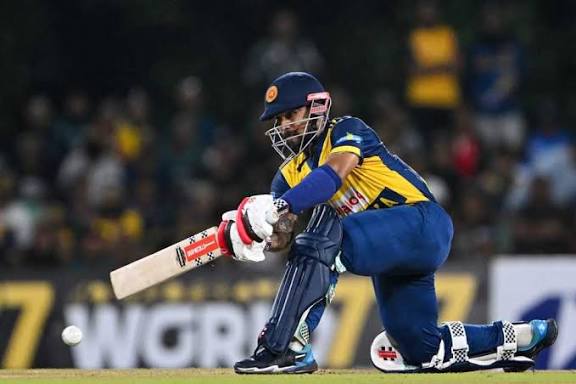
The PCB Patrons XI bowlers continued to work hard. Shoaib Akhtar Jnr was the most successful bowler, claiming three wickets for 26 runs from 13 overs, including five maiden overs.
Ubaid Shah also delivered an impressive performance, taking three wickets for 18 runs. Saqib Khan picked up two wickets, while Ali Shabbir claimed one.
Sri Lanka were eventually dismissed for 181 in 54.3 overs.
Their overall lead had now increased to 253 runs, leaving the PCB Patrons XI with a target of 254 to win.
It was a challenging target in the context of a three-day match, particularly against a bowling attack featuring experienced international players.
Keshara Nuwantha Turns the Match Around with a Four-Wicket Spell
If Sri Lanka’s batting laid the foundation for victory, their bowling attack completed the job in impressive fashion.
The PCB Patrons XI began their chase of 254 with hopes of producing a strong response. However, Sri Lanka had other plans. Their bowlers immediately looked determined to prevent the home side from building a meaningful partnership.
Abdullah Fazal started positively, scoring 21 from 29 deliveries with four boundaries. Mohammad Taha contributed 16 from 25 balls, striking three fours.
The pair offered some resistance, but Sri Lanka continued to apply pressure through disciplined bowling and clever changes in attack.
Dilshan Madushanka provided an early breakthrough by dismissing Fazal, while Lahiru Kumara removed Taha.
With the score at 37 for two, the responsibility shifted towards the middle order.
Tayyab Arif emerged as the most aggressive batter for the PCB Patrons XI. Having scored 30 in the first innings, he once again demonstrated his attacking abilities.
Arif scored 32 from 31 deliveries, hitting four boundaries and maintaining an impressive strike rate of more than 100. His positive approach briefly raised hopes of a competitive chase.
Sameer Minhas also contributed 18 from 23 deliveries. The two players attempted to rebuild the innings and took the score to 79 before Sri Lanka struck again.
The introduction and effectiveness of Keshara Nuwantha proved decisive.
Nuwantha delivered a superb spell, claiming four wickets for just 26 runs in seven overs. His performance dismantled the Pakistani middle and lower order, leaving the home side with very little opportunity to recover.
He dismissed Sameer Minhas, Mohammad Suleman, captain Saad Baig and Tayyab Arif.
The four-wicket burst was particularly important because it came at a stage when the PCB Patrons XI needed stability. Instead, the wickets kept falling, and the pressure increased with every passing over.
Eshan Malinga also made a significant contribution, taking three wickets for just six runs in 3.1 overs. His economical spell ensured that the remaining Pakistani batters found it difficult to build partnerships.
Malinga dismissed Azan Awais, Mohammad Salman and Ubaid Shah.
The bowling performances demonstrated Sri Lanka’s depth and highlighted the importance of having multiple wicket-taking options. While Nuwantha controlled the middle order, Malinga finished the job with an economical and effective spell.
Ali Usman remained unbeaten on seven, while Saqib Khan scored five before being run out.
The PCB Patrons XI were eventually dismissed for 111 in just 27.1 overs.
Sri Lanka completed a comprehensive 142-run victory, bringing the three-day encounter to a successful conclusion.
Individual Performances That Defined the Match
Several players made important contributions throughout the contest, but a few performances stood out above the rest.
Kusal Mendis was one of the biggest positives for Sri Lanka. His 66 in the first innings helped the visitors recover from an uncomfortable position and establish a competitive total.
Lahiru Udara also played an important role, scoring 65 in the opening innings. His ability to occupy the crease gave the middle order the freedom to play more aggressively.
Anjala Bandara contributed with the bat in both innings, scoring 33 not out in the first and 34 in the second. His consistency provided Sri Lanka with valuable support.
However, Keshara Nuwantha arguably delivered the most decisive individual performance. His four wickets in the final innings played a major role in ensuring that the PCB Patrons XI could not challenge the target.
Eshan Malinga also deserves recognition for his three-wicket haul in the fourth innings.
For the PCB Patrons XI, Azan Awais was among the most encouraging performers. His half-century in the first innings showed his ability to handle the pressure of facing international opposition.
Tayyab Arif also demonstrated attacking potential with scores of 30 and 32. Mohammad Taha contributed useful runs in both innings, while the bowling performances of Ubaid Shah, Saqib Khan and Shoaib Akhtar Jnr provided some positive moments for the home team.
These contributions will be useful learning experiences for the young Pakistani players as they continue developing their longer-format cricket.

A Valuable Preparation Opportunity Ahead of the Test Series
Although the encounter was officially a tour match rather than an international fixture, its importance for Sri Lanka should not be underestimated.
Tour matches provide visiting teams with an opportunity to understand local conditions, test different combinations and allow players to regain their rhythm before major international assignments.
For Sri Lanka, the Islamabad contest offered several encouraging signs.
Their batting unit demonstrated the ability to recover from difficult situations. Mendis and Udara showed that the top order could produce meaningful contributions, while Bandara and Rathnayake provided useful support in the lower order.
The bowling department also delivered an encouraging performance. Nuwantha and Malinga were particularly impressive, while experienced campaigners such as Kumara, Madushanka and Jayasuriya provided additional options.
Another important aspect was the opportunity for the players to spend considerable time on the field. Batters gained experience against a competitive bowling attack, while the bowlers had the opportunity to test their plans across multiple innings.
For the PCB Patrons XI, the match was equally valuable despite the defeat.
Facing an international side is a different challenge compared with domestic cricket. The quality of bowling, fielding standards and tactical awareness demand greater concentration.
The Pakistani players experienced these challenges first-hand. Their first innings showed that they could compete, but the second innings highlighted the importance of maintaining discipline and concentration throughout a long-format contest.
The coaching staff will also have plenty of material to analyse. The performances of Awais, Arif and Taha offered encouraging signs, while the batting collapses will provide important lessons for future matches.
Sri Lanka Carry Confidence into the Next Challenge
Sri Lanka’s 142-run victory in Islamabad was an encouraging outcome as they continued their tour of Pakistan.
The visitors showed that they possessed the batting depth and bowling variety required to compete in longer-format cricket. More importantly, they demonstrated the ability to respond when the opposition created pressure.
The match was not entirely one-sided. The PCB Patrons XI produced some excellent individual performances, particularly through Azan Awais, and their bowlers managed to create difficult situations for the Sri Lankan batters.
However, Sri Lanka’s greater experience and ability to take wickets at crucial moments ultimately made the difference.
The upcoming Test series against Pakistan would present a considerably tougher challenge, with both teams expected to approach the contests with greater intensity and tactical preparation.
Sri Lanka would take confidence from the performances of Mendis, Udara, Nuwantha and Malinga. Their contributions suggested that the team had several players capable of stepping up when required.
For Pakistan, the match served as a useful opportunity to evaluate young talent and identify areas requiring improvement before the international contests.
The three-day fixture also underlined an important truth about red-ball cricket: matches are often decided not by one spectacular performance but by consistency across multiple sessions and innings.
Sri Lanka managed to deliver that consistency when it mattered most.
