

Bangladesh Cricket Board XI and West Indies Share Honours in Entertaining Dhaka Tour Match
The two-day tour match between Bangladesh Cricket Board XI and West Indies ended in a draw on October 22–23, 2026, at Bashundhara Sports City Cricket Ground in Dhaka. Although neither side managed to secure a victory, the contest provided valuable preparation for the visiting West Indies team ahead of their international assignments in Bangladesh. A magnificent century from Kalam Siddiki, a commanding batting performance from the home side and a determined response from the Caribbean visitors ensured that the match remained competitive throughout.
Bangladesh Cricket Board XI finished their first innings at 371 for seven declared after 90 overs, while West Indies responded with 336 for six in 80 overs. The drawn result reflected the nature of a traditional warm-up fixture, where building confidence, spending time at the crease and evaluating players were more important than forcing a result.
For Bangladesh, Kalam Siddiki emerged as the outstanding performer with an impressive 135, while Jishan Alam and Chowdhury Md Rizwan also made important contributions. West Indies had several encouraging performances of their own, with Kevin Wickham scoring an unbeaten 67 and John Campbell making a positive start before retiring hurt. Meanwhile, Md Hossain delivered an excellent bowling performance, claiming four wickets for 55 runs.
The encounter offered both teams an opportunity to assess their combinations, examine individual performances and become familiar with the conditions in Dhaka.
West Indies Win the Toss and Choose to Bowl
West Indies won the toss and elected to field first, giving their bowling attack an opportunity to test itself against the Bangladesh Cricket Board XI batting lineup.
The decision provided the Caribbean bowlers with valuable time in the middle, particularly for their fast bowlers and spinners, who were looking to develop rhythm and understand the playing conditions.
Bangladesh Cricket Board XI entered the match with an opportunity to demonstrate the quality of their domestic talent against an international side. Facing West Indies was a significant challenge for the local players, but it also provided an excellent platform to showcase their batting technique and temperament.
The home side began their innings with Mahfijul Islam and Jishan Alam. However, Mahfijul’s stay at the crease was brief as Jayden Seales dismissed him for just four runs. The early breakthrough gave West Indies an encouraging start and suggested that their bowlers could make an impact.
Despite losing an early wicket, Bangladesh did not allow the dismissal to affect their approach. Jishan Alam continued to bat positively, showing confidence against the West Indies attack.
His innings became particularly important because it provided stability after the early setback.
Jishan Alam Leads Bangladesh’s Early Recovery
Jishan Alam produced an impressive innings of 86 runs from 100 deliveries. His performance was one of the important foundations of Bangladesh Cricket Board XI’s eventual total.
Alam displayed a good understanding of the situation, balancing attacking strokes with sensible defensive batting. His 11 boundaries and two sixes demonstrated that he was willing to take advantage of scoring opportunities without losing control of his innings.
His batting helped Bangladesh recover from the early dismissal and establish a useful partnership with the middle order.
The West Indies bowlers attempted to put pressure on the home side through disciplined bowling and changes in pace. However, Alam remained composed and continued to find gaps in the field.
Iftakhar Hossain Ifti contributed 18 runs from 62 deliveries. Although he did not score heavily, his time at the crease helped Bangladesh consolidate their position.
Jishan Alam eventually lost his wicket to Joshua Bishop, who provided an important breakthrough for West Indies.
Alam’s dismissal came after he had already played a valuable role in building the innings. His 86 was an indication of the batting potential available within the Bangladesh Cricket Board XI squad.
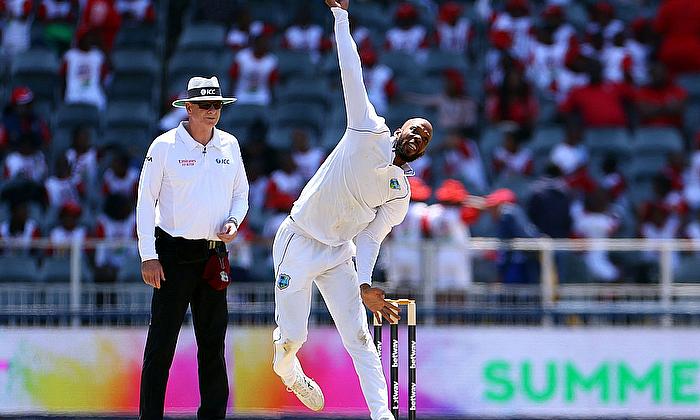
Kalam Siddiki Produces a Magnificent Century
The biggest highlight of Bangladesh Cricket Board XI’s innings was undoubtedly Kalam Siddiki’s outstanding century.
Siddiki scored 135 runs from 184 deliveries, producing an innings that combined patience, concentration and attacking intent. His performance established him as the leading batter of the match and gave the home side a strong platform to declare their innings.
The right-handed batter demonstrated excellent control throughout his stay at the crease. He found the boundary regularly, collecting 20 fours and one six.
What made his innings particularly impressive was the manner in which he adapted to the different stages of the match.
Rather than attempting to score quickly from the beginning, Siddiki concentrated on building his innings. He rotated the strike, played according to the ball and punished loose deliveries whenever opportunities appeared.
His partnership-building ability was equally important. With Bangladesh having already lost wickets, the responsibility of ensuring that the innings did not lose momentum rested heavily on his shoulders.
Siddiki responded with confidence.
His century represented more than an individual achievement. It helped Bangladesh Cricket Board XI move into a commanding position and allowed the remaining batters to approach their innings with greater freedom.
Kevin Wickham eventually dismissed Siddiki, but by that stage, the batter had already completed a memorable contribution.
For a player representing the Bangladesh Cricket Board XI against an international touring side, scoring 135 was an important achievement.
It also demonstrated the value of domestic cricket opportunities in developing players capable of competing against established international cricketers.
Jaker Ali and Chowdhury Md Rizwan Add Valuable Runs
Following Siddiki’s impressive contribution, Bangladesh continued to build their total through useful middle-order performances.
Captain and wicketkeeper Jaker Ali scored 30 runs from 48 deliveries. His innings included one four and two sixes.
Jaker’s contribution was important because it helped maintain the scoring momentum. His ability to find the boundary provided Bangladesh with additional runs during the middle overs.
Chowdhury Md Rizwan was another significant contributor.
Rizwan scored 59 runs from 106 deliveries, striking seven fours and one six. His innings demonstrated patience and an ability to remain at the crease for a considerable period.
His partnership with Siddiki helped Bangladesh move beyond the 300-run mark and placed the home team in a strong position.
Kavem Hodge eventually dismissed Rizwan, but the damage had already been done from West Indies’ perspective.
Shamim Hossain provided an entertaining finish to the innings, scoring an unbeaten 35 from just 30 deliveries. His aggressive approach included six fours and one six.
SM Meherob was dismissed without scoring, while Abdul Halim remained unbeaten on zero.
Bangladesh Cricket Board XI eventually declared at 371 for seven after 90 overs, recording a healthy run rate of 4.12.
West Indies Bowlers Experience a Challenging Outing
Although West Indies managed to take seven wickets, the Bangladesh batting lineup made them work hard throughout the innings.
Joshua Bishop was among the leading wicket-takers, finishing with two wickets for 87 runs from 23 overs.
Kavem Hodge also claimed two wickets, conceding 34 runs in six overs.
Jomel Warrican picked up one wicket for 61 runs, while Jayden Seales claimed the early wicket of Mahfijul Islam.
Kevin Wickham also contributed with the ball by dismissing the outstanding Kalam Siddiki.
Kemar Roach was particularly economical, conceding just 10 runs in six overs while bowling three maiden overs. His experience and control offered West Indies an encouraging element despite the substantial total.
For the Caribbean side, the innings provided valuable bowling practice against batters who were prepared to spend long periods at the crease.
The experience would have been useful for the visiting players as they continued preparing for the challenges of playing in Bangladesh.
West Indies Begin Their Reply Positively
After Bangladesh declared at 371 for seven, West Indies began their response with the intention of building a competitive total.
John Campbell and Brandon King opened the batting, providing the visitors with an opportunity to establish a strong foundation.
Brandon King looked particularly positive during his stay at the crease. He scored 40 runs from 35 deliveries, striking eight boundaries.
His aggressive batting helped West Indies maintain a healthy scoring rate during the opening stages.
King appeared comfortable against the Bangladesh bowling attack and showed his ability to put pressure on the bowlers.
However, Anik Debbarma eventually dismissed him, providing Bangladesh Cricket Board XI with an important breakthrough.
John Campbell was also impressive at the other end.
Campbell scored 65 runs from 78 deliveries, hitting nine fours and two sixes. His innings demonstrated a positive approach and helped West Indies build a promising start.
Unfortunately, Campbell had to retire hurt after reaching his half-century. His departure temporarily interrupted the opening partnership, although his contribution had already provided the visitors with a solid platform.
The West Indies batting lineup continued to work towards reducing the deficit.
Bangladesh Bowlers Fight Back Through Md Hossain
As the West Indies innings progressed, Bangladesh Cricket Board XI began making important breakthroughs.
Anik Debbarma played a useful role by dismissing Brandon King, while the Bangladesh bowling attack continued to challenge the visiting batters.
Tagenarine Chanderpaul scored 31 runs from 90 deliveries. His innings was built around patience and defensive technique, as he attempted to provide stability in the middle order.
However, he was eventually involved in a run-out dismissal through the combined efforts of Anik Debbarma and Md Hossain.
Kavem Hodge managed 13 runs before becoming another victim of the Bangladesh bowling attack.
The biggest bowling performance came from Md Hossain, who delivered an excellent spell and finished with four wickets for 55 runs from 12.2 overs.
His performance was one of the most impressive individual contributions of the entire match.
Md Hossain showed good control and maintained pressure on the West Indies batters. His ability to take wickets at important moments prevented the visiting team from building an entirely comfortable innings.
He dismissed Kavem Hodge, Amir Jangoo, Joshua Da Silva and Joshua Bishop.
Taking four wickets against an international batting lineup was an encouraging achievement for the Bangladesh bowler.
His performance also demonstrated that Bangladesh Cricket Board XI possessed bowling resources capable of challenging experienced international players.
Amir Jangoo Makes a Useful Contribution
Amir Jangoo played an important role in the middle order, scoring 44 runs from 68 deliveries.
His innings included four boundaries and one six.
Jangoo attempted to rebuild the innings after Bangladesh had made progress through the wickets of Chanderpaul and Hodge.
His contribution helped West Indies move closer to the home side’s total and prevented the innings from losing momentum.
However, Md Hossain eventually dismissed him, giving Bangladesh another important breakthrough.
Joshua Da Silva also struggled to establish himself, scoring 11 runs before being dismissed by the same bowler.
Joshua Bishop managed only four runs before becoming Md Hossain’s fourth victim.
At that stage, Bangladesh had successfully put pressure on the West Indies middle order.
Nevertheless, the visitors still had enough batting depth to continue their response.
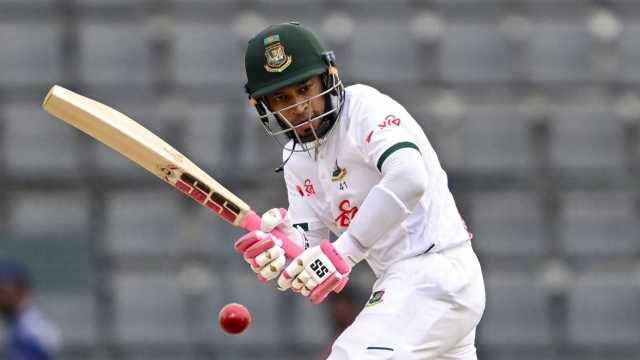
Kevin Wickham and Roston Chase Stabilise the Innings
One of the most encouraging aspects of West Indies’ innings was the partnership between Kevin Wickham and Roston Chase.
With wickets falling at the other end, the responsibility of stabilising the innings rested with the remaining batters.
Kevin Wickham responded with an unbeaten 67 from 107 deliveries.
His innings included seven fours and demonstrated a mature understanding of the match situation.
Rather than becoming unnecessarily aggressive, Wickham concentrated on rotating the strike and maintaining a steady scoring rate.
His approach was particularly valuable because Bangladesh had already taken several wickets and were looking to put the visitors under further pressure.
Wickham’s ability to remain unbeaten also reflected his concentration and temperament.
Roston Chase provided excellent support, finishing unbeaten on 46 from 65 deliveries.
He struck three fours and three sixes, adding an attacking dimension to the partnership.
Chase demonstrated his experience by selecting the right opportunities to score boundaries while ensuring that he did not expose himself to unnecessary risks.
Together, Wickham and Chase helped West Indies recover from the middle-order setbacks.
Their partnership ensured that the visitors remained competitive and avoided losing further wickets.
West Indies eventually finished at 336 for six after 80 overs, with Wickham and Chase still at the crease.
Bangladesh Cricket Board XI Deliver an Impressive Bowling Performance
The Bangladesh bowling attack deserves considerable credit for restricting West Indies to 336 for six.
Md Hossain was the standout bowler, claiming four wickets for 55 runs.
Anik Debbarma also made an important contribution by taking the wicket of Brandon King and assisting in the run-out of Tagenarine Chanderpaul.
Shamim Hossain, who had already contributed with the bat, bowled 12 overs and conceded 33 runs.
SM Meherob delivered 15 overs, conceding 50 runs and maintaining a steady presence in the attack.
Chowdhury Md Rizwan bowled six overs and gave away just 18 runs.
Afif Jaman Sun also impressed with his economical spell, conceding only 12 runs in five overs.
Although Bangladesh were unable to dismiss the entire West Indies batting lineup, their bowling performance was encouraging.
The match offered the local players valuable experience against international opposition and demonstrated their ability to compete across different departments.
A Draw That Served Its Purpose
The final result was a draw, with Bangladesh Cricket Board XI scoring 371 for seven declared and West Indies finishing on 336 for six.
From a competitive perspective, Bangladesh had the advantage of scoring more runs in their innings and taking six wickets during the West Indies response.
However, the purpose of a tour match is different from that of a competitive international fixture.
These matches provide teams with opportunities to evaluate players, practise combinations and become comfortable with local conditions.
For West Indies, the encounter offered important batting and bowling practice ahead of their Test series in Bangladesh.
The visitors had the opportunity to spend considerable time at the crease, while their bowlers experienced the challenge of operating against a determined local batting lineup.
For Bangladesh Cricket Board XI, the match was an opportunity to measure their abilities against an international team.
The performances of Kalam Siddiki, Jishan Alam, Chowdhury Md Rizwan and Md Hossain were particularly encouraging.
The drawn result also meant that both teams could take useful lessons from the encounter without the pressure of a decisive outcome.
Kalam Siddiki Takes the Spotlight
Among all the individual performances, Kalam Siddiki’s 135-run innings was undoubtedly the standout achievement.
Scoring a century against an international bowling attack requires concentration, technical discipline and the ability to adapt to different bowling styles.
Siddiki demonstrated all these qualities during his 184-ball stay at the crease.
His 20 boundaries and one six reflected a controlled yet confident approach.
The innings also highlighted the importance of domestic cricket opportunities in providing talented players with exposure to international standards.
Jishan Alam’s 86 and Chowdhury Md Rizwan’s 59 further strengthened Bangladesh’s batting performance.
On the West Indies side, Kevin Wickham’s unbeaten 67 and John Campbell’s 65 were encouraging signs.
Md Hossain’s four-wicket performance also ensured that Bangladesh had a strong individual contribution with the ball.
These performances made the tour match valuable for both teams.
West Indies Look Ahead to the Bangladesh Challenge
The warm-up encounter was an important part of West Indies’ preparations for their Bangladesh tour.
Playing in Bangladesh presents particular challenges for visiting teams. The conditions, bowling surfaces and different styles of opposition require players to adjust their techniques and strategies.
The tour match allowed West Indies to spend time in the middle and gain valuable experience before the more demanding international contests.
The batting performances of Campbell, King, Wickham and Chase offered encouraging signs.
However, the four wickets claimed by Md Hossain also demonstrated that the visiting team would need to remain alert against Bangladesh’s bowling resources.
West Indies could take several positives from the match, especially the ability of their lower middle order to rebuild the innings after losing wickets.
Their bowlers also had an opportunity to test themselves against a batting lineup that showed considerable patience.
The match was therefore a useful exercise in preparation, even though it ended without a winner.
