
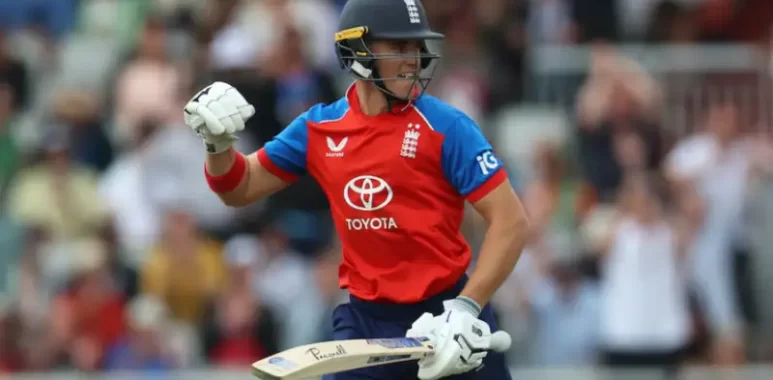
England Seal Dominant 4-0 Series Whitewash as Buttler and Brook Demolish India in Southampton Thriller
In a display of sheer batting dominance that will be talked about for years to come, England crushed India by 56 runs in the fifth and final T20I at the Utilita Bowl in Southampton on Saturday, July 11, 2026. This victory not only completed a comprehensive 4-0 series triumph for the hosts but also propelled them to the top of the ICC Mens T20I rankings, displacing the world champions India in the process. Jos Buttler and Harry Brook produced a record-breaking second-wicket partnership of 233 runs off just 103 balls, laying the foundation for Englands mammoth total of 257 for 3, a score that proved far too steep for the visitors to chase.
The Rose Bowl, known for its true batting surfaces and accommodating boundaries, lived up to its reputation as a run-feast venue. But even by its standards, what unfolded on this sunny afternoon was extraordinary. India, already reeling from three prior defeats in the series, arrived at the ground after a delayed journey, and from the moment they stepped onto the field, they looked a step behind. Captain Shreyas Iyer won the toss and elected to field first, hoping his bowlers could restrict England and set up a chaseable total. That decision would come back to haunt him in spectacular fashion.
Phil Salt fell early for just 6 off 9 balls, caught by Suryansh Shedge off Prasidh Krishna in the second over. It was a momentary blip, but one that brought together two of Englands most explosive talents: Jos Buttler and Harry Brook. What followed was pure carnage. Buttler, returning to form after a lean patch, unleashed an innings for the ages, smashing 131 off 64 balls, studded with 12 fours and 8 sixes. Brook, the captain, complemented him perfectly with an unbeaten 95 off 45 deliveries, including 4 fours and 8 sixes. Their stand rewrote the record books as the highest second-wicket partnership in T20I history at the time and the fourth-highest for any wicket overall.
The pair took the attack to every Indian bowler with clinical precision. Arshdeep Singh started tidily but was soon dispatched to all parts of the ground. Prasidh Krishna, who had taken the early wicket, leaked 38 runs in his four overs. Prince Yadav was particularly expensive, going for 60 runs without a wicket, while Axar Patel and Suryansh Shedge struggled to stem the flow, conceding 63 and 39 respectively. Shivam Dube provided the only resistance with the ball, claiming 2 for 22 in a single over that accounted for Buttler and Jacob Bethell in quick succession, but by then the damage was done. Will Jacks added a quick unbeaten 7 off 2 balls to push the total past 250.
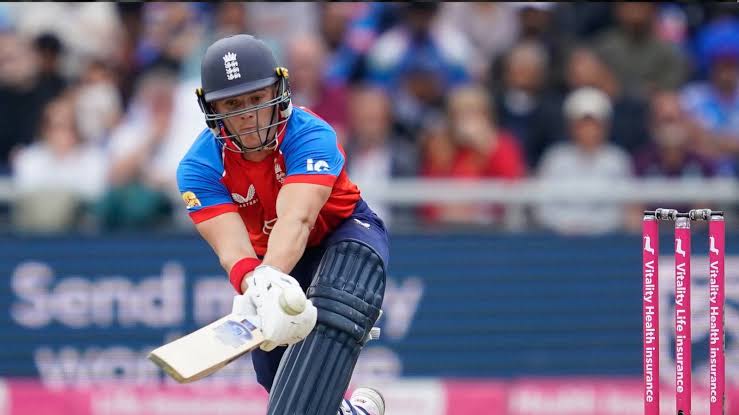
As the England innings progressed, the crowd at the Utilita Bowl grew increasingly vocal, sensing history in the making. Buttler reached his century in just 51 balls, his second T20I ton, and looked set for even more until Dube trapped him lbw or induced a miscue, depending on the angle you watched. Brook, ever the composed finisher, accelerated in the death overs, hitting monstrous sixes that sailed into the stands. The partnership was not just about power; it was built on smart rotation of strike, excellent running between the wickets, and an understanding that came from years of playing together. England plundered 32 runs from the final two overs, setting a target that looked insurmountable even before India began their reply.
Chasing 258, India needed a near-perfect start, and they tried to provide one. Sanju Samson, brought back into the side, played a blistering cameo of 27 off 14 balls, including 3 fours and 2 sixes. Abhishek Sharma fell cheaply for 3, but Ishan Kishan joined Samson and kept the scoreboard ticking with aggressive intent. Kishan top-scored for India with a fluent 56 off 35 balls, striking 7 fours and 2 sixes. Yet, the required run rate hovered around 13 from the outset, and every time a partnership threatened to build momentum, England struck back.
Shreyas Iyer contributed 28 off 16, but his dismissal to Liam Dawson shifted the pressure further. Tilak Varma provided the most resistance with a rapid 53 off 25 balls, laced with 3 fours and 4 sixes, but he too fell to Josh Tongue, caught by Buttler behind the stumps. Buttler, not content with his batting heroics, took three sharp catches to underscore his all-round impact on the game. Sam Curran was the pick of the English bowlers, finishing with impressive figures of 3 for 36 in four overs, using variations in pace and clever yorkers to disrupt the rhythm. Adil Rashid picked up 2 for 24, while Jofra Archer, Liam Dawson, and Josh Tongue each claimed a wicket.
Indias lower order collapsed under the weight of the asking rate. Shivam Dube managed 14, Suryansh Shedge 7, and the tail could only add scraps. Arshdeep Singh remained not out on 4, with Prasidh Krishna on 1, as India finished on 201 for 8. The 56-run margin told the story of a completely one-sided contest in the latter stages. Regular wickets at crucial junctures prevented any sustained momentum, and Englands fielding was sharp throughout, limiting boundaries and effecting quick turnovers.
This match capped off what has been a nightmare tour for India. After losing the first completed game convincingly and suffering heavy defeats in subsequent encounters, including a record 125-run thrashing earlier in the series, the visitors head home without a single T20I victory. It marked the first time India had lost four matches in a bilateral T20I series. Questions will inevitably arise about team selection, strategy, and the form of key players. Shreyas Iyer, leading the side in T20Is, faced immense pressure, and reports suggest the BCCI may review the coaching and captaincy setup following this shambolic showing.
For England, it was a season of redemption and resurgence. Under Harry Brooks captaincy, the team has clicked in all departments. Jos Buttler, named Player of the Match for his explosive 131 and three catches, silenced critics who questioned his place after a string of modest scores. Harry Brook, crowned Player of the Series with 229 runs across the games he played, led from the front with calm authority and destructive batting. The bowling unit, led by Curran, Rashid, and the pace contingent of Archer and Tongue, showed depth and adaptability.
The Rose Bowl crowd, a mix of English supporters and traveling Indian fans, witnessed a masterclass in T20 batting. The delayed start due to Indias travel issues added an element of drama, but once the game began, there was no stopping the hosts. Post-match, Brook reflected on the performance: the partnership with Buttler felt special from the start, and the way the bowlers executed plans in the chase made it a complete team effort. Buttler echoed similar sentiments, crediting the support staff and teammates for helping him regain his rhythm. Iyer, on the other hand, acknowledged the hosts superiority on the day and the series, promising to learn from the experience ahead of upcoming challenges.
This result has broader implications for both teams. England now sit atop the T20I rankings, boosting confidence ahead of future tournaments. Their blend of experience and youth, combined with home conditions suiting their aggressive style, makes them formidable. For India, the whitewash serves as a wake-up call. Despite being reigning champions, the squad struggled with consistency, middle-order fragility, and bowling depth against quality opposition in away conditions. The upcoming ODI series will provide an opportunity for redemption, but the scars from this T20 leg will linger.
Looking back at the series trajectory, England built momentum steadily. The washout in the first match gave way to decisive wins, with standout performances from multiple players. Jofra Archers pace, Sam Currans death bowling, and the middle-order firepower have all contributed. India had moments of brilliance, like individual fifties and spirited chases, but lacked the collective strength to close out games.
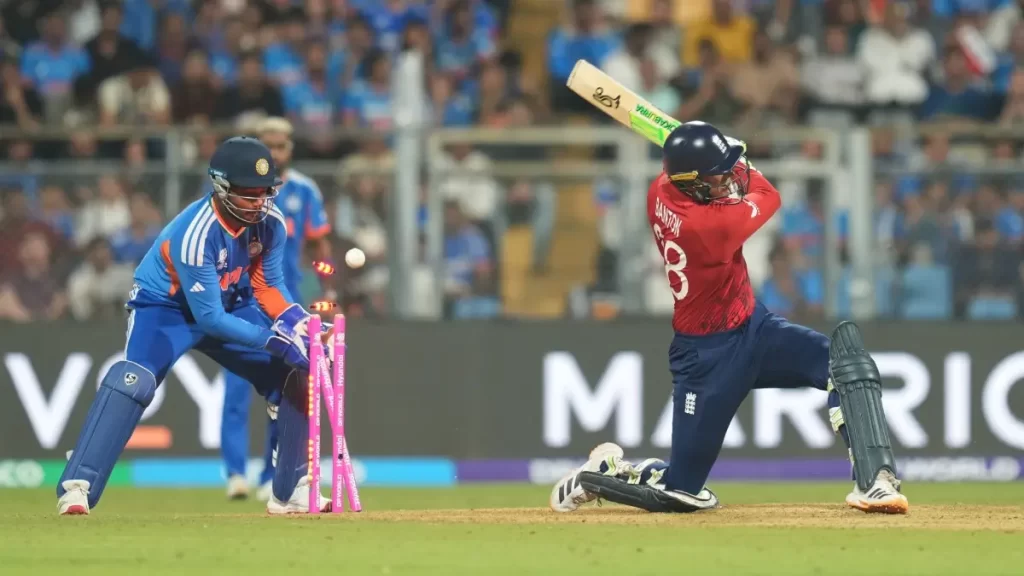
The venue itself played its part. The Utilita Bowl, with its short square boundaries and true pitch, favored the batters who could clear the ropes. Groundsmen prepared a surface that encouraged high scoring, and England capitalized fully. Weather conditions were ideal, with clear skies and a gentle breeze, allowing for uninterrupted play after the initial delay.
Beyond the numbers, the human stories stood out. Buttlers comeback innings reminded everyone of his status as one of the greatest white-ball openers. At 35 plus, his hunger and skill remain undiminished. Brook, still relatively young in captaincy terms, has grown into the role, leading by example and fostering a positive dressing room environment. For India, young talents like Tilak Varma and Suryansh Shedge showed promise, but senior players need to step up consistently.
As the sun set on Southampton, England players celebrated with the trophy, spraying champagne and posing for photos. Fans chanted their heroes names, while Indian supporters, though disappointed, applauded the spirited effort. Cricket at its best often delivers such contrasts: one teams euphoria, anothers introspection.
In summary, this fifth T20I encapsulated the series narrative perfectly. England were clinical, ruthless, and thoroughly deserving winners. India, for all their pedigree, could not match the intensity or execution required at this level. The 257-run total and the record partnership will feature in highlight reels for seasons to come, symbolizing a new era of English white-ball dominance.
The road ahead for both sides diverges. England will ride this wave into the ODIs and beyond, while India must regroup, analyze failures, and rebuild. For now, though, the spotlight belongs to the victors at the Utilita Bowl, where Buttler and Brook turned a cricket match into a statement of intent that echoed across the cricketing world.
