
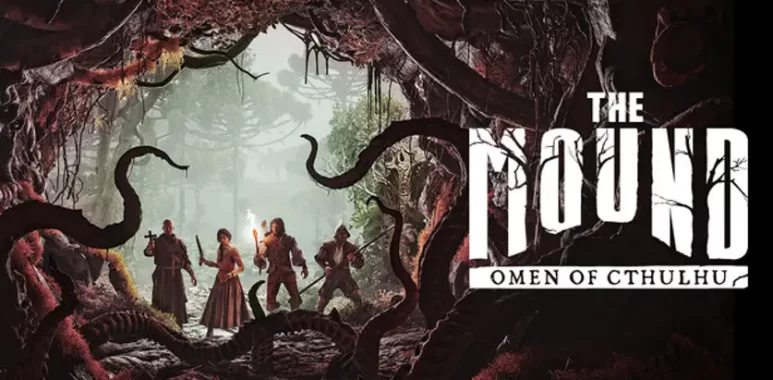
The Mound: Omen of Cthulhu – A Descent into Madness That Actually Delivers (Released July 15, 2026)
I’ll be honest: when I first heard about The Mound: Omen of Cthulhu, I was skeptical. Another Lovecraft-inspired horror game? In a crowded genre full of tentacle jumpscares and “sanity meters” that feel more like resource bars than genuine psychological dread? But then I played it. And two sleepless nights and one very awkward group call later, I’m here to tell you this might be one of the most unsettling co-op experiences I’ve had in years.
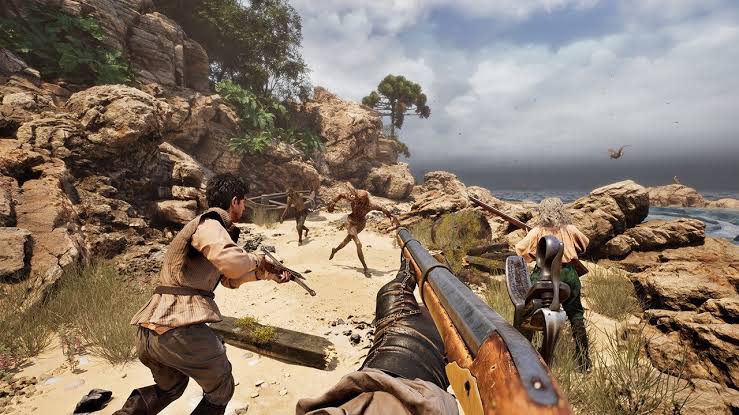
Developed by ACE Team (the mad geniuses behind Zeno Clash and The Eternal Cylinder) and published by Nacon, The Mound launched on July 15, 2026, for PC, PS5, and Xbox Series X|S. It draws loose inspiration from H.P. Lovecraft and Zealia Bishop’s 1929-1930 novella The Mound, transplanting the subterranean horrors of K’n-yan into a 16th-century South American jungle setting. You play as Spanish explorers (or whatever ragtag crew you assemble) venturing from a creaky galleon hub into a shifting, malevolent rainforest in search of cursed treasures, missing comrades, and ancient ruins. Up to four players in co-op, with crossplay support. Sounds simple on paper. It is not.
Setting the Stage: Atmosphere That Chokes You
From the moment you step off the rowboat onto that humid shore, The Mound grabs you by the throat and doesn’t let go. The jungle isn’t just a backdrop; it’s alive in the worst possible way. Dense foliage presses in from all sides, vines drip with something that might be sap or might be something far worse, and the distant calls of birds twist into something almost human if you listen too long. ACE Team’s art direction shines here—rooted in historical conquistador aesthetics but constantly subverting them with cosmic rot. One moment you’re admiring a beautifully rendered ruined temple overgrown with bioluminescent fungi; the next, the walls are breathing.
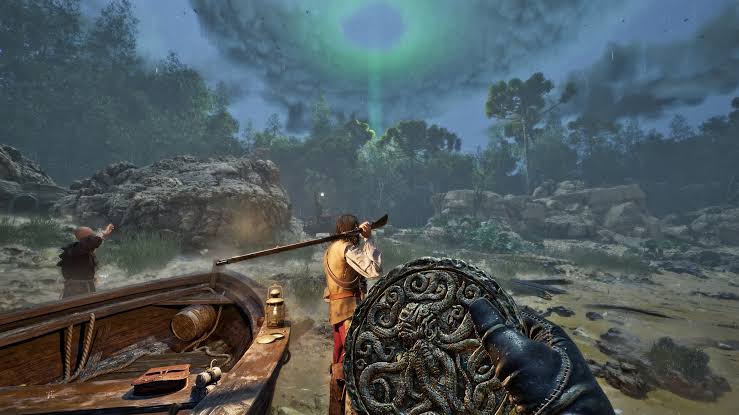
The sound design is masterful. Proximity voice chat is built into the core experience, and it’s brilliant. You’ll hear your friends’ real voices crackling through the undergrowth, growing more distant as the jungle swallows them. Footsteps squelch in mud that sounds a little too much like flesh. Weapons—flintlocks, crucifixes (yes, really), machetes—feel weighty and unreliable, which fits the era perfectly. The score is sparse, mostly ambient drones and distant, indecipherable chanting that ramps up when things go wrong. And they go wrong often.
I played mostly with a group of three friends (randoms work too, but good luck trusting them), and the paranoia sets in early. “Was that you moving in the bushes?” becomes a constant refrain. The game doesn’t hold your hand with UI markers for everything. Sanity erosion is subtle at first—no big flashing warnings. Just little cracks: a teammate’s model flickering for a split second, or a landmark that wasn’t there on the way in.
The Core Loop: Expeditions, Extraction, and Eternal Paranoia
The Mound is an extraction-style co-op horror game, but it feels more thoughtful than many of its peers. Before each run, you gather aboard the galleon hub. There’s a grizzled (and suspiciously tentacle-adjacent) Captain who hands out contracts: retrieve a certain amount of gold idols, rescue a stranded explorer, investigate a specific fort, or push deeper into the unknown for bigger rewards. You buy gear with scavenged resources—better guns, lanterns, sanity-restoring herbs (that sometimes do the opposite), traps, etc. Loadouts matter. Going in underprepared is a death sentence.
Once ashore, missions last roughly 15-30 minutes depending on ambition. The maps are large, procedurally influenced, and feel genuinely expansive. You push through layers: surface jungle, then descending into red-lit K’n-yan ruins, shadowy Yoth, and eventually the pitch-black voids of N’kai if you’re feeling suicidal. The world reacts to your presence. Noise attracts horrors. Lingering too long escalates the threat level. Overstaying your welcome turns a manageable trek into a desperate sprint back to the extraction point with a loot cart trundling behind you like a cursed shopping trolley.
Combat is deliberate and punishing. Flintlocks need reloading, and ammo is scarce. Melee is risky because many creatures close distances terrifyingly fast. Stealth and avoidance are often smarter—sneak past patrols, use distractions, or simply run. But the real enemy is rarely the monsters you can see. It’s what the jungle does to your mind.
Sanity: The Star of the Show
This is where The Mound separates itself. The sanity system isn’t just a screen filter. It’s deeply personal and asymmetric. As your mental state deteriorates (from stress, certain encounters, eating the wrong glowing mushroom, or simply time spent in the deep zones), hallucinations kick in individually. One player might see a safe path that’s actually a cliff. Another hears friendly voices calling them toward danger. You might perceive a teammate as a writhing horror and open fire—only to realize too late it was your buddy.
In one memorable run, my friend swore the loot cart was following us normally. To me, it was sprouting limbs and whispering. We argued over voice chat while something very real started stalking us from the trees. Trust evaporates fast. The game encourages (and sometimes forces) communication, but distorted perceptions make even that unreliable. It’s Eternal Darkness-style insanity mechanics evolved for co-op, and it works terrifyingly well.
I won’t spoil specific horrors, but there are moments that left my group silent for minutes afterward. Creatures inspired by Lovecraft’s mythos—twisted humanoids, fungal abominations, things that shouldn’t move the way they do—feel genuinely otherworldly. The developers promised not to over-explain the rules of the jungle, and that restraint pays off. Mystery breeds fear.
Technical Side and Multiplayer
Performance is solid on current hardware. I played on PC at high settings with minimal hiccups, even in chaotic four-player sessions. Visuals are detailed and atmospheric without being overly demanding. Loading times between expeditions are quick enough not to kill momentum.
Single-player is viable but noticeably harder and less chaotic-fun. The game shines with friends. Voice chat integration, shared loot decisions, and the inevitable blame game when someone eats a suspicious berry make it a social experience. Random matchmaking has its risks (trolls and quitters exist), but the community seems mostly enthusiastic post-launch. Crossplay helps fill lobbies.
Progression is satisfying. Successful extractions upgrade your galleon slightly, unlock better contracts, and reveal more lore through recovered artifacts and journals. There’s a sense of escalating dread as you uncover the deeper connections to the novella’s underground civilization. It’s not endless live-service grinding; it feels like a crafted campaign of expeditions with replayability through difficulty tiers and random events.
Complaints? A Few
Not everything is perfect. Some contracts feel repetitive early on—fetch X amount of Y while surviving waves. Enemy variety is strong but certain ambush types can frustrate, especially when sanity tricks compound them. The ending (I won’t spoil it) leans a bit more narrative than I expected after the freeform exploration, and it left me wanting just a tad more closure on certain threads. Balancing for solo players could use tweaks; it’s doable but punishing.
Occasional bugs at launch—clipping horrors, desynced hallucinations—have mostly been patched in the first couple days, from what I’ve seen. ACE Team seems responsive.
Why It Stands Out
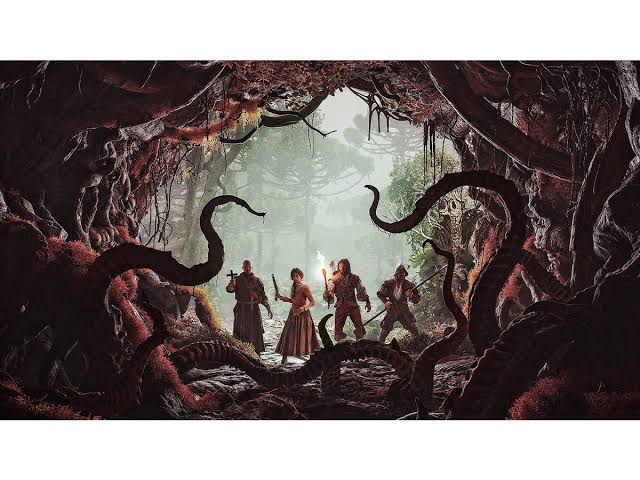
In a sea of co-op horror games like Lethal Company, Phasmophobia, or Content Warning, The Mound distinguishes itself with its historical flavor, uncompromising atmosphere, and that masterful sanity layer. It’s not just about screaming at jump scares; it’s about slowly losing your grip on reality alongside people you thought you trusted. The Lovecraftian influence feels authentic—not just pasted-on tentacles, but a pervasive cosmic indifference and human insignificance.
ACE Team’s quirky style shines through in the grotesque creature designs and the way the jungle feels like a character. It’s beautiful and repulsive simultaneously. The galleon hub provides welcome breathing room between runs—chatting strategy, trading items, staring nervously at the horizon.
After dozens of expeditions, I’m still jumping at shadows in my own apartment. That’s the highest praise I can give a horror game.
Final Verdict
The Mound: Omen of Cthulhu isn’t flawless, but it’s ambitious, atmospheric, and deeply replayable with the right crew. If you have friends who enjoy tension, betrayal (accidental or otherwise), and cosmic dread, this is essential. Solo players should temper expectations but will still find plenty to fear.
Score: 8.5/10 – A standout in the co-op horror renaissance. Just don’t play it alone at night. Or do. The jungle is waiting.
