
KAZ: The Psychedelic Dopamine Machine That Broke My Keyboard (and My Sleep Schedule)
When KAZ dropped on July 13, 2026, I told myself I’d just check it out for an hour. You know how that goes. One hour turned into three, then suddenly it was 3 a.m., my right hand was cramping in ways I didn’t know were possible, and I was muttering “one more run” like a mantra while my cat judged me from across the room. Four days later, I’m still hooked, and I’m here to tell you why this little indie roguelike from Kalinarm (published by HAKURO) is one of the most refreshingly addictive things I’ve played in years.
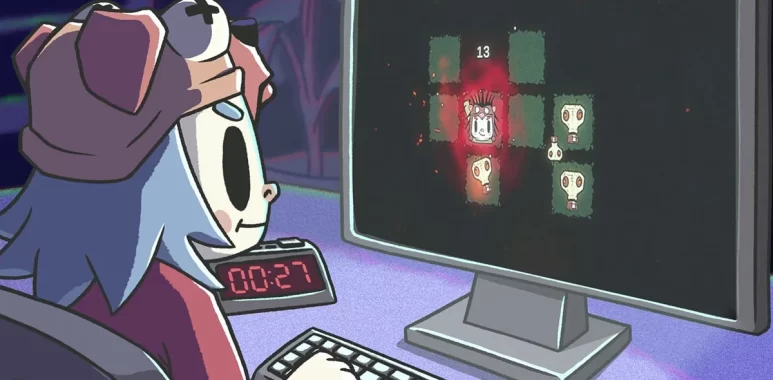
Let’s get the basics out of the way. KAZ is a minimalist grid-based action roguelike arcade game that somehow packs psychedelic visuals, rhythm-like gameplay, and deep progression into something that feels deceptively simple. You control a character on a growing grid using just four directional inputs (arrow keys or WASD—your choice, masochist). Enemies pop up, you dash to them to smash them for points, the grid expands, chaos ensues, and you chase ever-higher scores across runs. Sounds basic? It is, until the items, buffs, maluses, weapons, themes, and escalating madness kick in.
First Impressions: Pure Visual and Audio Candy
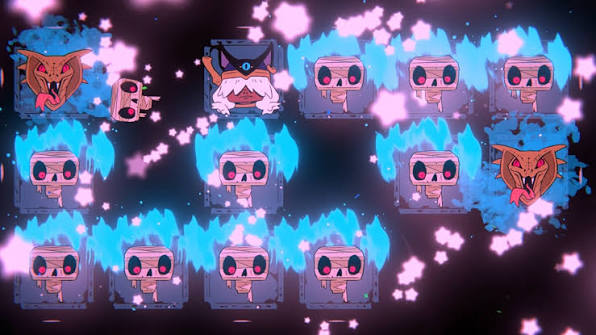
From the moment you boot it up, KAZ hits you with that dopamine rush the devs promised. The visuals are hypnotic—bright, shifting patterns, neon explosions, and evolving grids that feel like staring into a kaleidoscope while on a sugar high. It’s minimalist in structure but maximalist in vibe. Every successful combo or high-score milestone triggers these satisfying visual flares and particle effects that make you feel like a god of pixelated destruction.
The soundtrack is interactive and rhythm-inspired. More points mean more musical layers kick in—beats get heavier, synths swell, and suddenly your frantic button-mashing syncs with the music like you’re in some underground trance club. It’s not just background noise; it actively rewards flow state. I caught myself humming along mid-run more times than I care to admit. There are over 10 tracks that evolve dynamically, and they never get old, even after dozens of attempts.
Controls are buttery smooth. Four buttons. No excuses. Yet within that limitation lies surprising depth. In timed modes, it’s pure twitch reflex—hammer those keys like your life depends on it. In “No Stress” mode (a brilliant addition from the demo updates), time only advances when you move, turning it into a tactical puzzle where you plan paths and manage limited moves. Both feel rewarding in different ways.
Gameplay Loop: Easy to Learn, Brutal to Master
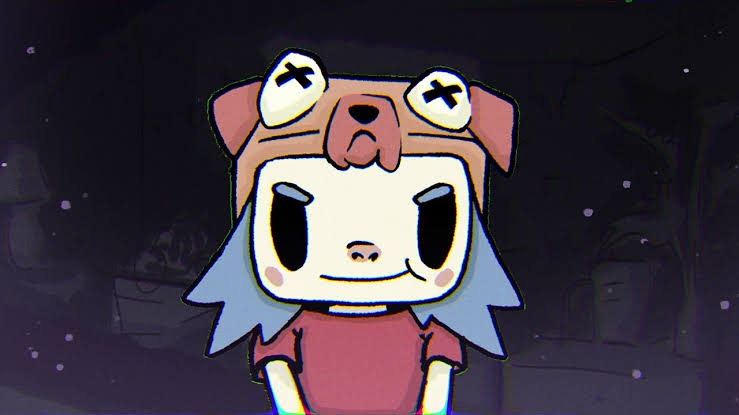
A typical run starts with choosing a weapon—there are six at launch, each with unique visuals and playstyle twists (one swings in arcs, another lobs fireballs, etc.). The grid begins small, enemies spawn, you zip around tagging them. Hit the score threshold? Grid expands, new threats appear, items drop between rounds.
Items (110+), active spells, buffs, and maluses (35+) are where the roguelike magic happens. You’ll grab power-ups that multiply points, change enemy behaviors, or grant wild abilities like “Negate” (flip empty and occupied spaces) or “Sandevista” (button-mash clear at round start—yes, a cheeky Cyberpunk nod). Maluses sound bad but often hide synergies or power spikes if you play around them. Wrong combo? Early game over. Right one? You’re chaining combos into the stratosphere.
Themes (25+) are a standout. These aren’t just cosmetic skins; each comes with its own special power-up and vibe. Community and artist collabs mean you get everything from crab-themed absurdity to sleek cyber aesthetics. Picking one that matches your mood genuinely changes how runs feel. One theme might emphasize aggressive expansion, another defensive positioning. It’s brilliant for replayability.
There are five game modes at launch: high-pressure Survival for the finger athletes, chill No Stress for thinkers, weekly/monthly challenges, and more. Leaderboards are ruthless but motivating—nothing beats seeing your name climb (or getting absolutely smoked by some legend with 10x your score). Quests (145+) tie into unlocks, giving purpose beyond pure high-score chasing.
The “One More Run” Addiction Factor
This is where KAZ shines brightest—and most dangerously. It’s built for flow state. Once you’re in the zone, time disappears. Decisions become instinctive. Your hands move before your brain catches up. Then you die in a spectacular fashion because you got greedy with a malus, and you’re immediately itching to try again with a different build.
I’ve sunk embarrassing hours into it already. My personal best? A run that went deep enough for the grid to feel like a living, breathing entity of pure chaos. Enemies dodging, power-ups flying, music pounding—I was grinning like an idiot the whole time. Then I tried to replicate it and failed miserably for the next hour. Classic roguelike highs and lows.
The progression system keeps you coming back. Unlocks, new items, themes, and challenges ensure every session feels like you’re building toward something. Post-launch weekly/monthly content was promised, and the foundation is rock solid for it.
Technical Stuff and Polish
For an indie title, KAZ feels incredibly polished. It ran flawlessly on my mid-range rig (and apparently plays nice with Proton on Linux). Visuals scale beautifully, no stuttering even in the craziest late-game grids. Steam Deck compatibility is listed as “Unknown” but early reports suggest it works well enough.
Accessibility options are solid—color adjustments, various input remapping, etc. The UI is clean and informative without cluttering the hypnotic visuals. Load times are basically nonexistent.
Minor gripes? Some item descriptions could be clearer on synergies (you’ll learn through painful experimentation). A couple of maluses feel a bit swingy in early runs. But these are nitpicks in an otherwise tight package. Balance patches will surely come, as the dev has been super responsive during the demo phase.
Who Is This For?
Score chasers. Arcade addicts. People who loved old-school high-score games but want modern roguelike depth. Fans of Vampire Survivors-style chaos but craving more skill expression. Anyone who wants a quick session that turns into an all-nighter.
If you hate twitch gameplay or get frustrated easily by failure loops, it might not be for you—though No Stress mode softens that edge considerably. Casual players can dip in and have fun; dedicated ones will live in the leaderboards.
Final Verdict: 9/10 – A Must-Play Indie Gem
KAZ isn’t reinventing the wheel, but it polishes and evolves the arcade-roguelike formula into something fresh, hypnotic, and ridiculously fun. At its $5.94 launch price (15% off intro offer), it’s an absolute steal. Metacritic sitting at 83 feels about right—critics and players alike are praising the pure joy and replayability.
Four days post-launch and the community is already buzzing with wild builds, theme combos, and leaderboard wars. The Keychron collab tournament for custom keyboards? Genius marketing that fits the fast-fingers theme perfectly.
If you’re reading this and even mildly curious, wishlist it, grab it on sale, and prepare to lose track of time. Just stretch your hands first. Trust me.
KAZ didn’t just release—it injected pure chaotic joy into the indie scene. Kalinarm and HAKURO nailed it. Here’s hoping for more themes, modes, and post-launch support. I’ll be here grinding leaderboards until my wrists give out.
