
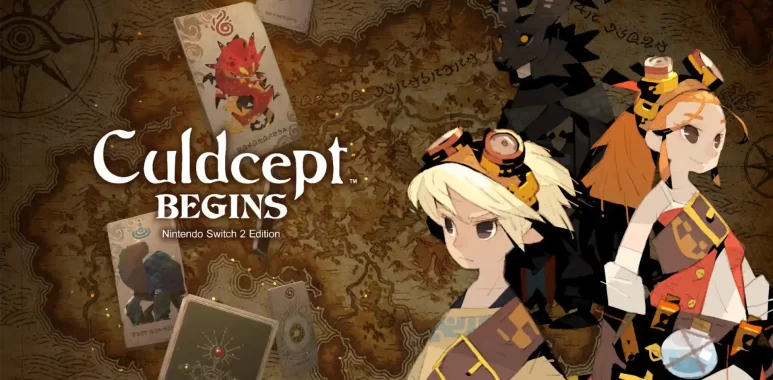
Culdcept BEGINS: A Triumphant Return That Feels Both Nostalgic and Fresh
I’ll admit it: when I first heard Culdcept BEGINS was coming out after a full decade of radio silence, I was equal parts excited and skeptical. The series has always been this weird, wonderful niche darling—part Monopoly, part Magic: The Gathering, with a heavy dash of Japanese RPG storytelling and tactical depth that somehow never quite broke into the mainstream. The last mainline entry felt like ancient history, and in a world drowning in roguelike deckbuilders and auto-battlers, I wondered if Neos could make the formula sing again for both grizzled veterans and total newcomers.
Well, after sinking about 25 hours into it since the July 16 launch on Switch and Switch 2 (with Steam coming later), I can confidently say: they nailed it. Culdcept BEGINS isn’t just a safe revival; it’s a loving evolution that streamlines some of the old friction while doubling down on what makes the series magical. At around 2500 words, this review is going to dig deep—gameplay, story, multiplayer, presentation, accessibility, and why this might be the perfect entry point for the uninitiated. Spoiler: if you like strategic games with heart, luck, and replayability, stop reading and go play it.
The Core Loop: Dice, Cards, and Territory Warfare
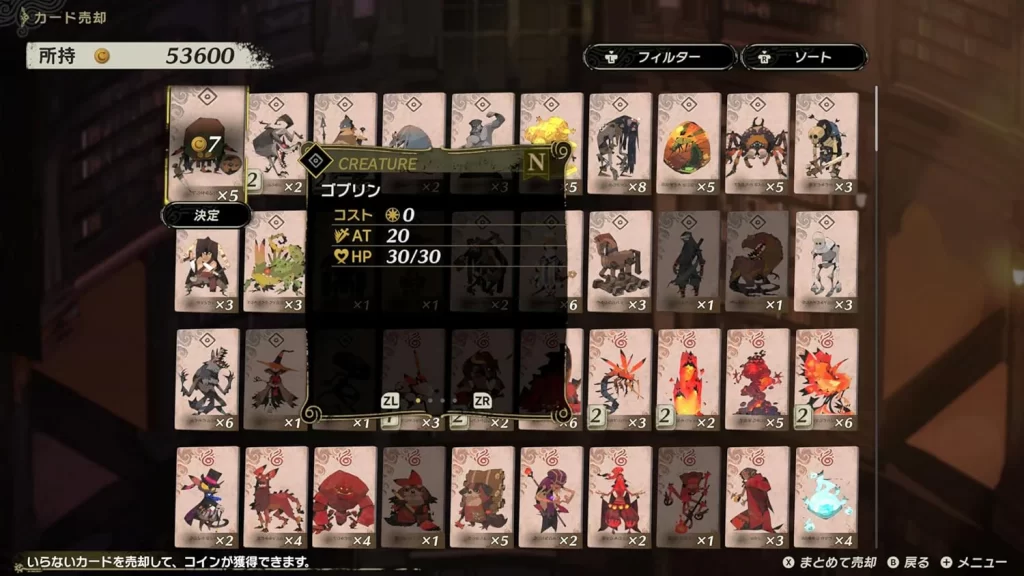
For anyone new to Culdcept, the elevator pitch is deceptively simple: it’s a board game where movement is dictated by dice rolls, but strategy explodes through a customizable deck of over 400 cards. You play as a “Cepter,” someone who wields stone tablets (cards) drawn from the mythical Culdcept, the book of creation itself.
Each match starts with you building a “Book”—your deck, trimmed down to a lean 40 cards in this entry (a welcome change from the traditional 50). Cards fall into three main types:
- Creature Cards: Your bread-and-butter for claiming territory. Summon them onto empty spaces or challenge opponents. They come in five elements (Fire, Water, Wind, Earth, Neutral) with synergies, special abilities, and stats that shine on matching lands.
- Spell Cards: Game-changers. Want to reroll dice, sabotage an opponent’s movement, boost your creatures, or nuke a key territory? Spells do that and more.
- Item Cards: Equipped to creatures during battles for buffs, debuffs, or wild special effects that can flip fights.
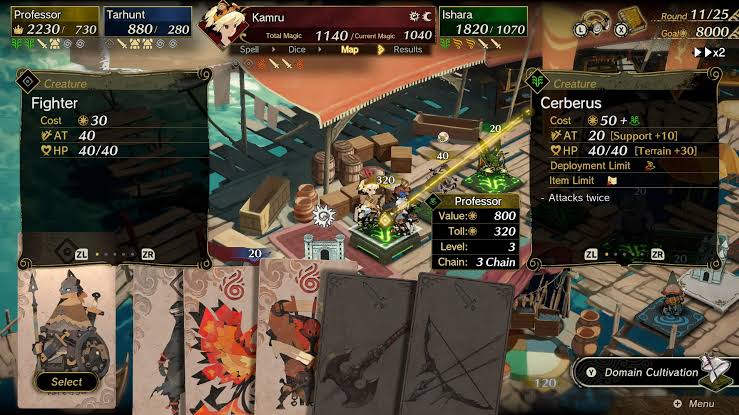
You roll dice (often two d6 equivalents, modifiable by spells), move around the board, claim neutral spaces by summoning creatures, upgrade your territories to generate more Magic Power (mana), and battle rivals who land on your stuff. The goal? Amass a target amount of Magic and return to the starting castle first. Pay tolls on enemy lands or fight to steal them. It’s chaotic, tense, and endlessly replayable because dice introduce variance while your deck and tactical choices provide the skill ceiling.
What BEGINS does brilliantly is accelerate the early game. Previous entries could feel slow if you drew poorly or rolled badly at the start. Here, increased lap rewards, faster territory growth, and better starting resources mean you’re summoning, battling, and scheming within the first couple of turns. Matches still last a solid 20-45 minutes depending on player count and map size, but the pacing feels snappier without losing the epic back-and-forth.
I lost my first few Story Mode matches embarrassingly badly because I tried to brute-force creature-heavy decks like I remembered from older games. Then I started mixing in disruption spells and item synergies, focusing on element chains (dominating one or two land types for bonuses), and suddenly I was pulling off comebacks that had me yelling at the screen. The satisfaction of stealing a maxed-out enemy fortress with a perfectly timed spell or underdog creature is unmatched.
Story Mode: A Fresh Prequel with Heart
Culdcept stories have always been a bit over-the-top, with gods, ancient books, warring factions, and plucky protagonists discovering their Cepter powers. BEGINS is no exception, but it positions itself smartly as a prequel to the very first game, making it an ideal jumping-on point.
You play as Kamur (or Camul? The localization is solid), a transfer student at the Royal Cept Academy on the continent of Bavrashka. War is brewing, rival academies and factions are scheming, and ancient powers are stirring. The narrative unfolds through visual novel-style scenes between matches, with charming character interactions, rivalries, and some genuinely funny moments. Voice acting (Japanese with good English subs) adds personality, and the new character designs by Satoshi Matsuura (Legend of Mana, Mother 3 vibes) are vibrant and expressive.
Story Mode does an excellent job teaching mechanics gradually. Early chapters introduce basics, then layer on advanced tactics, map features (forts, warp tiles, spell circles, fortune tellers), and deck-building philosophy. Opponents explain their strategies post-match, and losses feel like learning opportunities rather than roadblocks—you keep some cards and can rebuild your Book immediately. By chapter 5 or so, you’re deep into multi-layered mind games.
The writing isn’t going to win literary awards, but it’s earnest and fun. There’s real weight to the friendships and betrayals, and the world-building ties nicely into series lore without requiring homework. Veterans will spot connections and appreciate the callbacks; newcomers won’t feel lost.
Presentation and Polish: Modernized but Faithful
Visually, BEGINS is a glow-up. All-new card art, refreshed maps that pop on the Switch 2’s screen (sharper resolution, smoother performance), and animated summons/battles that make fights feel dynamic. The UI is clean and informative—hand sizes, power totals, land values, and creature stats are easy to parse at a glance, fixing a common complaint from older games.
Sound design is solid: upbeat fantasy tracks that shift during tense moments, satisfying card flip and battle effects, and a great menu theme I’ve had stuck in my head. The Switch 2 version shines with mouse support for precise cursor movement (great for deck editing) and GameShare, letting up to four players join locally even if only one owns the game. That’s huge for parties.
Physical editions look premium too—standard with booklet, or the Limited SteelBook with soundtrack CD, extra cards, and fancy packaging. Early purchase bonuses add legacy avatars like Zeneth (the series mascot, newly illustrated) and Najaran from the manga, plus custom book covers. Nice touches that reward fans.
Multiplayer: Where the Magic Truly Happens
Single-player is strong, but Culdcept has always been about clashing with friends (or strangers). Versus Mode against AI lets you practice, while Online Versus supports quick matches, custom rooms, and ranked play. Up to four players, cross-platform between Switch/Switch 2 at launch.
The chaos of human opponents elevates everything. Dice luck becomes hilarious or infuriating in equal measure, alliances form and shatter, and one well-placed spell can ruin three other players’ plans. I jumped into a few online sessions last night and got absolutely schooled by a veteran who chained lands perfectly while I floundered with a half-baked deck. Rematch button hit immediately.
Accessibility options help: adjustable AI difficulty, tutorials, rewind features in some modes (from checkpoints), quick save/load, and hand-reveal toggles for learning. It lowers the barrier without dumbing down the core.
Famitsu gave it high marks (around 33-34/40), praising the accessibility while keeping depth intact. Early user sentiment online echoes this—people are calling it the best entry for new players while still satisfying old-timers.
Deck-Building Depth and Replayability
With 400+ cards, the deck-building rabbit hole is deep. Balancing creature density for board control, items for combat reliability, and spells for disruption is an art. Element synergies reward specialization but punish overcommitment. Certain maps favor aggressive rushing; others reward defensive turtling and toll-farming.
Post-match rewards give random cards based on performance, encouraging experimentation. There’s a sense of progression as your collection grows and new strategies unlock. I’ve already built a Fire/Wind aggro deck, a control-oriented Neutral spell-heavy one, and a weird Item-focused gimmick that surprisingly works. Endless variety.
Minor gripes? Some card text could be clearer for absolute beginners, and online matchmaking might have queues at off-peak times initially (though it’s brand new). The Steam version lagging behind is a bummer for PC-only folks, but worth the wait.
Why It Works in 2026
In an era of live-service everything and algorithm-driven games, Culdcept BEGINS feels refreshingly analog at heart. It’s a complete package—no microtransactions for core cards, just pure strategy, luck, and player skill. The hybrid formula still feels unique; nothing else quite scratches this itch.
It’s accessible enough for my non-gamer friends to pick up (they loved the board game familiarity), yet deep enough that I’ll be playing for months. The story adds emotional stakes, the multiplayer fosters community, and the refinements make it the definitive modern Culdcept.
Final Score: 9/10 A near-perfect revival. Culdcept BEGINS honors its cult legacy while opening the doors wider than ever. If you’ve never tried the series, this is the one. If you’re a returning Cepter, welcome home—the dice are rolling in your favor again.
Whether you’re grinding Story Mode on the couch, hosting local GameShare nights, or battling online at 2 AM, this game delivers tension, laughter, heartbreak, and triumph in spades. Neos and the team did justice to nearly 30 years of history. Now excuse me while I go tweak my deck for the hundredth time.
