
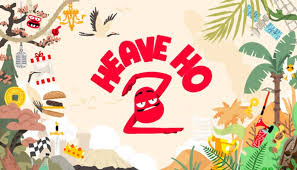
Heave Ho 2: The Chaotic Swing Back Into Friendship-Destroying Glory
I still remember the first time I played the original Heave Ho back in 2019. Four of us crammed around a tiny TV in a cramped apartment, controllers in hand, yelling at each other as our little bean-bodied freaks with impossibly long arms flailed through levels like drunk acrobats on a bad night. One wrong grab, one mistimed swing, and the whole chain would collapse into a colorful explosion of cartoon death. We laughed until our sides hurt, friendships were temporarily suspended, and by the end of the night, someone was sleeping on the couch out of spite. It was pure, unfiltered party game magic. Fast forward seven years—yeah, it’s been that long—and Le Cartel Studio, with Devolver Digital riding shotgun, has finally dropped the sequel we didn’t know we needed so badly. Heave Ho 2 launched yesterday on July 16, 2026, for PC, Nintendo Switch, and the shiny new Switch 2. I’ve been glued to it since midnight. Is it worth the wait? Spoiler: yes, but bring your thick skin and a solid group chat.
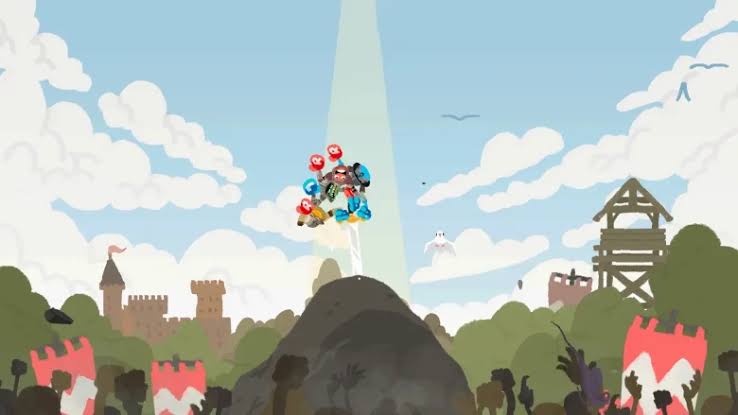
Let’s get this out of the way: if you loved the original for its simple-yet-brutal physics-based co-op chaos, Heave Ho 2 doubles down on everything that made it special while fixing the biggest pain points. The core loop remains gloriously unchanged. You control these adorably grotesque little characters—round heads, stretchy arms, no legs—using the analog stick to sway and the triggers for each hand’s grip. Grab ledges, swing like Tarzan on steroids, latch onto your buddies to form ridiculous human bridges or catapults, and pray the physics engine doesn’t betray you at the worst possible moment. It’s still the kind of game where precision meets slapstick, and success feels earned only after 47 spectacular failures.
But man, does the sequel feel bigger. The original was a lean, mean party machine with bite-sized levels that shone brightest in local multiplayer. Heave Ho 2 expands that into eight fully themed worlds, each dripping with new mechanics, interactive gadgets, and enough personality to keep you coming back. There’s online play now—finally!—for up to four players in both co-op and versus modes. The Switch 2 version even has GameShare support, so one copy can spread the pain to three others. It’s the evolution the series always hinted at, and it lands with a satisfying thwack.
Revisiting the Grip: What Made the Original a Cult Hit
Before diving into the new stuff, a quick love letter to Heave Ho (2019). Developed by the small French team at Le Cartel, it sold nearly a million copies across PC and Switch, becoming one of Devolver’s quiet success stories. Its genius was minimalism: two buttons, one stick, infinite chaos. No complex tutorials, no hand-holding story—just “get to the goal without dying horribly.” Levels encouraged teamwork in the most absurd ways: one player anchoring while others swung ahead, or everyone linking up to yeet the slowest member across a gap. Solo play was… fine, but it missed the soul. With friends? Pure comedy gold.
The physics were (and still are) the star. Momentum carries over in ways that reward clever swings but punish hesitation. Grab too early or late, and you’re watching your little guy cartwheel into the abyss while colorful splatter paints the screen. Death isn’t punishing—it’s the punchline. That spirit is alive and kicking in the sequel, but refined.
What’s New: Bigger Worlds, Smarter Chaos, and Online Mayhem
Heave Ho 2 doesn’t reinvent the wheel; it straps rockets to it and points it at a clown car factory. There are eight anarchic worlds this time: weightless space stations where gravity toys with you, chaotic kitchens where you assemble giant burgers while dodging utensils, medieval castles with drawbridges and traps, ninja temples full of precarious poles and shuriken hazards, and more. Each world feels distinct, not just reskinned. The kitchen one, for example, had me and my online crew frantically grabbing ingredients—buns, patties, lettuce—stacking them in order while a massive chef’s knife swung like a pendulum. One wrong move and the whole assembly collapsed, sending ketchup everywhere. It’s puzzle-platforming meets Overcooked absurdity, but with arms.
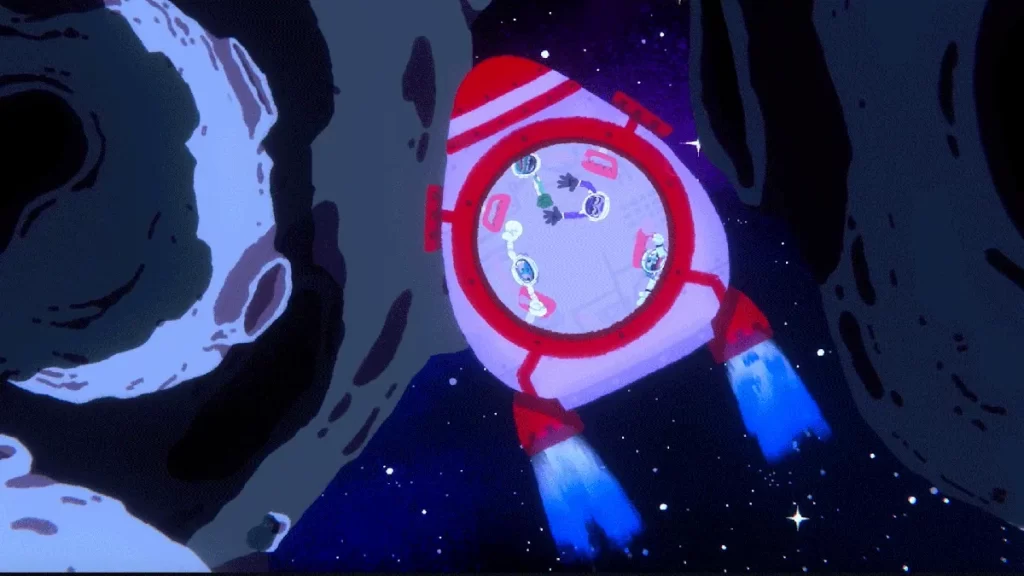
New gadgets elevate the madness. Pop guns let you launch yourself or friends (or enemies) across gaps. Drones can be piloted for scouting or rescues. Sauce bottles squirt slippery goo to create makeshift slides. Levers activate moving platforms, keys unlock doors, and there are even lasers—because of course there are lasers. These aren’t tacked-on power-ups; they’re integrated into level design so levels evolve from basic swinging to coordinated heists. In one space level, we had to chain ourselves together to steer a tiny rocket while avoiding asteroids. Communication was key, and my Discord blew up with “LEFT HAND NOW!” and “NO, THE OTHER LEFT!”
The big addition is online multiplayer. Local couch co-op is still king—nothing beats yelling in the same room—but online works surprisingly well. Netcode feels tight for a party game (at least in my first 12 hours). Latency can creep in during frantic swings, but it’s rare, and the game’s forgiving nature absorbs most issues. You can join randoms or friends, and voice chat integration makes it feel alive. Versus mode is a riot too: competitive challenges where you sabotage each other—stealing grips, flinging opponents into spikes, or racing to the goal while the others try to derail you. It turns co-op goodwill into glorious betrayal. I lost count of how many times a “teammate” waited until I was one swing from victory before launching me into oblivion.
Progression feels meatier than before. There are tons of achievements, unlockable costumes (including nods to other Devolver games), collectibles, and even some meta stuff like world-specific challenges. Time trials and high-score leaderboards for online add replayability. The demo (which dropped a month early) gave a taste with eight levels from four worlds, and it hooked me hard enough to preorder immediately.
Gameplay: Still Simple, Now Deeper
Controls are identical at heart, which is perfect. Analog stick sways your body weight for momentum. Left and right triggers control each hand independently. It takes about two minutes to learn, a lifetime to master. The sequel adds better visual cues—glowing indicators for grab points, more expressive character animations (those little faces when they panic are gold), and enhanced physics that feel weightier in zero-G sections or slipperier on kitchen floors.
Difficulty ramps smartly. Early levels in each world ease you in, then throw curveballs. Some require precise timing chains; others demand creative gadget use. Solo mode has assists like the lifesaver from the original, but it’s still best with others. Playing with three friends online last night, we spent 45 minutes on one level just because every attempt ended in hilarious disaster. One guy kept grabbing the wrong hand and spinning us like a centrifuge. Another “accidentally” farted (yes, there are new emotes and interactions like charged farts to launch people) at the worst time. Pure joy.
The physics engine has seen polish. Swings feel more responsive, chaining grips is smoother, and collisions are less janky. Yet it retains that unpredictable charm—sometimes the game gods smile and you nail a perfect chain; other times inertia betrays you spectacularly. It’s never frustrating for long because failure is so visually rewarding. Death animations, screen paint splatters, and ragdoll physics are upgraded and still comedy gold.
Presentation: Bright, Bouncy, and Full of Personality
Visually, Heave Ho 2 pops more than its predecessor. Richer environments, better lighting, more detailed backgrounds, and those lovable character expressions shine on Switch 2’s screen (and look great docked too). The art style remains cartoonish and colorful—think Gang Beasts meets Human Fall Flat but with more charm. Each world has its own palette and theme: sterile metallic space, warm chaotic kitchen with flying pots, dark spooky castle vibes. Particle effects for deaths and interactions are satisfying.
Sound design is spot-on. Goofy voice grunts, impactful swings and grabs, bouncy music that matches the energy without overpowering. No licensed tracks or deep lore, but the audio cues for gadgets and hazards are clear. The kitchen world’s sizzling pans and chef yells had us cracking up.
Performance is solid across platforms. I played mostly on PC (high settings, buttery smooth) and a bit on Switch. Handheld on Switch 2 feels great for quick sessions, though long co-op might tire wrists like the original did. No major bugs in my time, though online matchmaking had a couple hiccups at launch—expected for day one.
The Social Factor: Friendships Tested, Bonds Strengthened (Sort Of)
This is where Heave Ho 2 excels. It’s a game built for shared experiences. Local four-player is chaotic perfection. Online opens it up to friends across the globe, which is huge for 2026 gaming. I played with buddies in different time zones, and the laughter translated perfectly. Versus modes are perfect for settling grudges or starting new ones.
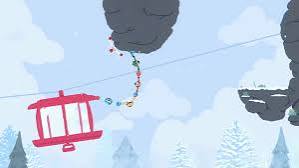
It’s accessible too—kids, casuals, and hardcore platformer fans can all jump in. Skill ceiling is high for speedruns and perfect runs, but the floor is low. That said, solo players might feel the same limitations as before. It shines brightest with company.
Minor gripes? Some levels lean a bit too puzzle-heavy, which can slow the momentum if your group isn’t synced. Online can occasionally feel less tactile than couch play. And at $9.99, it’s a steal, but content volume might not satisfy solo grinders looking for 50+ hour campaigns. This is pure party fuel—expect 10-20 hours of core fun, more with completionism and multiplayer.
Final Verdict: Grab This One
Heave Ho 2 is everything a sequel should be: familiar comfort food with fresh ingredients and bigger portions. It respects what made the original special while addressing its shortcomings—mainly the lack of online and content depth. The new worlds are inventive playgrounds for physics-based nonsense, gadgets add layers without complexity overload, and online multiplayer breathes new life into the formula.
If you have friends (or enjoy random matchmaking chaos), this is an easy recommendation. It’s hilarious, replayable, and perfectly priced. For solo fans of precision platformers, it’s good but not essential. For everyone else? Strap in, grab a hand (or head), and prepare to swing, swear, and laugh your way through one of the best party games of the year.
Score: 9/10. Heave Ho indeed.
