
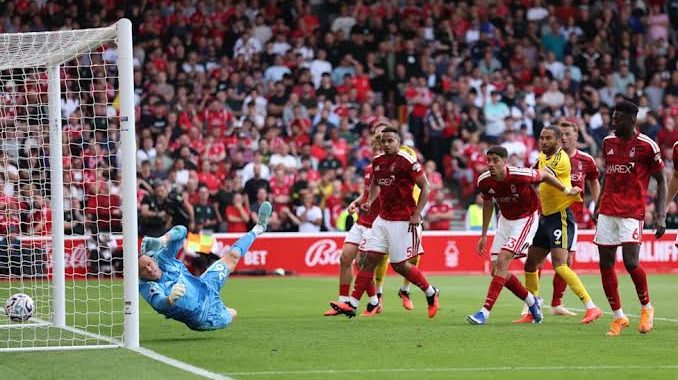
Nottingham Forest 0-0 Tottenham Hotspur: Stalemate at the City Ground as Spurs scrape a first point but still search for a goal
There are afternoons in the Premier League that feel like they should settle something, and then there are ones that just leave everyone slightly more frustrated than when they arrived. Saturday’s trip to the City Ground between Nottingham Forest and Tottenham Hotspur fell firmly into the second category. A 0-0 draw that gave Roberto De Zerbi’s side their first point of the season after heavy opening defeats, yet still left them waiting for a first league goal of the campaign. For Oliver Glasner’s Forest, it was another hard-fought point after the Anfield draw the week before, but one that came with the bitter taste of a disallowed goal that the home crowd will be arguing about for weeks.
The result was fair in the sense that neither side quite deserved to win it, yet both will feel they had moments where the game should have tilted their way. Spurs controlled more of the ball and created the clearer openings, particularly through Omar Marmoush, but finished the afternoon without a single shot on target. Forest were organised, physical, and dangerous on the break, and thought they had the winner when Neco Williams bundled the ball over the line midway through the second half, only for VAR to intervene for handball. The City Ground erupted in fury. The points were shared. And the season for both clubs remains very much a work in progress.
The build-up: pressure already mounting
Going into the match, the narrative around Tottenham was already heavy. Two games, two defeats, no goals scored. A 3-0 loss at Brentford on the opening weekend followed by a 2-0 home reverse against Newcastle had the early-season knives out, especially after a summer of heavy spending that some estimates put close to £400 million. De Zerbi had been given serious backing in the transfer market. The arrivals of players like Savio and Omar Marmoush from Manchester City, Sandro Tonali, and others were meant to signal a new era. Instead, the attack looked blunt and the early results invited the familiar questions about whether the pieces would ever fit.
Forest, under Glasner, arrived in a slightly different place. A solid if unspectacular start had brought them a couple of points, including that gritty draw at Liverpool. The Austrian’s side were still bedding in their own new faces and system, but the City Ground remains a difficult place for visiting sides when the crowd is up for it. Recent history between the clubs had also favoured the hosts. Forest had taken points and wins from Spurs in the previous meetings, and there was a sense that this was a fixture where an early-season statement was possible for the home team.

Team news added layers. For Forest, Liam Delap started up front after his introduction as a substitute at Anfield, with Morgan Gibbs-White pulling the strings and Neco Williams operating with his usual energy down the flank. Glasner’s shape looked compact. For Spurs, De Zerbi went with a 4-2-3-1 featuring Marmoush as the focal point, Savio on the wing, Conor Gallagher in an advanced midfield role, and the midfield base of Rodrigo Bentancur and Tonali. Micky van de Ven captained the side. Mykhailo Mudryk was among the substitutes after his long absence, and Dominic Solanke was also on the bench as the only recognised pure striker in the squad after Richarlison’s omission from the Premier League list.
The expectation was that Spurs would dominate possession and try to break Forest down with patient build-up, while the home side would look to stay solid, contest the middle of the pitch, and hit on the transition. That is more or less how it played out, only without the finishing touch either side needed.
First half: control without the cut
The early stages belonged to Tottenham in terms of territory. They moved the ball with more purpose than in the opening two games and looked better organised defensively. The first real chance arrived around the 16-minute mark. Pedro Porro delivered a lovely curling ball in behind the Forest defence that put Marmoush clean through. The Egypt international had time and space, but he dragged the shot wide of Matz Sels’ far post. It was the kind of opportunity that, on another afternoon, opens the scoring and changes the mood of the entire match. Instead it became the first of several what-ifs for Spurs.
Forest grew into the contest. They pressed higher at times and forced Spurs into some hurried clearances. Gibbs-White was the main threat, dropping into pockets and looking to release Delap or the wide players. Sels was largely untroubled, but the home side did create a dangerous moment late in the half when Gibbs-White got in behind and forced a save from Antonín Kinský. The flag went up, though some felt it was tight. Either way, the half ended goalless, with Spurs looking the more composed side without having really tested the Forest goalkeeper.
What stood out was the lack of ruthlessness. Spurs had the ball in good areas but the final pass or the shot was often missing. Forest were happy to absorb and wait for mistakes. It was cagey, physical, and typical of two teams still searching for their best rhythm early in a new campaign.
Second half: the moment that defined the afternoon
The second half opened with Spurs continuing to push. They won a string of corners and Micky van de Ven headed one wide. The pressure was building, but Forest remained stubborn. Then, around the 65th or 66th minute, the game’s decisive moment arrived.
A mix-up in the Tottenham defence, involving Kinský coming out and Tonali and others scrambling, allowed Gibbs-White to get a shot away. The ball looped and sat up invitingly near the line. Williams threw himself at it and forced it over. The City Ground exploded. Forest players celebrated. For a few seconds it looked like the breakthrough had arrived.
Then the VAR check began. Replays showed the ball had struck Williams’ arm as he bundled it home while protecting himself from a challenge. The decision was no goal. Handball. The home fans were furious. Williams later insisted it was a goal. Glasner felt his side had been denied. From the outside it looked like one of those soft but technically correct interventions that leave everyone arguing about the spirit of the game. Either way, the score stayed 0-0 and the atmosphere turned even more hostile toward the officials.
Spurs almost made the hosts pay. Marmoush had another chance later, firing over after good work involving Kinský’s distribution on the counter. Solanke came on and went close with a header. Mudryk entered for his first competitive minutes in a long time and showed flashes of the old pace and trickery. Forest made changes of their own, bringing on fresh legs and trying to force something late, but the game drifted toward a stalemate. Neither side managed a shot on target in the entire match according to some reports, a remarkable statistic given the talent on the pitch.
Analysis: what it tells us about both teams
For Tottenham, this was progress of a sort. A clean sheet after shipping five goals in the first two games. Better shape. More control. Tonali put in one of his stronger displays in a Spurs shirt, covering ground and driving forward. Bentancur was solid. The defence, marshalled by van de Ven, limited Forest’s clear opportunities. De Zerbi spoke afterwards about being disappointed with the result but pleased with the performance, stressing that the group is still new and chemistry takes time. He is right about that. Ten or more senior arrivals in a window is a lot to integrate. The attack, though, remains the glaring issue. Marmoush has the quality but needs service and confidence. Savio showed promise on debut before being withdrawn. The lack of a clinical finisher was exposed again. Failing to score in the first three league games for the first time since 1974 is the kind of unwanted record that sticks.
Forest will feel hard done by on the disallowed goal, and that emotion is understandable. Glasner’s side were competitive, organised, and created enough to suggest they can be difficult to break down. Williams was typically committed. Gibbs-White remains their most creative outlet. Delap is still finding his feet in a new environment. The point keeps them in the mix in the lower half of the table, but they will want more cutting edge of their own if they are to climb. Back-to-back draws against Liverpool and Spurs show resilience. Converting that into wins is the next step.
Tactically, Spurs’ possession dominance (around 59 percent) and higher expected goals did not translate into clear dominance on the pitch because the final third decisions were off. Forest’s lower block and willingness to contest every ball made it a grind. The game lacked flow at times, which suited the home side more than the visitors who needed to break it open.
Top highlights and talking points
The standout moment was obviously the disallowed Williams goal. It will be debated on social media and in pubs for days. Was it a clear handball? Did Williams have any realistic way to avoid it while challenging? VAR got the letter of the law right, but the optics of denying a hard-working full-back a dramatic winner in front of a passionate home crowd left a sour taste.
Marmoush’s first-half miss ranks as the clearest chance of the match. Porro’s pass was excellent. The finish was not. Those are the moments that decide early-season points and confidence.
Savio’s full Premier League debut offered encouragement. The Brazilian looked lively and direct, even if the end product was limited. His introduction earlier in the week in the cup had already raised expectations.
Mudryk’s return from a long ban and absence was another subplot. Limited minutes, but any positive contribution after so long out is a start.

Defensively, both sides can take something. Spurs finally kept a clean sheet. Forest limited a talented attacking group to very little of real danger after the early Marmoush chance.
The wider context remains the transfer window fallout for Spurs. Heavy spending without an obvious pure goal threat has already become a talking point. Solanke’s late introduction and near-miss only underlined the need for more cutting edge.
The verdict and what comes next
In the end it was a draw that neither manager will love nor hate entirely. De Zerbi gets a first point and evidence that the structure is improving. Glasner gets another point against a big-spending side and proof his team can compete. But both leave the City Ground still searching for that first convincing performance of the season that makes everything click.
Spurs head into the next fixtures knowing the goals have to come soon. The patience De Zerbi is asking for is reasonable given the scale of change, but Premier League seasons do not wait forever. Forest will look to build on the resilience shown here and at Anfield. The table after three games still has plenty of time to sort itself out, yet the early narrative for both clubs is already forming around unfinished business and the need for sharper edge in the final third.
A goalless draw on a Saturday afternoon in Nottingham rarely lives long in the memory. This one might, if only for the controversy of the disallowed goal and the growing sense that Tottenham’s expensive new attack is still waiting for its first proper statement. For now, one point each, zero goals between them, and plenty still to prove.
