
Starsand Island Review: A Gorgeous Escape That Almost Feels Like Home (But Needs a Few More Patches)
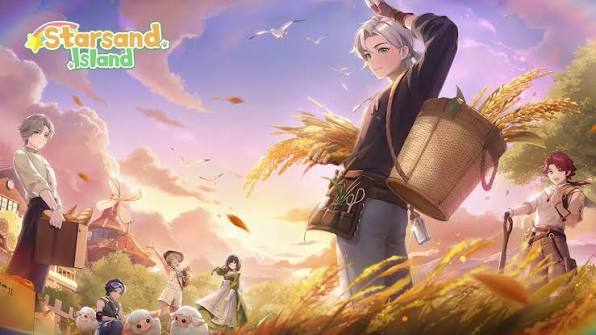
I still remember the first time I loaded up Starsand Island. It was a rainy Tuesday evening, the kind where you just want something soft and undemanding to sink into after work. The opening cinematic hit with that gentle anime flair—soft pastels, a character walking away from the grey grind of city life toward a sun-drenched island they once called home as a kid. It felt like a Studio Ghibli short crossed with every cozy farming dream you’ve ever had. By the time the childhood friend Solara waved me over to my new (very rundown) plot of land, I was already half-sold.
Released fully on August 18, 2026 after a six-month Early Access run, Starsand Island comes from Chinese studio Seed Sparkle Lab. It’s a 3D anime-styled life sim that mixes farming, ranching, fishing, crafting, light exploration/combat, deep home-building, and relationship systems. Think Stardew Valley’s chill vibes, My Time at Portia’s workshop grind, a dash of Palia’s social world, and some Rune Factory jank for good measure. It launched simultaneously on PC, Xbox Series X|S, PlayStation 5, and Nintendo Switch 2 for $39.99 (with a temporary 20% discount on Steam that made it even more tempting). Physical editions for PS5 and Switch 2 are planned for November.
I’ve put a solid chunk of hours into the 1.0 version across platforms, and here’s the honest take: this game has the potential to be one of the standout cozy titles of the year. It looks beautiful, the core loop is addictive, and the freedom to just exist on the island is genuinely relaxing. But it also still carries some of that Early Access roughness—performance hiccups, the occasional bug that stops you cold, and a few systems that feel undercooked. It’s not a perfect getaway yet, but damn if I don’t keep logging back in.
Settling In: Character Creation and First Days
Character creation is solid without being overwhelming. You pick body type, tweak face, hair, eyes, and colors freely, then jump into the world. It’s not the deepest creator out there, but you can make someone who feels like you or a total fantasy self. The story setup is the classic “escape the city for a simpler life” trope, delivered with a short musical montage that actually looks good. You’re not forced into endless tutorials or forced introductions to every villager. Instead, Solara points you toward the five profession mentors—Crafting, Farming, Ranching, Fishing, and Exploration—and basically says go figure it out. That freedom is refreshing.
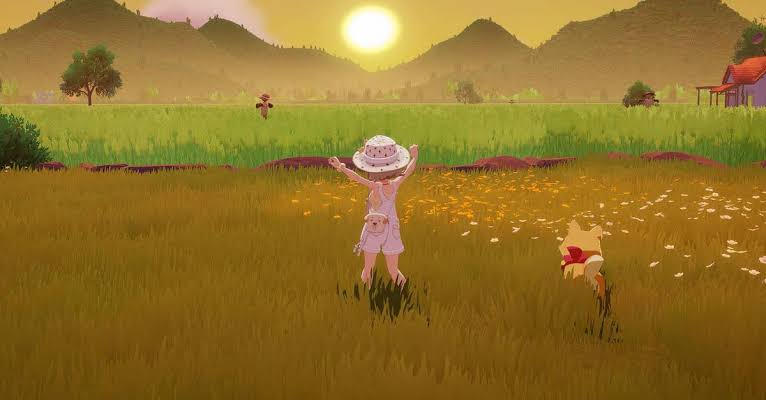
Your starting farm is modest, a bit overgrown, with a small house that begs for expansion. The island itself is the real star. Starsand has that coastal Chinese countryside inspiration the developers talk about—rolling hills, beaches, a lively town square with shops (tailor, farm supply, furniture, records, café, arcade, the works), a temple up north, and the mysterious Moonlit Forest nearby. Tourists wander around, giving the place a lived-in feel that a lot of smaller farm sims lack. Day-night cycles and four seasons change the lighting and atmosphere nicely. Rain looks pretty even when it occasionally glitches indoors.
Getting around is one of the small joys. Early on you can craft or buy roller skates, skateboards, mopeds, and later cars or even rent an alpaca mount from the ranch. Zipping along the coastal roads or through the forest on a board feels good, even if the vehicle physics are a little floaty and forgiving (you can skate up stairs with zero consequence, which is both funny and immersion-breaking).
The Five Careers: Where the Hours Disappear
The heart of Starsand Island is its five overlapping profession paths. You’re encouraged to dabble in all of them rather than specialize hard, and the systems feed into each other constantly. Leveling each one unlocks better tools, recipes, stations, and perks through a skill-tree-like progression.
Farming is the familiar plant-water-harvest loop, but crops grow on continuous timers instead of strict day cycles, which keeps things moving. You can build trellises for multi-harvest crops, experiment with crossbreeding for unique varieties, and chase those rare giant GMAX crops that require specific fertilizer setups. It’s satisfying without being overly punishing.
Ranching involves looking after animals (chickens, rabbits, and more) that can take on helpful roles like eating weeds or bugs. Breeding for traits adds a light management layer. Collecting eggs, fur, and other products feels rewarding once you get your pens sorted.
Fishing is a simple but pleasant reel-in minigame. Shadows in the water, cast, fight the tension without snapping the line. Catch, sell, cook, or display. Mentors and shops expand your options over time.
Crafting is the real time sink and the system that most sets Starsand apart. You place workstations all over your property—saws, smelters, cutters, textile machines, the works—and process raw materials into increasingly complex components for quests and upgrades. The ability to craft from storage chests anywhere on the map is a quality-of-life godsend. Early hours often involve dumping a pile of stations right outside your door before you finally organize a proper workshop. The progression feels like a gentler My Time at Portia: lots of resource gathering and processing, but it rarely becomes pure busywork.
Exploration takes you into the Moonlit Forest, a dungeon-lite area with platforming, basic puzzles, light combat (slingshot, bow, or little automated helpers), and rarer materials. It’s not hardcore, but it adds a different rhythm when the farm loop starts feeling samey. You’ll visit often for crafting ingredients regardless of whether you focus on the career.
Main story quests (starting with helping build out the island’s train line) and community board requests keep a gentle narrative thread going without forcing you to rush. Your in-game phone tracks challenges and daily goals that hand out useful rewards. There’s always something to do, which is both a strength and a potential source of overwhelm if you’re the type who tries to complete everything.
Building Your Dream Homestead
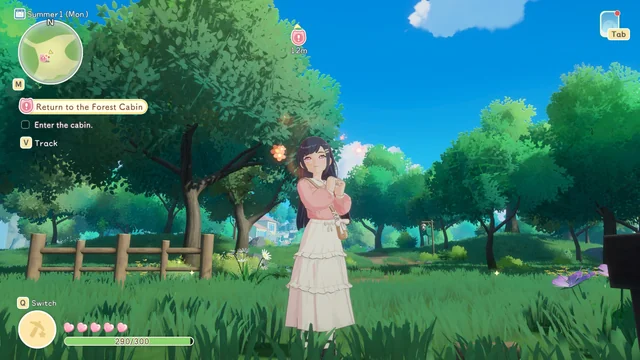
If you’re a Sims-style builder or a Planet Coaster detail nerd, the construction system might hook you for dozens of hours on its own. You place individual wall, floor, and roof pieces almost like building blocks. Freeform placement, off-grid options, and the ability for objects to clip create wild custom designs. You can expand the starting house, add decks, pergolas, entire new structures, and decorate interiors and exteriors with hundreds of furniture pieces. Labelable storage chests are a small but brilliant touch.
The controls can feel fiddly, especially on controller. Expanding a simple room means adjusting pieces one by one, and the lack of a perfect snap-to-grid in all situations made some of my early builds more frustrating than they needed to be. Once you get the hang of it, though, the freedom is excellent. I’ve seen screenshots of players turning their plots into elaborate multi-level villas or cozy beach cottages that look magazine-ready. Later unlocks add more environments and plot options, so your island home can really grow with you.
People, Romance, and Soft Relationships
The cast of named NPCs is colorful in that classic anime-life-sim way—some lean into tropes, others feel more grounded. Mentors double as potential romance options, and there are around 14 romanceable characters (the numbers vary slightly across sources, but the roster is generous). Relationships progress through talking, gifting (loved gifts give the best boosts), returning lost items, and completing related quests. Affection builds into heart levels that unlock photo invites, room access, special events, and eventually the option to invite someone to move in with you.
There’s no formal marriage or kids system at launch—just the “move in and live together” endpoint, with NPCs helping out around the farm once they’re settled. New 1.0 content expanded three- and five-heart quests and added dating activities like picnics, kite flying, and arcade dates. Cutscenes have voice acting and can be genuinely sweet. The system is flexible about gender, which is appreciated. Some players find the romance a bit shallow or the gift-guessing a grind; others sink happily into the daily gift runs and heart events. Personality writing is hit-or-miss—some characters click immediately, others feel like familiar anime archetypes—but the overall social layer adds warmth.
Multiplayer and the 1.0 Additions
The big 1.0 feature is four-player online co-op. One player hosts their island, sets join permissions (open, request, or password), and friends can visit to farm, fish, explore the Moonlit Forest, build, and complete requests together. Each player keeps their own island progress separate, so you still need to tend your home base. Multiplayer earns a special currency for a dedicated shop with exclusive rewards. It’s a welcome addition for shared cozy sessions, though some early feedback noted it feels limited or awkward in progression, and cross-play isn’t available yet. Seasonal events like the Autumn Pumpkin Carnival (with jellyfish catching, special pumpkins, and candy-producing animal feed) add limited-time flavor.
Mod support via Steam Workshop and a ModKit also arrived for PC players, which should extend the game’s life nicely.
The Rough Edges That Keep It From Greatness
Here’s where the honesty kicks in. Performance and polish remain inconsistent, especially on consoles. On PS5 you’ll encounter stuttering, screen tearing, visual waves when turning the camera quickly, occasional invisible NPCs during conversations, rain appearing indoors, and general frame-rate dips. Switch 2 reportedly fares worse in some reports, with heavy pop-in and bugs that made at least one reviewer call the version nearly unplayable at launch (though patches have started rolling). PC runs cleaner for most people, but even there Early Access leftovers linger.
Bugs range from minor (NPCs walking through furniture) to progress-blocking (quest soft-locks in exploration or profession lines that require workarounds or waiting for patches). Some areas of the island feel emptier than they should, with limited NPC density and no real traffic. Vehicle handling still has that floaty, low-consequence quality. Romance and story depth, while improved, don’t always reach the emotional highs of the best games in the genre. And there have been community grumbles around day-one DLC pricing, alleged AI-assisted assets, and funding transparency—stuff that doesn’t ruin the game itself but can sour the launch vibe for some players.
These issues are the reason Metacritic sits in the mixed-to-average range early on, even as many players (especially on PC) are putting in 20+ hours and calling it the cozy game of 2026 so far. The foundation is strong enough that the jank doesn’t kill the fun for most, but it does prevent that seamless “I never want to leave” feeling the best life sims deliver.
Who Should Play It, and the Bottom Line
If you love the farming/crafting loop, flexible building, anime aesthetics, and don’t mind a few technical rough spots while the developers keep patching, Starsand Island is easy to recommend—especially on PC or if you can grab it on sale/Game Pass (it’s been available there in various tiers). Fans of My Time at Portia, Palia, or Stardew who want a 3D alternative with more vehicle freedom and workshop depth will find a lot to like. Pure story or romance seekers, or anyone allergic to bugs and performance issues, might want to wait a couple of months for the inevitable post-launch polish.
I’ve lost track of how many in-game evenings I’ve spent rearranging my workshop, breeding a better rabbit variant, skating down to the beach at sunset, or just sitting on a bench watching the light change. The game succeeds at the most important thing a cozy title can do: it makes you want to keep living there. The island is pretty, the systems click more often than they frustrate, and that sense of slow, self-directed progress is genuinely comforting.
Starsand Island isn’t the polished masterpiece some hoped for on day one. It’s a beautiful, ambitious, slightly messy invitation to slow down. Give it a little time and a few more updates, and this could easily become one of those games people are still talking about years from now. For now, it’s a very good time—one that already stole more of my evenings than I planned to give it.
If the idea of building a little life on a sunlit island with roller skates, crafting stations, and a handful of charming (if occasionally glitchy) neighbors sounds like your kind of escape, pack your bags. Just maybe keep an eye on the patch notes.
