
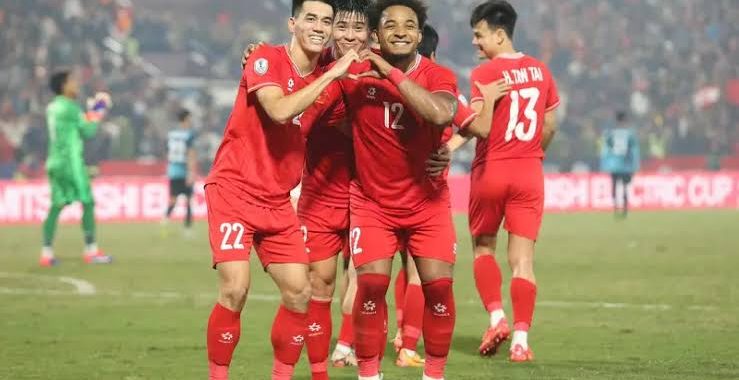
Vietnam 2-2 Thailand: A Night of Drama, Own Goals and Unfinished Business in Southeast Asia’s Biggest Rivalry
Monday, 26 October 2026. The kind of date that will stick in the memory of anyone who cares about Southeast Asian football. Vietnam versus Thailand. Two-all. Another chapter in a rivalry that never seems to run out of plot twists.
This wasn’t some random friendly or low-stakes group game. It carried the weight of recent history, the lingering sting of earlier meetings this year, and the knowledge that these two sides simply do not know how to play boring matches against each other. What unfolded was messy, tense, occasionally chaotic, and completely gripping. By the final whistle the scoreboard read 2-2, but the story was bigger than the numbers.
Here’s the full breakdown: the preview that set the stage, the analysis of what actually happened, the top highlights that will get replayed for years, and a summary of what it all means.
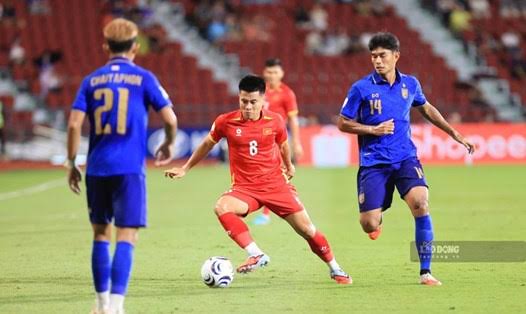
Preview: The Build-Up to a Familiar War
In the days leading into this fixture the conversation across Vietnam and Thailand felt familiar. Social media filled with old clips, statistical head-to-heads, and the usual mix of confidence and quiet anxiety. These two nations have turned their meetings into appointment viewing. Recent years only sharpened the edge.
Vietnam came in carrying the aura of a side that had dominated large stretches of the regional calendar. Their organisation under Kim Sang-sik had been tight, their transition play sharp, and their ability to grind out results when not at their fluent best was well established. Supporters pointed to defensive discipline and the presence of experienced heads who had been through these nights before. There was also the knowledge that Thailand always raise their level against the Golden Stars. Complacency was not an option.
Thailand, meanwhile, arrived with something to prove and the tactical flexibility that has made them dangerous for years. The War Elephants have a habit of producing moments of individual quality that can decide tight games. Their midfield control and ability to punish set pieces or transitional moments were heavily discussed in the Thai press. Players like the creative midfielders and the runners from deep were expected to test Vietnam’s shape. The coaching staff had spoken publicly about respect for the opponent while stressing the need to be clinical.
Venue matters in these fixtures. Playing on home soil for one side (or in a neutral but charged atmosphere) changes the volume and the intensity. Expectation sat heavy on both benches. Analysts predicted a game of limited clear chances, high pressing in phases, and a result that could swing on a single mistake or a moment of brilliance. Few predicted four goals and two own goals, but that is the nature of this rivalry. It refuses to follow the script.
Injury news and squad selection added another layer. Both camps had decisions to make about experience versus freshness. Vietnam’s midfield balance and the role of their attacking midfielders were under the microscope. Thailand’s defensive line and how they would handle Vietnam’s wide threats were equally scrutinised. The preview consensus settled on a tight contest, possibly settled by the first goal. Reality, as usual, had other plans.
Analysis: How the Game Unfolded
From the opening whistle the tempo was high. Neither side settled for cautious possession. Vietnam looked to build through midfield with purpose, using short combinations to draw Thailand’s press and then spring forward. Thailand, for their part, pressed in coordinated waves and looked to win the ball in advanced areas. The first ten to fifteen minutes were a statement of intent from both.
Thailand struck first. Around the 12th minute a well-worked move down their right side created space. The ball found its way into the box and Yotsakorn Burapha finished with composure. The Thai contingent erupted. Vietnam had been forced to chase the game early, a position they do not always enjoy against this opponent. The response was immediate. Vietnam pushed higher, forced Thailand deeper, and began to win second balls in the middle third. The equaliser did not come before the break, but the pressure was constant. Half-time arrived with Thailand leading 1-0 and the sense that the next goal would shape everything.
The second half delivered the chaos. Vietnam equalised in the 52nd minute in the most unexpected fashion. A ball into the area caused hesitation in the Thai defence. Goalkeeper Chatchai Budprom, under pressure and attempting to deal with a loose ball, diverted it into his own net. Own goal. 1-1. The stadium (or the Vietnamese sections) exploded. Momentum shifted hard. Vietnam smelled blood and began to dominate possession for stretches. Thailand, suddenly looking less secure, had to dig in.
The game opened up. Both sides created chances. Vietnam’s attacking players rotated positions, looking for overloads. Thailand countered with directness and set-piece threat. Around the 85th minute Thailand regained the lead. Substitute Wanchai Jarunongkran found space and finished cleanly. 2-1 to Thailand. For a few minutes it looked as though the visitors (or the side that had just gone ahead) might hold on. The clock ticked into stoppage time.
Then the final twist. In the third minute of added time another defensive scramble inside the Thai box. The ball was played across, bodies flew in, and Wanchai Jarunongkran, the same player who had scored minutes earlier, turned the ball into his own net under pressure. 2-2. The final whistle followed not long after. Four goals, two of them own goals by Thailand, and a result that left both sets of supporters with mixed emotions.
Tactically the game was a study in risk and reward. Vietnam’s willingness to commit numbers forward in the second half created the situations that led to the own goals, but it also left them vulnerable to the counter that produced Thailand’s second. Thailand’s early control and clinical finishing in the first half showed their quality, yet the defensive lapses after the break cost them the win. Midfield battles were fierce. Duels were won and lost in equal measure. Set pieces remained a threat throughout, even if the decisive moments came from open-play chaos rather than rehearsed routines.
Individual performances stood out in the usual ways. Vietnam’s back line had to recover from early setbacks and largely did so. Their midfielders covered ground relentlessly. Thailand’s attackers looked sharp when given space, and their substitutes injected energy. Goalkeeping decisions, particularly the first own goal, will be analysed for weeks. Coaching adjustments at half-time and around the hour mark influenced the flow. Neither manager will be entirely satisfied, yet both will recognise the competitive levels their players reached.
The broader context cannot be ignored. This fixture sits inside a larger pattern of tight, high-stakes meetings. Recent history between the sides has featured aggregate drama, late goals, and results that refuse to be straightforward. A 2-2 scoreline fits the pattern perfectly. It keeps the rivalry alive and the debate burning. Neither side dominated for the full 90-plus minutes. Both showed moments of control and moments of fragility. That is why these games matter so much to the region.
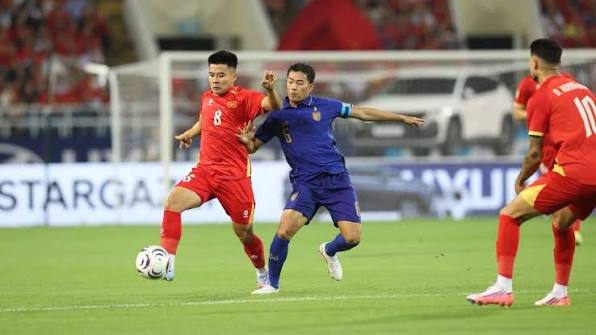
Top Highlights
The moments that will live longest:
- Yotsakorn Burapha’s early strike (12’)
Clean, composed, and clinical. Thailand’s first real clear chance of the night and they took it. The movement that created the opening was sharp, the finish was precise. It forced Vietnam to play on the front foot earlier than they might have preferred and set the competitive tone for everything that followed. - Chatchai Budprom’s own goal (52’)
The equaliser that changed the atmosphere completely. A moment of hesitation under pressure, a ball that needed to be claimed or cleared decisively, and instead it ended in the back of the net. Own goals at this level always feel cruel, and this one swung the emotional momentum hard toward Vietnam. The celebration that followed was pure release. - Wanchai Jarunongkran’s goal to make it 2-1 (85’)
Coming off the bench and making an immediate impact. A well-timed run, a clean strike, and suddenly Thailand were back in front with the clock against Vietnam. It looked, for a brief period, like the decisive contribution. Substitutes deciding big games is a recurring theme in this rivalry, and this was another example. - Wanchai’s own goal in stoppage time (90’+3)
The ultimate twist. The same player who had just scored the go-ahead goal turns the ball into his own net under pressure in the dying moments. Football can be absurdly dramatic, and this was peak drama. Vietnam’s players and staff poured onto the pitch in celebration while Thai players stood stunned. The final score was sealed in the most painful way possible for one side and the most euphoric for the other.
Honourable mentions go to several strong defensive interventions, a couple of near-misses from distance, and the sustained intensity of the midfield battles that never dropped. The game never settled into a predictable pattern. Every time one side appeared to have control, the other found a way to disrupt it.
Summary: What the 2-2 Leaves Behind
Vietnam 2 Thailand 2 on 26 October 2026 will be remembered as another classic in a series that already has plenty. It was not a masterpiece of pure footballing beauty from start to finish. It was something better for the neutral and more meaningful for the supporters: a contest full of tension, mistakes under pressure, individual contributions, and a late, late equaliser that felt inevitable once the second half opened up.
Vietnam will take pride in the response after falling behind and the character shown to fight back twice. The own goals that levelled the scores were fortunate in one sense, yet they were also the product of sustained pressure and willingness to keep asking questions of the Thai defence. Thailand will reflect on a strong start, a clinical first goal, and a second-half collapse in concentration that cost them the win. Scoring twice and still only drawing is a bitter pill, especially when both of the conceded goals came from their own players.
For the wider region the result keeps the conversation going. These two sides remain the standard by which others measure themselves. A draw maintains the balance of power in the short term while guaranteeing that the next meeting will carry even more edge. Fans on both sides will replay the highlights, argue about the tactical choices, and wait for the next opportunity to settle scores.
In the end the scoreboard showed 2-2. The story showed something richer: two competitive, proud teams who refuse to give each other an easy night. That is the Vietnam-Thailand rivalry in a single result. Long may it continue to deliver nights like this one.
