
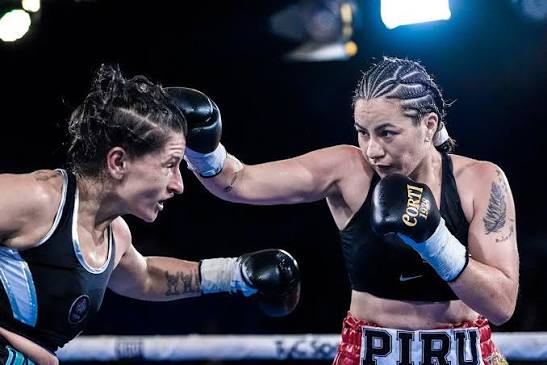
Revenge in Punta del Este: How Micaela “La Princesita” Luján Righted the Record Against Ayelén “Piru” Granadino
There’s something about a rematch that cuts deeper than most fights. It’s not just about belts or rankings. It’s personal. It’s the chance to rewrite a night that still stings months later. On the last day of October 2026, inside the Centro de Convenciones in Punta del Este, Uruguay, two Argentine women stepped into the ring carrying that exact weight. Micaela Milagros Luján, better known as “La Princesita” from Villa Mercedes in San Luis, and Ayelén “Piru” Granadino from the Buenos Aires area settled unfinished business for the WBA Fedelatin Cono Sur super flyweight title. When the final bell rang after ten rounds, the judges delivered a majority decision that flipped the script from their first meeting. Luján walked out the new champion with scores of 97-93, 96-94, and 95-95.
She improved to 18-3-1 with six knockouts. Granadino fell to 12-4-4 with one knockout. For Luján, it was more than another line on the record. It was payback for the night in June 2025 at Casino Buenos Aires when Granadino had taken a majority decision by nearly identical margins the other way. That earlier fight had been billed as a WBA eliminatory at flyweight. This one carried a regional title and the chance for Luján to reassert herself on the continental stage after a stretch of injuries and recovery.
What follows is the story of how that night unfolded, from the buildup through the tactics, the moments that stood out, and what it all means going forward.
The Preview: A Rivalry Rekindled on Neutral Ground

By late October 2026 the narrative had already written itself. Two fighters who knew each other’s rhythms, who had already gone the distance once in a close, contested bout, would meet again. The first time, in the KO a las Drogas card in Buenos Aires, Granadino had edged it. Many who watched felt Luján had done enough work, pressing the action and landing the cleaner shots, but the cards went the other way. That kind of result stays with a fighter. It becomes fuel.
Luján arrived in Uruguay as the more decorated of the two. She had held the IBF junior bantamweight world title earlier in her career. She had collected Argentine and South American hardware. In April 2026 she had beaten Uruguay’s Diana Delbono Mora by unanimous decision in Villa Mercedes to claim the vacant South American super flyweight belt. That win came after a period when she was still dealing with a troublesome knee. She later admitted she had fought through pain in several recent outings, sometimes against the wishes of her team. This time, heading into the rematch, she said it was the first fight in a long stretch where she felt clean. No lingering injury. Full training. Confidence.
Granadino brought her own résumé. Solid regional experience, a win over Luján already on the books, and the kind of awkward, moving style that can frustrate aggressive opponents. She had picked up the South American title in the past and shown she could go the full ten rounds against quality opposition. At the weigh-in she came in at 51.65 kilograms, a shade heavier than Luján’s 51.4. Both made the super fly limit without drama. The cards were set for TyC Sports coverage, the main event portion starting later in the evening after prelims.
The venue itself added flavor. Punta del Este in spring is tourist territory, but the Centro de Convenciones turned into a proper boxing hall for the “Noche de Campeones.” Neutral ground mattered. Neither woman was fighting in her backyard. That removed some of the home-crowd noise that can sway close rounds and left the work itself as the deciding factor.
Pre-fight talk stayed mostly respectful. Luján spoke about showing a different version of herself—more measured, less of the constant-pressure fighter people expected. She wanted to prove she belonged back in world-title conversations. Granadino’s camp looked to repeat the first result, using movement and counter timing to keep Luján from settling into rhythm. The history made it personal without needing manufactured trash talk. Everyone who followed Argentine women’s boxing knew the first fight had been close enough that a second chapter felt inevitable.
Age sat at 27 for both. Height matched at around 5-foot-2. Stance was orthodox for each. On paper it looked like a tactical chess match more than a brawl. The question was whether Luján’s experience and power would overcome Granadino’s mobility and the memory of that earlier majority decision.
Analysis: Adjustments, Strategy, and the Difference a Year Makes
The first fight had been marked by Luján’s willingness to walk forward and trade. She pressed, threw combinations, and looked to impose her will. Granadino stayed on the outside more, used her jab, changed levels, and made Luján miss enough that the judges rewarded the cleaner, more efficient work. Close scores reflected how even it felt in the moment. This time the approach shifted.
Luján came out with a more patient blueprint. Reports from the night described fewer wild exchanges and more deliberate movement. She used footwork to close distance rather than simply charging. Body work became a bigger part of the plan—digging to the midsection to slow Granadino’s legs over the later rounds. Combinations upstairs followed when openings appeared. The idea was control rather than constant aggression. It was the version she had talked about beforehand: a smarter, more complete fighter who didn’t need to win every second of every round by force.
Granadino stuck closer to the style that had worked before. Movement, guard changes, jab to keep range, and counters when Luján stepped in. She tried to make the ring larger and force Luján to reset repeatedly. In the early rounds that approach kept things competitive. The problem for her was precision. Luján’s shots started finding the target more cleanly as the fight progressed. Body punches accumulated. The cleaner combinations landed with better accuracy. When the judges added it up, two of them saw clear edges for Luján while the third saw it even.
The majority decision scores—97-93, 96-94, and 95-95—tell a story of incremental control rather than one dominant stretch. Luján likely pulled ahead in the middle and late rounds once the body work took effect and Granadino’s movement slowed just enough. Ten two-minute rounds at this weight demand cardio and discipline. Both women had it. The difference came in the details: who landed the sharper punches, who controlled the center more often, who forced the other to fight her fight.
Context from Luján’s camp mattered too. The knee recovery was real. She had taken time after the Delbono Mora win to get right. Training with her team, including work on movement and timing under coaches who knew her history, produced a fighter who looked fresher and more composed. Granadino had her own challenges coming in, including a previous setback, but she still made it a competitive night. The rematch didn’t turn into a one-sided affair. It was the kind of fight where small adjustments decide the outcome.
From a broader view, this result strengthens Luján’s position in the super fly and flyweight conversations. She already had world-title experience. Regional belts like the Fedelatin Cono Sur keep a fighter visible to the sanctioning bodies and promoters looking at ranked contenders. For Granadino, the loss is a setback but not a career-ender. She showed she belongs at this level and can make things difficult for anyone in the division. The rivalry itself now sits 1-1. Whether a third fight materializes depends on future matchmaking, but the two meetings already form a solid chapter in recent Argentine women’s boxing.
Tactically, the night reinforced that experience and adaptability still count. Luján didn’t reinvent herself completely, but she refined the parts that needed refining. She stopped forcing every exchange and started picking her moments. That maturity, combined with clean conditioning, tipped the scales.
Top Highlights: The Moments That Defined the Night
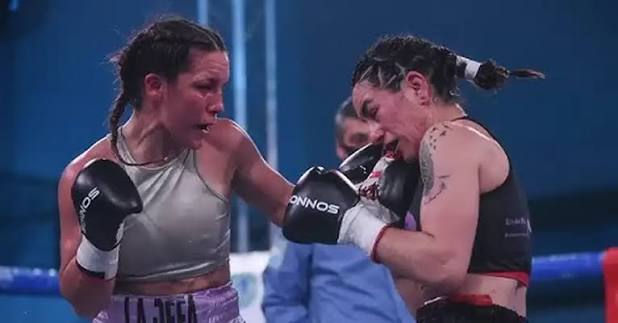
The fight itself wasn’t a highlight-reel knockout fest. It was a ten-round chess match with stretches of sharp boxing and periods of careful measurement. Still, certain sequences stood out and likely swung rounds on the cards.
Early on, both women tested range. Granadino’s jab and lateral movement kept Luján from settling immediately. Luján answered by changing angles and beginning to dig to the body. Those body shots became a recurring theme. When they landed clean, you could see Granadino’s reaction. Cumulative damage like that often shows up later, even if it doesn’t produce a dramatic knockdown.
Mid-fight, Luján found better success with combinations upstairs after setting them up downstairs. A few clean left-right sequences to the head, followed by a step back or a pivot, looked like the kind of work judges reward. Granadino’s best moments came when she timed counters or used the guard change to make Luján miss and then fire back. Those exchanges kept the fight honest and prevented any sense of runaway control.
In the later rounds the difference in precision became clearer. Luján’s output stayed sharp while Granadino’s movement, still present, looked a touch more labored. The final rounds were about maintaining the edge rather than hunting a finish. Neither woman took unnecessary risks. Both respected the other’s power and experience. When the bell ended the tenth, the result felt earned rather than stolen.
The post-fight scene carried the expected emotion. Luján’s corner celebrated a hard-fought win and a title that marked progress. The revenge aspect was obvious without needing long speeches. For the crowd in Punta del Este and the viewers on TyC, it was a solid main event on a card that featured other regional action. The scores confirmed what many ringside observers had seen: Luján had done enough of the cleaner, more effective work over the distance.
One quieter highlight was simply the professionalism. Two fighters who had already shared a close, somewhat controversial first meeting came back and produced another competitive, well-fought contest without drama outside the ropes. In a sport that sometimes leans on hype and bad blood, this rivalry stayed focused on the boxing.
Summary: What the Night Means and Where It Leaves Both Fighters
Micaela Luján’s majority decision win over Ayelén Granadino on October 31, 2026, closed one chapter and opened another. She took the WBA Fedelatin Cono Sur super flyweight title, evened the personal score at 1-1, and added another solid win to a 2026 that already included the South American belt. The performance showed growth. She fought smarter, controlled more of the important moments, and left the ring with both the hardware and the satisfaction of rewriting the previous result.
For Luján the path forward points toward bigger opportunities. She has spoken openly about wanting another world-title shot, whether at flyweight or super fly. Names like Gabriela Fundora have come up in conversation as long-term targets, though the road to those fights is never straightforward. Regional titles and consistent wins keep a fighter in the ratings conversation. At 27 she still has time to climb. The clean bill of health after the knee issues is another positive. If she can stay healthy and continue refining the patient, precise style she showed in Uruguay, the next level is within reach.
Granadino leaves with a loss but no lasting damage to her standing as a tough, capable opponent. She made Luján work for every round and forced adjustments. Fighters who can push a former world champion and previous South American titleholder to a majority decision remain useful and dangerous in the division. Her next steps will likely involve rebuilding momentum with the right matchups.
The broader picture for Argentine women’s boxing is healthy. Two domestic talents produced a competitive rematch on neutral ground, drew television coverage, and delivered a result that felt fair based on the work shown. The first fight had its share of debate. The second felt more decisive even if one judge still saw it even. That kind of progression is good for the sport.
In the end, nights like this are why people stay invested. Two women who know each other’s strengths and weaknesses step into the same ring a second time. One adjusts. The other tries to hold the line. The judges render a verdict. Careers move forward. Luján gets to call herself Cono Sur champion and carry the momentum of a hard-earned revenge win. Granadino gets the experience of a tough loss against a motivated opponent and the knowledge that she belongs in these conversations.
Boxing at this level rarely delivers fairy-tale knockouts every time. More often it delivers nights of careful work, small tactical victories, and the satisfaction of having done enough when the cards are read. On the last night of October in Punta del Este, Micaela “La Princesita” Luján did enough. The majority decision, the new title, and the closed chapter of an old score all belong to her. The next chapter is still unwritten, but she heads into it with fresh hardware and the confidence that comes from fixing what needed fixing.