
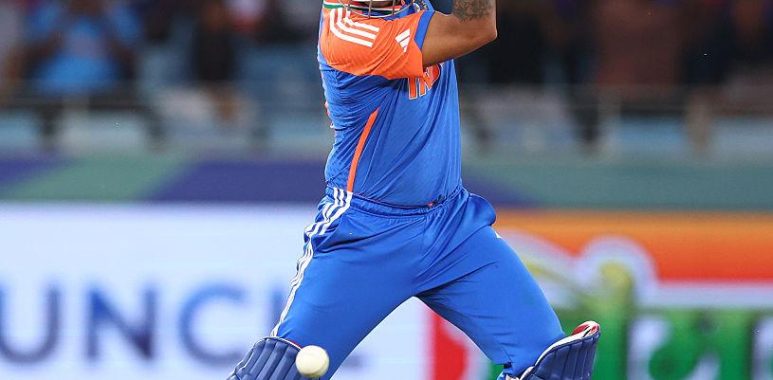
Sri Lanka A emerged victorious in a thrilling Super Over after a nail-biting tied match against India A in the fourth game of the Dambulla Tri-Series on Monday.
The contest at the Rangiri Dambulla International Stadium lived up to its billing as a classic limited-overs encounter filled with momentum swings, heroic individual performances, and high drama under the lights. In the end, it was Sri Lanka A who held their nerve in the additional overs to claim a memorable win by two runs in the Super Over, boosting their position in the series standings.
The match had everything a cricket fan could ask for. From the early morning preparations in the picturesque central hills of Sri Lanka to the final ball of the Super Over, tension gripped the capacity crowd of over fifteen thousand spectators who braved the humid conditions. Dambulla, known for its scenic backdrop and challenging pitches, delivered a surface that offered assistance to both batters and bowlers throughout the day. The game ultimately came down to fine margins, with both teams showcasing why the A-team format serves as such a vital platform for emerging talent and seasoned players alike to stake their claims for higher honors.
Sri Lanka A captain Pathum Nissanka won the toss and elected to bat first, a decision influenced by the clear skies and a pitch that looked firm and true for the opening exchanges. The hosts fielded a balanced side featuring a mix of youth and experience. Key inclusions included all-rounder Wanindu Hasaranga returning to action after a brief rest period and young gun Dunith Wellalage anchoring the spin department. India A, under the leadership of Ruturaj Gaikwad, brought in a strong batting lineup headlined by the likes of Yashasvi Jaiswal and Shubman Gill, with Washington Sundar providing spin control in the middle overs.
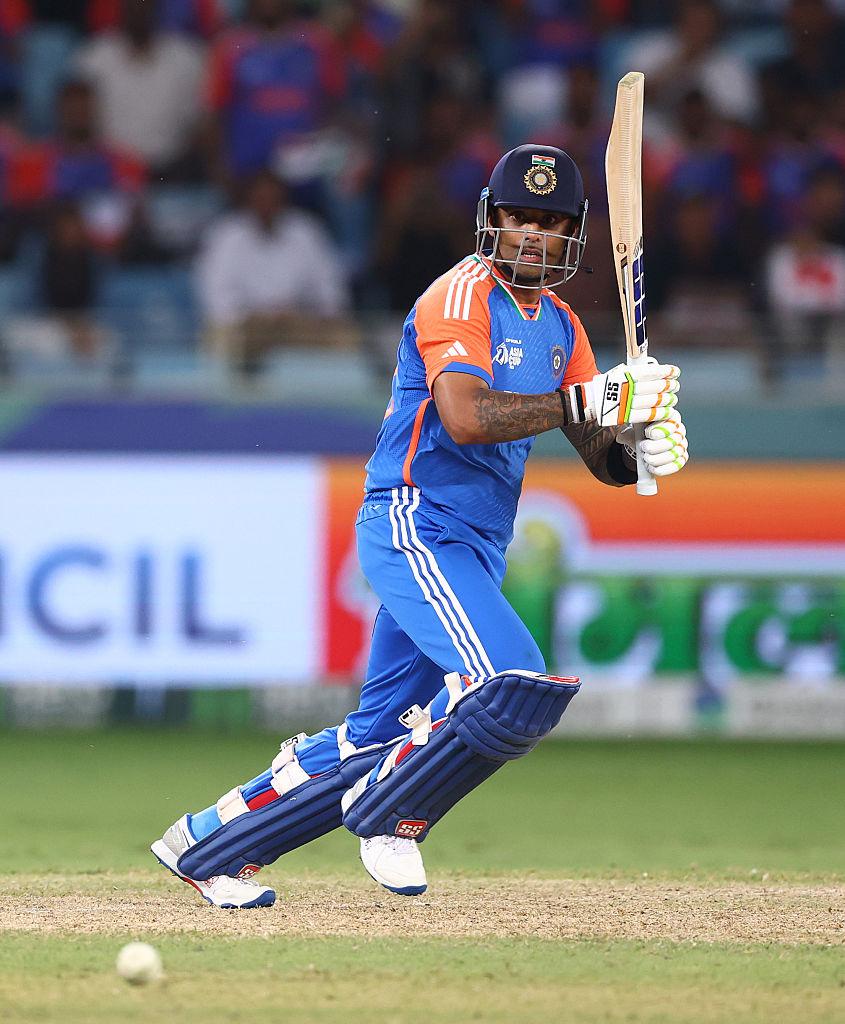
The opening partnership for Sri Lanka A set a solid foundation. Nissanka and Avishka Fernando came out with intent, negotiating the early swing from India A pacers Avesh Khan and Mukesh Kumar. Fernando looked particularly fluent, dispatching anything loose with crisp drives through the covers. By the tenth over, the score had reached 62 without loss, and the home crowd was in full voice. Fernando reached his half-century off just 48 balls, a knock characterized by elegant timing and smart rotation of strike. Nissanka, ever the reliable anchor, played second fiddle but ensured the scoreboard kept ticking.
However, India A struck back just as the partnership threatened to take the game away. Avesh Khan, bowling with fire and accuracy, induced an edge from Fernando that was smartly pouched by wicketkeeper Ishan Kishan. That dismissal at 78 for one brought Kusal Mendis to the crease, and the middle order began to accelerate. Mendis, known for his aggressive approach, smashed a quick 42 off 31 balls, including three sixes over the leg side. His innings injected much-needed momentum, but a sudden cluster of wickets around the 30-over mark shifted the balance.
Hasaranga, promoted up the order, contributed a useful 28 before falling to a clever slower ball from Arshdeep Singh. The lower order, featuring Wellalage and Chamika Karunaratne, added valuable runs in the death overs. Sri Lanka A eventually posted a competitive total of 287 for eight in their 50 overs. It was a score that looked defendable on a ground where chasing had proven tricky in previous matches of the series, but the dew factor under lights promised to make the second innings a true test of skill and composure.
India A started their chase cautiously. Jaiswal and Gill, two of the most promising young openers in world cricket, began with measured accumulation. Gill, in particular, displayed sublime form, timing the ball beautifully through the off side. The duo put on 85 for the first wicket before Wellalage broke through with a flighted delivery that turned just enough to trap Jaiswal lbw. Gaikwad joined Gill, and the pair steadied the ship, taking the score past 150 by the 30th over.
The turning point arrived when Hasaranga entered the attack. The leg-spinner, operating from both ends of his repertoire, accounted for Gill with a googly that deceived the batter completely. Gill departed for a well-made 67, leaving India A at 162 for three. From there, the chase became a rollercoaster. Sai Sudharsan played a composed innings of 55, holding the middle order together, while Nitish Kumar Reddy provided explosive cameos lower down.
As the game entered the final ten overs, the required run rate climbed steadily above eight an over. Karunaratne and Matheesha Pathirana bowled with discipline, varying their pace and lengths to restrict boundaries. A crucial moment came in the 45th over when Pathirana dismissed Sudharsan with a sharp short ball, caught at mid-wicket. India A still had firepower left in the form of Washington Sundar and Shardul Thakur, who launched a late assault.
With 28 runs needed off the last two overs, the tension reached fever pitch. Thakur smashed a couple of sixes, but a brilliant piece of fielding by Nissanka in the deep restricted the damage. The final over, bowled by Hasaranga, will be remembered for years. India A needed 12 runs to win. Sundar hit the first ball for four, then a single, before Hasaranga produced two dots. A massive six off the fifth ball brought the scores level, sending the crowd into delirium. The last ball was a low full toss that Sundar could only manage to hit to long-on for a single, resulting in a tie at 287 all.
The Super Over provided the perfect climax. Sri Lanka A batted first in the additional over, with Nissanka and Mendis opening. Arshdeep Singh took the new ball for India A and started with a tight line. Nissanka managed a boundary off the second ball, but Mendis fell to a stunning catch by Jaiswal at cover. Hasaranga joined Nissanka and the pair added quick runs, finishing with 11 runs off the over. It was a modest total but enough given the pressure.
India A sent out Gill and Gaikwad for the chase. Pathirana, handed the responsibility of bowling the Super Over, delivered an inspired spell. He varied his yorkers and bouncers expertly. Gill managed a six but was then caught attempting another big shot. Gaikwad and Sudharsan pushed hard, but tight fielding and accurate bowling restricted them to just nine runs. Sri Lanka A had won by two runs in the Super Over, sparking wild celebrations on the field and in the stands.
This result highlighted the depth in Sri Lanka A cricket. Pathum Nissanka, named Player of the Match for his 62 and calm leadership, spoke after the game about the importance of staying composed in high-pressure situations. The hosts now sit comfortably in the series table, with two wins from four matches. India A, despite the loss, showed plenty of fight and will look to bounce back in their remaining fixtures.
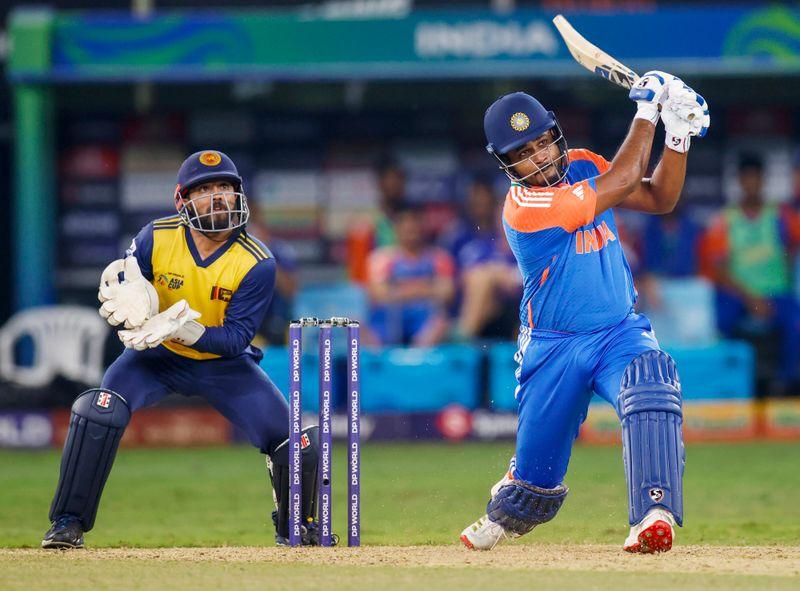
Reflecting on the broader context of the tri-series, this match underscored the value of such tournaments. For Sri Lanka, it provides crucial match practice for players on the fringes of the senior team as they prepare for upcoming bilateral series and potential World Cup cycles. Players like Avishka Fernando and Dunith Wellalage used the platform to remind selectors of their capabilities. Fernando’s fluent fifty demonstrated his return to form after a lean patch in domestic cricket, while Wellalage’s economical spell of two for 38 showcased his growing maturity as a left-arm spinner.
For India A, the game offered valuable lessons in finishing. Despite strong starts from their top order, the middle-order collapses and inability to close out the chase in regulation time pointed to areas needing improvement. Ruturaj Gaikwad will likely reflect on tactical decisions, such as the bowling order in the death overs. Nevertheless, talents like Yashasvi Jaiswal and Sai Sudharsan continue to impress, reinforcing the strength of India’s developmental pipeline.
The pitch in Dambulla played its part admirably. Early on, it offered slight seam movement and grip for spinners as the game progressed. The outfield was lightning quick, rewarding clean striking. Weather conditions remained mostly favorable, though a light drizzle in the afternoon added a touch of moisture that influenced the dew later. Umpires and ground staff deserve credit for ensuring uninterrupted play.
Crowd engagement added to the atmosphere. Local supporters, dressed in vibrant blues and yellows, created a festive mood with drums and chants. Families picnicked in the grassy banks, while school groups cheered every boundary. The roar that greeted the tie and subsequent Super Over victory was deafening, a testament to the passion for cricket in Sri Lanka.
Statistically, the match was evenly contested. Sri Lanka A hit 14 sixes compared to India A’s 12, indicating aggressive intent from both sides. Bowling-wise, Hasaranga’s figures of three for 42 proved decisive, earning him recognition alongside Nissanka. For India A, Arshdeep Singh claimed four wickets but leaked runs at crucial stages. The fielding standards were high overall, with only a handful of chances missed on either side.
Looking ahead, this victory gives Sri Lanka A momentum heading into the next round of matches. They face Bangladesh A later in the week, a team that has shown promise with the ball but struggled with the bat. A win there could seal their place in the final. India A, meanwhile, must regroup quickly for their clash against the same opponents, aiming to refine their death bowling and chasing strategies.
Beyond the immediate series, such encounters nurture rivalries and friendships among young players who may soon share dressing rooms at the senior level. Stories of camaraderie off the field, such as players from both teams sharing meals after the match, highlight the spirit of the game. Coaches from both camps emphasized post-match the importance of mental toughness, a quality clearly on display throughout the contest.
In the dressing room, Sri Lanka A players reflected on the narrow margins that define modern cricket. One senior player noted how a single delivery in the Super Over could have swung the result the other way. This humility, combined with the joy of victory, bodes well for the team’s future. Fans left the stadium buzzing, already speculating about potential call-ups to the national side.
The tri-series continues to deliver entertainment and competitive balance. With talented squads representing the next generation, cricket enthusiasts can look forward to more memorable clashes. For now, Sri Lanka A savors the win, a hard-fought triumph that will linger in the memory for its intensity and drama. The echoes of cheers from Dambulla will resonate as both teams prepare for the challenges ahead in this exciting tournament.
To delve deeper into individual contributions, Avishka Fernando’s innings laid the platform for Sri Lanka A. His ability to find gaps early allowed the middle order freedom to play their shots. Kusal Mendis, despite not converting his start into a big score, provided the acceleration needed. His six over long-on off Washington Sundar was one of the shots of the day, clearing the boundary with ease and raising the decibel levels in the stands.
On the bowling front for the hosts, Matheesha Pathirana’s variations in the death overs were masterful. His ability to bowl yorkers at pace while maintaining accuracy under pressure marked him as a potential star for the future. Chamika Karunaratne’s economical contributions with both bat and ball added balance to the side. For India A, Shubman Gill’s elegant strokeplay and Nitish Kumar Reddy’s lower-order aggression stood out as positives despite the defeat.
Tactical nuances also played a significant role. Sri Lanka A’s decision to hold back Hasaranga until the middle overs proved astute, allowing him to exploit the pitch conditions when the ball was gripping. India A’s choice to chase despite the dew was understandable but ultimately tested their bowling resources. Captains on both sides displayed maturity, rotating bowlers effectively and setting attacking fields when opportunities arose.
The match also highlighted improvements in fitness and athleticism among A-team players. Several diving stops and quick singles reflected the high standards expected at this level. Medical teams remained busy managing minor strains, underscoring the physical demands of 50-over cricket in tropical conditions.
As the sun set over Dambulla’s hills, casting long shadows across the pitch, the game transitioned from strategic battle to pure adrenaline in the Super Over. The precision required in those six balls each encapsulated the essence of cricket at its finest. Sri Lanka A’s players huddled together before their batting effort, drawing strength from unity. Their execution under lights, with the crowd roaring approval, created an unforgettable spectacle.
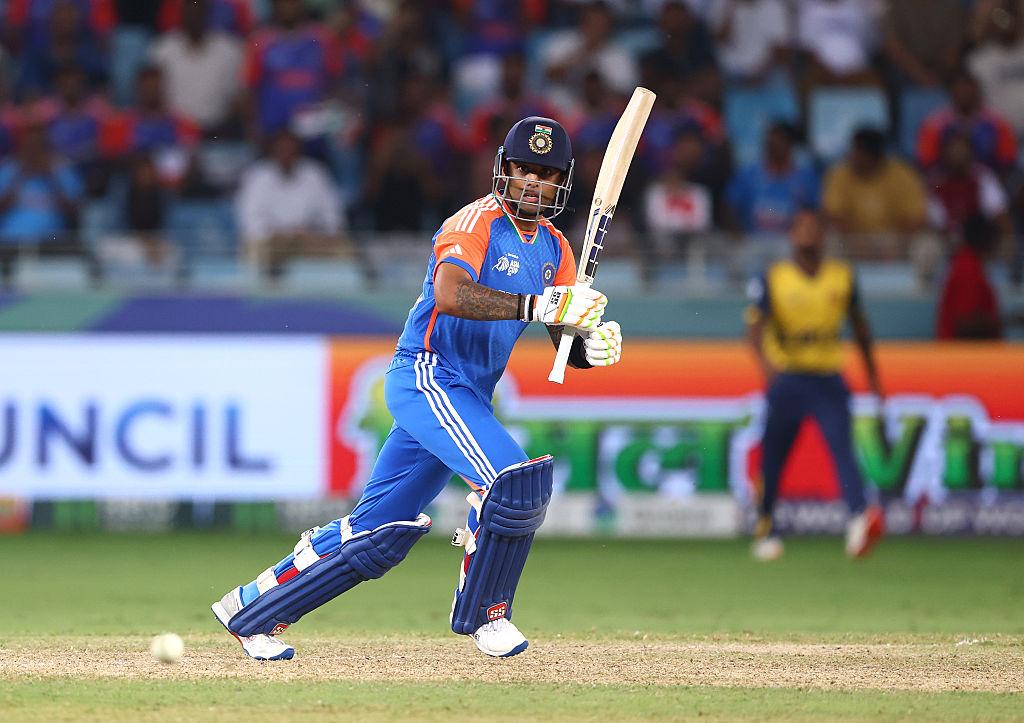
Post-match interviews captured the emotions vividly. Nissanka expressed gratitude to his teammates and coaching staff for their support throughout the build-up. He highlighted the team’s resilience in bouncing back from the tied score to clinch the Super Over. Gaikwad, gracious in defeat, praised the opposition’s bowling and committed to learning from the experience. Such sportsmanship elevates the entire event.
This tied match followed by a Super Over victory adds another chapter to the rich history of cricket in Sri Lanka. Venues like Dambulla have hosted many memorable games, and this one ranks among the most exciting. For aspiring cricketers watching from the stands or on television, it served as inspiration to pursue excellence and embrace pressure situations.
In summary, the fourth match of the Sri Lanka A-Team Tri Series delivered high-quality cricket and a fitting result for the home side. Sri Lanka A’s win by two runs in the Super Over after a 287-run tie will be talked about for days. As the series progresses, both teams will carry forward valuable insights, strengthening their preparations for greater challenges. Cricket lovers worldwide can rejoice in such contests that celebrate skill, strategy, and the unpredictable beauty of the game. The road ahead promises more thrills, with Sri Lanka A now carrying the momentum and India A determined to respond strongly in the coming fixtures.
