
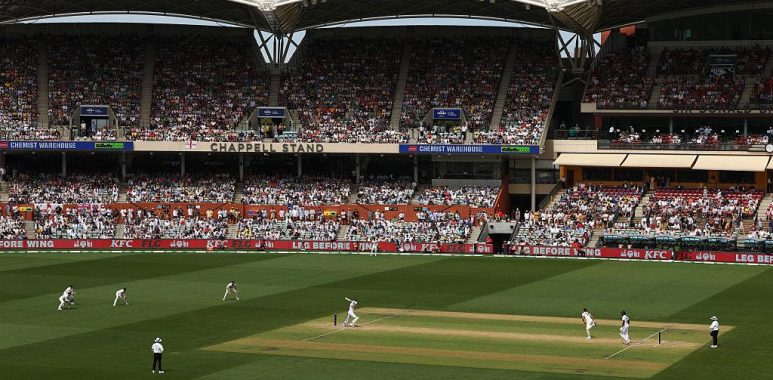
Australia Tighten Their Grip on the Ashes with Gritty 82-Run Victory in Adelaide
Australia clinched a hard-fought victory by 82 runs in the third Test of the Ashes series at Adelaide Oval, retaining the urn in emphatic fashion and moving to an unassailable 3-0 lead. The pink-ball contest, played under the lights and in front of passionate home crowds, delivered five days of fluctuating fortunes, heroic individual performances, and the sort of tension that defines this historic rivalry. From Alex Carey’s emotional century on home soil to Travis Head’s blistering double hundred contribution across the match, Australia showcased depth and resilience while England fought valiantly but ultimately fell short in their chase of 435.
The match began on December 17 with Pat Cummins winning the toss and electing to bat first on a surface that offered early assistance to the seamers but promised to flatten out. Adelaide Oval, with its picturesque setting and reliable bounce, has long been a venue where batsmen can thrive once they settle, yet the pink ball under lights adds an extra layer of challenge. England, desperate to claw back into the series after defeats in the opening two Tests, came armed with a potent pace attack led by Jofra Archer, who was in fiery form.
Australia’s top order faced immediate pressure. Jake Weatherald fell early for 18, caught behind off Archer, and Travis Head followed soon after for just 10, undone by a sharp delivery from Brydon Carse. Marnus Labuschagne and Cameron Green departed in quick succession, leaving the hosts at 94 for four. It was a precarious position, but Usman Khawaja steadied the ship with a gritty 82, his experience shining through in a crucial stand. Then came the moment that lifted the home crowd: Alex Carey, the local hero, walked in and played with freedom and precision. His 106 off 143 balls, laced with elegant drives and clever rotations, not only rescued the innings but ignited Adelaide Oval. Carey reached his century to a standing ovation from his hometown supporters, a poignant reminder of his growth as a wicketkeeper-batsman.
Mitchell Starc provided the late fireworks with a rapid 54, helping Australia post a competitive 371. England’s bowling was spearheaded by Archer, who claimed five wickets for 53 runs in a display of raw pace and skill. His bouncers troubled the Australians, and his ability to swing the pink ball both ways kept the hosts honest. Brydon Carse and Josh Tongue chipped in effectively, but the visitors’ fielding had its lapses, allowing Australia to build partnerships at key junctures.
Day two saw England begin their reply with intent, but Nathan Lyon and the Australian seamers made life difficult. Zak Crawley edged behind early for 9, and Ollie Pope fell cheaply. Ben Duckett showed some aggression before Lyon spun one past his defenses. Joe Root, a master in these conditions, managed 19 before Cummins found his edge. Harry Brook contributed a brisk 45, but the middle order struggled against tight lines. Ben Stokes anchored with a determined 83, batting deep into the innings, while Jofra Archer added a useful 51 down the order. Scott Boland was exceptional with three wickets for 45, exploiting the conditions beautifully, and Cummins claimed three of his own. England were bowled out for 286, trailing by 85 runs. It was a fighting effort, but the deficit left them with a mountain to climb.
Australia’s second innings began cautiously on day three, but Travis Head soon shifted gears. Coming in after an early loss, Head played with characteristic aggression, punishing anything loose and rotating strike intelligently. His 170 off 219 balls was a masterclass in controlled dominance, featuring 16 boundaries and two sixes. He found good support from Khawaja again, who added 40, and once more from Carey, whose unbeaten 72 in this innings complemented his first-innings heroics. Australia declared their intentions clear, extending their lead to 434 runs by the close at 349 all out. Josh Tongue took four wickets for England, showing his potential, but the hosts had set a formidable target.
Chasing 435 in the fourth innings is a daunting task in any Test, let alone against a quality Australian attack in their backyard. England started positively, with Crawley and others building partnerships. Crawley top-scored with 85, displaying excellent technique against both pace and spin. Jamie Smith contributed 60, and Will Jacks added 47, keeping England’s hopes alive into the final day. Yet the pressure mounted as Pat Cummins, Mitchell Starc, and Nathan Lyon worked in tandem. Cummins claimed three wickets, Starc three, and Lyon three, despite a late hamstring concern for the spinner. England reached 352 all out on day five, falling 82 runs short in a display of grit that earned respect but could not alter the outcome.
This victory was not just about the numbers. It highlighted Australia’s squad depth, with players like Scott Boland and Brendan Doggett stepping up when needed, and the leadership of Cummins proving decisive. Carey’s player-of-the-match performance, with 178 runs and six catches, encapsulated the home advantage and the fighting spirit of the baggy green. For England, Stokes’ resilience and Archer’s pace offered glimpses of what might be possible, but inconsistencies in batting and the inability to sustain partnerships proved costly.
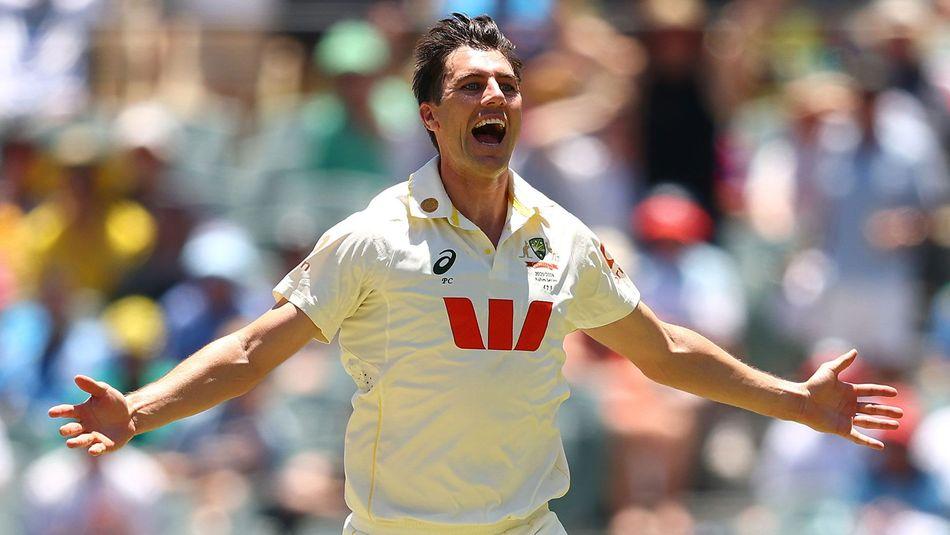
The Ashes series has once again delivered drama, and this Adelaide Test will be remembered for its twists. As the teams head to the remaining fixtures, Australia look set to dominate, but cricket’s beauty lies in its unpredictability. Fans witnessed world-class batting, exceptional bowling spells, and the raw emotion that makes The Ashes the pinnacle of the sport. In the end, it was Australia’s day, week, and series so far, cementing their status as worthy holders of the urn.
Delving deeper into the tactical nuances, Australia’s decision to bat first paid dividends as the pitch offered variable bounce initially but rewarded patience. Cummins rotated his bowlers masterfully, using the short ball to discomfort England’s top order while relying on Lyon’s spin to break key stands. The field placements were aggressive, with close catchers putting pressure on the batsmen from the outset. Carey’s glovework was impeccable, standing up to the spinners and effecting sharp takes that shifted momentum.
England, under Stokes’ captaincy, employed their aggressive Bazball approach at times, but the conditions demanded more circumspection. Archer’s five-wicket haul demonstrated his enduring threat when fit, troubling even the best Australian batsmen with speeds exceeding 145 kilometers per hour. His duel with Starc in the first innings was a highlight, two express pacemen going toe to toe. However, dropped catches and missed opportunities in the field haunted the visitors, a recurring theme that has plagued them throughout the series.
Travis Head’s form at Adelaide is nothing short of legendary. His century in the second innings came at a crucial time, silencing any doubts and setting up the declaration. Partnering with Carey, who has now established himself as a vital all-round contributor, Head’s innings featured powerful pulls and drives that lit up the stadium. The crowd’s roar when he reached three figures was deafening, a testament to his popularity and skill.
For the purists, the pink-ball Test added an aesthetic and technical dimension. The ball’s visibility under lights, combined with the cooler evening conditions, favored swing and seam movement. Boland, often underrated, extracted movement off the seam that English batsmen found difficult to negotiate. His dismissal of Archer late in the first innings was a classic example of subtle skill over raw pace.
As day four unfolded, England reduced Australia but could not prevent the lead from swelling. Head’s dismissal came after a marathon effort, but the foundation was laid. England’s chase began with promise, Crawley looking composed until Lyon’s guile accounted for him. The middle order collapses under pressure from Cummins and Starc were telling. Jacks and Smith showed fight, but the required rate climbed, and the Australian bowlers maintained their discipline.
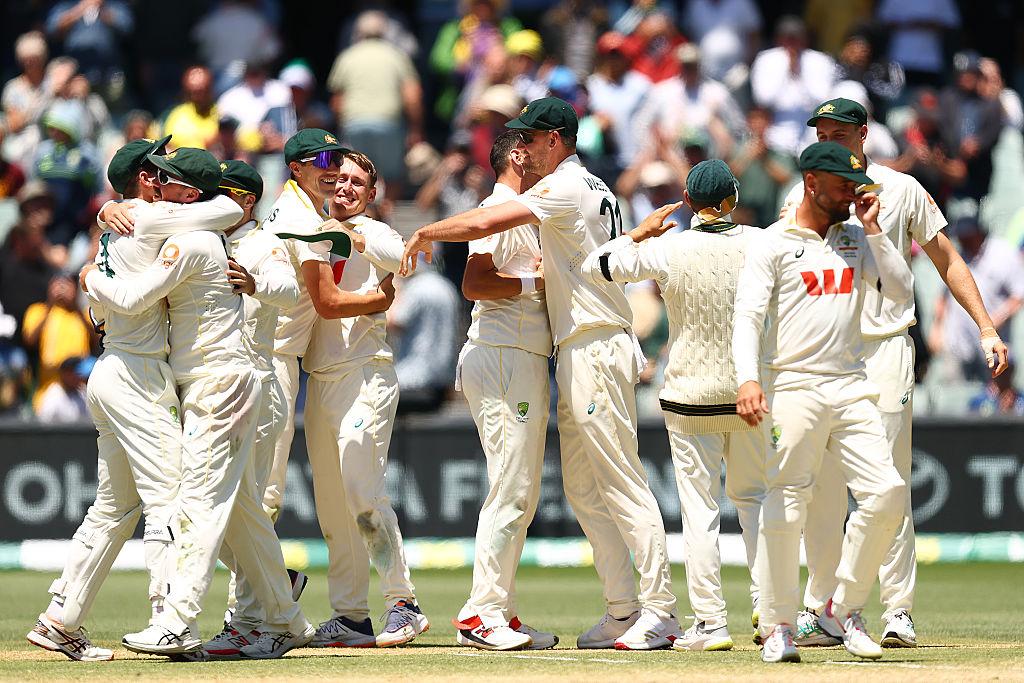
On the final day, with the match in the balance, the Adelaide crowd swelled in numbers, sensing history. Stokes tried to inspire with his presence, but the task was immense. Lyon’s wickets, even as he battled injury, proved pivotal. The final wicket fell to a sharp delivery, sealing Australia’s triumph and sparking celebrations across the nation.
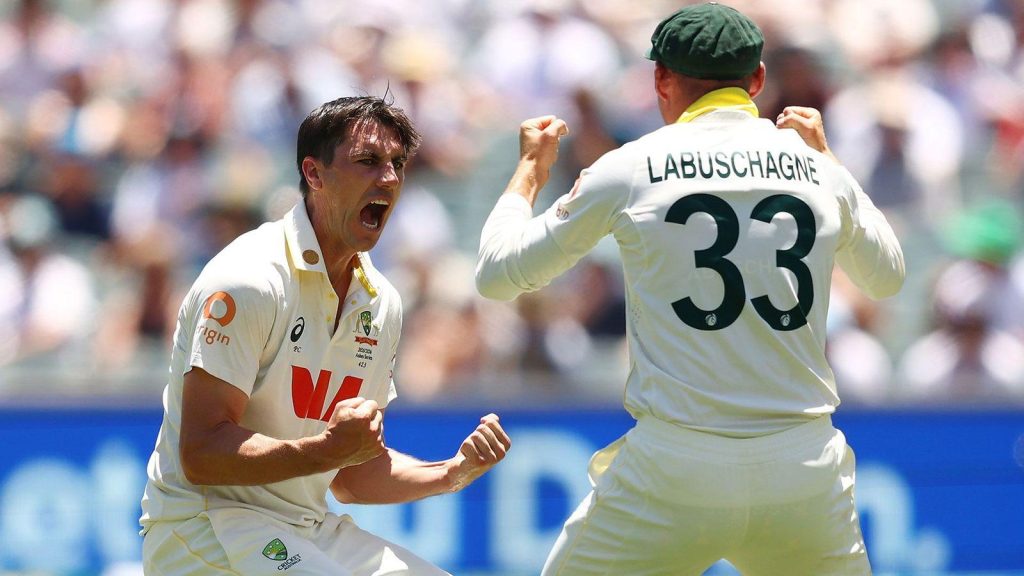
This result not only retains the Ashes but boosts Australia’s confidence heading into the business end of the series. Young talents like Weatherald and Inglis are integrating well, while veterans like Khawaja provide stability. England’s squad shows potential with the likes of Brook and the pace quartet, but they must address their vulnerability to spin and consistency issues if they are to turn things around.
Beyond the scoreboard, the match embodied the spirit of cricket. Moments of sportsmanship, such as players checking on injured opponents, and the electric atmosphere at Adelaide Oval, with its unique hill and passionate fans, created lasting memories. Fireworks lit the sky post-match as Australia basked in glory, the urn safe for at least another cycle.
Reflecting on individual contributions, Carey’s all-round display earns him rightful acclaim. His keeping was sharp, and batting elegant under pressure. Head’s aggression complemented the solidity of the top order. For England, Stokes’ 83 was a captain’s knock, full of defiance, and Archer’s bowling a beacon of hope.
The tactical battle between Cummins and Stokes added intrigue. Both captains led from the front, making bold calls that influenced the flow. Australia’s home conditions knowledge proved advantageous, with precise bowling plans tailored to each batsman.
In summary, Australia’s 82-run win in the third Test was a comprehensive team effort built on key individual brilliance and tactical acumen. As the series progresses, England will seek redemption, but the hosts have set a high bar. The Ashes continue to captivate, reminding us why this contest stands above all others in cricket. With two Tests remaining, the drama is far from over, but Australia hold all the cards and the prized urn firmly in their grasp.
