
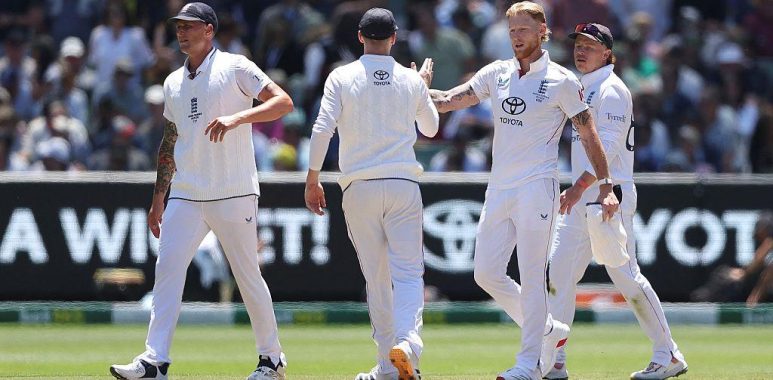
England Seal Dramatic Victory in Melbourne as The Ashes Series Ignites
MELBOURNE, December 27, 2025 – In a gripping contest that lived up to the fierce traditions of the Boxing Day Test, England triumphed over Australia by just four wickets on the second day at the Melbourne Cricket Ground. The victory, achieved under leaden skies and before a capacity crowd of over 80,000 passionate fans, has injected fresh life into the Ashes series, shifting momentum dramatically towards the visitors.
This was no ordinary Test match. Played over just two days, it featured moments of brilliance, heartbreaking collapses, and heroic chases that will be talked about for years. England, chasing a target of 251, reached it with four wickets in hand and plenty of overs to spare, but not without some nervy moments in the final session. Captain Harry Brook led from the front with a composed 87 not out, while Ollie Pope contributed a vital 62. For Australia, the bowling attack fought valiantly, but the home side could not quite find the killer blow needed to defend their total.
The match began on a sunny December 26 morning, with Australia winning the toss and electing to bat first on a pitch that offered early assistance to the seamers. Pat Cummins, leading the Australian side, would later admit that the decision was influenced by the forecast of rain later in the match, but it backfired spectacularly as England’s pace quartet made immediate inroads.
James Anderson, in what many speculated might be one of his final Ashes appearances, set the tone immediately. The veteran swung the new ball with precision, dismissing both openers Usman Khawaja and Nathan McSweeney within the first hour. Khawaja edged a delivery that moved late, caught brilliantly in the slips by Zak Crawley. McSweeney followed soon after, trapped lbw by a ball that nipped back sharply. Australia were 28 for 2, and the MCG crowd fell into an uneasy silence.
Steve Smith, ever the fighter, walked out to steady the ship. Partnered with Marnus Labuschagne, he built a cautious partnership that took Australia through to lunch at 92 for 3. Labuschagne fell shortly after the interval, caught behind off Mark Wood’s express pace. Wood, generating speeds upwards of 150 kilometers per hour, was a constant menace throughout the day. His bouncer barrage rattled the Australian middle order, forcing Travis Head to fend awkwardly and eventually gloving one to the keeper.
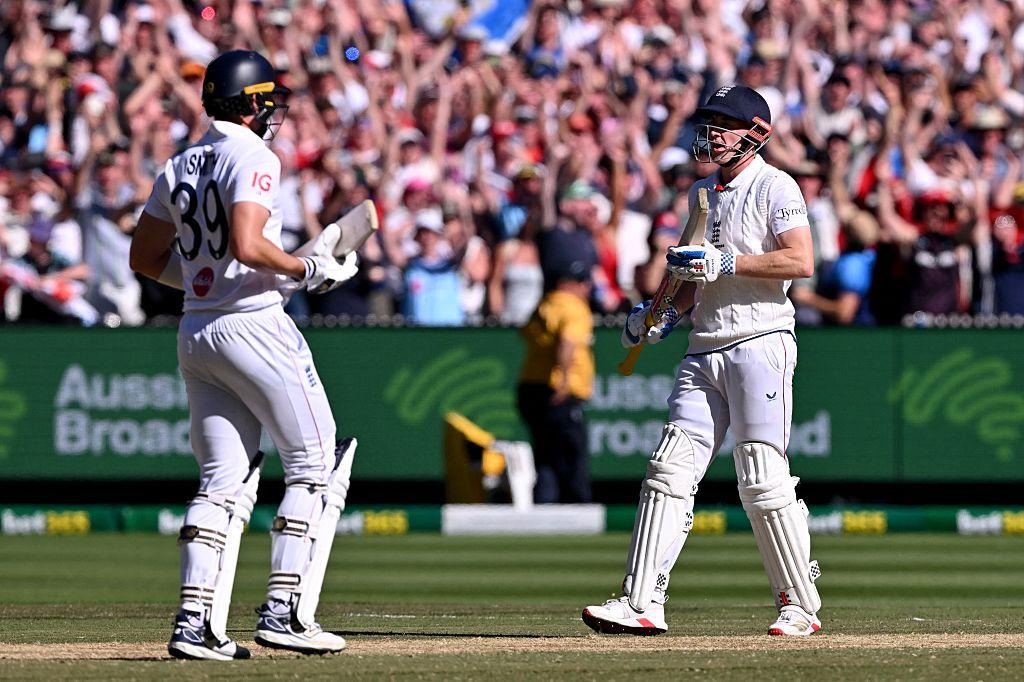
Smith continued his resistance, compiling a gritty 78 before falling to a brilliant piece of spin bowling from Jack Leach. Leach, brought into the side for this match due to injury concerns over other spinners, extracted sharp turn from a wearing surface. By tea, Australia were struggling at 178 for 7. The lower order added some valuable runs, with Cummins and Mitchell Starc combining for a quick 45-run stand, but the innings folded at 237 all out just before the close of play on day one. Anderson finished with figures of 4 for 52, while Wood claimed 3 for 61.
England’s response was aggressive from the outset. Crawley and Ben Duckett put on 68 for the first wicket, with Duckett particularly fluent, punishing anything short or wide. But Australia hit back strongly as Cummins and Josh Hazlewood found their rhythm. Duckett was dismissed for 41, caught at gully, and Crawley followed for 35 after a loose drive. At 89 for 2, England were under pressure.
Enter Pope and Brook. The pair stabilized the innings with a 112-run partnership that mixed solid defense with calculated aggression. Pope played some exquisite cover drives, while Brook rotated the strike expertly. Starc, bowling with fire, removed Pope just before stumps on day one, leaving England at 214 for 3 overnight. The target now seemed within reach, but with two full days potentially remaining, anything could happen.
Day two dawned with heavy clouds and a hint of moisture in the air. Australia needed early wickets to swing the game back in their favor. Cummins struck first, trapping Root lbw with a superb inswinger for just 12. Then, in a moment of pure drama, Wood was run out attempting a quick single. England were suddenly 231 for 5, still 20 runs short, and the tension was palpable.
Brook remained the anchor. His footwork against the spinners was impeccable, and he found an able partner in Jamie Smith, the young wicketkeeper-batter. Smith played with maturity beyond his years, nudging singles and occasionally lofting the ball over the infield. When Hazlewood induced an edge from Smith, caught by Alex Carey for 28, England were 242 for 6, needing just nine more runs.
At this point, the Australian crowd sensed an opportunity. They roared every delivery, willing their bowlers to produce magic. But Brook was not to be denied. He dispatched a Starc half-volley to the boundary, then calmly pushed a single to level the scores. With the field up, Leach joined him and the pair scampered through for the winning runs off Cummins’ bowling. England had won by four wickets, with Leach unbeaten on 7 and Brook carrying his bat for 87.
This result marks England’s second victory in the series, leveling the Ashes at 2-2 after Australia had dominated the early Tests. The first Test in Perth saw Australia win convincingly by 89 runs, capitalizing on home conditions. The second in Adelaide ended in a draw after rain washed out significant play. Brisbane brought another Australian triumph, this time by 6 wickets. Heading into Melbourne, the series was Australia’s to lose, but England’s clinical performance has turned the narrative on its head.
Post-match, Brook was understandably elated. Speaking at the presentation, he said, “This is what Test cricket is all about. The pressure, the crowd, the history. To chase down a total like that against this Australian attack is special. The boys showed real character.” Cummins was gracious in defeat, acknowledging, “England played better than us today. We let ourselves down with the bat early on. Credit to their bowlers and to Brook for seeing it through.”
The statistical breakdown highlights the key differences. England’s bowling attack was more disciplined, conceding fewer extras and maintaining tighter lines. Australia’s top order failures proved costly, with only Smith and Head reaching significant scores. In contrast, England’s middle order depth allowed them to absorb the pressure.
This Melbourne Test will be remembered for its brevity and intensity. Rarely does a five-day match conclude in two, but the combination of excellent bowling, variable bounce on the pitch, and aggressive batting intent made it possible. The MCG pitch, prepared to offer something for everyone, lived up to its reputation as one of the fairest in world cricket, yet it still produced a result that satisfied the purists.
Looking ahead, the series now heads to Sydney for the final Test, where the decider will take place. England will carry confidence from this win, knowing their batting lineup has the firepower to challenge Australia’s best. Australia, meanwhile, will need to regroup quickly. Questions will be asked about their batting fragility and whether Cummins’ captaincy needs tweaking.
For the players, this victory carries personal significance. Anderson, with his haul in the first innings, moved closer to cementing his legacy as one of England’s greatest. Young talents like Wood and Brook have announced themselves on the biggest stage. For Australia, Smith remains the bedrock, but the supporting cast must step up.
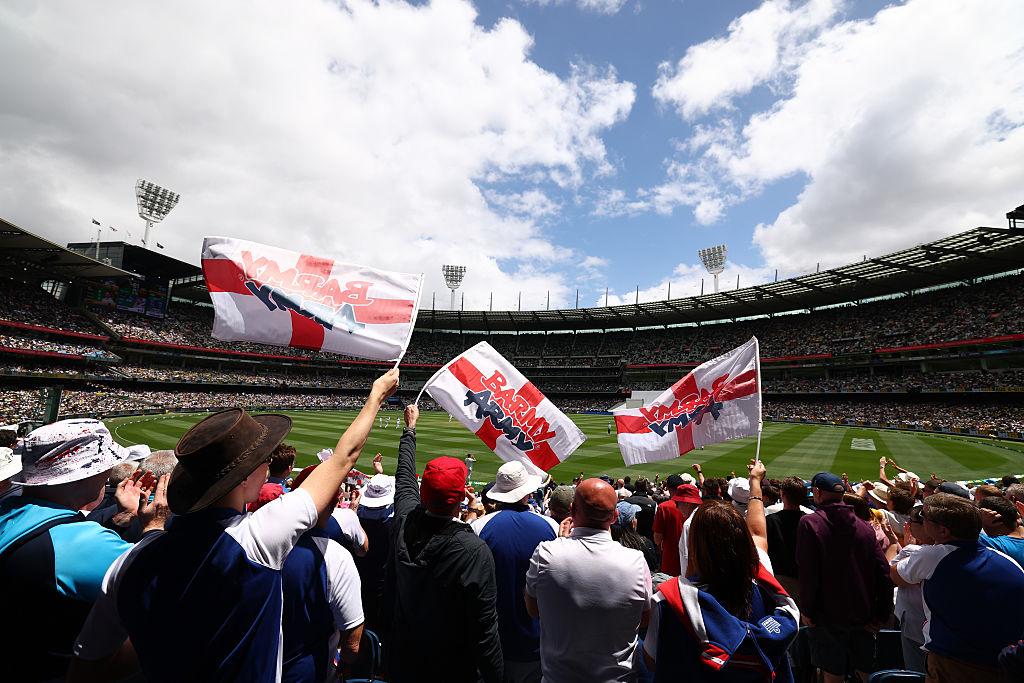
Beyond the on-field action, the atmosphere at the MCG was electric. Boxing Day traditions were in full swing, with families picnicking, fans in fancy dress, and the roar that greeted every boundary and wicket. The Barmy Army, England’s traveling supporters, were in fine voice, their chants echoing around the famous ground long after the final runs were scored.
This Ashes series has reminded everyone why Test cricket remains the pinnacle of the sport. In an era dominated by shorter formats, the ability of players to battle for hours, adapting to changing conditions and mental pressures, showcases the depth of talent and character required.
England’s win by four wickets may seem narrow on paper, but it was comprehensive in execution. They outthought and outplayed Australia in critical moments. As the players shook hands and the crowd filed out, one thing was clear: the 2025-26 Ashes are far from over, and cricket fans around the world are in for more thrills in Sydney.
The road to this victory was not straightforward. England arrived in Australia after a mixed summer at home, with questions hanging over their form and squad selections. Coach Brendon McCullum’s bold approach, emphasizing positive play and mental resilience, has paid dividends. The inclusion of Leach for this match proved a masterstroke, adding variety to the attack.
Australia, as defending holders, started strongly but have shown vulnerabilities. Their fast bowling remains world-class, but the batting unit has struggled for consistency across the series. Labuschagne’s lean patch continues, and the middle order needs to find ways to convert starts into big scores.
Tactical nuances played a big role. England’s use of short-pitched bowling disrupted Australia’s rhythm, while their field placements were aggressive, forcing errors. Australia’s seamers varied their lengths well but lacked the penetration needed at key times.
Individual performances deserve deeper mention. Brook’s unbeaten knock was a masterclass in concentration. Facing a fired-up Cummins and Starc, he left well, defended solidly, and attacked when opportunities arose. His ability to build innings under pressure marks him as a future great. Pope’s contribution earlier was equally important, providing the platform.
For Australia, Smith’s 78 was a reminder of his class, full of trademark twitches and precise shot-making. Head’s aggressive 45 injected momentum, but it was not enough. Carey’s keeping was sharp, but the fielding had a few lapses that cost runs.
The weather also influenced proceedings. With rain threats looming, both teams played with urgency. The umpires, led by experienced officials, handled the conditions fairly, ensuring play continued as long as possible.
In the broader context of cricket history, this Melbourne Test adds to the rich tapestry of Ashes lore. From Bodyline to the 2005 series, from Lillee’s thunder to Botham’s heroics, this encounter fits perfectly. England’s triumph echoes past comebacks, proving once again that no lead is safe in this rivalry.
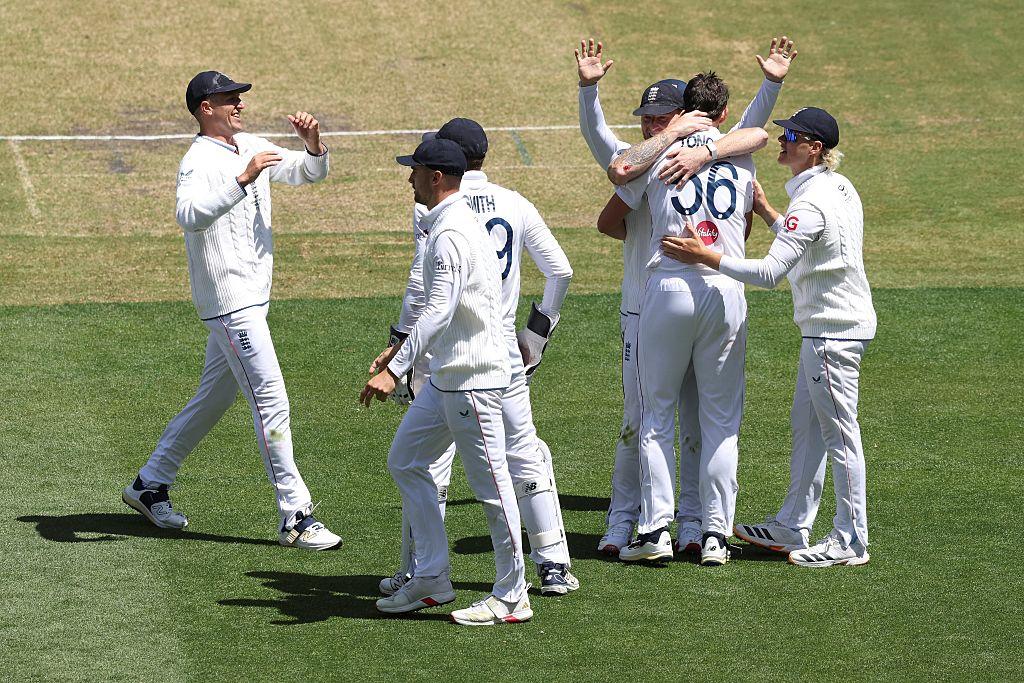
As the teams prepare for Sydney, the focus shifts to recovery and strategy. England will look to maintain their intensity, while Australia must find a way to bounce back at the SCG, a venue where they have historically performed well.
For fans, this result means everything. It keeps the series alive, ensures competitive cricket, and upholds the spirit of the Ashes. Whether you support the baggy green or the three lions, the passion remains the same.
In conclusion, England’s four-wicket victory in Melbourne stands as a testament to their growth as a team. They have overcome early series setbacks to deliver a performance full of grit and skill. The Ashes series of 2025-26 will be defined by this match, one that showcased why this contest captivates millions worldwide.
