
Australia Crush England in Brisbane Pink-Ball Thriller to Take 2-0 Lead in Ashes
Brisbane, December 8, 2025. Under the floodlights at the Gabba, Australia delivered a commanding performance to defeat England by eight wickets in the second Test of the 2025-26 Ashes series. This victory not only gave the home side a formidable 2-0 lead but also highlighted the gulf in class between the two teams on home soil, especially in the tricky conditions of a day-night encounter with the pink ball. Mitchell Starc was the undisputed hero, claiming six wickets in England’s first innings and adding a crucial 77 runs with the bat, earning him the Player of the Match award in a display that will be talked about for years.
The match had all the ingredients of a classic Ashes contest: early drama, resilient batting, fiery bowling, and moments of brilliance in the field. England, already reeling from a heavy defeat in the series opener in Perth, arrived in Brisbane hoping to bounce back under Ben Stokes’ leadership. But the pink ball and Australia’s relentless pace attack proved too much. From the moment England won the toss and elected to bat, the writing was on the wall, though it took four days of absorbing cricket to seal the result.
Day one began under overcast skies, perfect for seam bowling. England lost both openers cheaply. Ben Duckett edged Starc to slip for a duck in the first over, and Ollie Pope chopped on shortly after. It was a nightmare start for the tourists. Zak Crawley fought back with a fluent 76, but Michael Neser removed him with a sharp delivery that took the under-edge. Harry Brook looked aggressive for his 31 before Starc tempted him into a loose drive that flew to Steve Smith in the slips.
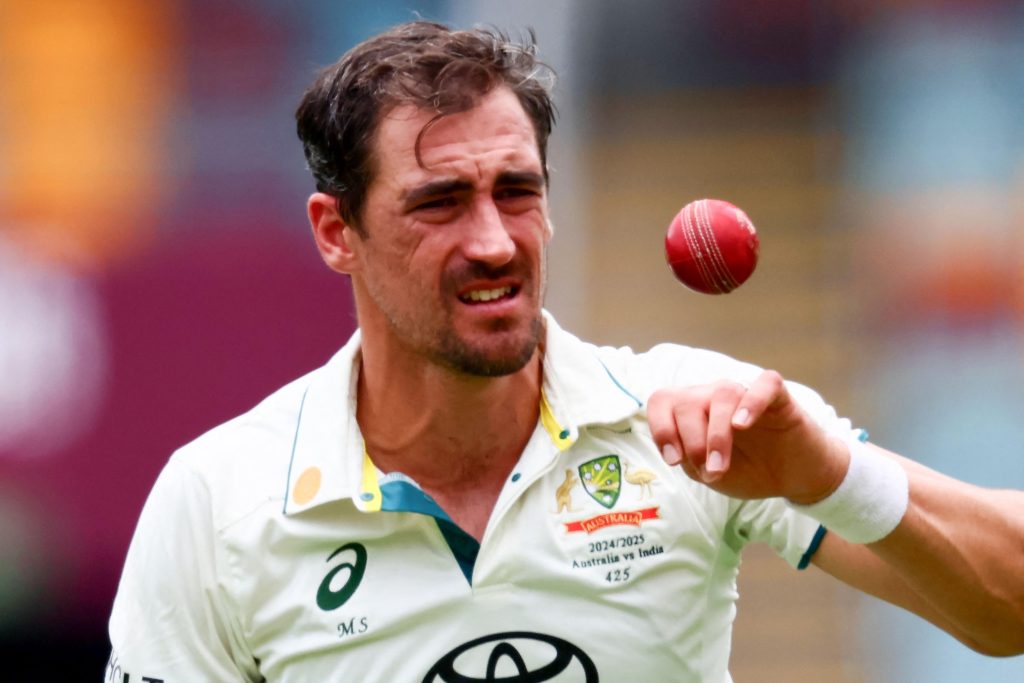
Joe Root stood firm amid the collapses, crafting a masterful 138 not out. His innings was a lesson in concentration, especially under the lights as the pink ball swung and seamed. But the lower order crumbled. Ben Stokes was run out for 19, and Starc ran riot in the evening session, picking up four more wickets including a dramatic spell that dismantled the tail. Jofra Archer provided some late resistance with 38, but England were bowled out for 334 in 76.2 overs. Starc’s figures of 6 for 75 were sensational, exploiting the conditions masterfully.
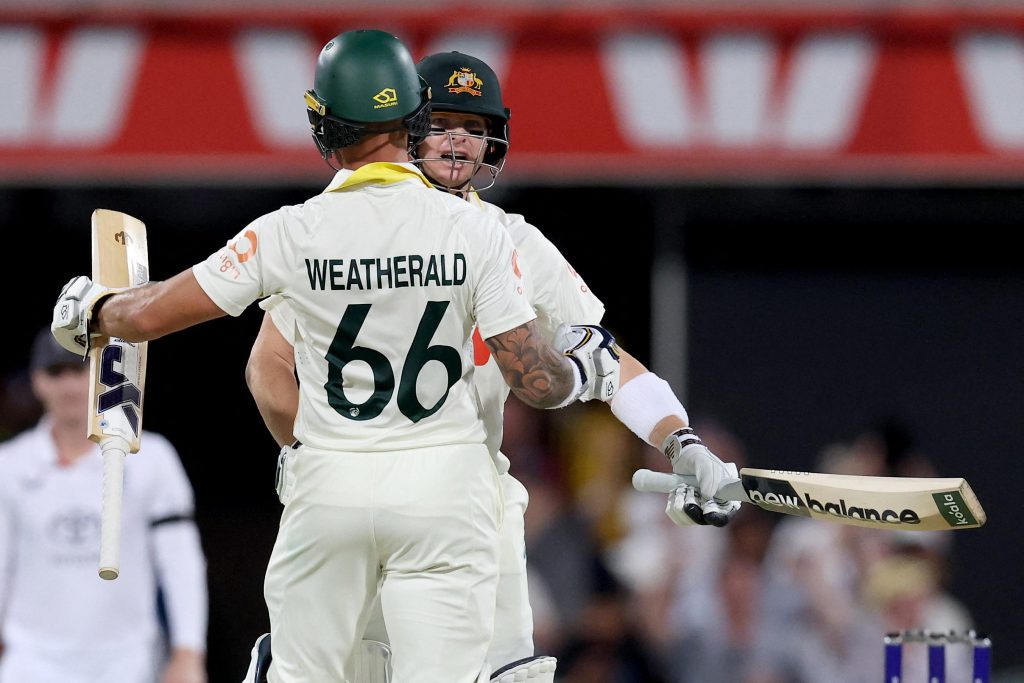
Australia’s response was emphatic. Travis Head and Jake Weatherald got the innings off to a flying start, putting on 77 for the first wicket. Head fell for 33, but Weatherald continued with a brisk 72. Marnus Labuschagne and Steve Smith added solidity, though England chipped away through Brydon Carse, who claimed four wickets including the prized scalps of Smith and Cameron Green. Carse’s 4 for 152 was expensive but showed his willingness to bowl long spells.
The highlight of Australia’s first innings was the lower-order fight. Alex Carey made a gritty 63, and then Starc walked in at number nine and played one of his best Test knocks. His 77 off 141 balls included some towering drives and clever rotations. Even as England took wickets at regular intervals, Starc and Scott Boland frustrated the bowlers. Boland remained not out on 21 as Australia posted a massive 511, a lead of 177 runs. Ben Stokes picked up three wickets, but it was not enough to stem the flow.
By the end of day two and into day three, the momentum was firmly with Australia. England needed a big score in their second innings to set a challenging target, but the pressure was immense. Crawley again showed fight with 44, but Neser had him caught and bowled. Root tried to anchor once more, but the support was lacking. Harry Brook, Ollie Pope, and others fell to a combination of accurate seam bowling and some unforced errors. Starc returned to claim the big wicket of Root, and the innings folded for 241. Australia were left needing just 65 runs for victory.
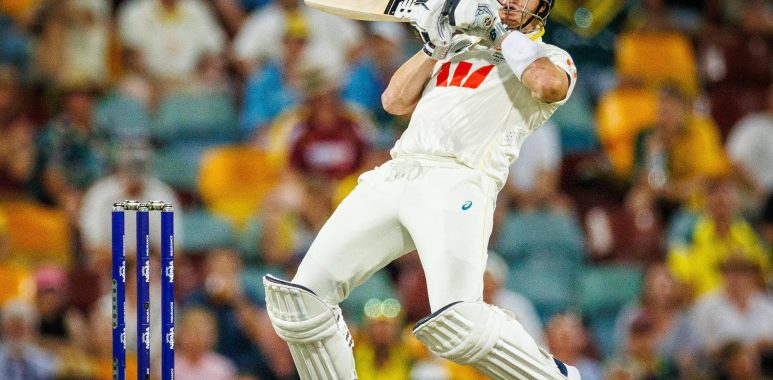
The chase on day four was clinical. Weatherald and Head started positively, though England claimed a couple of wickets through Gus Atkinson. Steve Smith then walked out and smashed an unbeaten 23 off just nine balls, including some trademark pulls and drives that lit up the Gabba. The home crowd erupted as Australia reached the target in just 10 overs, sealing the win with eight wickets in hand.
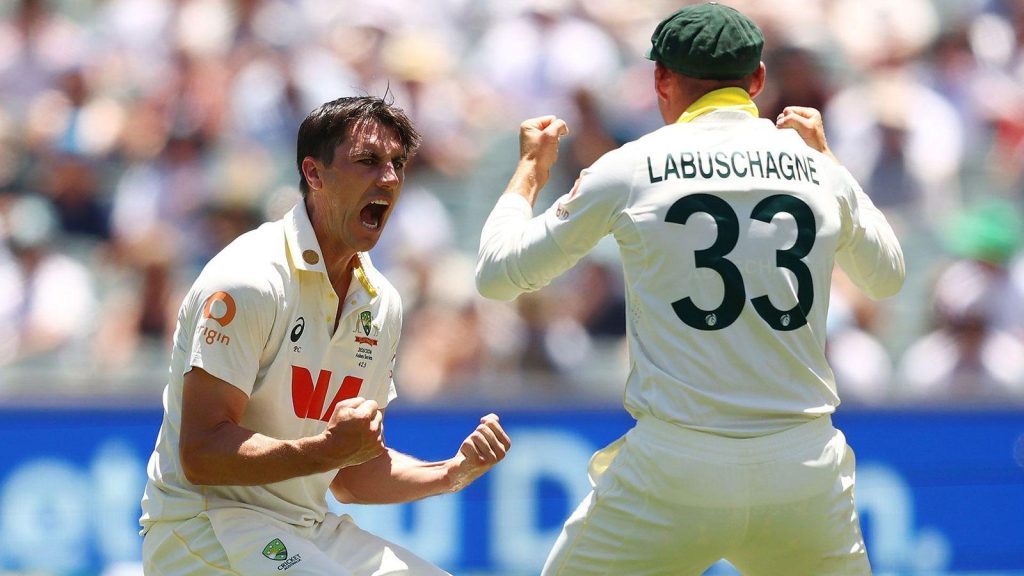
This result was not just about the scoreboard. It was about Australia’s depth and adaptability. With Pat Cummins still working his way back from injury, the bowling unit led by Starc, Neser, Boland, and Brendan Doggett performed superbly. The fielding was sharp, with Labuschagne taking a stunning catch to dismiss Archer. Batsmen across the order contributed, showing the strength of the Australian lineup.
For England, it was another sobering defeat. Questions will be asked about their batting collapses, particularly the top order’s vulnerability to the new ball. Stokes’ leadership remains inspirational, but the team lacks consistency. Jofra Archer showed glimpses of his world-class pace, and Root’s batting was a lone bright spot. However, the inability to build partnerships proved costly. Will Jacks added some spin option but could not make a significant impact.
Looking back at the series context, Australia’s win in Perth set the tone, and Brisbane reinforced their dominance on home pitches. The day-night format at the Gabba has historically favored the hosts, and this match was no exception. The pink ball offered extra movement, which Starc and company exploited to perfection.
Starc’s all-round performance was the standout. His six-wicket haul in the first innings dismantled England, and his batting extended the lead beyond reach. At 35, he continues to defy expectations, proving he remains one of the most dangerous fast bowlers in world cricket. His post-match comments were humble: “The boys are playing great cricket. We just want to keep the pressure on and enjoy the moment.” Smith echoed the sentiment, praising the team’s unity.
The Gabba crowd, known for its passion, created an electric atmosphere throughout. Pink-clad supporters cheered every Australian success, while England fans stayed vocal in support of their side despite the result. The day-night Test brought families and new fans to the game, adding to the spectacle.
Tactically, Australia got most decisions right. Their bowling plans were clear: target the top order early and use the short ball effectively. England’s approach with the bat was aggressive, in line with their Bazball philosophy, but it backfired against disciplined bowling. Stokes’ use of Carse and Atkinson was positive, but the lack of wickets in the middle overs hurt them.
This victory puts Australia in a commanding position in the five-Test series. With matches in Adelaide, Melbourne, Sydney, and potentially others ahead, England face an uphill battle to salvage pride. History shows comebacks are possible in the Ashes, but the current Australian side looks formidable, blending experience with emerging talent like Weatherald and Inglis.
As the teams head to the next venue, the focus shifts to how England can regroup. Changes in the batting order or bowling attack might be considered. For Australia, maintaining this intensity will be key. Steve Smith as captain has led from the front, both with bat and in the field.
Beyond the result, this Test showcased why the Ashes remains one of the greatest rivalries in sport. The passion, the skill, and the drama under lights made it memorable. Fans around the world tuned in for every ball, and the debate will rage on social media and in pubs about who performed best and what the future holds.
In the end, Australia’s clinical chase and overall superiority earned them a well-deserved win. Mitchell Starc’s heroics will live long in the memory, but it was a team effort that propelled them to victory. England will lick their wounds and prepare for the next battle, knowing they need to find answers quickly if they are to challenge for the urn.
The 2025-26 Ashes series has started with a bang for the hosts. Brisbane delivered another chapter in its rich history of hosting thrilling Tests. As the caravan moves on, one thing is certain: the battle for the Ashes continues to captivate, with Australia currently holding the upper hand.
