
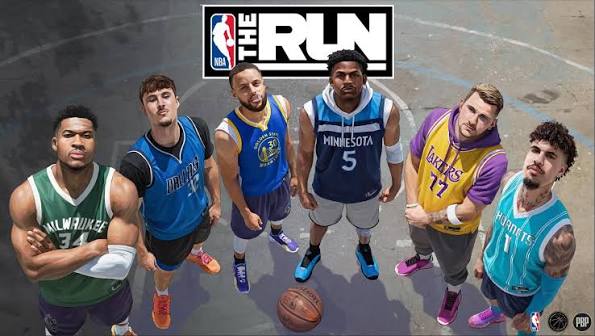
NBA The Run: Streetball Revival That Actually Delivers (Mostly)
By the time NBA The Run dropped on June 9, 2026, I was already burned out on basketball games. Another year, another NBA 2K that promised the world but delivered the same MyCareer grind, microtransactions up the wazoo, and servers that feel like they’re held together by duct tape. So when Play by Play Studios announced this $29.99 3v3 arcade joint as a spiritual successor to the old NBA Street series, I was skeptical. Nostalgia bait, right? A week later, after countless hours of sweating in Knockout Squads and yelling at my TV during those last-second alley-oops, I’m here to say: it’s not perfect, but damn if it isn’t fun. This is the streetball fix a lot of us have been craving.
Let’s get the basics out of the way. NBA The Run is a fast-paced, online-focused 3v3 basketball game available on PS5, Xbox Series X/S, and PC via Steam. No single-player campaign in the traditional sense, no deep story mode with voice acting and cutscenes. Instead, it’s all about jumping into matches, building momentum, and chasing that next win. At launch, you’ve got around 30+ NBA stars and rookies, plus some streetball legends, with 11 iconic courts from around the world—Venice Beach, The Tenement in the Philippines, Spring Garden Elementary, you name it. The Deluxe Edition bumps it to $39.99 with some early unlocks like young Steph, Luka, and KD variants. No loot boxes or predatory microtransactions, which already puts it ahead of the curve in 2026.
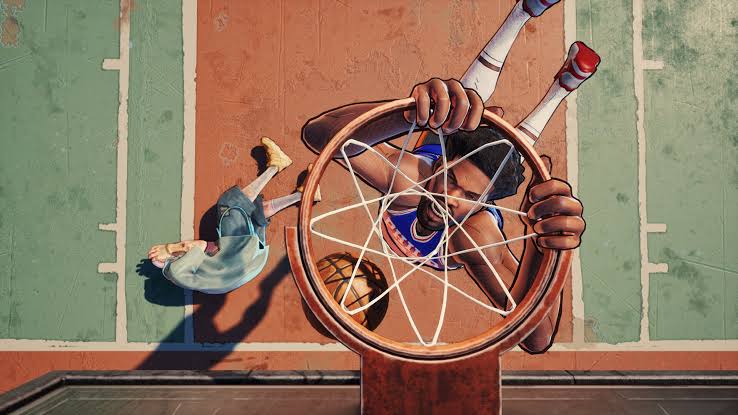
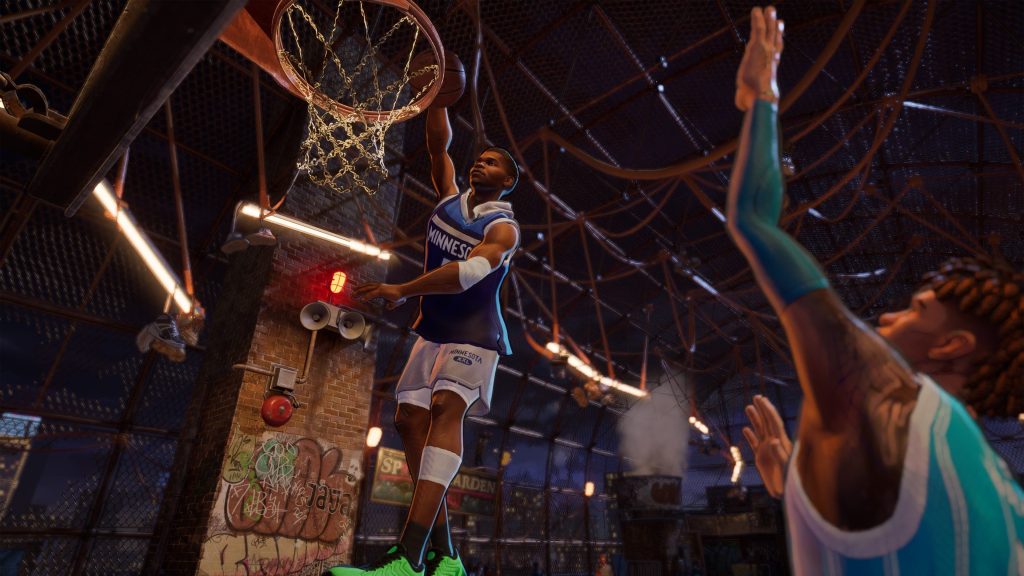
I booted it up on PS5 the night it dropped. The first thing that hits you is the vibe. The menus have this gritty, handcrafted street aesthetic—graffiti tags, boomboxes blasting in the background, and DJ Bobbito Garcia doing his thing with that smooth, hype commentary. It’s not trying to be photorealistic like 2K; it’s stylized, colorful, and full of personality. Characters have exaggerated proportions during dunks and crossovers, almost like a modern NBA Jam meets Street. The courts look lived-in: cracked asphalt, chain nets rattling, crowds of locals cheering (or booing) from the sidelines. Lighting changes based on time of day or weather on some maps, which adds a nice touch without killing performance. On a base PS5, it runs buttery smooth at 60fps, with the PC version offering higher frames and some graphical tweaks.
Gameplay: Flashy but with Teeth
The core loop is simple but addictive. Matches are short—think 2-5 minutes depending on the ruleset—and designed for quick hits. You control one player in Squads mode or the whole team in Solos. The controls feel responsive right out of the gate. Left stick for movement, right for dribble moves and tricks. It’s not as simulation-heavy as 2K, but there’s more strategy here than pure button-mashing.
What surprised me most is how well defense works. In a lot of arcade basketball games, D is an afterthought—you just spam steal and hope. Here, timing blocks, contests, and physical bumps feels rewarding. A well-timed chase-down block can swing momentum hard. Steals lead to fast breaks, and diving for loose balls actually works without feeling janky. Offense, though? That’s where the game shines. Ankle-breakers, step-back threes from logo range, thunderous poster dunks—it’s all here, and the animations are juicy. The “In the Zone” momentum system is a highlight. Build up your meter with flashy plays, and you unlock signature moves that can turn a deficit into a blowout. One game I was down 8-2, hit a couple crossovers into a contested three, got in the zone, and suddenly my guy was hitting contested logo bombs like prime Steph. Pure dopamine.
But it’s not all highlight-reel stuff. Play by Play Studios added real layers. Different courts have slight rule variations or environmental tweaks—some have tighter space that favors interior play, others are wide open for bombing threes. Randomized modifiers in certain tournament rounds keep things fresh: “Dunk Fest” where layups are disabled, speed rounds, or no-steal games. It forces you to adapt on the fly instead of spamming the same meta.
I spent a good chunk of time in Knockout Solos, where you can control one star or the full team. It’s great for practicing or when friends aren’t online. Squads is where the magic happens, though. Teaming up with two buddies (or randoms with an AI filler) and climbing the ladder feels like actual pickup runs. Communication matters—calling for screens, switching on D, setting up lobs. Rollback netcode is legit; I only had a handful of noticeable lag spikes across dozens of matches, even cross-play between consoles and PC. That’s huge for a launch title.
Modes and Progression: Short Sessions, Long Grind
The main mode is Knockout Tournaments. You enter runs across global “hubs,” playing best-of series in a bracket style until you get knocked out or win it all. Wins earn “Cred,” the in-game currency for cosmetics, animations, taunts, court customizations, and more. No pay-to-win, thankfully. You can grind it out naturally. There’s a shop that rotates stock, and progression feels fair so far, though some of the higher-tier stuff will take serious playtime.
At launch, content feels a bit light if you’re a solo player looking for variety beyond online. No real offline modes besides quick exhibition matches against AI, which are decent for warm-ups but not deep. The AI is competent— it pulls off tricks and reads defenses—but it doesn’t replicate the chaos of human opponents. I wish there was a proper Street mode with single-player challenges or a career where you build a custom streetballer from scratch. Maybe post-launch DLC will add that.
Multiplayer shines brightest. Cross-play works well, and the community seems healthy a week in. Matchmaking is quick, though I did run into some sweaty lobbies full of meta teams spamming the same broken crossover. That’s online gaming for you. The social features are basic but functional—easy invites, squad finding. Voice chat integration is solid.
Roster and Courts: Solid but Not Stacked
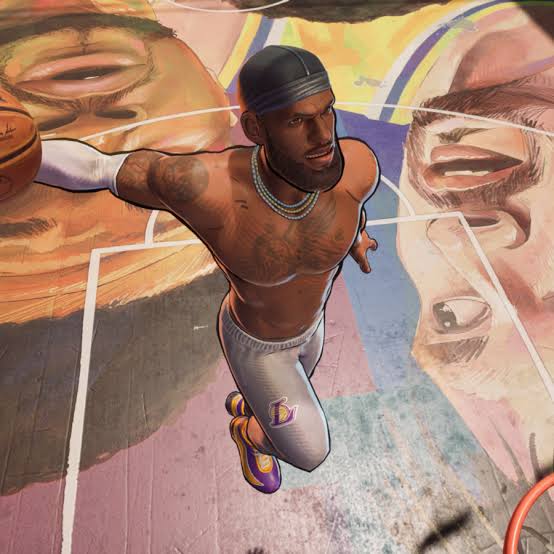
The launch roster has big names: LeBron, Curry, Durant, Jokic, Wemby, and plenty of others. Rookie variants let you play as young versions with different attributes—prime athleticism on old heads is a blast. Street legends fill out the benches nicely. Still, it’s not exhaustive. Missing some fan favorites like Kyrie or Kawhi at launch (rumors say they’re coming). The 11 courts are a highlight though—each feels distinct with unique backdrops, hazards, and atmospheres. Playing at Venice Beach at dusk with the ocean in the background? Chef’s kiss. The Tenement court has this raw, intense energy that matches the physical playstyle.
Customization is where it gets fun. Beyond player looks, you can tweak animations, equip taunts that trigger during big plays, and even modify your team’s playbook slightly. It gives that “my team” feel without the endless grinding of Ultimate Team clones.
Sound and Presentation: Street Cred
The audio package is strong. DJ Bobbito brings that authentic streetball energy with callouts that react to big plays. The soundtrack mixes hip-hop classics with newer tracks—think old-school boom bap mixed with trap. It pumps you up without overwhelming. Crowd noise is dynamic; home courts (based on your selected player?) get louder support. Minor quibbles: some commentary lines repeat a bit too often after extended sessions, but that’s fixable with patches.
Visually, as I said, it’s stylized and holds up great in motion. Particle effects on dunks, sweat, ball physics—all crisp. On higher PC settings, it looks even better with sharper textures and better crowds. No major bugs at launch that I encountered, though I saw some reports of rare disconnects or animation glitches in very crowded lobbies. Typical day-one stuff.
The Good, the Bad, and the Brick
Pros:
- Incredibly fun, fluid arcade gameplay that rewards skill and creativity.
- Excellent netcode and cross-play for smooth online experience.
- Defense actually matters and feels good.
- Fair monetization—no MTX hell.
- Stylish presentation and vibrant courts.
- Short, replayable matches perfect for pick-up-and-play sessions.
Cons:
- Light on single-player/offline content at launch.
- Roster could be deeper.
- Some balancing issues with certain signature moves feeling overtuned.
- Progression might feel grindy for casuals chasing all cosmetics.
- Occasional readability issues in chaotic 6-player scrums (hard to tell who’s who sometimes without color indicators).
Overall, NBA The Run scratches an itch that modern sports games often ignore: pure, unadulterated fun. It’s not trying to be the most realistic basketball sim. It’s a love letter to those summer pickup games, the highlight reels, the trash talk, and the “one more game” mentality. For $30, it’s an easy recommendation if you loved NBA Street back in the day or just want something lighter than 2K’s annual behemoth.
A week in, I’m still hooked. The highs of chaining a steal into a no-look oop, or locking down a opponent for a full possession before draining a step-back… it’s the kind of rush that makes you forget the clock. Will it have legs long-term? Depends on post-launch support—new players, courts, modes, balance patches. Play by Play Studios has a strong foundation here. If they build on it, this could be the arcade basketball king for years.
If you’re on the fence, download the game (or check for any remaining beta vibes in quick play). Lace up, hit the blacktop, and see if you got next. NBA The Run isn’t revolutionizing the genre, but in a sea of safe, corporate sports titles, it’s a breath of fresh air. Streetball with strats, baby. I’m giving it a solid 8/10—fun enough to run it back all summer.
