Gothic 1 Remake: Back in the Colony, Scratched, Bruised, and Still Kicking Ass
By the time you read this, it’s been just over a week since Gothic 1 Remake dropped on June 5, 2026. I booted it up on my PC the night it launched, controller in one hand and a beer in the other, half-expecting the usual modern remake treatment: glossy Unreal Engine 5 visuals slapped onto a skeleton of the original with all the rough edges sanded off for mass appeal. What I got instead was something far more interesting—and frustrating. A game that feels like it was made by people who actually played and loved the 2001 Piranha Bytes classic, warts and all.
Let me get this out of the way: Gothic 1 Remake isn’t perfect. Far from it. It launches with technical hiccups, performance that can tank on consoles, and a combat system that will make you want to throw your keyboard across the room in the early hours. But damn if it doesn’t capture that raw, uncompromising spirit of the original better than I dared hope. This isn’t a sanitized retelling for newcomers; it’s a faithful rebuild that respects why the cult classic still has such a devoted following more than two decades later. Sold half a million copies in its first week, too. The Nameless Hero is back, and the Valley of Mines is calling.
A Quick Trip Down Memory Lane (For the Uninitiated)
For those who weren’t around in 2001 or never braved the original Gothic, here’s the setup. The Kingdom of Myrtana is at war with orcs. King Rhobar II needs magical ore to forge weapons, so he rounds up prisoners, dumps them in a massive mining colony in a valley, and seals it off with a magical barrier. You play as the Nameless Hero—a convict thrown in with the rest. No epic destiny, no chosen one prophecy. Just survival in a brutal, hierarchical prison society divided into factions: the Old Camp (mercenaries and diggers), the New Camp (rebellious mages and outlaws), and the Swamp Camp (fanatical monks serving the swampweed god).
The original was a masterclass in immersive sim-like world design before that term was trendy. No minimap. NPCs with daily routines—eating, sleeping, patrolling, brawling. A living ecosystem where wolves hunt scavengers, and everything feels dangerous. Combat was directional and punishing; you started as a weak nobody and had to earn every skill from trainers. Quests had real consequences based on your faction choice. It was janky as hell—ugly models, stiff animations, a story that sagged in the middle—but the atmosphere and freedom were unmatched.
Alkimia Interactive (a Spanish studio under THQ Nordic) took on the remake after Piranha Bytes moved on. Built in Unreal Engine 5, it aims to modernize without losing the soul. And for the most part, they nailed the vibe.
Visuals and World: From PS2-Era Jank to (Mostly) Stunning
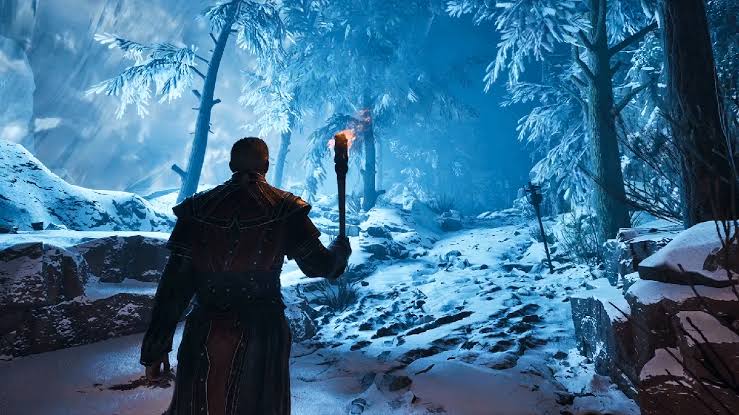
The Valley of Mines has never looked better. Dense forests, craggy mountains, misty swamps, and the oppressive barrier shimmering overhead. Day-night cycles feel alive; fog rolls in at dawn, sunsets paint the ore mines in bloody oranges. The hand-crafted world retains that organic, lived-in feel—no sprawling Ubisoft towers or checklist icons. You navigate by landmarks, memory, and sheer stubbornness, just like before.
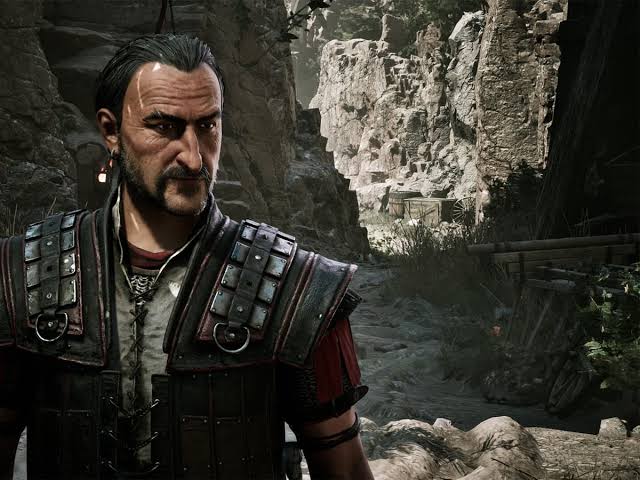
Character models are a big upgrade. The grimy, scarred faces of convicts have real personality. Faction outfits look distinct and purposeful—ragged digger gear versus the more ornate New Camp leathers. Animations are smoother, especially environmental interactions. Swimming in the lake, climbing ledges, or crouching through caves all feel more fluid.
That said, it’s not flawless. Some textures look mid-gen (PS4-era in spots), and pop-in can be noticeable on lower settings. Performance on PS5 and Xbox Series X/S often hovers around 30 FPS with dips, especially in busier areas. PC is better if you have decent hardware, but even there, optimization isn’t stellar out of the gate. Patch 1.0.1 dropped quickly with fixes, and the team seems responsive, but launch woes are real.
The sound design shines. Creaking wood in the Old Camp, distant beast howls at night, the constant clink of pickaxes in the mines. Voice acting is solid, with that gritty, no-nonsense delivery that fits the tone. The score mixes ambient tension with rousing moments during key events.
Gameplay Loop: Brutal, Rewarding, and Unforgiving
This is where Gothic 1 Remake shines and frustrates in equal measure. You start naked and weak, dumped at the colony entrance. Guards shove you around. Scavengers (those weird chicken-lizard things) can end you in seconds if you’re not careful. No hand-holding tutorials beyond the basics. You learn by doing—or dying.
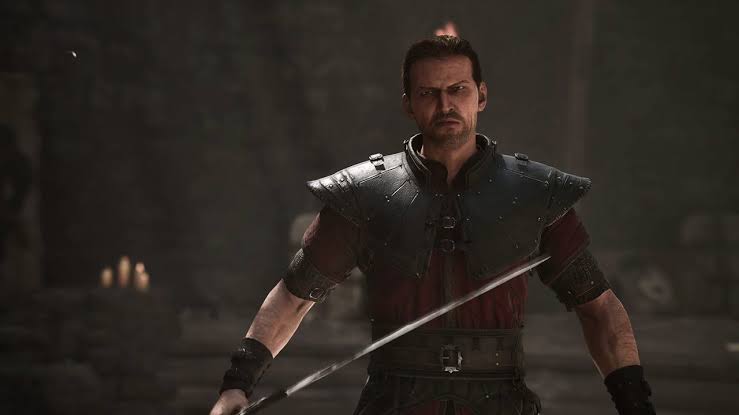
Combat has been modernized but keeps the directional roots. Light/heavy attacks, dodges, blocks, and combos that require timing and positioning. Early game, you’re clumsy and slow; landing hits feels like luck. Train with masters to unlock better moves, stances, and weapons. Sword fighting eventually clicks into a satisfying rhythm, especially against human opponents. Beast fights remain chaotic and tense—those Bloodflies and Minecrawlers still terrify.
There’s an accessibility toggle for simplified attacks, which is welcome for modern players, but purists will scoff (rightly, in my opinion). Magic feels powerful once you invest, and ranged options like bows require actual aiming skill.
Progression is classic Gothic: earn learning points from kills and quests, spend them with trainers. No sprawling skill trees—just focused investment in strength, dexterity, one-handed/two-handed weapons, sneaking, etc. Faction alignment gates major story paths and abilities. Joining the Old Camp? Expect arena fights and protection rackets. New Camp? More freedom and mage intrigue. Swamp Camp? Psychedelic rituals and isolation.
Quests are a highlight. Many have multiple solutions—talk your way out, steal, fight, or sneak. Side content fleshes out the world: helping a digger with his gambling debts, investigating missing ore shipments, or just surviving the night in the wilds. The world reacts. Kill too many in one area, and patrols increase. Help the right people, and doors (literal and figurative) open.
Exploration rewards curiosity. Hidden caves, bandit ambushes, ancient ruins. No quest markers mean you actually pay attention. I spent an hour lost in the forest once, heart pounding as night fell and wolves closed in. Pure adrenaline.
Lockpicking got some flak—it’s finicky and punishing at first. Practice (and perks) help, but expect frustration. It’s part of the charm, honestly.
Story and Factions: Choices Matter (Mostly)
The main plot follows the original closely: escape the barrier, uncover the ore’s secrets, deal with the looming orc threat and inner colony politics. It’s not revolutionary, but the characters elevate it. Diego, Gorn, Lester, and the rest feel like old friends with updated dialogue and more depth in some arcs. New side stories and cut content from the original’s development add variety—trolls throwing rocks, expanded faction intrigues.
Pacing is uneven. The first third is slow-burn survival. The middle opens up gloriously. The back half can drag with some fetch-heavy quests and a finale that doesn’t quite stick the landing. Voice acting and writing have charm, but some lines feel wooden. Still, the branching paths based on your choices give replay value.
Technical Issues and Polish
This is the big caveat. Crashes (mostly PC), frame rate instability, occasional bugs with NPC routines or quest triggers. Textures and lighting can look inconsistent. It’s playable, and patches are coming, but it launched rough. On a high-end PC with tweaks, it runs great. Consoles need work.
Compared to the original (which is borderline unplayable on modern systems without mods), this is a massive improvement. But expectations for a full-price remake in 2026 are higher.
Who Is This For?
- Gothic veterans: This is catnip. It feels like home with better presentation. The soul is intact.
- Newcomers to classic RPGs: Tough love. If you bounced off Morrowind or Kingdoms of Amalur for being too old-school, proceed with caution. But if you crave immersion over convenience, dive in.
- Action RPG fans: Combat and exploration deliver, but it’s not Elden Ring fluidity or Witcher 3 polish.
At around 20-40 hours for a main playthrough (more for completionists), it’s dense and rewarding. Multiple endings and factions encourage replays.
Final Verdict: A Worthy (If Flawed) Return
Gothic 1 Remake scores a solid 8/10 from me. It’s not the definitive remaster some hoped for—technical issues hold it back—but it succeeds where it matters most: recapturing the magic of being a nobody in a dangerous, alive world. Alkimia respected the source material without turning it into a generic open-world slop. The atmosphere, freedom, and progression loop still hook you like few games today.
In an era of live-service everything and hand-holding blockbusters, Gothic 1 Remake reminds us why we fell in love with RPGs. It’s brutal, immersive, funny in spots, and deeply human. The colony awaits. Will you shape it, or let it break you?