
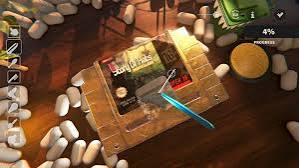
Cozy Game Restoration Review: Dust, Stickers, and the Quiet Joy of Bringing Old Games Back
That’s the first thing I should say about Cozy Game Restoration. It launched on Steam on November 4, 2026, the day before I’m writing this, and I’ve already spent more hours with it than feels reasonable for a game that is, at its core, about wiping grime off pretend cartridges. Solo developer Adam Stormhardt, working under the Parasol Corp name out of Melbourne, has made something that looks simple on paper and then quietly sinks its hooks into you. At $14.99 it’s the kind of price that makes trying it feel low-stakes. What you get is a slow, tactile, oddly emotional loop of opening mystery parcels, restoring battered video games from a fictionalized 1980s-to-early-2000s era, and gradually turning a modest workspace into a shrine to the stuff you (or someone) used to love.
The setup is light. You inherit a house and a restoration kit from your gramps. There’s a letter. The tone is warm without being saccharine. You’re encouraged to clean the old games, make the place feel lived-in, and keep going. That’s basically it. No grand narrative arcs, no timed missions, no failure states that punish you for missing a spot. The game just lets you sit at a wooden desk, rain or soft light outside the window depending on the in-game day, and work.
The Cleaning Loop That Actually Feels Good
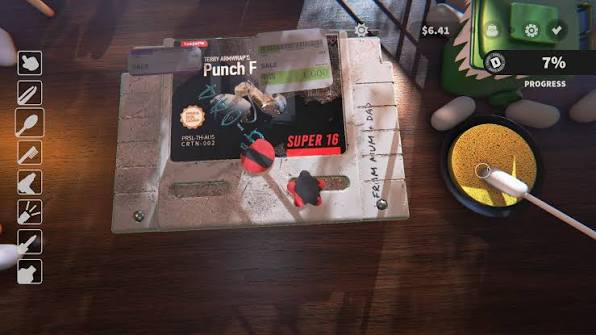
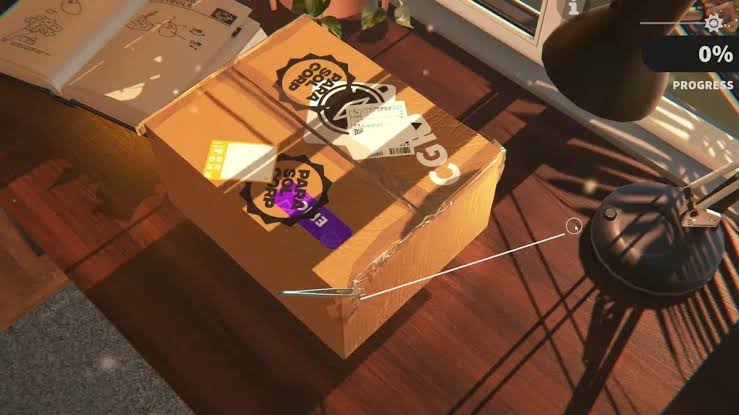
Everything starts with a parcel. You peel tape, lift flaps, sometimes wrestle with sticky residue just to get the box open. Inside is a cartridge (or disc) in some state of disrepair. Labels are faded, shells cracked, surfaces covered in layered grime—dust, ink, discoloration, old stickers, marker scrawls, adhesive gunk. Each one is procedurally dirtied, so no two feel identical even if the underlying title is the same. There are 108 distinct games across six fictional platforms inspired by the real consoles of the era, each available in PAL and NTSC variants for a total of 216 collectible versions, spanning five rarity tiers. Some come with little notes from previous owners. Those notes are short, personal, and surprisingly effective at making the object feel like it had a life before it reached your desk.
The tools are straightforward but satisfying in practice: cotton swabs, brushes, solvents, tweezers, a heat element for stubborn adhesive, UV light to reveal what you missed, the usual cleaning arsenal. Surfaces react. Dirt smears and lifts. Stickers peel with that little resistance you can almost feel. Scratches need filling or careful work. Progress is shown as a percentage, and the game is particular about completeness if you want the highest grade. You can stop short and still keep or sell the cart, but there’s a quiet pull toward getting every last bit. One early review called it the “Dark Souls of cozy games,” which is half joke and half accurate—the demand for thoroughness is there, but the vibe is the opposite of punishing. Miss something and you just keep working. There’s no timer. No one is yelling. The desk just waits.
What makes it work is the physicality. The animations and sound design sell the process. Peel a sticker and it stretches a little before it comes free. Brush dust and it actually moves like dust. The light on the desk changes with the time of day and weather, and the soft ambient soundtrack (plus the rain when it’s raining) sits perfectly under the small, precise noises of cleaning. I’ve played other cleaning sims. Most of them feel like clicking through a checklist. This one feels closer to actually sitting there with a real cartridge and a cotton bud, even though nothing here is real. The first time a heavily stickered, marker-scrawled shell started looking clean and the original label art emerged, I sat back and just looked at it for a second. That little dopamine hit of restoration is the whole point, and Stormhardt nailed it.
Collection, Quests, and Making the Space Yours
Cleaning is the heart, but it’s not the only system. Restored games go onto shelves. You can keep them for the collection, sell some for funds to buy more parcels or supplies, and complete quests. There are around 300 quests at launch—collection goals (“get three puzzle games”), rarity challenges, calendar-tied ones that care about what’s on the shelf on a particular in-game date, cleaning milestones. Completing them unlocks decorations and furniture. Over time the workspace changes. Plants, posters, better lighting, little display cases, the usual cozy-game progression of making a room feel like your room. It’s not deep interior design, but it’s enough. Seeing a shelf fill with games you’ve personally cleaned gives the place weight.
The games themselves are pastiches and affectionate nods rather than direct copies. You’ll recognize the spirit of platformers, RPGs, sports titles, weird experimental stuff from the 8-bit through early 3D eras. There are special cartridges tied to real indie games (Abiotic Factor and CONSCRIPT are called out, with more partnerships mentioned), plus Easter eggs nodding at bigger cultural moments—things inspired by GTA and Zelda among them. Spotting the references is part of the fun for people who grew up with physical media. Even if you didn’t, the variety in art, shell designs, and regional differences keeps the parcels feeling like discoveries rather than the same three templates on repeat.
Rarity and condition matter for both collection completion and the light economy. Better-cleaned, rarer carts fetch more if you sell. Displaying certain combinations or genres can influence what shows up later in subtle ways (the systems are still being tuned, but the idea of your shelf affecting future finds is already present). None of it is stressful. You can ignore the money side and just restore for the shelf if that’s your preference. The game never forces a particular play style.
What Works, What Doesn’t, and the Solo-Dev Reality
The strengths are obvious after an evening with it. The tactile feedback is excellent. The atmosphere is genuinely calming without tipping into pure background noise. The lack of pressure is intentional and well-executed—Stormhardt has talked about wanting the opposite of high-stakes design, and it shows. Performance on Steam Deck is solid from early reports, and the game was clearly built with controller and portable play in mind. Controller support is there, and the loop translates well to the Deck’s screen and form factor, even if touch controls for precise cleaning take a little getting used to.
There are limits. The core loop is repetitive by design. After a few dozen cartridges the process becomes familiar, and if you’re not the kind of person who finds satisfaction in incremental cleaning, the hours can start to feel samey. Some early reviews noted minor technical hiccups—occasional audio overlaps, small cleaning glitches where residue doesn’t quite behave, the usual solo-dev launch polish issues. None of them broke the experience for me, and Stormhardt has a history of rapid post-launch patches from the demo period, so expectations for ongoing fixes are reasonable. The story framing is thin. The gramps letter sets a tone, but if you came looking for deep narrative or emotional payoff beyond the quiet satisfaction of restoration, you may feel under-served. The game is happiest when you treat it as a meditative activity rather than a story-driven one.
At launch the Metacritic average sat around the mid-to-high 70s based on a handful of reviews, with individual scores commonly landing in the 8–9 range from outlets that clicked with the vibe. User scores were still settling in the first day. That feels about right. It’s not trying to reinvent simulation or collection games. It’s refining a specific feeling—the second-hand shop find, the careful cleaning, the pride of a complete shelf—and executing it with care and restraint.
Who This Is For
If you like PowerWash Simulator, House Flipper, the cleaning sections of various cozy games, or just the ASMR-adjacent pleasure of watching something dirty become clean, this is an easy recommendation. Retro collectors and people who still have a soft spot for physical media will get extra mileage out of the cartridge designs and the notes. Anyone who wants a low-stakes evening activity after work or before bed will find it hits a very specific itch. If you need constant novelty, combat, or a driving narrative, look elsewhere. The game is content to let you sit and work at your own pace for as long as you want.
Stormhardt made this alone. That fact keeps coming up in coverage, and it should. Four hundred thousand wishlists before launch for a solo project with no big publisher is not normal. The demo performed strongly during Next Fest. The care in the cleaning physics, the variety in the carts, and the overall tone all feel like the result of someone who spent a long time thinking about what makes restoration satisfying and then built exactly that. There are rough edges, the way solo games often have rough edges at launch, but the core experience is already strong.
I’ve finished writing this with the game still open in another window. There’s a half-cleaned cartridge on the desk with one particularly stubborn sticker left, and the rain is going outside in the game. I’m going to go finish it before I close the laptop. That’s probably the best endorsement I can give. Cozy Game Restoration doesn’t demand your attention. It just rewards the time you choose to give it, one careful wipe at a time.
