
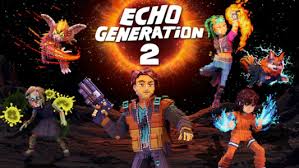
Echo Generation 2: A Cosmic Leap into Deckbuilding Nostalgia
When Echo Generation dropped back in 2021, it felt like stumbling into a lost childhood mixtape. That chunky voxel art, the ’90s small-town vibes mixed with supernatural weirdness, the way it captured being a kid on a bike chasing mysteries—it hit different. So when Cococucumber announced Echo Generation 2 as this big sci-fi deckbuilding pivot, I was equal parts excited and nervous. Would they ruin the magic by going full multiverse? Or had they cooked up something special?
Two days after its May 27, 2026 launch (day one on Game Pass, bless you), I’ve sunk a solid 18 hours into it, and I’m still not done. The verdict? It’s messy in places, brilliant in others, and overall a worthy, if flawed, evolution of the original. This isn’t just a sequel—it’s a full genre swing that pays off more often than it misses.
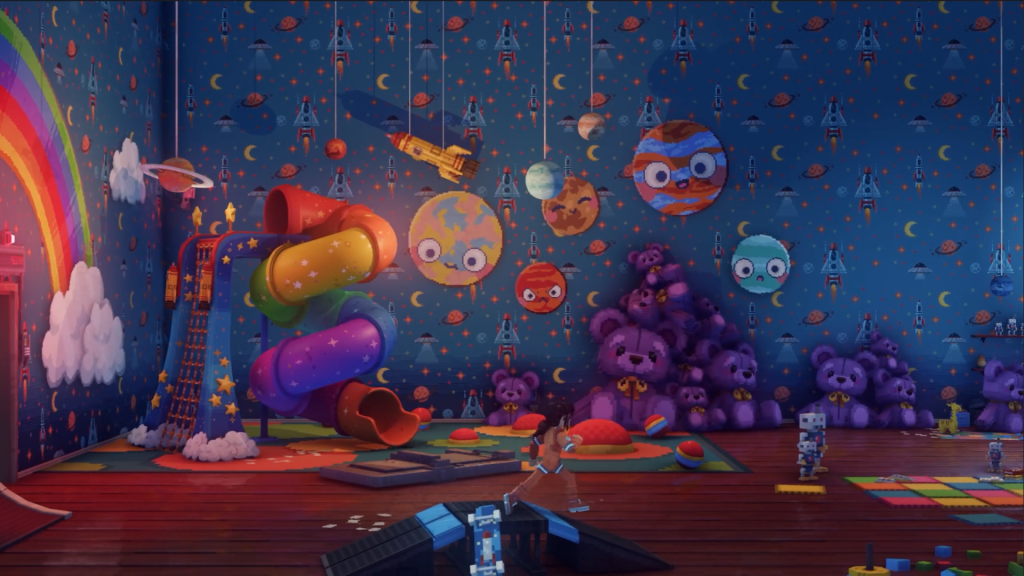
Setting the Stage: From Maple Town to the Multiverse
If you haven’t played the first game (and you really should, especially the Midnight Edition), Echo Generation followed a brother and sister in 1990s Maple Town uncovering a crashed UFO and all sorts of spooky government-adjacent nonsense. Echo Generation 2 flips the timeline. You’re now playing as Jack, the dad from the original, but this is a prequel that dives into his past while tying directly into what his kids experienced later.
The game opens with a family vacation gone wrong. What starts as a seemingly normal road trip spirals into hidden experiments, impossible realities, and a growing cosmic threat. But here’s the clever part: you don’t just follow Jack. The story unfolds across multiple perspectives and chapters, each with its own tone, world, and protagonist. It’s like a sci-fi anthology series you get to play through.
Early on, you choose paths that branch into different starting vignettes. One follows “Sister M,” a psychic kid raised in a shady facility reminiscent of Stranger Things Eleven—complete with government tests and suppressed powers. Another drops you into a dystopian zombie factory world where the undead grind away to power overlords. There’s even a neon-drenched cyberpunk bounty hunter sequence that feels like it stepped out of a vaporwave fever dream. These aren’t just side stories; they converge in satisfying ways as the crew assembles to face the big bad.
The writing shines when it leans into character. Jack starts as this relatable everyman dad—worried about his family, cracking dad jokes, trying to hold it together as the universe unravels. The supporting cast of six playable heroes feels distinct. You’ve got the psychic girl with fragile power but huge heart, the grizzled bounty hunter with trust issues, the zombie mom on a quest for her child (her monochrome world is haunting), and others that I won’t spoil. Their banter during exploration and camp sequences adds real personality. Some dialogues made me chuckle out loud; others hit surprisingly emotional beats about family, loss, and what it means to protect what’s yours across realities.
That said, not every thread lands perfectly. A few mid-game chapters feel like setup without enough payoff, and one reviewer called it “all setup but missed the punchline.” The cosmic horror elements are there—eldritch creatures, reality-warping anomalies—but they sometimes get overshadowed by the deckbuilding loop. The ending? It sticks the landing on themes of connection and legacy tying back to the first game, but the final act has a difficulty spike that frustrated me more than it challenged.
Overall, the narrative earns its epic scope. It’s not reinventing sci-fi, but it wears its influences (Stranger Things, Final Fantasy, a dash of Control) with charm and builds a universe worth caring about.
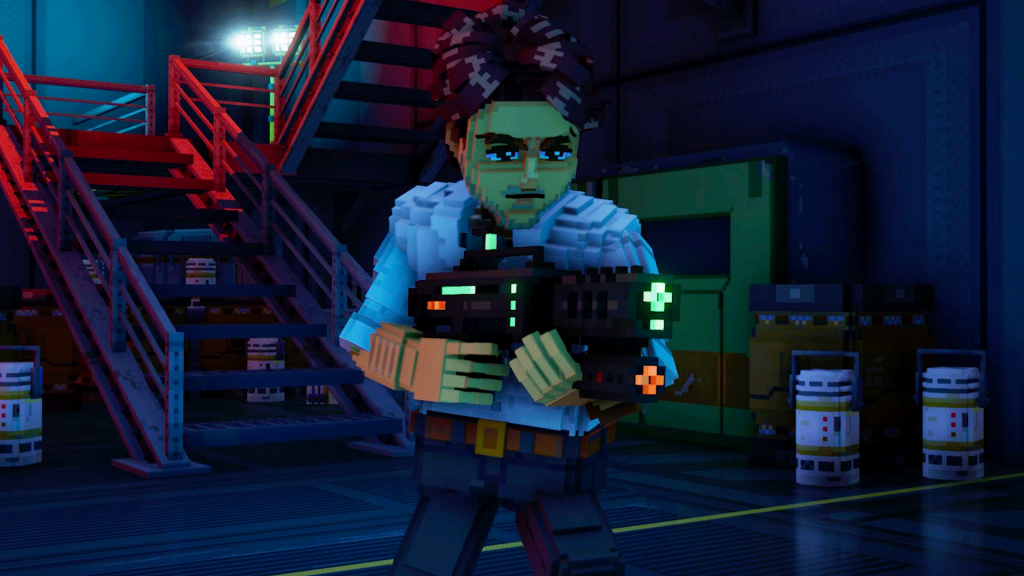
Gameplay: Deckbuilding Done Right (Mostly)
This is where Echo Generation 2 diverges hardest from its predecessor. The original was straightforward turn-based adventure combat. Here, they’ve gone full deckbuilder, and it’s a blast.
You build and customize decks for your active party members (you can swap between the six heroes with different playstyles). There are over 150 cards covering attacks, skills, summons, status effects, and wild combos. Combat is turn-based but feels dynamic thanks to a “battery” system—think energy that builds and can be spent for big plays or saved for defensive bursts.
Status effects are deep. Poison stacks realistically, “echo” effects let cards trigger multiple times under conditions, and some cards interact with the environment (pulling in debris from a shattered reality for bonus damage, for example). Summoning quirky allies mid-fight adds another layer—recruit them through exploration quests, then call them in for assists and synergies.
I found myself experimenting constantly. Early game I leaned heavy on Sister M’s psychic control deck—lots of stun and mind-manipulation cards that let me lock down tough enemies. Later, mixing the zombie mom’s tanky sacrifice plays with the bounty hunter’s high-damage burst cards created some ridiculous synergies. Boss fights especially shine, forcing you to adapt decks on the fly as new mechanics get introduced.
Exploration mixes point-and-click adventure elements with light RPG progression. You’ll wander voxel landscapes, solve environmental puzzles, chat with NPCs, and hunt for card packs, upgrades, and story bits. The overworld isn’t fully open but has enough branching paths and secrets to reward curiosity. Backtracking exists, and yeah, some of it feels tedious, but fast travel unlocks help.
Difficulty is accessible but not brain-dead. Normal mode gave me room to learn the systems without much stress, while Hard mode (which I switched to after Act 1) made me actually think about deck optimization. The endgame spike mentioned earlier comes from a sudden jump in enemy complexity and a boss rush that punishes sloppy builds. A few quality-of-life misses—like limited deck editing outside of safe hubs—hold it back from greatness.
Visuals and Audio: Voxel Magic Upgraded
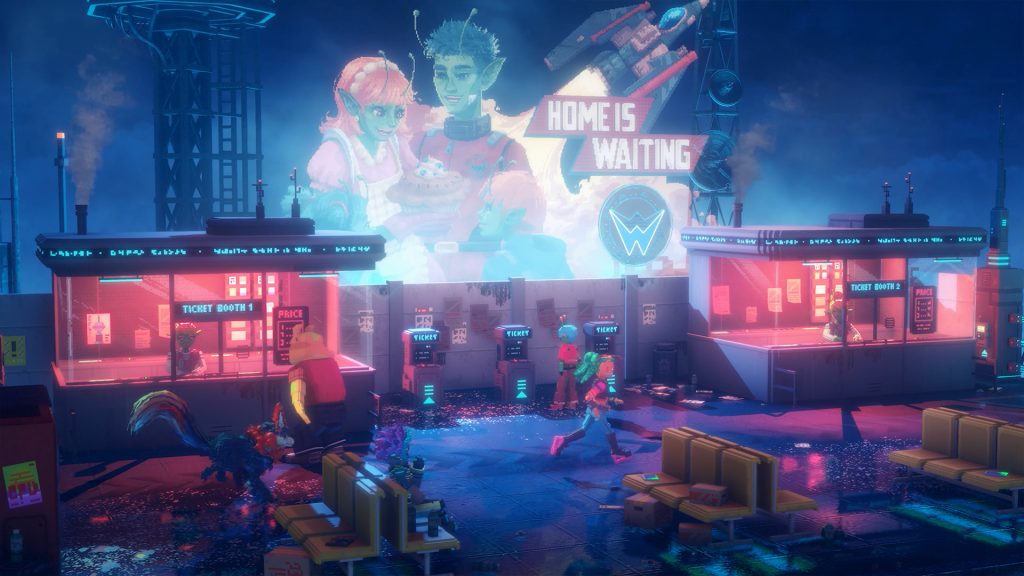
Cococucumber doubled down on their signature chunky 3D pixel art, and it looks gorgeous. The lighting engine got a massive upgrade—dynamic shadows, volumetric effects, neon glows that pop in the cyberpunk sections. Each world feels distinct: the sterile labs of the FST facility, the oppressive gray factories of the zombie realm, the pulsing pinks and blues of neon cities, and the trippy void between realities.
Character animations are smoother than the first game, with expressive faces that sell the emotions during story beats. Combat has weighty impacts and flashy particle effects without getting cluttered. On Xbox Series X it runs buttery smooth at 60fps; PC performance (I played on a mid-range rig) was solid with some tweaking.
The soundtrack deserves special mention. It blends retro synth with orchestral swells and haunting ambient tracks. The main theme slaps hard, and each chapter has its own musical identity. Voice acting is limited but well-done where present—Jack’s weary dad voice particularly stands out.
Strengths and Nitpicks
What works brilliantly:
- The multi-perspective storytelling keeps things fresh.
- Deckbuilding depth rewards creativity without overwhelming.
- Lovable characters and heartfelt moments.
- Stunning voxel worlds that evolve the original’s style.
- Excellent value, especially on Game Pass.
Where it stumbles:
- Pacing issues and some filler backtracking.
- Narrative occasionally bites off more than it chews.
- Controls outside combat feel a bit dated and stiff.
- That late-game difficulty wall.
- Card-building could use more depth for hardcore players.
It’s not a 10/10 masterpiece, but sitting at around 77-80 on aggregate scores feels fair. For fans of the original, it’s a bold evolution. For deckbuilding RPG lovers (Slay the Spire meets Persona vibes with voxel charm), it’s a hidden gem.
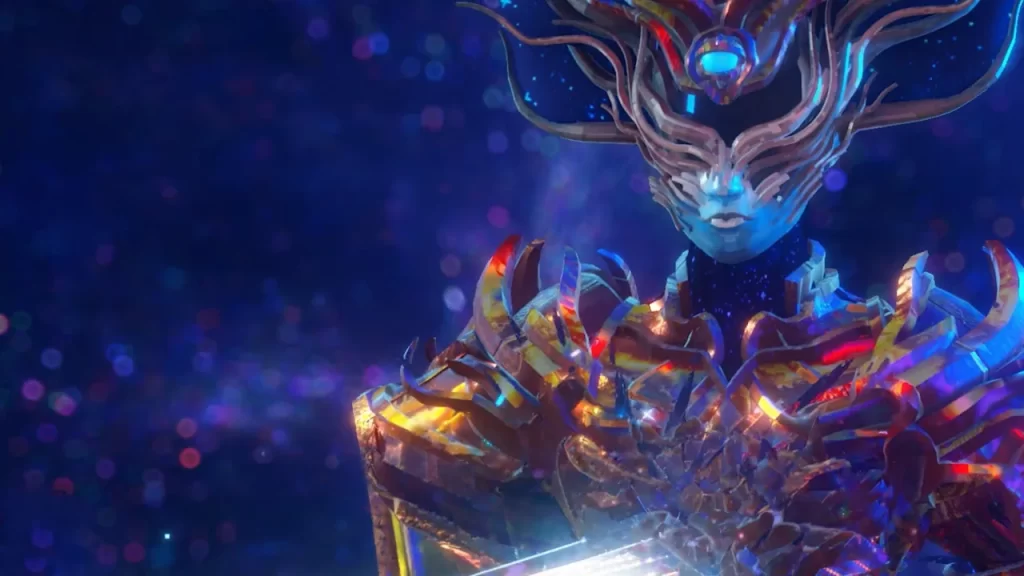
Final Thoughts: Worth the Echo
Two days in, Echo Generation 2 has me hooked. It’s the kind of game that makes you want to talk about it—texting friends about broken combos, theorizing about multiverse connections to the first game, replaying chapters to try new decks. Cococucumber took risks shifting from pure adventure to deckbuilding sci-fi, and while not everything sticks, the heart, creativity, and fun factor are undeniable.
If you’re into narrative-driven games with strong characters, strategic combat, and that perfect blend of nostalgia and fresh ideas, jump in (especially on Game Pass). It might not dethrone your all-time favorites, but it’ll carve out a special place. I’m already planning a New Game+ run to chase achievements and try wild deck archetypes I ignored first time through.
Echo Generation 2 isn’t perfect, but it’s alive with personality in a sea of safe sequels. Dad’s adventure across realities delivers more highs than lows, and that’s worth celebrating. Now if you’ll excuse me, I have a cosmic horror to deckbuild my way through.
