

Argentina 3-2 Egypt: Messi Magic and a Heart-Stopping Comeback Keep the Dream Alive in Atlanta
You know those nights when football feels less like a sport and more like pure theater? When the script gets torn up, the underdog has the heroes on the ropes, and then… well, then Lionel Messi happens. Tuesday, July 7, 2026, at Mercedes-Benz Stadium in Atlanta was exactly that kind of evening. Argentina, the defending champions, were staring down the barrel of a shocking Round of 16 exit against a spirited Egypt side. Trailing 2-0 with just over ten minutes left, they produced one of the great World Cup comebacks, winning 3-2 thanks to a late frenzy sparked by Messi himself.
I was glued to the screen like millions around the globe, heart in my mouth, yelling at the TV as if it could change anything. This wasn’t just a match; it was a reminder of why we love this game. The holders looked mortal—more than mortal, they looked beaten—only to rise like phoenixes from the ashes. Let’s break it all down: the preview, the tactical chess match, the highlights that we’ll be talking about for years, and the final summary of a classic.
Preview: Expectations, Form, and the Weight of History
Heading into this clash, Argentina were the clear favorites on paper. Winners in Qatar 2022, they came into the 2026 tournament as defending champs with a squad still built around the ageless wonder that is Lionel Messi. At 39, Messi was somehow still producing moments of genius, leading the line with that familiar blend of vision, dribbling, and ice-cold finishing. The team had navigated the group stage and a tricky round of 32 against Cape Verde (which went to extra time), showing resilience but also some vulnerability.
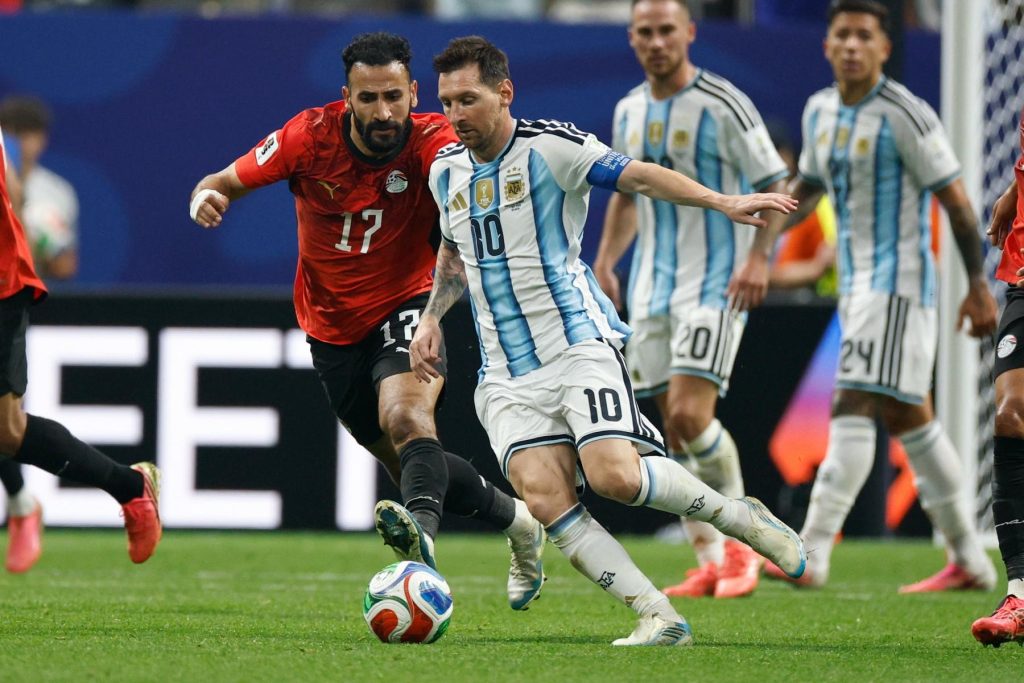
Egypt, on the other hand, were the feel-good story of the tournament so far. Led by coach Hossam Hassan, the Pharaohs had punched above their weight to reach the last 16. They boasted a solid defensive structure, dangerous transitions, and players like Mohamed Salah (though his influence was managed carefully) and emerging talents. Goalkeeper Mostafa Shobeir had been in inspired form, and their set-piece delivery was lethal. This was their first-ever meeting with Argentina in a competitive senior match in quite some time, adding an extra layer of intrigue.
The venue—Atlanta’s Mercedes-Benz Stadium—was packed with over 68,000 fans, a sea of sky blue and white from the Argentine diaspora mixing with Egyptian green. Neutral supporters were there for the spectacle. Weather was typical Atlanta summer: hot, humid, which favored the fitter, more experienced side perhaps, but Egypt had shown they could grind it out.
Tactically, Lionel Scaloni’s Argentina lined up in their familiar setup: Emiliano Martínez in goal; a backline with Nahuel Molina, Cristian Romero, Lisandro Martínez, and Nicolás Tagliafico; midfield trio of Rodrigo De Paul, Alexis Mac Allister, and Enzo Fernández; Messi captaining up top with Julián Álvarez. Egypt went with a compact 4-2-3-1 or similar, relying on counter-attacks and aerial prowess from set pieces. Shobeir between the sticks, Yasser Ibrahim in defense, and Mostafa Zico (often called Ziko in reports) providing midfield energy.
Pre-match buzz was all about Messi’s legacy. Could this be his last World Cup dance? Would Argentina cruise or stumble? Egypt’s fans dreamed of a historic upset, drawing parallels to past African sides that shocked the world. I remember chatting with mates beforehand—most picked a comfortable Argentina win, maybe 2-0 or 3-1. Boy, were we wrong.
Build-Up and First Half: Egypt’s Shock Lead and Messi’s Missed Opportunity
The game kicked off under the blazing lights with Argentina dominating possession early, as expected—around 57% overall by full time, but it felt even higher initially. They probed with patient build-up, Messi dropping deep to link play, De Paul and Mac Allister pulling strings. Egypt sat deep, compact, looking to hit on the break.
Then, the 15th minute: corner from Marwan Attia, whipped in perfectly. Yasser Ibrahim rose like a salmon, powering a header past Martínez. 1-0 to Egypt. The stadium erupted in a mix of shock and delight from the green pockets. Argentina’s defense had been caught napping on the set piece—something that had been a known strength for the Pharaohs.
The holders responded with urgency. Wave after wave of attacks. Around the 21st minute, a penalty was awarded after a foul in the box (Nicolás Tagliafico involved). Messi stepped up—the same Messi who’d carried them through so many battles. But Shobeir guessed right, diving to save it. You could feel the collective groan from Argentina fans worldwide. Messi looked gutted, head in hands briefly, but he shook it off. That’s the mentality of champions.
Egypt grew in confidence. Their midfield harried, Zico and others closing spaces. Argentina created chances—Mac Allister and Álvarez were denied by brilliant Shobeir stops—but the halftime whistle blew with the score 1-0. Argentina had the shots (plenty on target), but Egypt had the lead and the belief. It was a classic “game of two halves” setup, except the drama was just beginning.
In the stands, tension was palpable. Scaloni would have been barking instructions: more width, exploit the channels, get Messi on the ball in dangerous areas. Egypt’s bench was buzzing—Hassan urging them to stay disciplined.
Second Half: The Storm, the Disallowed Goal, and Argentina’s Desperation
The second period started with Argentina pushing harder. Substitutions loomed—Nico González and others came on for fresh legs. But Egypt struck again in the 67th minute. A lightning counter: Haissem Hassan (or similar involvement) down the right, cross or through ball, and Mostafa Zico finished clinically. 2-0. Bedlam. Was this the upset of the tournament?
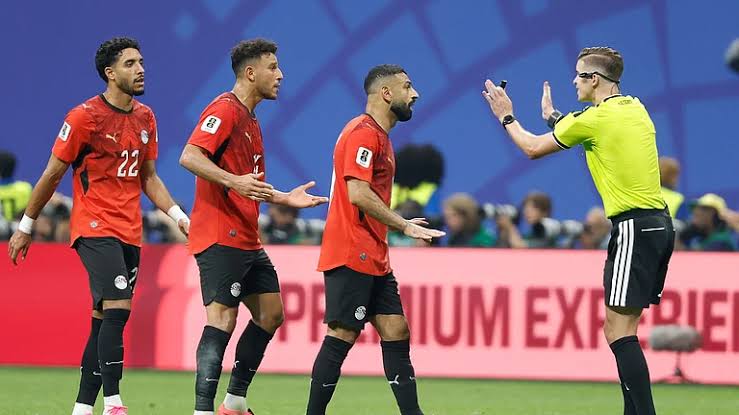
There was a disallowed goal for Egypt earlier in the half (around 59′), Zico’s effort chalked off for a foul on Lisandro Martínez in the build-up via VAR. That would have made it 3-0—talk about a sliding doors moment. Egypt felt aggrieved later too, with claims of a late penalty denied, leading to a red card for staff member Saafan Elsaghir.
Argentina were rocking. Possession high, shots piling up (19 total to Egypt’s 5), but time was ticking. With 11 minutes left, it looked done. Messi, though, wasn’t having it. His experience shone through—he was everywhere, demanding the ball, creating overloads.
Top Highlights: The Comeback That Defined the Match
This is where the magic happened. Three goals in a whirlwind 13-14 minutes that turned despair into delirium.
79th minute – Cristian Romero (1-2): Messi delivers a pinpoint cross from the right. Romero, the Tottenham defender known for his aerial ability and tenacity, meets it with a powerful header. The ball flies in. Hope reignited. The Argentine bench explodes. You could see the shift in momentum instantly—the crowd roared like it was the final itself.
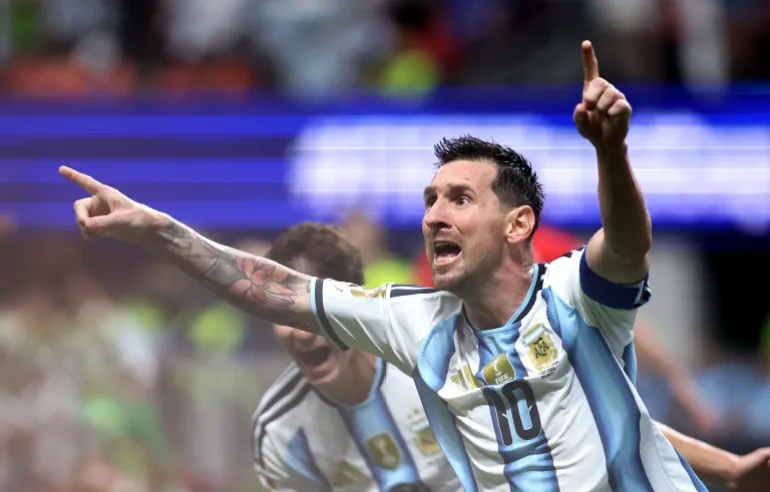
83rd minute – Lionel Messi (2-2): Four minutes later, pure Messi. A loose ball in the box, he pounces, rifles a left-footed strike into the net. His eighth goal of the tournament, extending records. The 39-year-old captain wheeled away, teammates mobbing him. Tears in the eyes of fans everywhere. This equalized and set up a frantic finale. Messi now had a goal and assist in the comeback.
90’+2 – Enzo Fernández (3-2): Stoppage time. Lautaro Martínez (subbed on) curls a delicious cross from the right. Enzo Fernández, the Chelsea midfielder who’s been a rock for club and country, makes a lung-busting run and thumps a header into the far corner. Pandemonium. Argentina 3, Egypt 2. The holders were through.
Other notable moments: Shobeir’s heroics (multiple saves, including the penalty), Egypt’s defensive resolve for so long, the disallowed goal drama, and the raw emotion at full time—Messi in tears, embracing everyone, the Egyptian players devastated but proud.
Stats tell part of the story: Argentina 19 shots to 5, higher possession, more pressing. But Egypt’s xG was competitive until the end, and they defended like lions. Fernández covered massive distance; Messi led in key passes and creativity.
Tactical Analysis: Why Argentina Won (Barely) and Lessons for Both Sides
Scaloni’s men showed championship pedigree in the clutch. Their high press eventually wore Egypt down, and the introduction of attackers like Lautaro Martínez provided the width and finishing missing earlier. Messi’s free role was pivotal—he wasn’t just scoring; he was orchestrating. The midfield trio (Fernández especially) transitioned from containment to attack seamlessly in the final stages.
Egypt, credit where due, executed Hassan’s plan brilliantly for 70+ minutes. Compact shape, effective set pieces, clinical finishing on the break. Zico’s goal was a masterpiece of counter-attacking football. Their Achilles’ heel? Experience at this level against a side that refuses to die. They tired late, and small errors (marking on crosses) proved fatal. Still, they exit with heads high—this run will inspire a generation back home.
VAR decisions, refereeing (François Letexier), and the atmosphere added layers. Argentina weren’t at their fluid best overall—they’ve looked shaky in knockouts—but heart and quality prevailed. This wasn’t pretty dominance; it was gritty survival.
Summary and What It Means Going Forward
Final score: Argentina 3-2 Egypt. A match for the ages. The defending champions advance to the quarter-finals, where they’ll face the winner of Colombia vs Switzerland. Messi keeps his World Cup story going, now with added chapters of drama. For Argentina, it’s relief mixed with a warning—they can’t keep flirting with elimination. For Egypt, pride in a valiant effort that nearly toppled giants.
As the final whistle blew, confetti fell, players collapsed in exhaustion and joy. I sat back, replaying those last 15 minutes in my head. Football, eh? It breaks your heart and mends it in the same breath. Argentina live to fight another day, Messi still the maestro at 39. This tournament just got even more special.
What a night in Atlanta. If the rest of the knockout stages deliver half this drama, we’re in for a treat. Vamos Argentina—but next time, maybe start stronger, lads?
