
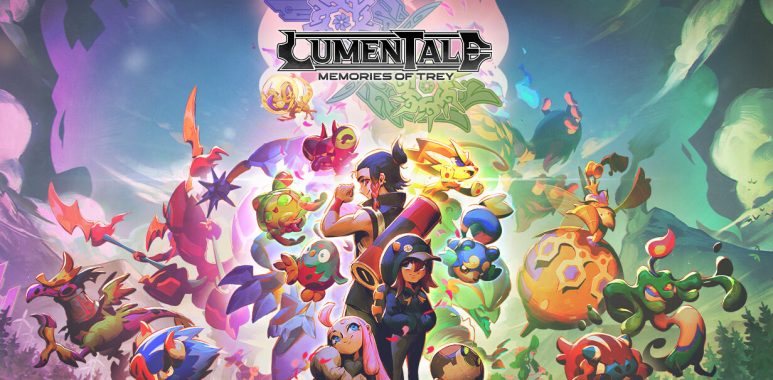
Lumen Tale: Memories of Trey – A Heartfelt Monster Tamer That Almost Nails the Landing
Three days ago, on May 26, 2026, LumenTale: Memories of Trey dropped onto Steam and Nintendo Switch (with other platforms following). Developed by the small Italian studio Beehive Studios and published by Team17, this indie monster-collector RPG has been quietly building hype among fans tired of the usual suspects. At around $25, it promises a beautiful world, emotional storytelling, and fresh twists on a formula we’ve loved for decades. After pouring nearly 20 hours into it over this launch weekend, I can say it’s one of the more charming entries in the genre in recent memory—flawed, yes, but genuinely passionate.
Let me get this out of the way: if you’re burned out on Pokémon clones, LumenTale might not fully convert you. But if you still chase that magical feeling of wandering through tall grass, bonding with weird creatures, and uncovering a world’s secrets, this one has heart to spare.
First Impressions and the World of Talea
The game opens with Trey—our amnesiac protagonist—waking up in the Scarlet Woods, confused and with a robotic arm that hints at deeper sci-fi elements. He’s found by Ales, a spunky kid, and brought to the home/lab of Dr. Kapan in the cozy seaside town of Iris Hamlet. From the jump, the writing feels warm and character-driven rather than purely plot-dump heavy. Trey isn’t your typical silent hero; he has personality, doubts, and a quiet curiosity that makes him relatable.
Talea, the continent you explore, feels alive in a way many indie games struggle with. It’s divided into distinct regions—lush forests, misty mountains, ancient ruins, bustling ports—each with their own culture, Captains (basically gym leaders), and lore. The world-building draws from classic monster tamers but layers on a unique system involving “Anivis,” this emotional energy that connects humans and Animon. Memories aren’t just a plot device; they tie into mechanics and themes in thoughtful ways.
I found myself genuinely invested in the side characters. Ales and his robotic companion Moka provide comic relief and emotional stakes early on. Later companions and rivals have their own arcs that intersect with Trey’s search for his past. It’s not revolutionary storytelling, but it’s executed with sincerity. Some late-game twists (no spoilers) actually landed emotionally for me, which is rare in this genre.
The amnesia trope could have been cliché, but the game uses it well—piecing together Trey’s identity through flashbacks, conversations, and choices that slightly branch the narrative. It’s not a full branching RPG like Disco Elysium, but your dialogue options and team-building subtly influence relationships and endings.
Visuals That Punch Above Their Weight
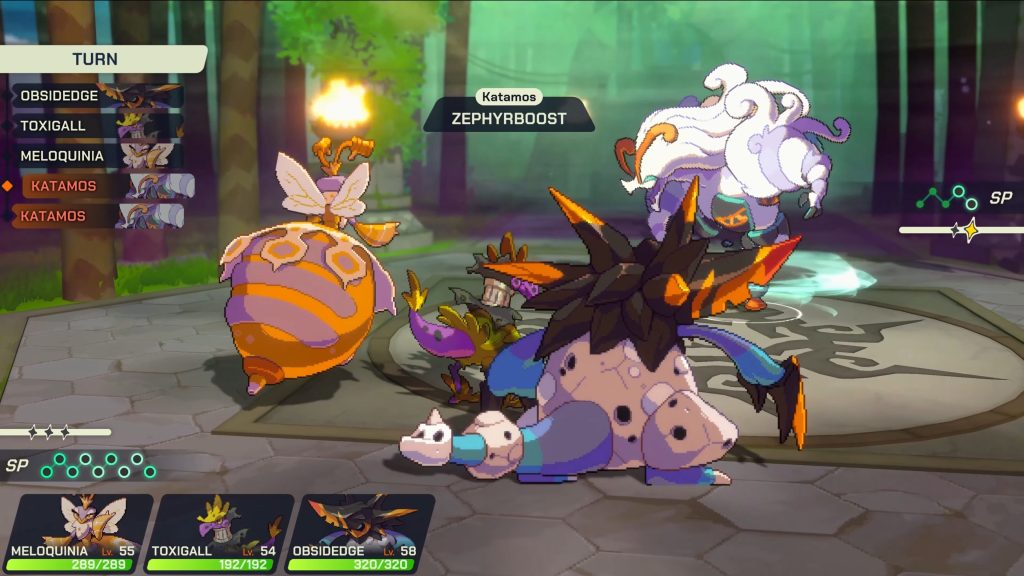
This is where LumenTale shines brightest. It uses a gorgeous HD-2D style—2D pixel art sprites for characters and Animon against detailed 3D environments. Think Octopath Traveler meets a more vibrant, storybook aesthetic. The lighting is phenomenal: golden hour sunsets over Iris Hamlet, glowing particles in forest clearings, reflective water in coastal areas. On Switch, it holds up remarkably well in handheld mode, though docked play shows some occasional frame dips in busier areas.

The Animon designs are a standout. There are over 150 creatures (from what I’ve gathered so far), ranging from cute woodland spirits to majestic elemental beasts and some surprisingly dark, lore-heavy ones. My early favorite is a little fox-like creature called Lumin that evolves into a multi-tailed guardian with flowing energy ribbons. The animations during battles and overworld interactions feel lively—tail wags, playful jumps, dramatic attack flourishes. No stiff Pokémon-style idle poses here.
Environments overflow with detail: NPCs have daily routines, hidden paths lead to secret groves with rare Animon, and the cities feel lived-in with markets, festivals, and lore tablets. Exploration rewards curiosity without frustrating backtracking, thanks to fast travel that unlocks reasonably. One small gripe: some areas feel a bit empty at times, like the developers focused polish on key locations.
Gameplay Loop: Collecting, Battling, and Bonding
At its core, LumenTale is a monster collector. You use a device called the Holoken to capture and battle Animon. Capturing feels satisfying—timing-based mini-games add a light skill element without being punishing. Once caught, you build a team of up to six.
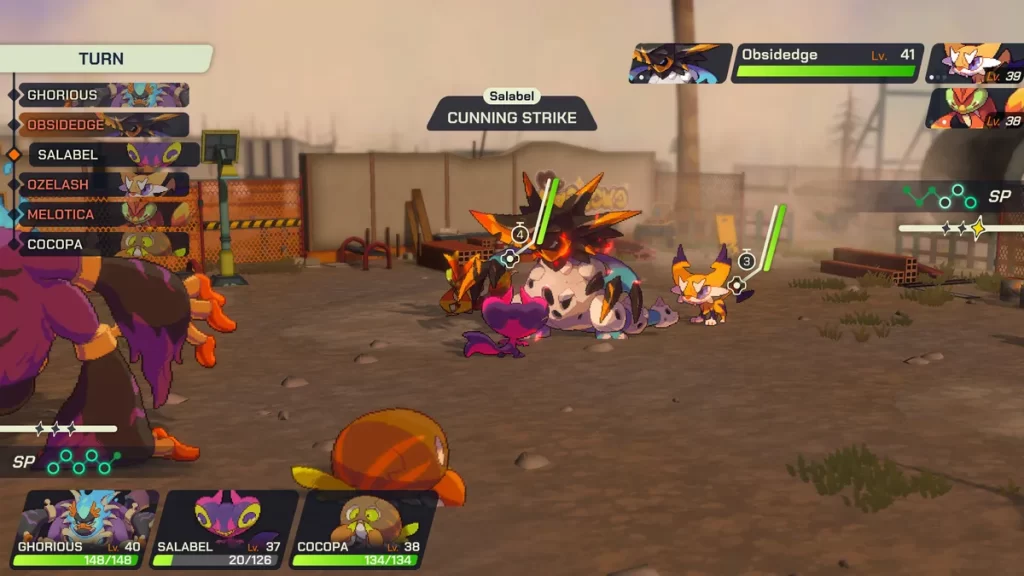
The battle system is turn-based but with smart twists. Each Animon has attributes and types (more than the usual fire/water/grass; there’s emotional resonance like Joy, Sorrow, Rage that interact dynamically). The standout feature is the “Lumen Gauge”—filling it through successful actions grants extra turns or powerful synergy moves. It encourages aggressive, strategic play rather than just spamming super-effective attacks. Type matchups reward experimentation, and status effects feel impactful.
Team-building is deep. Animon can learn skills from various categories, and there’s a flexible stat distribution system (not rigid EVs) that lets you tweak roles on the fly. Breeding and fusion-like mechanics open later, adding longevity. I spent hours optimizing my squad for different Captain challenges, and it never felt grindy thanks to generous EXP share and auto-battle options for repetitive encounters.
Pacing, however, is uneven. The early game throws tutorials and story at you rapidly, making it feel overwhelming. Mid-game opens up beautifully for exploration and side content. Late-game has some balance issues—certain Animon and strategies dominate if you’re not careful. Boss fights are generally excellent, mixing puzzle elements with tough type checks.
Side activities keep things fresh: ambient puzzles, minigames (fishing, creature racing, emotion-infused crafting), and a robust post-game with new areas and legendary hunts. Online features include trading and 2-player battles, though the player base is still growing this early.

Audio and Atmosphere
The soundtrack is excellent—composed with a mix of orchestral swells, chiptune-inspired melodies, and ambient tracks that evolve with the story. Battle music pumps you up without being repetitive, and town themes capture the cozy-to-epic journey perfectly. Voice acting is limited but well-done for key moments; most dialogue is text with strong writing.
Sound design shines in battles—each Animon has distinct cries and effect noises that make summons feel weighty.
Pros and Cons – The Honest Take
What works brilliantly:
- Stunning visuals and world that invite exploration.
- Engaging combat with meaningful strategy.
- Charming characters and a story that improves as it goes.
- Quality-of-life features (auto-save, generous capture rates, flexible team management).
- Strong sense of progression and discovery.
Where it stumbles:
- Occasional technical hiccups (especially Switch performance).
- Pacing issues and some empty-feeling zones.
- Tutorial overload early on; lack of hand-holding in other areas.
- Balance could use patches (some types/strategies feel overtuned).
- Story starts slow for players eager to jump into collecting.
Steam reviews sit at “Mostly Positive” around 73% as of this writing, with many praising it as a fresh take and others noting launch bugs being addressed quickly.
Who Should Play It?
If you loved classics like Pokémon but want something with more narrative depth and prettier presentation, LumenTale delivers. Fans of Cassette Beasts, Coromon, or Monster Sanctuary will feel right at home but appreciate the emotional focus. At $25 with solid post-game content, it’s excellent value. Completionists could sink 40-60+ hours easily.
It’s not perfect—no monster tamer since the glory days has been flawless—but LumenTale feels like a labor of love from a passionate team. Beehive Studios has created something special here, a world worth remembering alongside Trey.
In a year full of big releases, this little indie slipped in and reminded me why I fell in love with the genre: the joy of discovery, the bond with digital creatures, and the quiet satisfaction of uncovering hidden stories. It might not dethrone your all-time favorites, but it’ll carve out a warm spot in your library.
Final Score: 8.2/10 – A beautiful, heartfelt adventure that shines brighter than many bigger-budget attempts. Highly recommended for genre fans.
