
The Relic: First Guardian review
A World Swallowed by the Void
The setup is familiar if you’ve played any number of post-apocalyptic fantasy games. A once-prosperous land is protected by a Great Relic. That relic gets destroyed. The Void rushes in. People and places twist into something monstrous. You wake up as an amnesiac First Guardian, guided by a mysterious dark maiden who clearly knows more about your past than she’s saying, and your job is to gather the scattered pieces of the Relic, restore some kind of order, and close the Void.
What sets the narrative approach apart is the heavy focus on small, tragic stories rather than a grand central plot that constantly demands your attention. The world is littered with notes, ghostly echoes, abandoned villages, and personal relics. Each one fills in a fragment of someone else’s life that went wrong—families burned out of their homes, knights who fled when they should have stood, fathers who became monsters through desperation or broken promises. Many of these draw from Korean folklore and mythology, twisted into darker shapes. When it works, it feels like walking through a collection of short stories instead of a single epic.
The problem is that the delivery often undercuts the emotion. English translation can read like awkward poetry that never quite lands. Descriptions of items and skills meander without clearly explaining what they actually do. A lot of the spoken dialogue uses AI-sounding voice work that makes already bleak stories feel even more hollow. You’ll follow a trail of texts about some poor soul named something generic like Gus or Taylor, fight through some enemies, and then face “Gus the Accursed” as a boss. The intention is clear and sometimes affecting. The execution frequently feels lifeless.
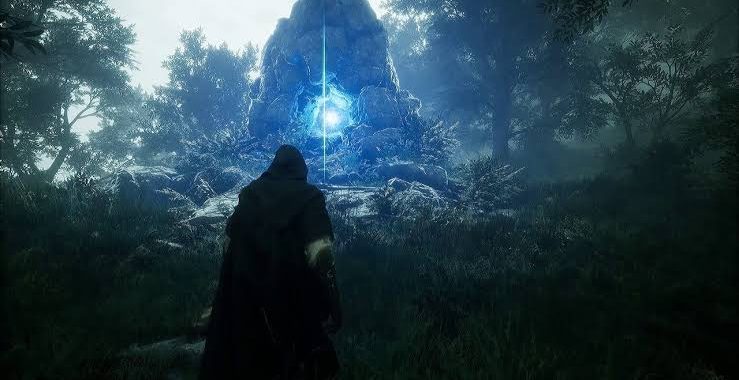
The semi-open world itself is interconnected but constrained by cliffs and natural barriers. Exploration is encouraged—there are side paths, hidden dungeons, and glowing yellow stones that act as your checkpoints (restoring health and healing items, serving as respawn points, and sometimes unlocking fast travel). The atmosphere can be genuinely haunting when the fog rolls in and the ruined villages sit silent under a gray sky. At its best it captures that melancholy soulslike feeling of a place that has already lost.
At its worst, the world feels bloated and repetitive. You’ll see the same farm layouts, the same handful of enemy types, and the same foggy foliage over and over. Asset placement sometimes looks random—boulders blocking checkpoints, trees and debris thrown around with no apparent care. Rewards for exploration are often underwhelming: the same small piles of gold, the same modest relic points. By the later stretches I found myself ignoring a lot of the side content because the payoff rarely justified the slog.
Combat That Tries Something Different
This is where the game shows the most personality. Traditional soulslikes make you carefully manage a stamina bar that drains on nearly every action. The Relic: First Guardian flips that. Attacks cost nothing. You can swing, combo, and keep pressure on almost indefinitely. Stamina is reserved almost entirely for defense—dodging, blocking, and parrying. Magic abilities sit on cooldowns instead of a mana pool. Skills work the same way.
The result is a more aggressive, free-flowing style of fighting once you get used to it. You’re encouraged to stay on the offensive, then carefully time your defensive moves when the enemy commits. There are five main weapon types: sword and shield, longsword, two-handed weapons, daggers, and battle staff. Each has its own skill tree fueled by Ancient Relic Energy you find while exploring. You can mix and match to create builds that feel distinct. Weapons themselves are unique—no duplicates—and many come with their own short tragic backstories.
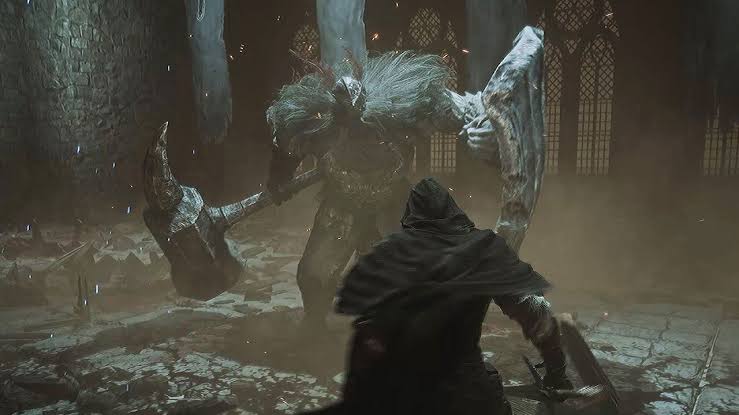
Parrying is generous and central. Fill an unseen stagger bar through successful parries or specific attacks, then unload with stronger face-button skills. Timing still matters. Animations have weight, and mistiming a dodge or block can leave you open long enough to eat a big hit. It feels closer to older Dark Souls or Demon’s Souls in spirit than the hyper-responsive modern takes, which some players will love and others will find clunky.
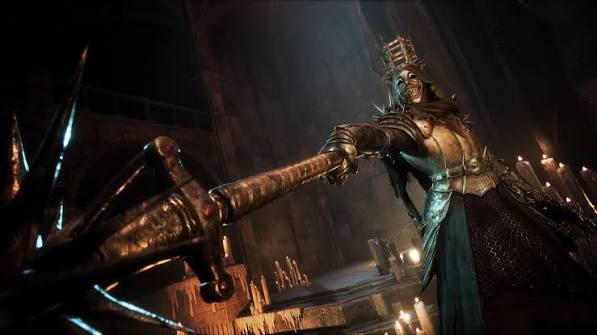
Bosses—up to around 80 of them, marketed heavily as “Brutals”—are the clear highlight for many. Each is tied to one of those small folktales. A gluttonous monster who was once a sick young man given a cursed “cure.” A knight who abandoned his comrades and now fights surrounded by spectral reminders of his cowardice. A father who starved and became something worse. The variety in design and required approach is real. Some demand patience and perfect parries. Others force you into pure dodging and hit-and-run. A few have cheap one-shot or status effects that feel more frustrating than fair, especially when arenas are cluttered with debris that wrecks the camera.
When a boss fight clicks, it’s satisfying. You learn the pattern, adapt your weapon or relics, and finally put a tragic story to rest. When it doesn’t—or when technical issues interfere—it becomes a slog of repeated deaths that feel unfair rather than earned.
Progression Without Levels
There is no traditional leveling or attribute points. Your power comes almost entirely from what you equip. Relics (runes/fragments) carry passive effects drawn from the emotions and final wishes of the people who left them behind. Armor boosts stats. Weapons upgrade at a blacksmith using gold and materials. Skill trees expand your options. You can swap things freely at certain points, which supports experimentation.
In theory this is elegant. In practice the economy can feel grindy. Gold comes in small, repetitive amounts. Upgrades sometimes feel incremental. By the later areas some players (myself included) start questioning whether the constant scavenging is still worth the time. The system rewards curiosity and thorough exploration more than pure combat prowess, which fits the game’s storytelling focus but can slow the pace.
The Rough Edges That Can’t Be Ignored
Technical problems are the biggest issue right now. Performance dips are common—frame rates dropping hard in denser areas or during certain boss fights. Inputs sometimes fail to register. Fog walls after bosses can refuse to lower. Cameras go wild around environmental clutter. Voice lines and subtitles don’t always match. One reviewer described a final boss where half the controller buttons stopped working until they took damage. Save-related issues and the need to reload to fix soft locks crop up often enough to become exhausting.
A day-one patch is rolling out (scheduled for around 4pm BST on launch day) that promises better field quality, richer exploration, combat fixes, voice-over improvements, and performance work. Early review copies were clearly not in final shape, and the publisher has been open about that. Whether the patch elevates the experience from “frustrating but interesting” to something more consistently playable remains to be seen. Existing saves may be wiped by the update in some cases, so be prepared to restart if you jump in immediately.
Graphically the game has moments of atmospheric beauty—ruined landscapes under oppressive skies, the eerie glow of relics, the visual flair of certain boss arenas. It also looks dated and flat in too many places, with samey environments and effects that don’t always sell the weight of the combat.
Who This Is For
If you’re a soulslike completionist who loves digging into environmental stories, trying aggressive combat systems that break the usual stamina rules, and fighting a large number of bosses with individual lore, there is something here worth experiencing—especially once the patch lands and if the price drops a bit from the $50 range. The Korean folklore angle gives it a flavor that stands out from the endless European medieval dark fantasy clones.
If you need polished performance, responsive controls, meaningful exploration rewards, or writing that consistently lands its emotional punches, this is going to frustrate you. The ambition of a twelve-person team working for years is admirable. The final product still feels like it needed more time in the oven.
I came away with mixed feelings. There were stretches where the tragic little stories and the freedom of the combat system pulled me forward. There were longer stretches where I was just grinding through repetitive areas, fighting camera and input issues, and wondering why I was still playing. The bosses keep the lights on. Everything between them often dims them.
The Relic: First Guardian is a game with a clear point of view and some genuine ideas. Right now those ideas are struggling under the weight of execution problems. Give the day-one patch a chance to do its work, check recent player reports, and decide if the melancholy world of Arsiltus is worth the fight. For some it will be. For many others, there are cleaner, more consistent options in the genre that deliver similar thrills without the constant friction.
I’ve finished my time with it for now. The Void can keep the rest of those fragments a little longer.
