

Zimbabwe Clinch Thrilling 13-Run Victory Over Bangladesh in Second ODI
Zimbabwe pulled off a dramatic 13-run victory over Bangladesh in the second One Day International at Harare Sports Club on Thursday, keeping the three-match series alive in thrilling fashion. The hosts defended a competitive total of 278 for eight after a disciplined bowling effort that restricted the visitors to 265 all out in the final over. This win levels the series at one apiece after Bangladesh had taken the opener, setting up a decisive third match that promises even more excitement for cricket fans in the region.
The atmosphere at Harare Sports Club was electric from the start, with a decent crowd turning up to support the home side under clear skies typical of a Zimbabwean winter day. Temperatures hovered around the mid-teens, providing ideal conditions for cricket, though the pitch offered a bit of assistance to the seamers early on before flattening out nicely for batting. Zimbabwe captain Craig Ervine won the toss and elected to bat first, a decision that looked spot on as his side posted a challenging score despite losing early wickets.
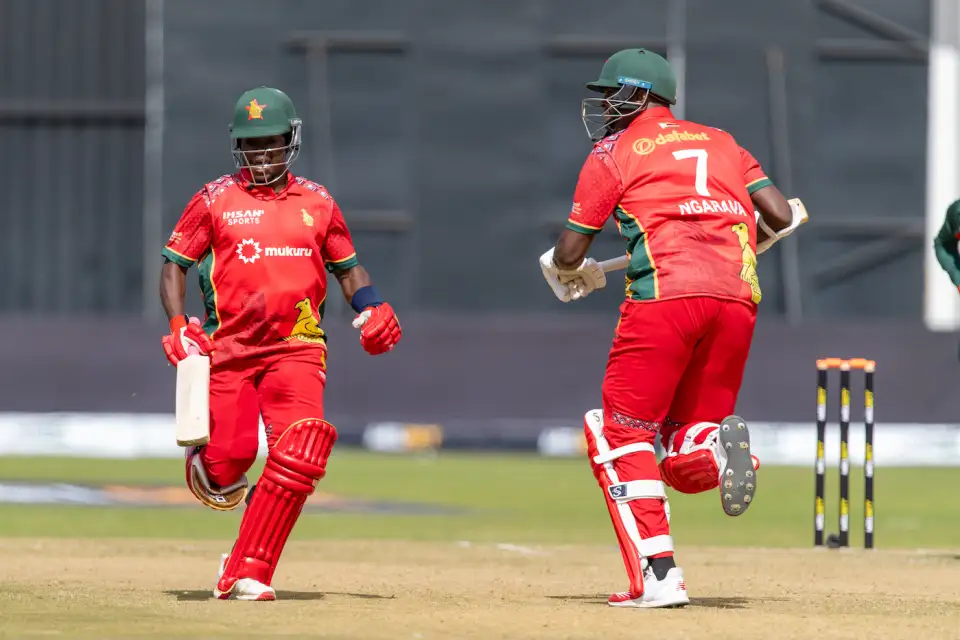
Zimbabwe’s innings was built on solid partnerships and cameos from their middle order. Openers Tinashe Kamunhukamwe and Wessly Madhevere got off to a cautious start against a sharp Bangladesh new-ball attack led by Taskin Ahmed and Mustafizur Rahman. Kamunhukamwe fell for 22 in the eighth over, caught behind off Taskin, but Madhevere hung around to score 45 off 62 balls, providing the foundation. The real momentum shifted when Sean Williams joined Ervine at the crease. The left-handed pair added 87 runs for the third wicket, with Williams playing some exquisite drives and cuts that had the crowd on their feet.
Williams eventually departed for 68 off 74 deliveries, but not before he had accelerated the scoring rate. Ervine, ever the reliable anchor, notched up 52 before holing out in the deep. The lower order then chipped in effectively. Sikandar Raza, returning from a minor niggle, smashed 39 off 28 balls, including three sixes, while Ryan Burl contributed a quickfire 31. Bangladesh’s spinners, particularly Shakib Al Hasan and Mehidy Hasan Miraz, tried to stem the flow but leaked runs in the middle overs. Mustafizur picked up three wickets, including the dangerous Raza, but his economy suffered as Zimbabwe pushed towards the 270 mark.
By the time the innings closed at 278 for eight in 50 overs, Zimbabwe had set a target that looked gettable on a good batting surface but one that would require Bangladesh to play with discipline. The home bowlers, led by the experienced Richard Ngarava and the emerging Blessing Muzarabani, had their plans clear: use the short ball and variations to disrupt the rhythm of the Bangladesh batters.
Bangladesh began their chase aggressively. Litton Das and Tanzid Hasan started with intent, putting on 48 runs in the powerplay. Litton looked in sublime touch, dispatching anything loose to the boundary with elegant strokes. However, Ngarava struck in the seventh over, trapping Tanzid lbw for 19. This brought Soumya Sarkar to the crease, and for a while, the pair with Litton kept Bangladesh in the hunt. Litton reached his half-century off just 48 balls, but his innings ended abruptly when he edged Muzarabani to the keeper for 64.
The middle order collapse was the turning point. Shakib Al Hasan, promoted up the order, managed only 12 before being bowled by a beauty from Raza. Mushfiqur Rahim and Mahmudullah tried to rebuild, adding 62 valuable runs, but the required run rate was climbing steadily above seven an over. Mushfiqur played a gritty knock of 47, full of determined defense and occasional boundaries, but he fell to a sharp catch in the outfield off Ngarava.
Mahmudullah top-scored for Bangladesh with 71 off 82 balls, showing his experience in anchoring the innings. He found support from the lower order, with Miraz and Taskin chipping in with quick runs. The equation came down to 38 runs needed off the last four overs with three wickets in hand. It was anyone’s game at that stage. Zimbabwe’s fielding tightened up, with some brilliant stops from Madhevere and Burl preventing crucial boundaries.
The death overs were tense. Muzarabani, bowling with pace and accuracy, removed Miraz and then Taskin in consecutive deliveries in the 48th over, swinging the momentum decisively. Mahmudullah fought valiantly, hitting a couple of sixes, but with 14 needed off the final over and only one wicket left, the pressure proved too much. Ngarava held his nerve, conceding just one run off the first three balls before bowling Mahmudullah with a yorker. The last man, Mustafizur, could only manage a single before being run out attempting a risky second.
Zimbabwe’s players erupted in celebration as the home crowd roared in approval. This victory was particularly sweet for the hosts, who have often struggled against stronger subcontinental sides in recent years. It highlighted the depth in their squad and the growing confidence under Ervine’s leadership.
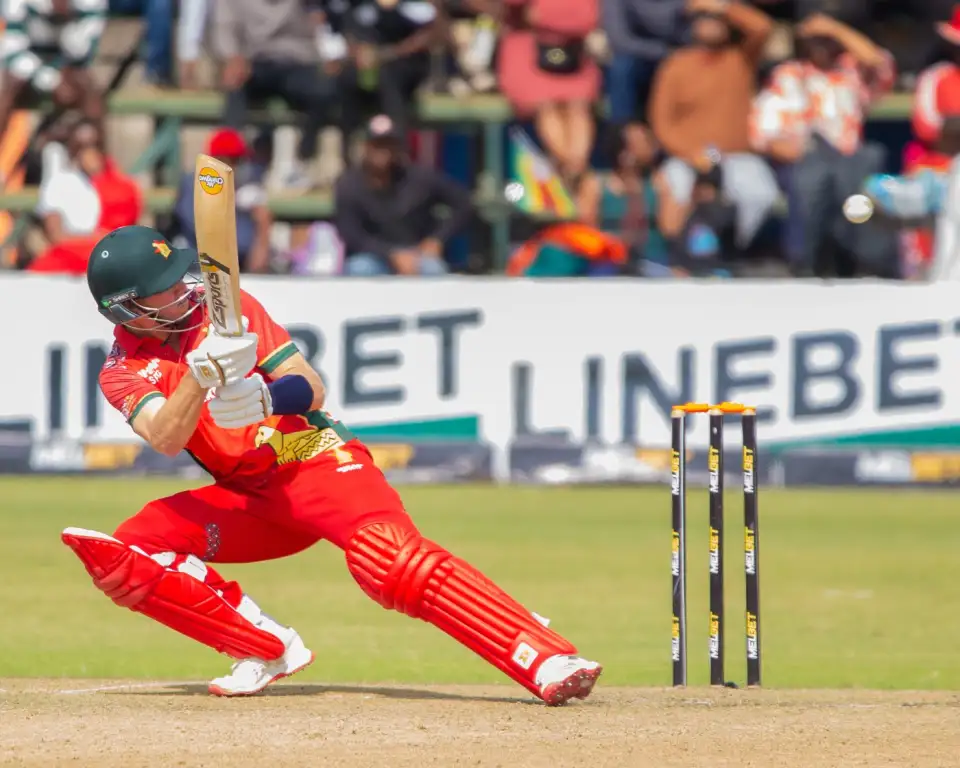
Reflecting on the match, Ervine praised his team’s bowling unit. “The boys showed real character today. We knew the pitch would get better for batting, so setting 270 plus was crucial. Our bowlers executed the plans perfectly, especially in the middle and death phases.” He singled out Muzarabani for his match-winning spell of four for 42, which earned him the player of the match award. Muzarabani, a tall fast bowler with a whippy action, has been a revelation in this series, using his height to extract bounce and discomfort the batters.
Bangladesh captain Najmul Hossain Shanto was gracious in defeat but pointed to missed opportunities. “We were in a good position at several stages but failed to capitalize. Credit to Zimbabwe for bowling well under pressure. We will come back stronger in the decider.” Shanto himself had a quiet game with the bat, scoring just 8, which added to the visitors’ woes.
This result adds another chapter to the cricketing rivalry between these two nations. Historically, Bangladesh have dominated Zimbabwe in limited-overs cricket, but the hosts have shown improvement, especially at home. The first ODI saw Bangladesh chase down a target of 245 with six wickets in hand, thanks to a century from Litton Das. That win gave them early momentum, but Zimbabwe’s response in the second match demonstrated resilience and tactical acumen.
Delving deeper into the Zimbabwean batting, the contribution of the top six was vital. Madhevere’s opening knock stabilized the innings after the early loss of Kamunhukamwe. His ability to rotate the strike and punish width was commendable. Williams, known for his aggressive left-arm spin and batting prowess, once again proved why he remains a cornerstone of the side. His partnership with Ervine not only steadied the ship but also shifted the pressure back onto the Bangladesh bowlers.
Raza’s explosive innings injected much-needed acceleration. His three sixes, one of which sailed over the midwicket boundary into the stands, lifted the total significantly. The all-rounder’s dual role cannot be overstated; he also picked up two wickets with his off-spin, including the crucial dismissal of Shakib. Burl, often underrated, played a mature hand in the lower middle order, ensuring Zimbabwe did not lose wickets in clusters towards the end.
On the bowling front for Bangladesh, Taskin Ahmed was the pick with figures of three for 55. His ability to swing the new ball and then vary his pace in the death overs kept him as a constant threat. Mustafizur, despite taking three wickets, went for over six runs an over, which proved costly. The spinners struggled to contain the Zimbabwe batters on a pitch that did not offer much turn.
For Bangladesh’s chase, the early momentum from Litton and Tanzid was promising, but the regular fall of wickets prevented them from building a substantial platform. Sarkar’s brief stay ended when he miscued a pull shot off Ngarava. The middle order found it difficult to accelerate against the varied Zimbabwe attack. Ngarava finished with three for 48, while Muzarabani’s four wickets dismantled the lower order.
Fielding played a subtle but important role. Zimbabwe were sharper in the outfield, with several diving stops and accurate throws that restricted Bangladesh to singles when boundaries were on offer. Dropped catches on both sides added to the drama, but Zimbabwe capitalized better on their chances.
Looking ahead to the third and final ODI, both teams will be eager to claim the series. Zimbabwe will rely on their home advantage and bowling strength, while Bangladesh will look to bounce back with their batting firepower. Key players like Raza and Muzarabani for the hosts, and Litton and Shakib for the visitors, could decide the outcome.
This match will be remembered for its see-saw nature and the fighting spirit shown by Zimbabwe. In a sport where margins are often slim, a 13-run win feels like a comprehensive triumph when achieved through collective effort. Fans left the ground buzzing, anticipating more high-quality cricket in the decider.
Beyond the on-field action, the match highlighted the growing infrastructure in Zimbabwean cricket. The Harare Sports Club pitch was well-prepared, offering a fair contest between bat and ball. Ground staff deserve credit for maintaining standards despite challenging weather patterns in recent times. Attendance figures, though not record-breaking, showed solid local support, which is crucial for the development of the game in the country.
Player development stories also emerged from this encounter. Young talents in both squads gained valuable experience. For Zimbabwe, the likes of Kamunhukamwe and Madhevere are part of a new generation stepping up. Bangladesh, with their depth in spin bowling and explosive batting, continue to evolve as a competitive unit in international cricket.
Post-match presentations featured heartfelt speeches. Muzarabani, in his acceptance, dedicated the award to his family and teammates. “This is for the hard work we put in during training. Winning at home is special.” Ervine echoed the sentiment, emphasizing team unity.
As the series heads to the final game, cricket enthusiasts worldwide will tune in. The contest underscores how ODI cricket remains a format full of strategy, skill, and unpredictability. Zimbabwe’s victory by 13 runs in this second ODI not only evens the series but also boosts morale ahead of future challenges in global tournaments.
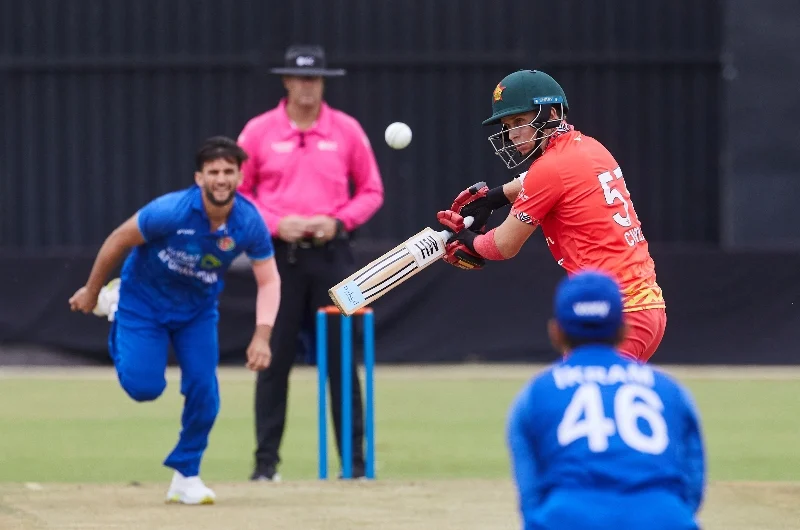
In summary, this was a match defined by resilience from the home side and near-misses for the visitors. Every run, every wicket, and every fielding effort contributed to a memorable afternoon of cricket. Zimbabwe deserved the win for their superior execution in the crucial moments, and Bangladesh will undoubtedly learn from their shortcomings to mount a stronger challenge next time.
The statistical breakdown further illustrates the closeness. Zimbabwe scored at a run rate of 5.56, while Bangladesh managed 5.30 in their chase. Boundary count favored the hosts slightly, with 28 fours and seven sixes compared to Bangladesh’s 25 fours and six sixes. Such details reveal the fine margins in high-stakes encounters.
Coaches from both teams will spend the coming days analyzing footage, tweaking strategies, and ensuring players recover well. The decider promises to be a blockbuster, potentially drawing even larger crowds and showcasing the best of what these two teams have to offer.
Zimbabwe’s rise in this match serves as a reminder that in cricket, form is temporary but class and determination endure. For Bangladesh, the focus will be on converting promising positions into victories. As the sun set over Harare, the scoreboard told the story of a hard-fought battle that ended in home triumph.
This 13-run victory will linger in the memories of players and fans alike, fueling excitement for what lies ahead in the series. Cricket continues to unite and thrill, and this encounter was a perfect example of its enduring appeal.
