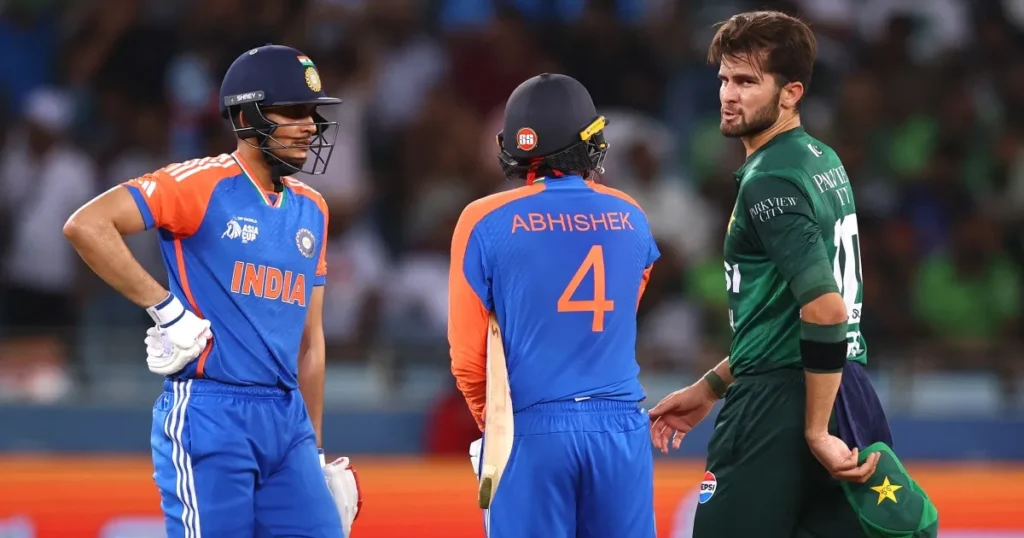

India’s Dominant Statement: Crushing Pakistan by 61 Runs in High-Stakes Super Eights Clash at the 2026 T20 World Cup
The Narendra Modi Stadium in Ahmedabad, India’s cricket coliseum, erupted in a deafening roar on February 15, 2026, as the defending champions India delivered a commanding 61-run victory over arch-rivals Pakistan in the 27th match of the ICC Men’s T20 World Cup 2026. This Super Eights Group 1 blockbuster saw India post a formidable 212/5 after being asked to bat first, powered by Suryakumar Yadav’s explosive unbeaten 89 off 47 balls and Virat Kohli’s composed 62 off 44. Pakistan, chasing 213, collapsed to 151 all out in 19.3 overs, with Arshdeep Singh (3/22) and Varun Chakravarthy (3/28) leading a ruthless bowling display. The win not only boosted India’s net run rate significantly but also strengthened their grip on a semi-final spot in a fiercely competitive group, while Pakistan’s campaign hung by a thread after another high-profile defeat.
The 2026 T20 World Cup, co-hosted by India and Sri Lanka, featured an expanded 20-team format with four groups of five feeding into Super Eights pools of four. Group 1 was billed as the “Group of Death”: hosts and defending champions India, pre-tournament favorites South Africa, West Indies (2024 semi-finalists), and surprise qualifiers Zimbabwe. Pakistan, having qualified from their group with mixed results, entered this match under immense pressure—needing a strong showing to stay in contention after earlier stumbles. The India-Pakistan rivalry, often described as the biggest in cricket, carried extra weight in this high-stakes Super Eights encounter, with both teams knowing a loss could prove fatal to their title aspirations.
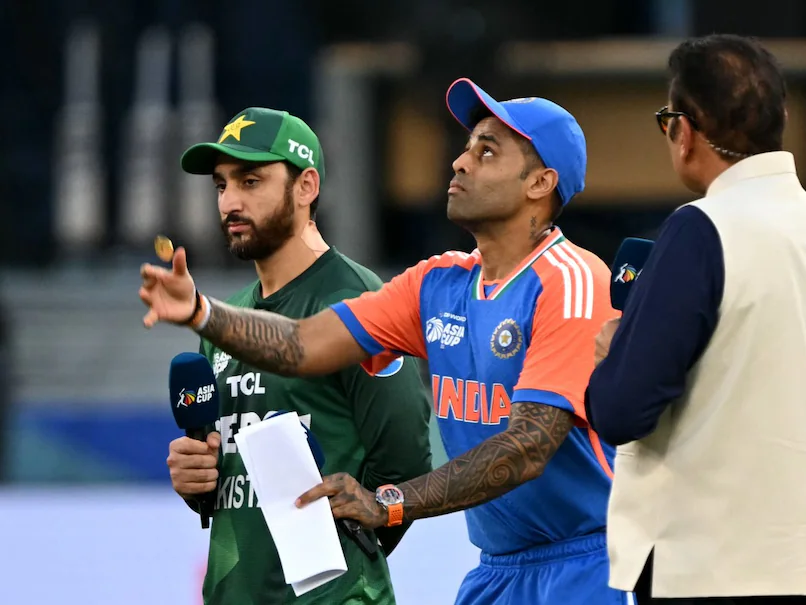
The Narendra Modi Stadium pitch, typically flat and batsman-friendly with short boundaries, offered early seam movement under lights and some grip for spinners later. Dew was expected to favor the chasing side, influencing Pakistan captain Salman Agha’s decision to field first after winning the toss. India included their strongest XI: Rohit Sharma, Virat Kohli, Suryakumar Yadav (captain), Hardik Pandya, Rishabh Pant, and a balanced bowling attack featuring Jasprit Bumrah, Arshdeep Singh, Varun Chakravarthy, and Axar Patel.
India’s innings began with intent. Openers Rohit Sharma (38 off 24, six fours, two sixes) and Abhishek Sharma tore into Pakistan’s new-ball attack—Shaheen Shah Afridi and Naseem Shah—racing to 62/0 in the powerplay. Rohit targeted Shaheen early, lofting a length ball over mid-off for six. Abhishek fell caught at long-on off Haris Rauf, but Virat Kohli arrived and anchored with trademark elegance—drives through covers and flicks off his pads. Kohli reached his fifty off 38 balls, but perished caught at deep midwicket off Shadab Khan attempting acceleration.

At 118/3 after 14 overs (Rohit dismissed lbw by Shadab’s googly), Suryakumar Yadav took center stage. The captain played a captain’s knock: 89* off 47 (nine fours, four sixes), blending innovation (scoops, ramps) with brute power (sixes over long-on off Rauf). Suryakumar added 94* for the fourth wicket with Hardik Pandya (quick 28 off 16), pushing the total past 200. Rishabh Pant’s late cameo (15* off 6) sealed 212/5—India’s highest total in the tournament so far. Pakistan’s bowlers struggled: Rauf (2/48), Shadab (2/35), and Shaheen (1/42) were expensive in the death.
Post-innings, Suryakumar said in the presentation: “The wicket was good for batting, and we wanted to set a big total. Virat set the platform, and I just played my natural game. The bowlers will now do the job.” Kohli added: “This rivalry always brings out the best. Proud of the fight—now we back our attack.”
Pakistan’s chase began disastrously. Openers Sahibzada Farhan (in red-hot form) and Fakhar Zaman fell early—Farhan castled by Bumrah’s inswinger, Fakhar caught behind off Arshdeep. At 28/3 after six overs (Babar Azam lbw to Chakravarthy’s googly), Pakistan were reeling. Salman Agha (42 off 32) provided brief resistance—aggressive pulls and drives—but fell caught at long-on off Hardik’s slower ball. Iftikhar Ahmed (quick 28) and Shadab Khan attempted a rebuild, adding 50+ for the fifth wicket, but Chakravarthy (3/28) and Arshdeep (3/22) choked the middle overs.
Chakravarthy’s mystery spin—googlies and sliders—foxed batters, while Arshdeep’s death yorkers and cutters dismantled the lower order. Naseem Shah (low score) and Shaheen (quick runs) offered late resistance, but Axar Patel (1/18) and Bumrah (tight spells) finished the job. Pakistan folded for 151 all out in 19.3 overs—their lowest total against India in T20 World Cups.
Arshdeep, Player of the Match, reflected: “The plan was to hit the right areas—yorkers and slower ones worked. The crowd was electric; it felt like a final.” Suryakumar added: “This win is massive—big NRR boost and confidence heading to the next games.”
Key statistics: Suryakumar’s 89* was his highest in World Cups. India’s 212/5 featured disciplined acceleration (second fifty in 23 balls). Pakistan’s 151 featured only two batters past 30 (Agha 42, Iftikhar 28). The 61-run margin was India’s biggest win over Pakistan in T20 World Cups and their second-largest in Super Eights.
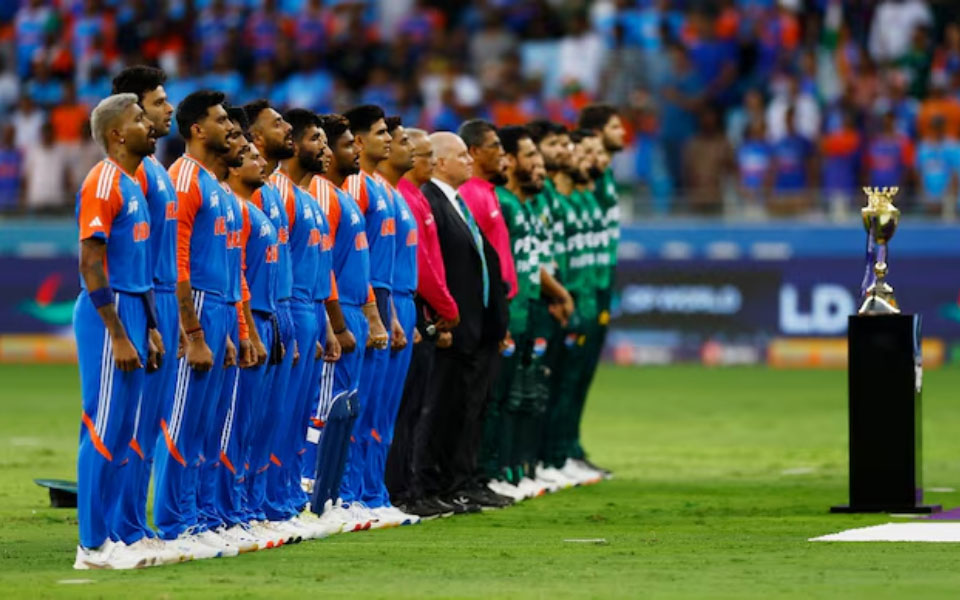
The result propelled India to six points in Group 1, topping the table with a superior NRR (+2.15), all but confirming their semi-final spot (facing England in Mumbai). Pakistan, with two points from three games, needed miracles in remaining fixtures (facing New Zealand and Sri Lanka)—ultimately exiting after narrow defeats. The win avenged past heartbreaks and silenced critics, reinforcing India’s status as title favorites on home soil.
This Ahmedabad classic encapsulated the India-Pakistan rivalry’s intensity: explosive batting, dramatic collapses, and bowling brilliance under pressure. Suryakumar’s leadership, Kohli’s class, and the bowlers’ discipline highlighted India’s all-round strength. As Super Eights progressed—India facing Zimbabwe and West Indies next—this victory stood as a benchmark of dominance in a tournament full of drama, upsets, and high stakes.
For Pakistan, the defeat was a bitter pill—strong starts undone by spin vulnerability and middle-order fragility. Yet, the rivalry’s magic endured: 100,000+ fans, electric atmosphere, and a result that will be debated for years. In a World Cup defined by expansion and surprises, India’s 61-run rout reminded the world why this fixture remains cricket’s greatest spectacle.