
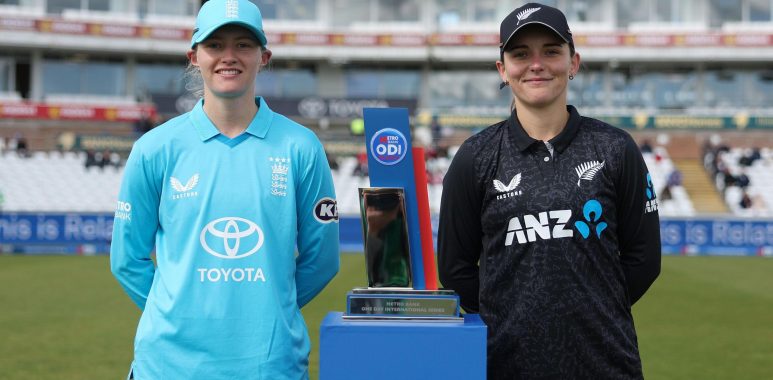
New Zealand Women Edge Out Development XI in Rain-Soaked Chester-le-Street Warm-Up
Chester-le-Street played host to the opening act of New Zealand Womens tour of England as the visitors secured a hard-fought 18-run victory over an ECB Development Womens XI in a 50-over tour match at the Riverside Ground. On a Wednesday that carried the typical early-May chill and occasional drizzle, New Zealand posted 200 all out before bowling out their opponents for 182 in a contest that offered valuable preparation for both sides ahead of the upcoming international fixtures.
The result might appear modest on paper, but it carried plenty of significance. For New Zealand, it provided a much-needed confidence boost after a long journey north and a chance to fine-tune combinations before the serious business of the ODI series begins. For the Development XI, packed with emerging talent, it served as a platform to impress selectors and gain experience against seasoned international opponents.
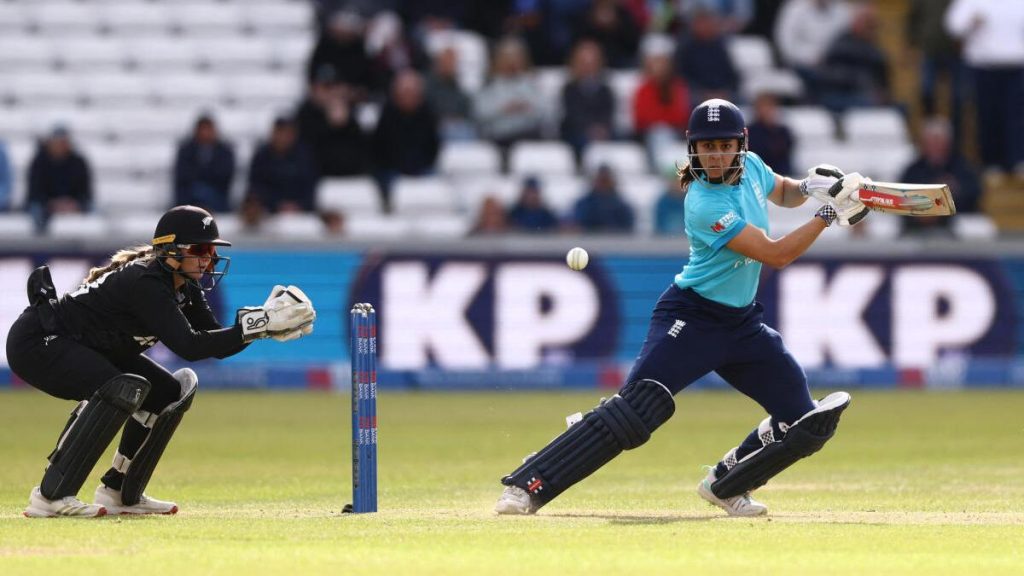
Captain Amelia Kerr led her side with distinction, though the standout contributions came from all-rounder Jess Kerr and veteran Suzie Bates. The Riverside Ground, known for its true bounce and occasional assistance for seamers, lived up to its reputation as a balanced venue where batters had to earn their runs and bowlers could find rewards with disciplined lines.
New Zealand won the toss and elected to bat first under slightly overcast conditions. The decision reflected their desire to assess batting depth early in the tour. Openers Suzie Bates and Georgia Plimmer started cautiously, mindful of the movement available to the home seamers. Bates, the evergreen leader of the White Ferns batting order, looked in good touch from the outset, rotating the strike efficiently and finding the occasional boundary.
Plimmer, still relatively new to the international setup, showed promising signs but fell to a sharp delivery that nipped back. The early breakthrough gave the Development XI momentum, and they maintained pressure through tight lines and smart field placements. New Zealand reached the 50-run mark without further loss but lost Bates shortly after for a well-made 38, caught in the deep attempting to accelerate.
Brooke Halliday joined Maddy Green at the crease, and the pair began to rebuild. Halliday, known for her elegant stroke play, found the gaps with precision, while Green anchored the innings with characteristic grit. Their partnership added valuable runs, but the Development bowlers, led by a lively pace attack, kept chipping away. The introduction of spin brought further breakthroughs, and New Zealand found themselves at 120 for 5 midway through their innings.
This was the moment Jess Kerr stepped up. Promoted in the order to provide impetus, the all-rounder played with freedom and intelligence. Her 44 off 50 balls included several crisp drives and a couple of towering sixes that lit up the Riverside. Kerr combined aggression with smart running between the wickets, frustrating the fielding side. She received good support from lower-order batters like Nensi Patel and Rosemary Mair, who contributed useful cameos.
The Kiwi innings closed at exactly 200 in 47.3 overs, a total that looked competitive rather than imposing on a surface that offered something for everyone. Phoebe Brett emerged as the pick of the Development bowlers, claiming an impressive 5 for 27 in 8.3 overs. Her variations in pace and ability to hit the deck hard troubled the batters throughout. Other contributors included young spinners who kept the scoring rate in check during the middle overs.
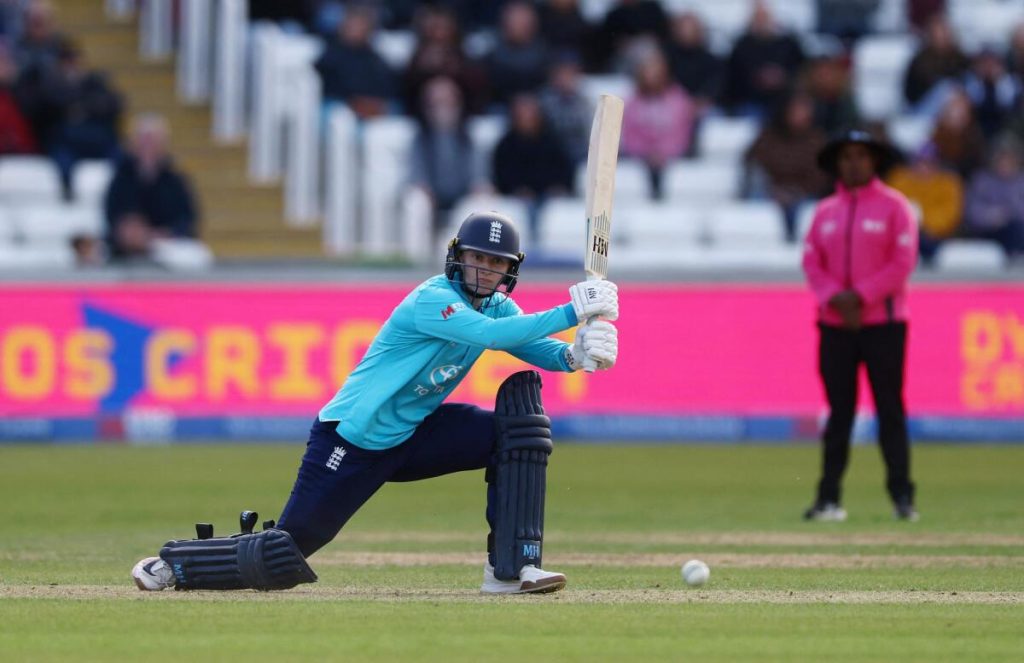
After a short break, the Development XI began their chase of 201. The target required steady accumulation rather than reckless hitting, especially with the New Zealand bowling attack featuring quality seamers and experienced spinners. Openers for the home side started positively, building a foundation through careful accumulation. However, Suzie Bates, turning her arm over in a rare but effective bowling spell, struck early. Her 3 for 13 in just 5 overs proved decisive, removing key batters and disrupting the rhythm.
The middle order showed fight, with Georgie Boyce top-scoring with 32 off 41 balls. Boyce played some lovely shots and looked set for a bigger innings before falling to a clever piece of bowling from Kerr. The Development side kept the required rate manageable for long periods, but regular wickets prevented them from building momentum. New Zealand fielded sharply, with several athletic stops and direct hits adding pressure.
Leigh Kasperek and Amelia Kerr controlled the middle overs beautifully, their variations proving difficult to score off on a pitch that gripped occasionally. Jess Kerr returned to the attack and picked up crucial wickets, including a couple of clean bowled dismissals that highlighted her skill. The lower order mounted a late resistance, but the asking rate climbed steadily. With 19 runs needed off the final two overs and only a couple of wickets in hand, the pressure told.
A mix-up in running and a brilliant catch in the deep sealed the deal as the Development XI were bowled out for 182 in 48.5 overs. The 18-run margin reflected a game where small moments and disciplined cricket made the difference. New Zealand celebrated a job well done, while the home side could take heart from their competitive showing despite the defeat.
This tour match marked an important milestone in New Zealands preparations. Traveling to England always presents challenges, from adapting to different conditions to managing the physical demands of back-to-back fixtures. The White Ferns arrived with a squad blending experience and youth. Amelia Kerr, taking over captaincy duties, has emphasized building depth across all departments. Players like Sophie Devine, though rested for this match, remain central to their plans, while emerging talents such as Izzy Gaze behind the stumps and Flora Devonshire add dynamism.
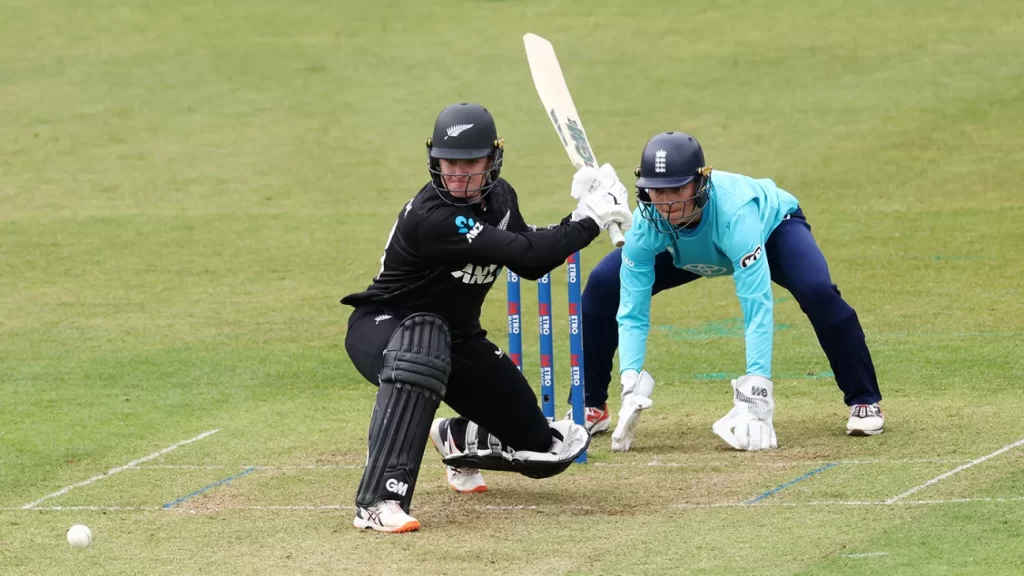
For England, this Development XI provided a glimpse into the future. Several players used the opportunity to showcase their skills in front of national selectors. The performance of Phoebe Brett, in particular, will have caught the eye. Her five-wicket haul demonstrated maturity beyond her years and suggests she could be one for the future. Georgie Boyce and others also impressed, highlighting the strength of the domestic pathway.
The Riverside Ground has a special place in womens cricket history. Its compact boundaries and enthusiastic crowds create an intimate atmosphere that suits high-quality cricket. On this occasion, the weather played its part, with light rain interrupting play briefly but not enough to affect the outcome significantly. The pitch offered early seam movement that eased as the day progressed, allowing batters more freedom later on.
Looking back at the innings, New Zealands batting displayed typical resilience. Losing early wickets tested their depth, but the middle-order partnerships proved their worth. Jess Kerrs innings was the highlight, blending power with placement in a manner that has become her trademark. Her all-round contribution, including wickets with the ball, reinforced her status as one of the worlds premier cricketers.
Bates contribution with both bat and ball was vintage. At 38 years old, she continues to defy expectations, leading by example and delivering when it matters. Her spell with the ball turned the chase in New Zealands favor at a crucial juncture. Such versatility remains a key asset for the visitors.
On the bowling front, New Zealands attack operated as a cohesive unit. The seamers extracted movement, while the spinners maintained control. This balance will be vital as they face the full-strength England side in the ODIs. The victory, while against a development outfit, provides momentum and data for the coaching staff to analyze.
For the ECB Development XI, the match offered invaluable exposure. Facing international standard bowling in a competitive environment accelerates development. Several players will have learned lessons about building innings under pressure and the importance of rotation. The narrow margin shows they were competitive and capable of challenging stronger opposition on their day.
Post-match, Amelia Kerr expressed satisfaction with her teams effort. In comments after the game, she noted the importance of starting the tour with a win and the positives taken from various individual performances. She highlighted the adaptability shown in tricky conditions and looked forward to the challenges ahead against England.
The Development XI captain acknowledged the defeat but praised her players fighting spirit. She pointed to areas of improvement but also celebrated standout moments that bode well for the future of English womens cricket.
This result sets an intriguing tone for the tour. The ODI series kicks off soon at the same venue, promising intense competition between two skilled sides. England enter as strong favorites at home, boasting world-class talents like Nat Sciver-Brunt, Sophie Ecclestone, and Heather Knight. New Zealand, however, have shown in recent times they can compete with the best, particularly in white-ball formats.
The rivalry between these two nations has produced many memorable encounters. From tight finishes to standout individual performances, matches between England and New Zealand women often showcase the evolution of the womens game. This tour comes at an important time, with both teams eyeing major tournaments on the horizon, including World Cups and bilateral series that shape rankings.
Beyond the on-field action, the tour fosters cultural exchange and friendship. Players from both sides often speak warmly of the bonds formed during such visits, which enrich the sport. For fans in the northeast of England, the chance to watch international cricket at Chester-le-Street is a treat, and the atmosphere reflected that appreciation.
Delving deeper into player performances, Jess Kerrs all-round display deserves special mention. Her ability to contribute across departments makes her invaluable. Coming in at a critical time, she stabilized the innings before pushing the score toward respectability. With the ball, her variations troubled batters and complemented the other bowlers perfectly.
Suzie Bates continues to be the heartbeat of the New Zealand side. Her leadership on the field and calm demeanor off it provide stability. The three wickets she took disrupted the chase at a vital stage, demonstrating her enduring class.
For the home side, Phoebe Bretts bowling masterclass stood out. Delivering five wickets while maintaining economy highlights her potential. Young batters like Georgie Boyce showed glimpses of quality that could translate to higher levels with more experience.
Tactically, both teams experimented with combinations. New Zealand rotated their bowlers effectively, ensuring no one was overworked in the build-up to bigger matches. The Development XI tried different field settings and bowling changes to test their adaptability.
Weather conditions added another layer. The overcast skies assisted seam movement early, while any sunshine later helped the batters. Grounds staff prepared an excellent surface that allowed for good cricket throughout.
Statistically, the match offered interesting insights. New Zealands total of 200 represented a solid effort on a surface where scoring freely was not straightforward. The Development chase fell short primarily due to regular fall of wickets rather than a dramatic collapse. Partnerships on both sides proved decisive, underscoring the importance of building innings in limited-overs cricket.
As the sun set over the Riverside, New Zealand could reflect on a job well done. The win boosts morale and provides momentum heading into the international fixtures. For England selectors, valuable data emerged on potential future stars.
The broader context of womens cricket development cannot be ignored. Matches like this bridge the gap between domestic and international levels, ensuring a strong talent pipeline. Both nations invest heavily in this area, recognizing that sustained success depends on depth.
Fans following the tour will anticipate exciting contests ahead. The blend of experience and youth on both sides promises high-quality cricket. New Zealand aim to challenge Englands dominance at home, while England seek to maintain their strong record.
In summary, this tour match delivered competitive cricket, individual brilliance, and valuable lessons. New Zealands 18-run victory was well-deserved, built on teamwork and key performances. As the series unfolds, both teams will build on this foundation, contributing to the continued growth of the womens game globally.
The Riverside Ground witnessed another chapter in an evolving rivalry. While the result favored the visitors, the real winners were the spectators and the sport itself, which thrives on such encounters. With more matches to come, cricket enthusiasts have plenty to look forward to in the coming weeks.
