
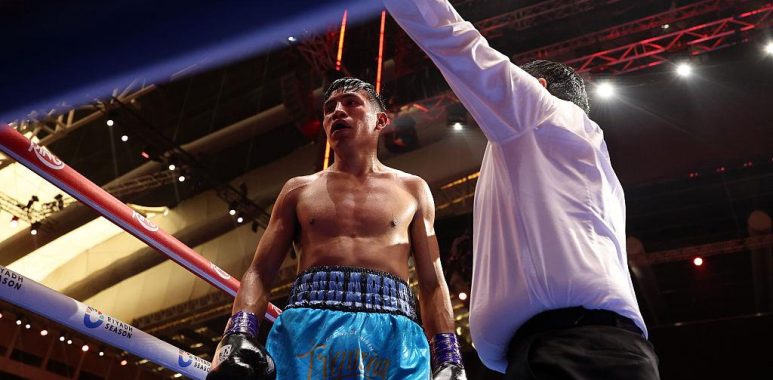
José “El Karma” Alvarado Claims WBA Fedelatin Super Featherweight Title with Gritty Unanimous Decision Over Leobardo Quintana in Tijuana
Tijuana’s Arena Tecate was rocking on the night of October 24, 2026, the kind of night where the crowd leans in from the first bell and doesn’t sit back down until the final scores are read. Promociones León put on a solid card, ProBox TV beamed it out free on YouTube, and the main event delivered exactly what Mexican boxing fans love: two hungry local fighters willing to trade leather for ten hard rounds with a regional title on the line.
José Guillermo Alvarado Rivera, better known as “El Karma,” walked out of there the new WBA Fedelatin Mexico super featherweight champion. The judges all saw it the same way—95-92 across the board—and Alvarado improved to 19-2 with 12 knockouts. Leobardo Quintana Sanchez, “El Chino” out of Mexicali, dropped to 13-4 with five KOs. It wasn’t a one-sided clinic. It was a fight. And that’s what made it worth watching.
The Preview: Two Baja California Kids Chasing the Same Dream
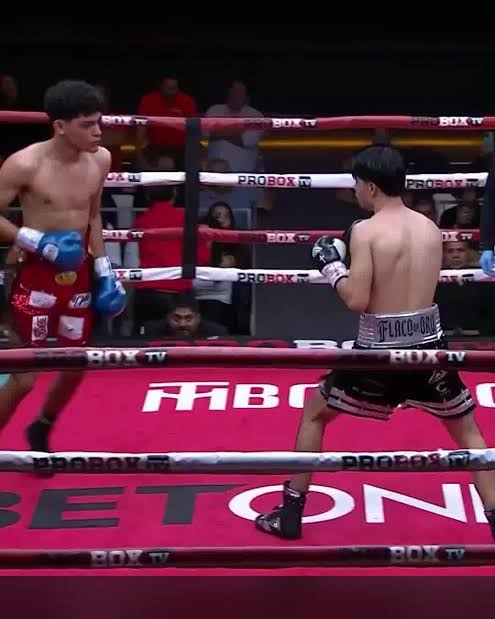
Going into the night, this one had the feel of a proper regional title fight. Alvarado, from Ensenada, had been grinding for years. He debuted in 2019 and built a solid record the hard way—lots of rounds, some tough losses mixed in, and a reputation as a durable, pressure-oriented fighter who could hurt you to the body. At around 28 or 30 (sources varied a bit on the exact age, but he was still in his prime), standing about 5-foot-4 with a 67-inch reach, he wasn’t the tallest guy in the division. What he had was experience, a solid chin, and that Mexican work rate that never seems to quit.
Quintana was the younger man, 22 or 24 depending on who you asked, fighting out of Mexicali. He had the slight height and reach edge, a quicker look early in his career, and the kind of ambition that takes a kid from the border to cards in Riyadh and back again. His record was solid but showed some dents—losses to better opposition, including a stoppage loss overseas. Still, at 13-3 coming in, he was dangerous enough that this felt like a real step-up for both men.
The stakes were clear. The WBA Fedelatin Mexico super featherweight title doesn’t make you a household name overnight, but it puts you on the map. For Alvarado it was validation after years of regional work. For Quintana it was a chance to leapfrog into higher-profile opportunities. Both weighed in at 130 pounds. Both looked ready. The crowd at Arena Tecate expected action, and the card undercard delivered enough fireworks to set the stage.
Promoter Héctor Becerra and the Promociones León team had put together a night that felt local and authentic. No massive international stars, just fighters who knew these arenas, these fans, and what a win here could mean for the next few years of their careers. ProBox TV’s free stream helped push the visibility beyond Baja California, which is exactly what these kinds of cards need.
Analysis: Styles, Adjustments, and the Body Shot That Changed Everything
On paper, the styles set up for a competitive scrap. Alvarado is the classic pressure guy—short, stocky, walks you down, digs to the body, and forces you to fight his fight. He doesn’t have the longest arms, so he has to get inside and make it ugly. Quintana looked more comfortable on the outside early, using the jab and movement, trying to keep the older man at the end of his punches.
The early rounds reflected that. Quintana came out active, throwing the jab, circling, looking comfortable. Alvarado was patient but present, landing the occasional left hand and trying to close the distance. It was the kind of opening that makes you lean forward in your seat because you know the pressure is going to tell eventually. CompuBox-style numbers weren’t officially blasted everywhere, but the commentary and the eye test suggested Quintana was matching or even outworking Alvarado in volume early. That only lasts so long when the other guy is stronger in the trenches.
The turning point came in the middle rounds. In the fourth, the referee deducted a point from Quintana for a low blow. Those moments always shift momentum. The fighter who takes the foul gets a mental boost and a physical one if the shot really landed. Alvarado didn’t waste the opportunity. In the next round—sources differ slightly on whether the big action was the fifth or sixth, but the local reporting and highlight packages point to the fifth as the decisive one—he went downstairs hard. Body shots. Hooks to the midsection. The kind of punches that don’t always look spectacular on the first viewing but fold a man’s legs under him.
Quintana hit the canvas twice in that round. Both times from body work. Those knockdowns are brutal in a 10-round fight. They cost you the 10-8 or 10-7 round, they take something out of your gas tank, and they force you to fight from behind for the rest of the night. Quintana showed real guts climbing off the floor and continuing. He didn’t fold. He kept throwing and trying to make it a fight. That durability is something worth respecting.
From there, the fight became a test of wills. Alvarado controlled the distance better, mixed the body and head, and made Quintana pay for every exchange. Quintana had moments—he never stopped trying—but the early point deduction plus the two knockdowns created a mountain on the scorecards that was almost impossible to climb in the remaining rounds. By the later stages, you could see the younger man starting to feel the accumulation. The commentary noted him exhaling hard, the legs not quite as springy. Alvarado, for his part, stayed disciplined enough not to get careless and give away rounds he had already banked.
This is classic Mexican super featherweight boxing. Not a lot of dancing. Plenty of heart. Body work that decides fights. Alvarado’s ability to adjust after the early volume from Quintana and then punish the body showed experience. Quintana’s willingness to keep coming after getting dropped twice showed character. One fighter executed the plan better when it mattered most.
Top Highlights: The Moments That Stuck
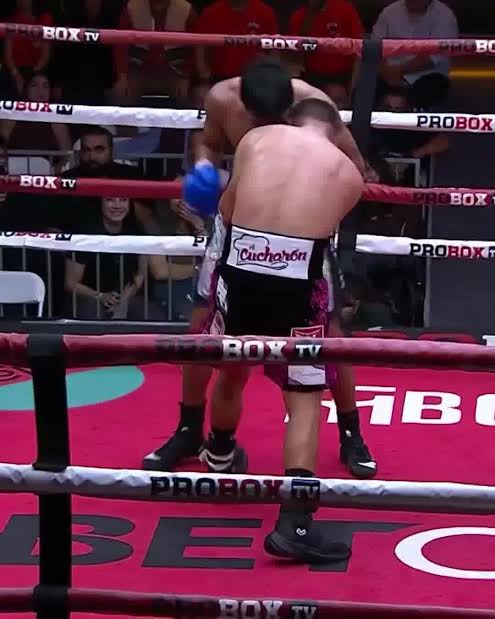
If you only watch the highlights package, a few sequences jump out.
First, the early action where Quintana looked sharp. The jab was working. He was moving. For a few minutes it felt like the younger guy might dictate the terms all night. That stretch matters because it shows the fight wasn’t a walkover from the opening bell.
Then the low blow and the point deduction. It’s never the most glamorous moment, but it changed the math. One point can be the difference in a close fight, and this one was always going to be competitive on the cards without the knockdowns.
The knockdowns themselves are the money shots. Alvarado digging those body hooks, Quintana’s reaction, the referee’s count, the crowd noise rising. Body knockdowns have a special quality—they don’t always look as dramatic as a head-shot knockout, but the fighter who takes them often looks more compromised afterward. Quintana surviving both and making it to the final bell is a highlight in its own right. A lot of fighters wouldn’t have.
The championship celebration at the end. Alvarado and his team in the ring with the WBA Fedelatin belt. The pure joy of a regional title after years of work. Those moments are why fighters keep showing up for these cards.
And the overall back-and-forth. This wasn’t a clinic. Both men landed clean shots. Both men had periods where they looked better. That gives the fight replay value. You can watch it and argue about rounds even with the knockdowns factored in.
Summary: What It Means and Where They Go From Here
José “El Karma” Alvarado is the new WBA Fedelatin Mexico super featherweight champion. At 19-2 with a dozen knockouts, he has a platform now. Regional titles open doors—better undercards, possible eliminators, more attention from the bigger promoters. For a guy who has fought mostly in Mexico and Central America, this is a meaningful step. The body work he showed against Quintana is a weapon that travels. If he can keep improving the head movement and the timing of his entries, he can keep climbing.
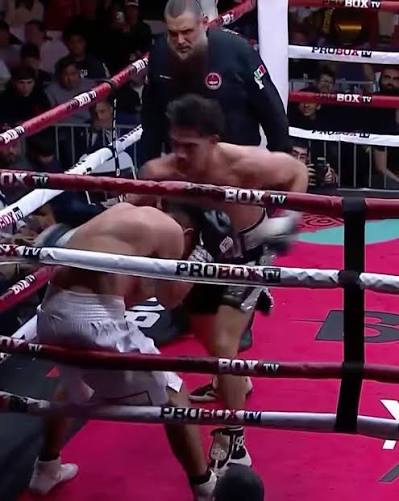
Leobardo Quintana walks away with a loss but not a diminished reputation. Going the distance after two knockdowns and a point deduction takes toughness. At 13-4, still young, still learning, he has time. The experience of fighting through adversity in a title fight will either make him better or show him exactly what he needs to work on. Fighters from Mexicali and the Baja region have a proud history of bouncing back. Expect him to be back in the gym soon, looking for the right opponent to rebuild momentum.
The night itself was a success for Promociones León and for ProBox TV’s free-stream model. Cards like this keep the sport healthy at the regional level. Fans get real fights. Fighters get opportunities. The belt changes hands. Everyone leaves with something—either a title, a learning experience, or a memory of a solid night of boxing in Tijuana.
Alvarado’s win wasn’t flashy in the highlight-reel knockout sense, but it was professional, opportunistic, and earned. He took the moment when it came, punished the body, and stayed composed for the rest of the distance. In boxing, that’s often enough. On this night in Arena Tecate, it was more than enough to become champion.
The super featherweight division in Mexico is deep and competitive. Titles like the Fedelatin Mexico strap are stepping stones, not final destinations. For “El Karma,” the question now is how far that stepping stone can take him. For the fans who packed the arena or watched the free stream, the takeaway was simpler: they got a real fight, two game Mexican boxers, and a new champion who earned every bit of the decision. That’s a pretty good night at the fights.